There was a time when the return of wolves to Yellowstone felt like a parable retold around a quiet fire. A missing note had been restored to a long, patient song, and many believed the melody of the land itself had changed in response. Rivers would bend, trees would rise, and balance—so long imagined as lost—would gently return. It was a story that traveled far beyond the park’s borders, carried on the promise that nature, once corrected, knows exactly what to do.
For years, the narrative seemed settled. Wolves arrived in the mid-1990s, elk altered their movements, willow and aspen found space to grow, and the ecosystem exhaled. The idea of a “trophic cascade” became not only a scientific concept but a cultural one, offered as evidence that complex systems can heal through a single, decisive act. The wolves became symbols as much as animals, standing in for hope, restraint, and ecological wisdom.
Yet landscapes, like stories, rarely move in straight lines. As researchers continued to watch Yellowstone with longer lenses and quieter patience, the picture grew more textured. Elk numbers did change, but so did winters, human hunting patterns, and vegetation cycles shaped by water and soil as much as teeth and fear. In some valleys, willows returned; in others, they did not. Rivers shifted, but often for reasons that traced back to climate and geology rather than predators alone.
Recent studies suggest that the wolves’ influence, while real, may have been woven into a larger fabric of forces rather than acting as a single guiding thread. The cascade was not a switch flipped on, but a slow conversation among species, weather, terrain, and time. Wolves mattered, but so did beavers, droughts, snowfall, and the long memory of the land itself. The park did not transform so much as continue becoming what it has always been: layered, adaptive, and resistant to simple conclusions.
This reframing does not undo the significance of the wolves’ return. Instead, it softens it, placing their role where it may belong—not as solitary authors of change, but as participants in a broader ecological dialogue. Yellowstone remains healthier with wolves than without them, many scientists agree, even if the outcomes are less dramatic than once portrayed.
As the conversation matures, the story of Yellowstone shifts from certainty to curiosity. It invites a quieter respect for complexity and a willingness to let nature resist our favorite metaphors. The wolves still roam, the rivers still move, and the park continues its work without regard for the neatness of human narratives.
In the end, the lesson may not be about transformation, but about attention. Yellowstone asks to be observed not as a symbol, but as a living place, shaped by many hands unseen and forces unnamed, carrying on whether or not its story fits the one we hoped to tell.
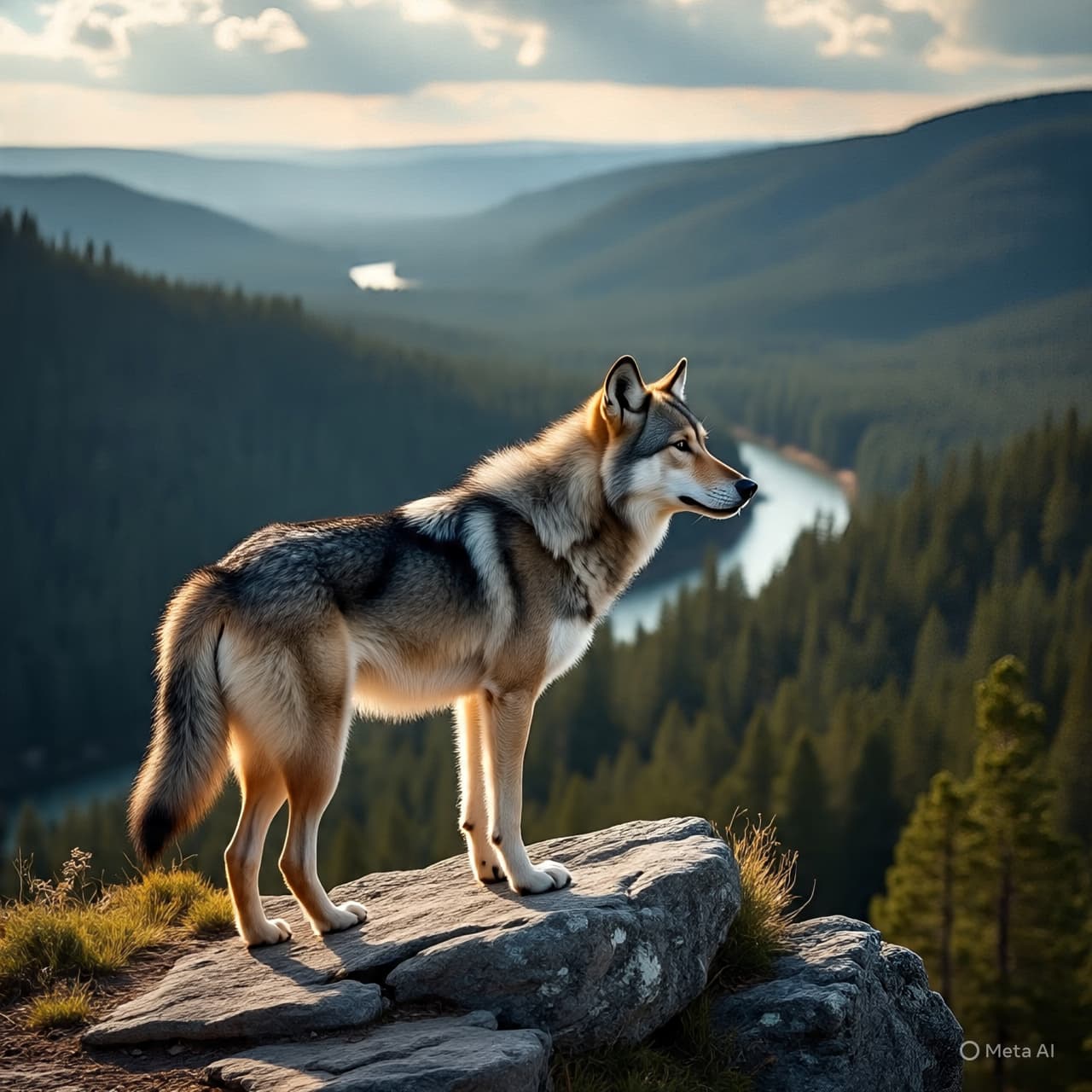
AI Image Disclaimer Illustrations were produced with AI and serve as conceptual depictions rather than real photographs.
Sources National Geographic The New York Times Science Smithsonian Magazine Yellowstone National Park Service
Published by Banx Network. This article is part of the Banx decentralized media programme, powered by the BXE token on the XRP Ledger.