There is a certain stillness that settles over a launchpad before history rehearses itself. Steel towers stand against the sky, cables hum softly with energy, and the clock — always the clock — begins its quiet march forward. Today, that stillness carries the weight of expectation as NASA conducts live coverage of the Artemis II Wet Dress Rehearsal, a pivotal test before humans once again journey around the Moon.
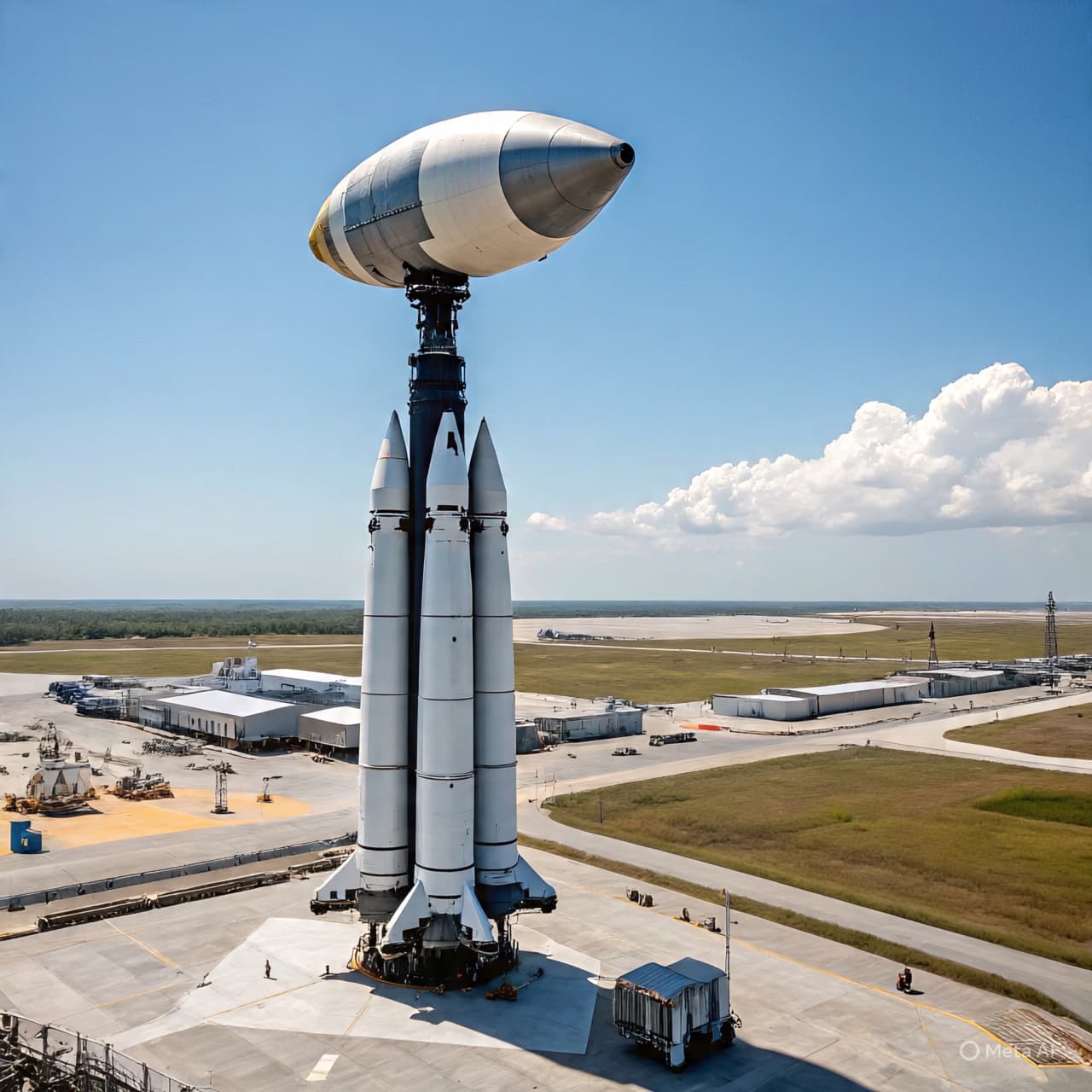
The focus of this rehearsal is the towering , paired with the spacecraft. Together, they represent the backbone of the Artemis II mission, the first crewed flight of NASA’s Artemis program. Though no astronauts are aboard for this test, the procedures unfolding today mirror the choreography required for launch day.
A wet dress rehearsal is not simply a technical formality. It is a full-scale simulation in which engineers load cryogenic propellants — liquid hydrogen and liquid oxygen — into the rocket’s core and upper stages. These super-cooled fuels must be transferred with extreme precision. Sensors track pressure, temperature, and flow rates, while teams monitor for leaks, structural stress, and system responses.
The “wet” in the name refers to the fueling itself. Unlike earlier countdown simulations conducted without propellant, this test introduces the volatile, complex element of cryogenic fluids. Hydrogen, in particular, demands meticulous handling. Its molecules are small enough to escape through microscopic gaps, making leak detection and containment critical.
Live coverage from provides updates as teams move through each phase of the countdown timeline. Viewers watch as fueling lines connect, vapor clouds drift from venting systems, and hold points pause the clock for verification checks. These pauses are intentional, built into the sequence to ensure every subsystem responds as expected.
Artemis II is designed to send four astronauts on a lunar flyby, orbiting the Moon before returning to Earth. The mission will not land on the lunar surface, but it marks a decisive step toward sustained human exploration beyond low Earth orbit. Today’s rehearsal ensures that the rocket and ground systems can safely support that ambition.
Engineers are also validating communication links, command sequences, and automated abort capabilities. If anomalies appear — unexpected pressure changes or temperature fluctuations — the countdown can be halted. Such interruptions, though sometimes visible to the public, are considered part of responsible testing. Each pause provides data, and each data point strengthens mission readiness.
The atmosphere at Kennedy Space Center blends anticipation with caution. The Artemis program carries symbolic and strategic significance. It represents not only a return to lunar space but the beginning of a longer-term vision that includes future landings and preparation for eventual Mars missions. Yet the pathway to those goals is built on incremental validation.
As the wet dress rehearsal unfolds, NASA officials emphasize that the objective is not spectacle but assurance. Successful completion would demonstrate that fueling operations, countdown sequencing, and emergency systems function cohesively. Should issues arise, engineers will analyze them carefully before proceeding to the next milestone.
For now, the essential update is measured and clear: NASA is conducting live coverage of the Artemis II Wet Dress Rehearsal, testing fueling and countdown systems for the Space Launch System and Orion spacecraft. Data gathered today will inform the final preparations ahead of the crewed lunar mission.
AI IMAGE DISCLAIMER Visuals are created with AI tools and are not real photographs.
Sources: NASA Space.com Reuters Associated Press BBC News
Published by Banx Network. This article is part of the Banx decentralized media programme, powered by the BXE token on the XRP Ledger.