One Day’s Light, One man-made Object: Voyager 1’s Cosmic Milestone
Voyager 1 will reach about one light-day from Earth by late 2026 — meaning light or radio signals will take 24 hours one way — marking a historic first for any human-made object.

Voyager 1 will reach about one light-day from Earth by late 2026 — meaning light or radio signals will take 24 hours one way — marking a historic first for any human-made object.

China prepares the Shenzhou-22 spacecraft for a possible rescue mission, highlighting the risks of human spaceflight and the growing maturity of global orbital operations.

New research shows the ozone hole is the fifth smallest in 30+ years, signaling steady but fragile recovery and the lingering need for long-term global environmental discipline.

The U.S. Space Force has awarded prototype contracts under the Golden Dome initiative to companies including Northrop Grumman, Lockheed Martin, Anduril, and True Anomaly, marking the first concrete step toward a layered missile-defense system that combines space-based interceptors and traditional radar and missile defences. While early awards are modest, the program could grow into production contracts worth tens of billions, signaling a major shift in how the U.S. plans to defend against missile threats — from Earth and from space.

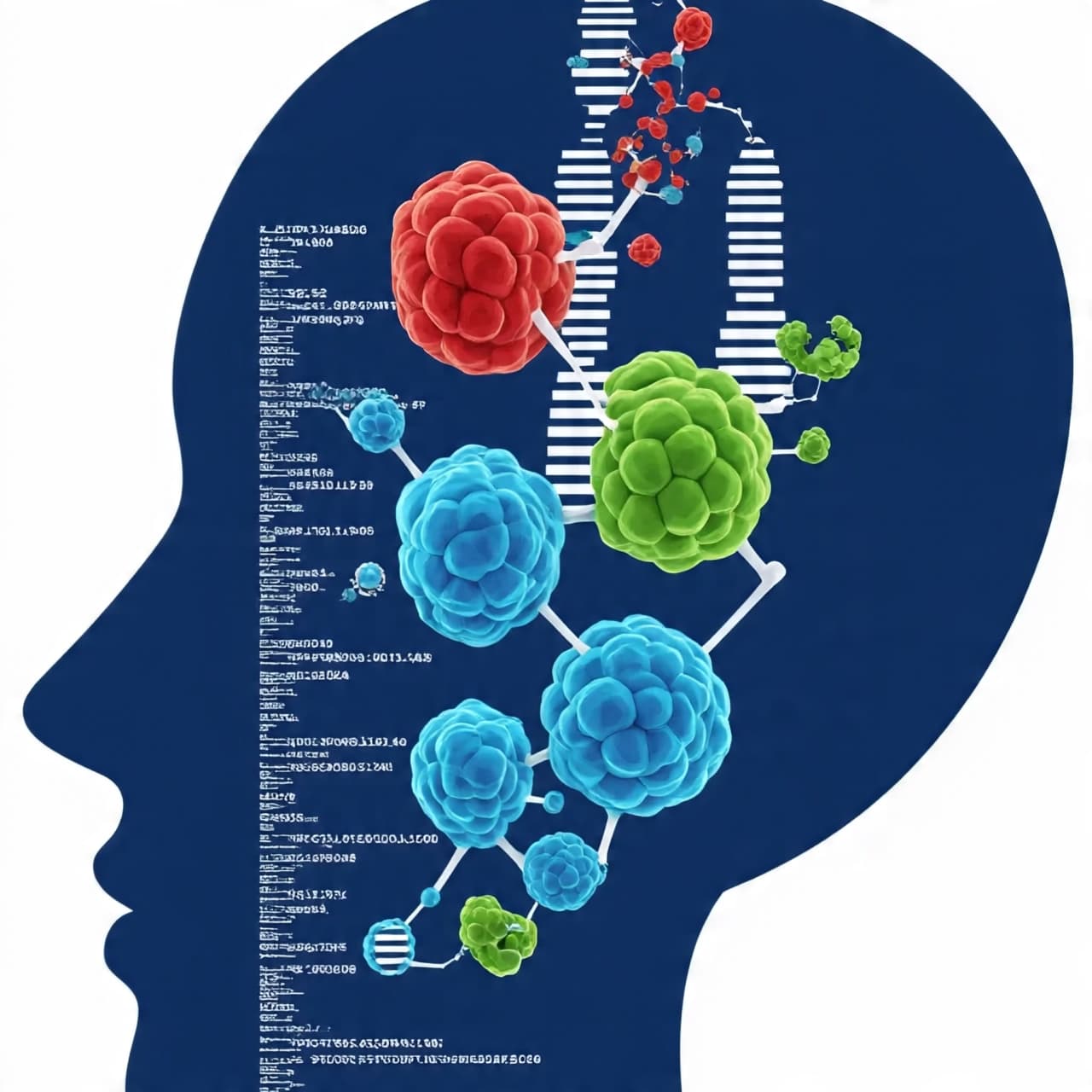
A new genomic study finds that about two-thirds of modern dog breeds carry detectable wolf ancestry — from small pets to sled and hunting dogs. Some breeds, like Czechoslovakian and Saarloos wolfdogs, have up to ~40 % wolf DNA; others, like Grand Anglo-Français Hounds and Shiloh Shepherds, have notable but smaller proportions.

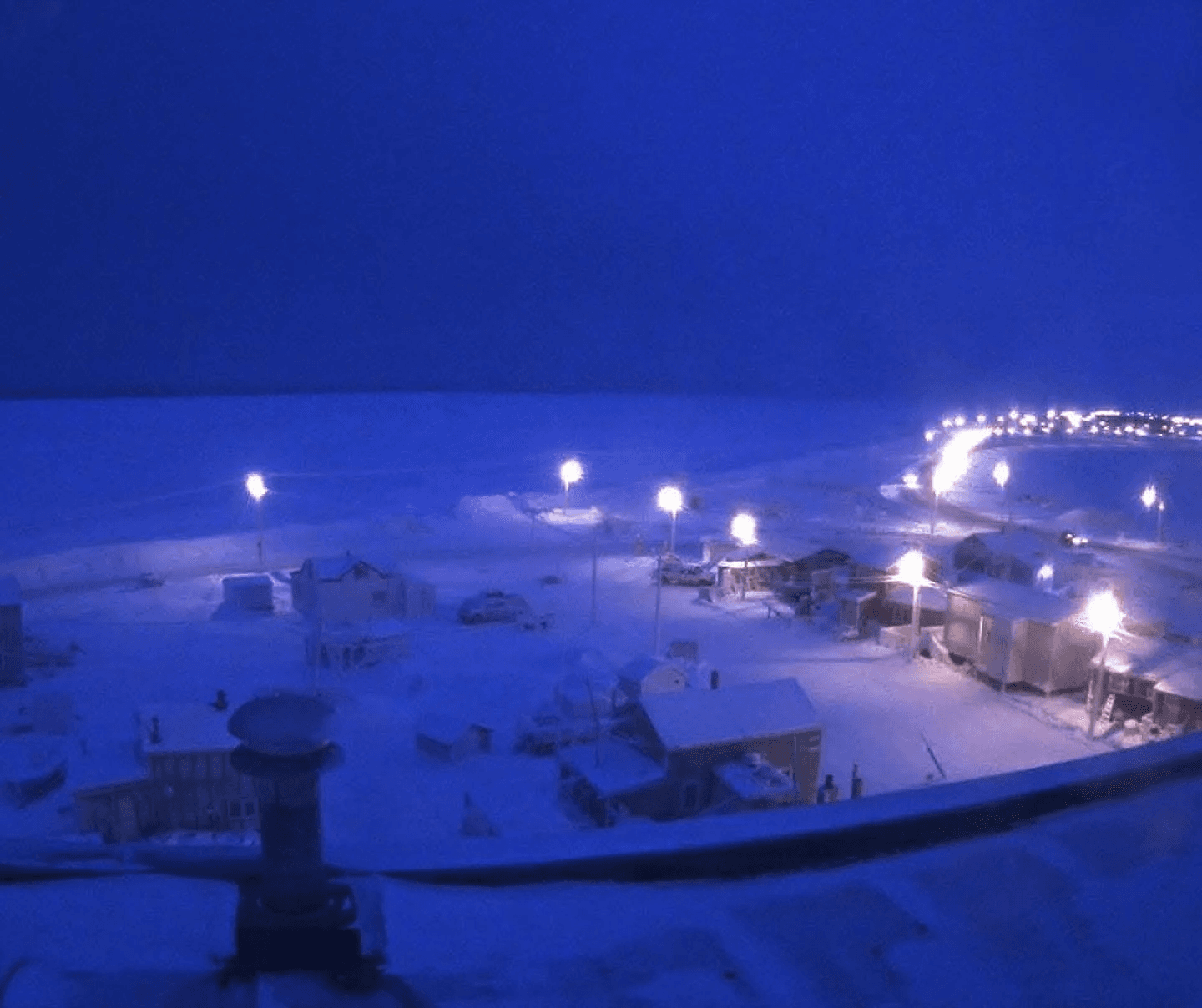
As darkness envelops Utqiagvik, Alaska, residents brace themselves for an extended period of polar night. With the sun having set for the last time this year, it will not rise again until January 2026, leading to a unique set of challenges and experiences for the community.

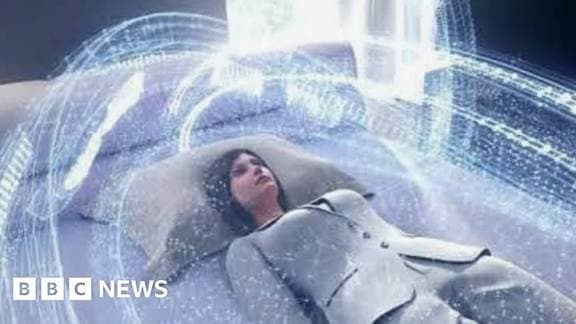
The Med Bed program represents a seismic shift in healthcare, promising revolutionary healing technologies previously shrouded in secrecy. As we approach a new era where traditional medicine becomes obsolete, the Green Button activation stands poised to transform the lives of those suffering from terminal illnesses, chronic conditions, and the effects of war. This breakthrough, connected with GESARA and NESARA, aims to ensure that healing is accessible to all, without cost or gatekeeping.

Scientists mapped five “eras” of brain wiring—from birth to very old age—and found that true adulthood, in terms of neural structure, doesn’t begin until around age 32.

Scientists find that feelings for someone outside a relationship are common and their impact depends on communication, emotional climate, and how couples navigate the moment.

Proteome-wide models link genetic variation to protein function across tissues, improving causal discovery in disease genetics—but challenges in data, tissue specificity, and model complexity remain.

A bold education reform push aims to cut federal bureaucracy and return power to communities. Supporters say it puts students first; critics fear inequality. The debate reshapes U.S. schooling.

A tech company has created an enzyme-based method that breaks down tough plastics quickly, offering a powerful new solution to one of the world’s biggest waste challenges.

Costa Rica’s rainforest is rebounding as butterfly populations help restore plant life, strengthen ecosystems, and support community-driven conservation.

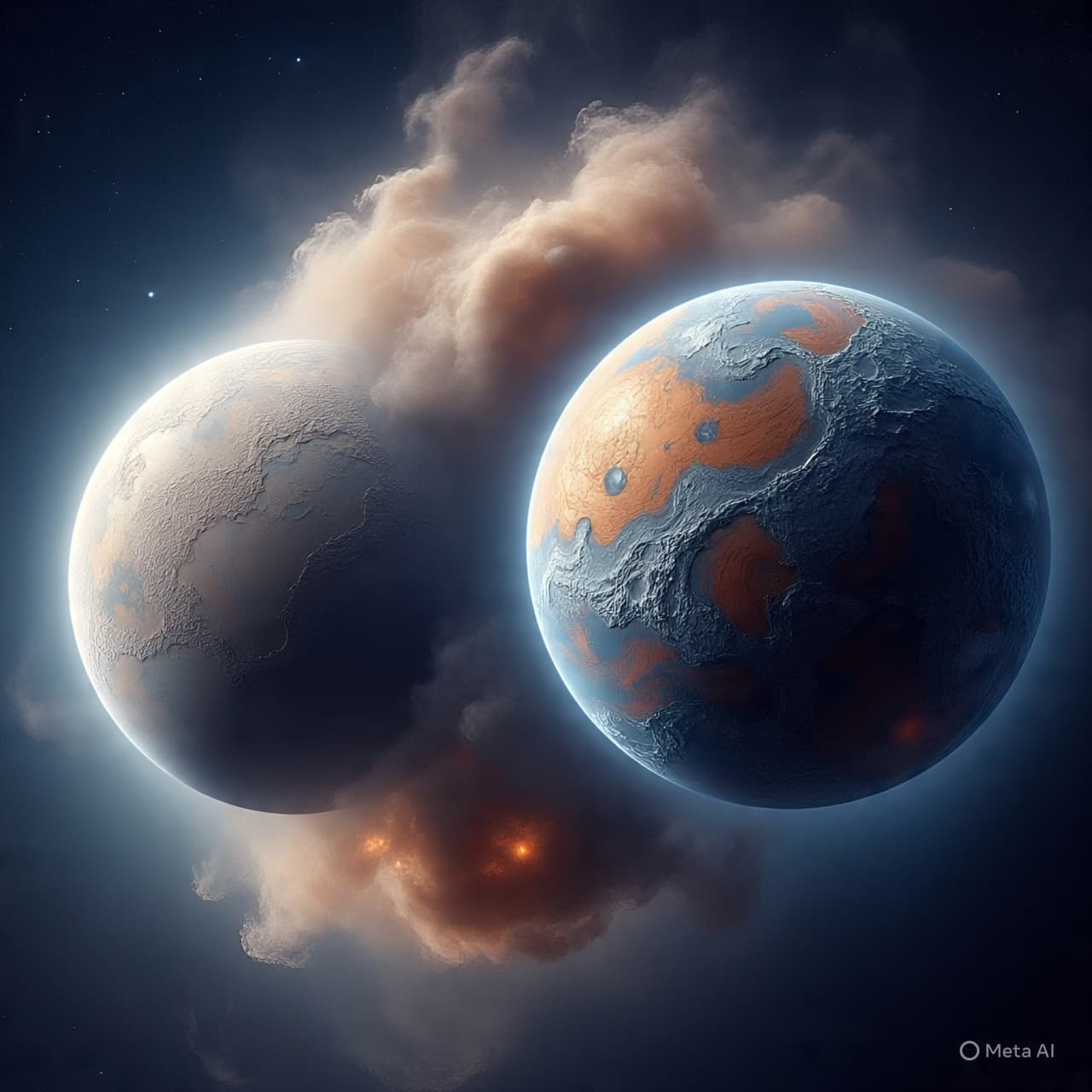
Scientists have identified the likely origin of Theia, the ancient planet that struck early Earth, suggesting it formed nearby and left remnants deep within Earth’s mantle.

Scientists confirm the first successful quantum teleportation between photons, a breakthrough that advances secure quantum communication and reshapes future technology.

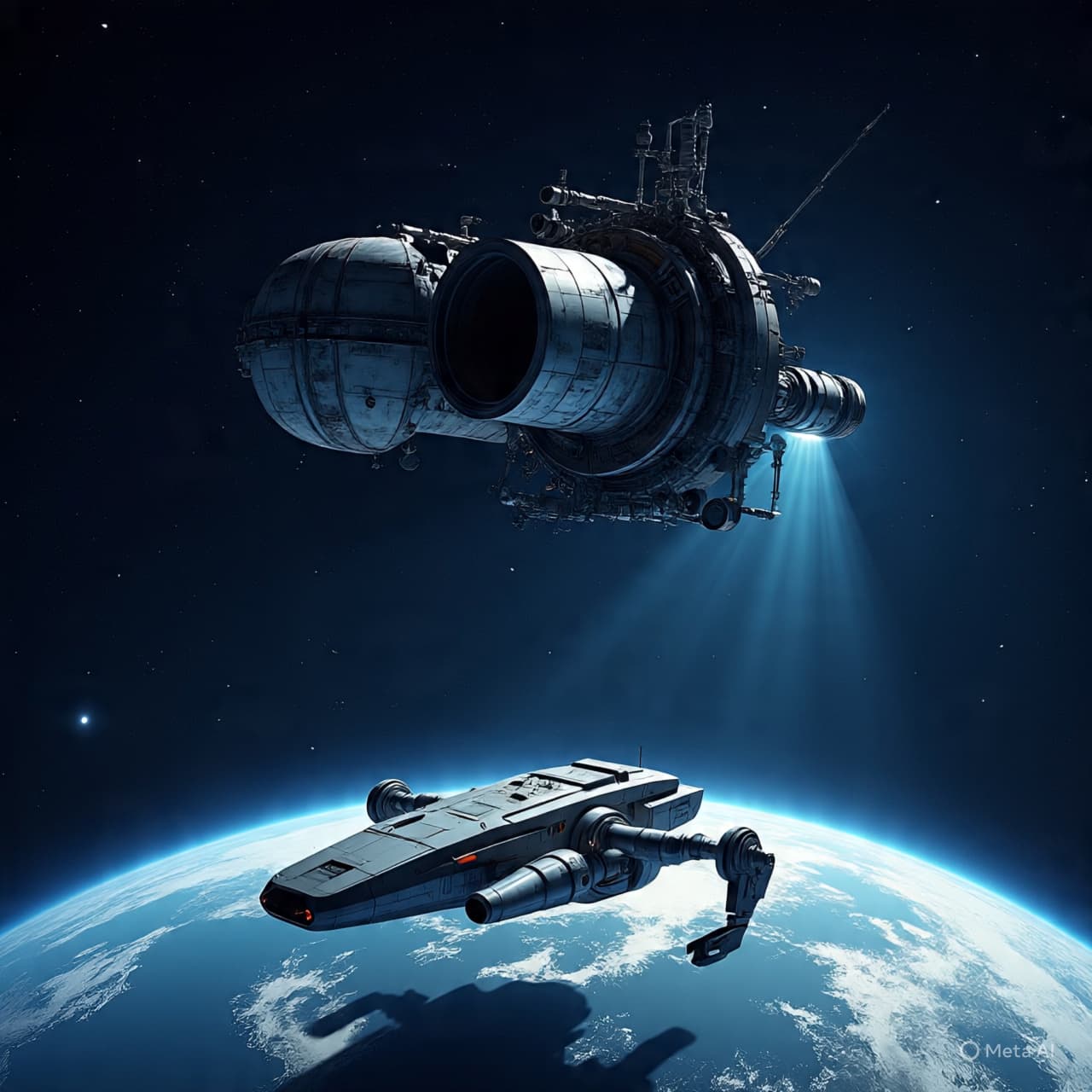
A private spacecraft will launch in 2026 aboard an air-dropped Pegasus XL rocket to rescue and re-boost NASA’s Swift space telescope, extending its mission life.

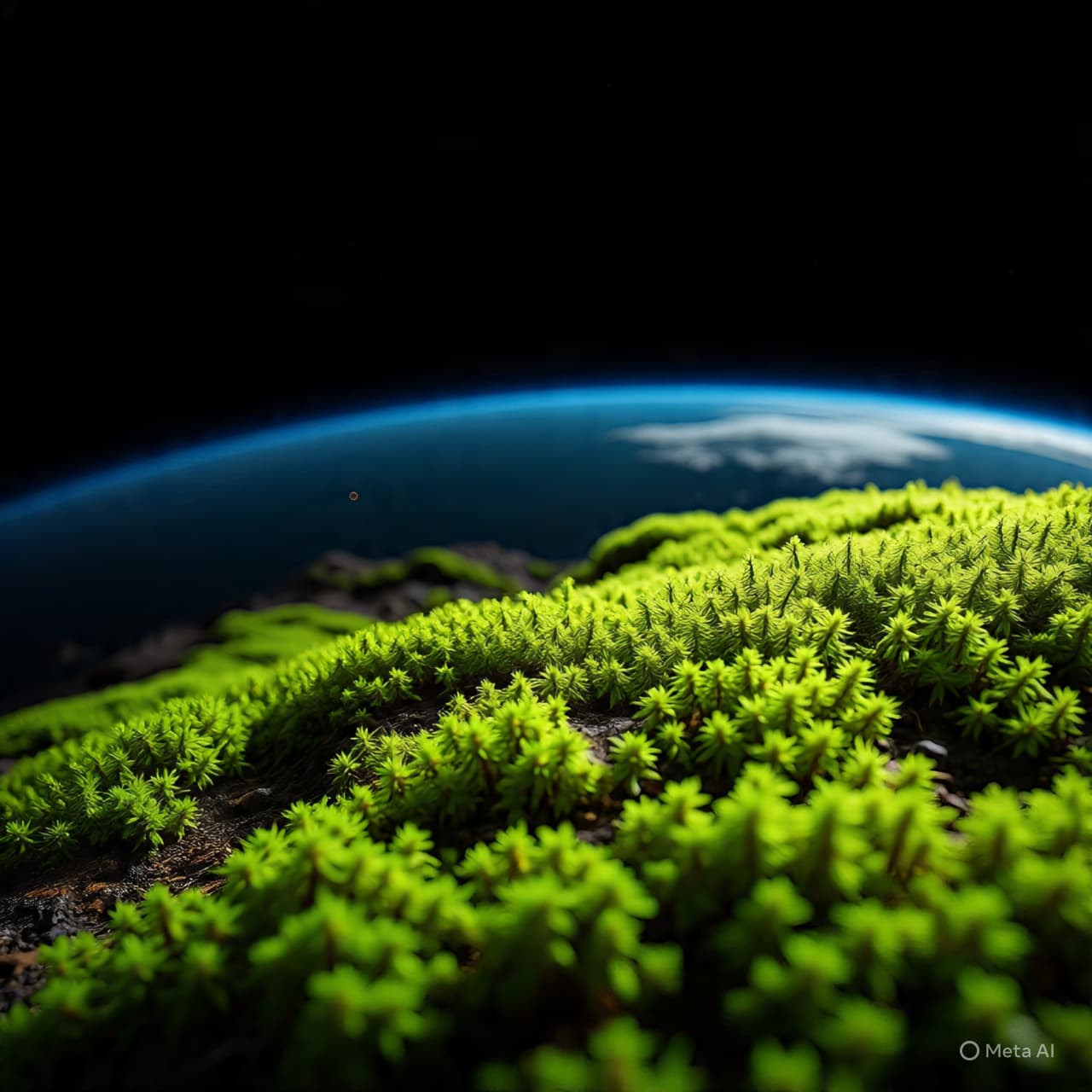
Moss samples exposed to nine months in open space survived and revived on return, revealing surprising resilience and new insights into biological endurance.

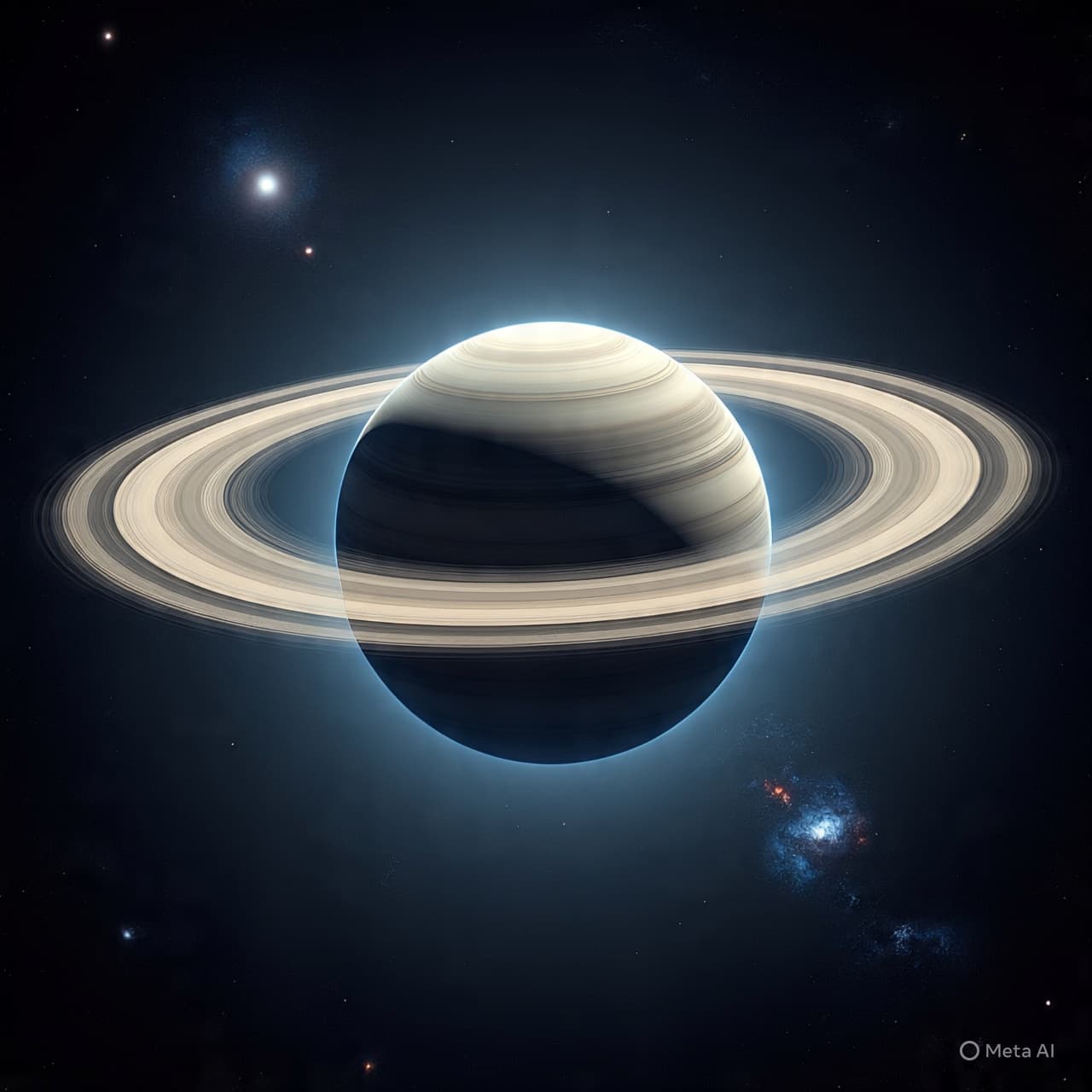
Saturn’s rings are slowly fading due to “ring rain,” where particles fall into the planet’s atmosphere. Scientists say the rings may disappear in tens of millions of years.

New research suggests Theia may have formed near Earth, explaining the Moon’s Earth-like composition and reshaping the story of the giant impact that created it.

NASA reports steady technical progress on Artemis II, advancing spacecraft systems, rocket preparations, and crew readiness for the first crewed lunar mission of the Artemis program

A new polymer-based membrane sets a record for separating hydrogen from CO₂, offering high selectivity, stability, and potential benefits for clean energy production.

Recent quakes on Santorini were triggered by magma movement equal to the weight of twenty Giza Pyramids, offering new insight into the island’s ongoing volcanic activity

Researchers find reasoning AI models show computation patterns resembling human cognitive effort, revealing shared constraints in how complex thought consumes resources.

Astronomers captured the clearest view yet of a “vampire star” pulling material from its companion, offering new insights into binary evolution and stellar mass transfer