Under the ancient Mediterranean sun, walls rose and harbor-piers stretched into the sea — and millennia later, many still stand firm. The secret behind such enduring strength was long lost in time, but new research may finally have turned the key to a two-thousand-year mystery. What we now know is that Roman concrete was more than stone and mortar: it carried within it a kind of “memory,” a resilience that could heal itself when damaged.
At the heart of this ancient alchemy are three crucial ingredients: volcanic ash (also known as pozzolan), water-reactive lime (in the form of quicklime), and volcanic rock aggregate. Together they formed a binding mixture that, when prepared with what researchers call a “hot-mixing” method, triggered chemical reactions unlike those in ordinary mortar. The heat generated during mixing allowed formation of mineral structures that modern concrete doesn’t produce.
Perhaps the most remarkable feature of Roman concrete is its ability to “self-heal.” As time weathers stone and stress creates hairline cracks, water seeping into fissures can react with lime clasts dispersed in the material. Those reactions produce calcium-rich solutions that crystallize as calcium carbonate, gradually filling cracks and sealing them, effectively stopping damage in its tracks.
To test this, modern scientists replicated the ancient recipe: they made concrete using quicklime, volcanic ash and aggregate, then deliberately fractured the sample and ran water through the cracks. Incredibly, within a matter of weeks the concrete repaired itself — the fissures sealed and water no longer flowed — while a control sample made without quicklime remained cracked.
This self-healing chemistry goes a long way toward explaining why structures that might have faced centuries of weather, saltwater, earthquakes, or wear remain standing — even when modern concrete, exposed to similar stress, crumbles within decades.
Beyond rewriting history, the findings may influence our future. The ancient Romans didn’t know molecular formulas or environmental engineering as we do — they simply built with what was available. But modern engineers could adapt that knowledge: designs for more durable, longer-lasting, even self-healing concrete could reduce the environmental and economic costs of constant repair and reconstruction.
In a way, Roman concrete stands not just as a testament to ancient skill, but as a whisper from the past: a call to build for endurance, for resilience, for a legacy that lasts.
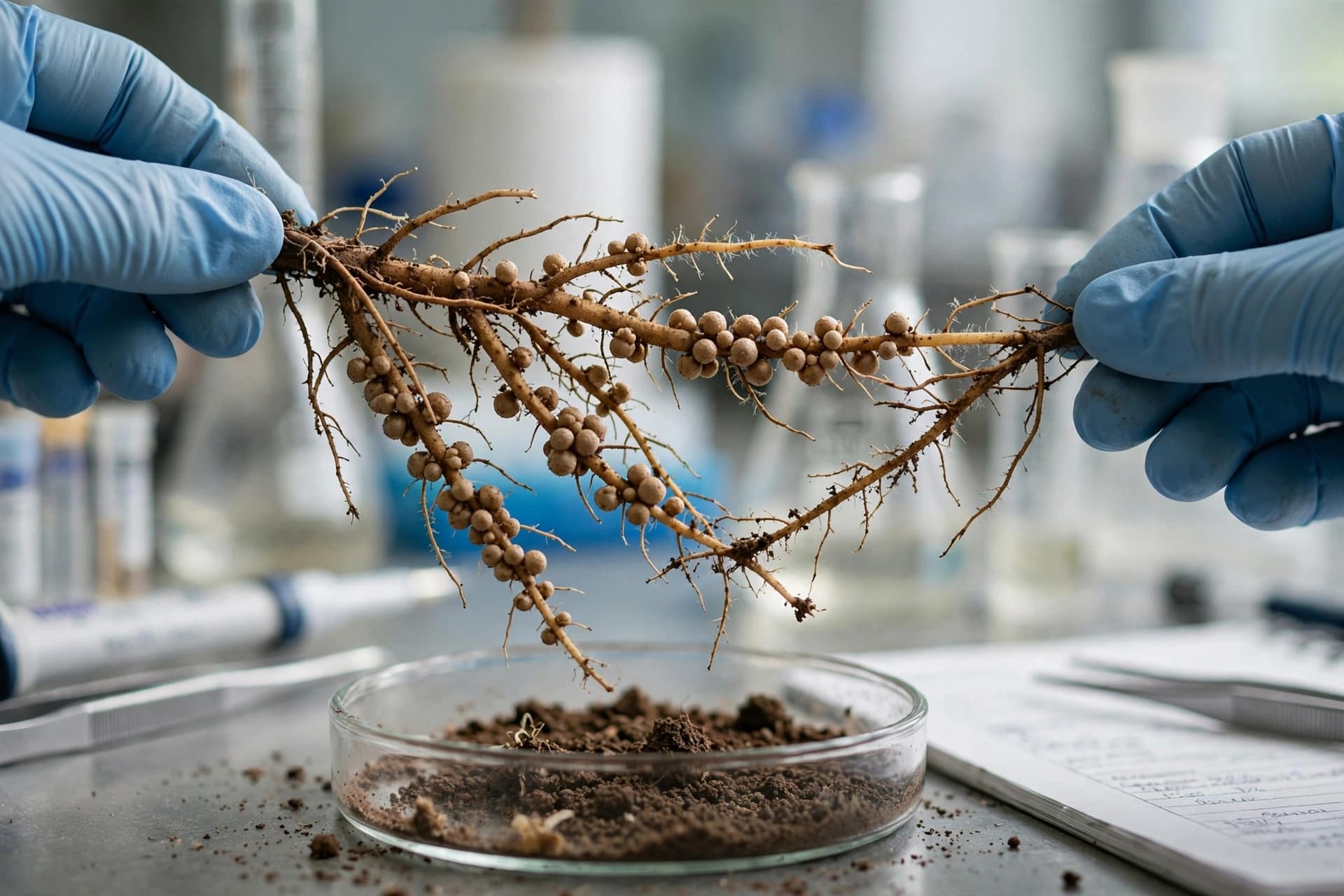
AI Image Disclaimer: “Visuals are created with AI tools and are not real photographs.”
Sources: ScienceAlert; MIT / MIT-affiliated research (Science Advances); Live Science; Discover Magazine; ASCE (civil-engineering review)
Published by Banx Network. This article is part of the Banx decentralized media programme, powered by the BXE token on the XRP Ledger.

.jpg&w=3840&q=75 "September 2026 Was the Second-Warmest on Record, With Global Temperatures Above 1.5°C for a Second Month")