When Quiet Seas Grow Stirrings, The Search for Anchorage and Stillness
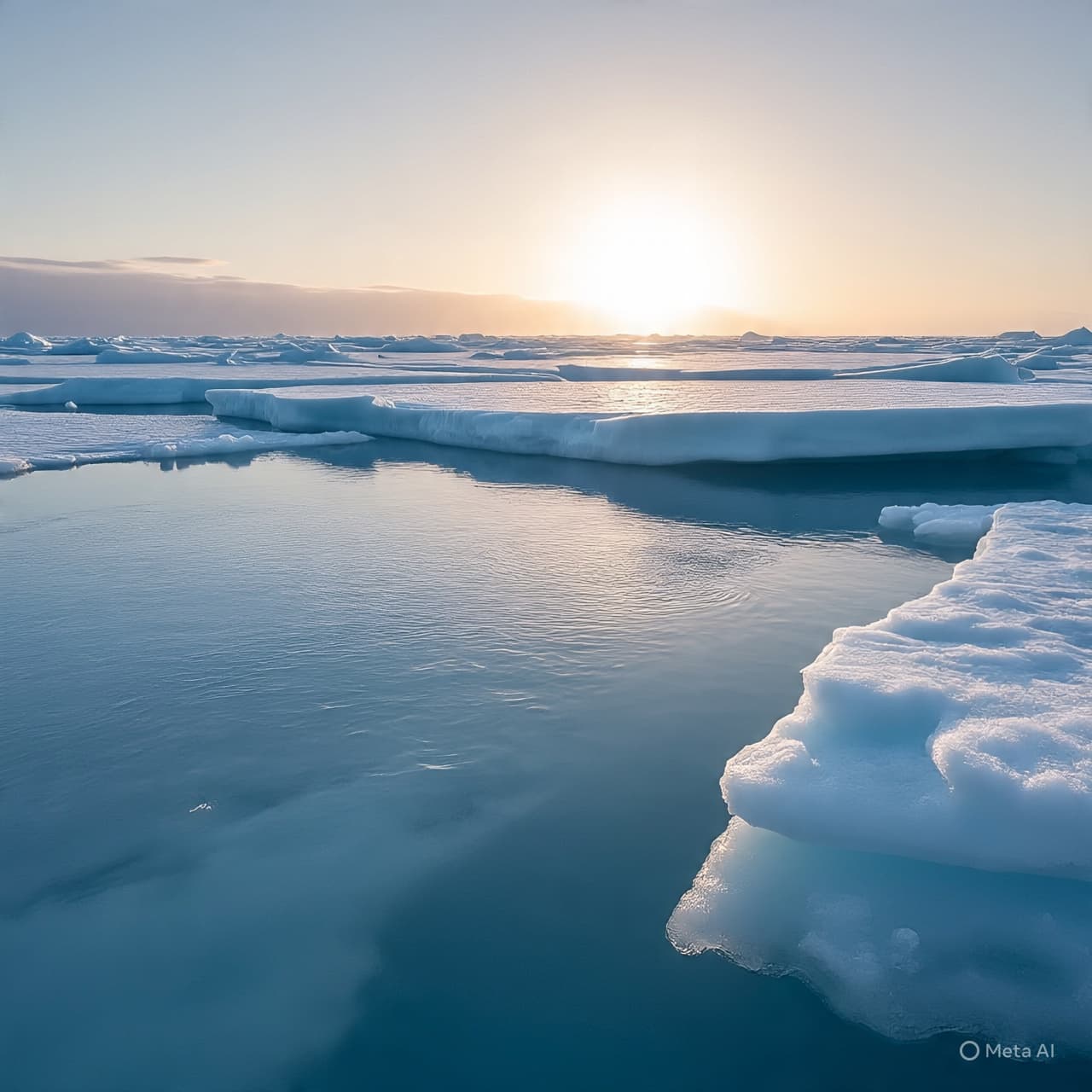
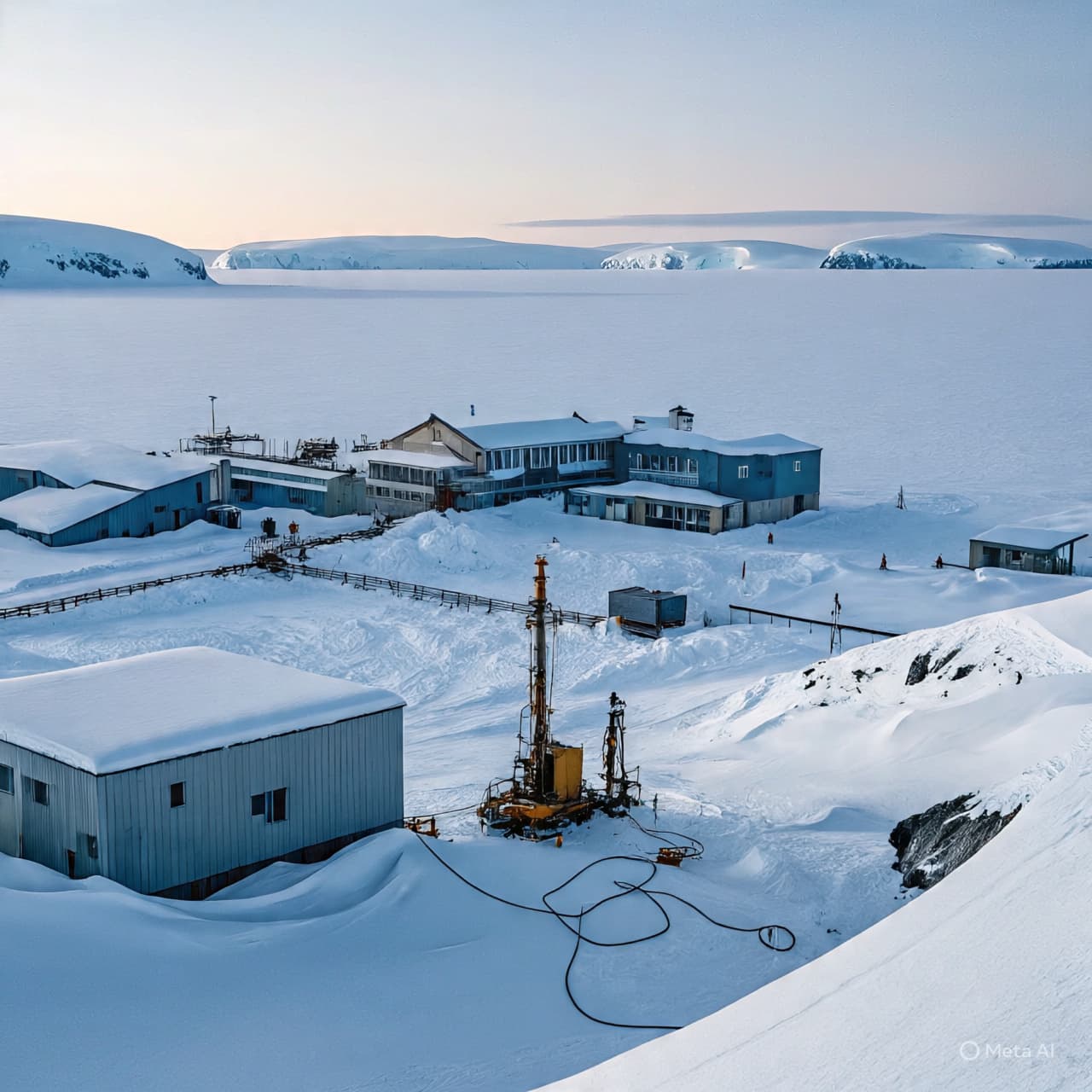
Scientists are exploring a proposal to build an extensive seabed “curtain” around Antarctica’s Thwaites Glacier to slow melting and buy time against sea-level rise.

Scientists are exploring a proposal to build an extensive seabed “curtain” around Antarctica’s Thwaites Glacier to slow melting and buy time against sea-level rise.

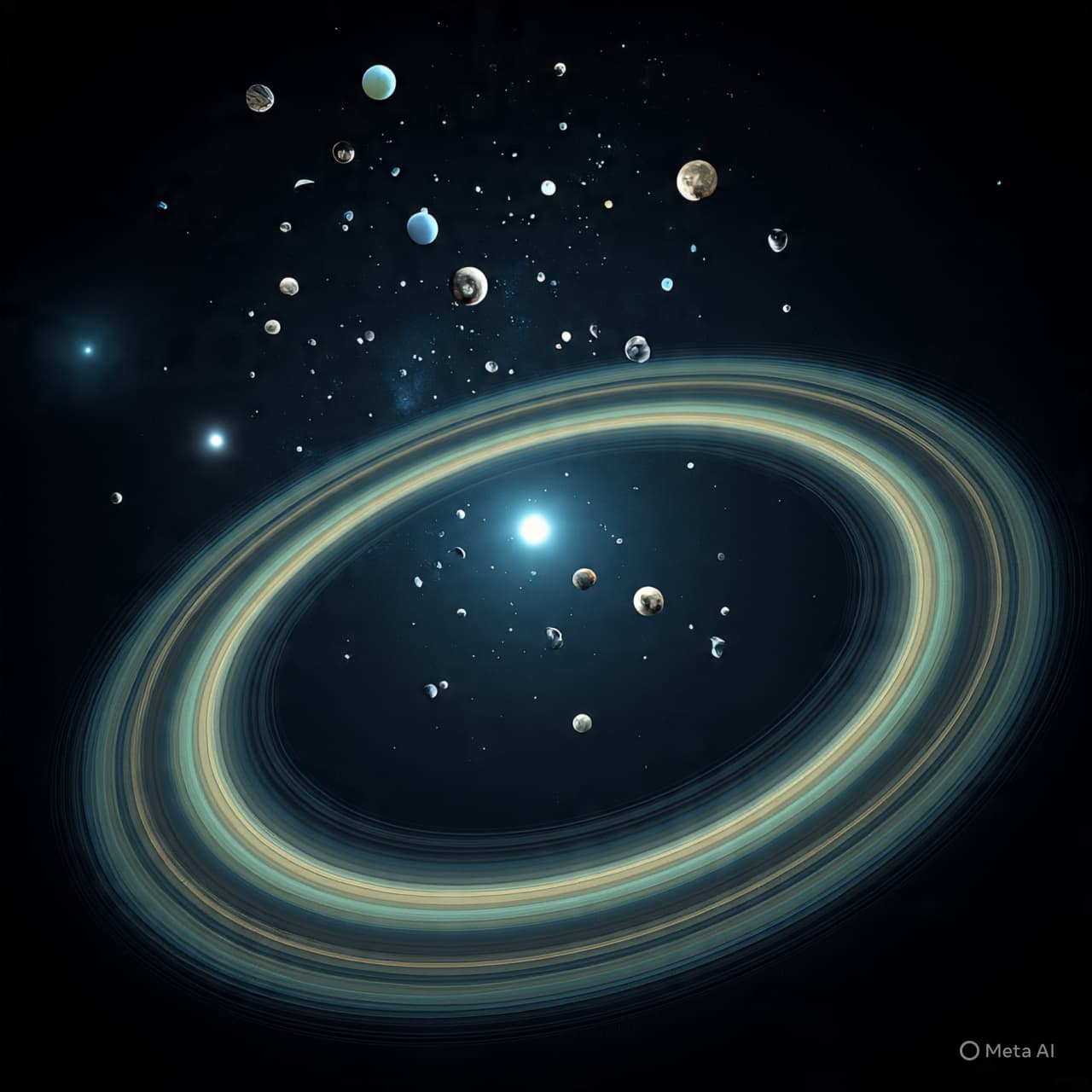
New research suggests Titan formed from a giant collision between ancient Saturnian moons, an event that may also explain the planet’s rings and orbital peculiarities.

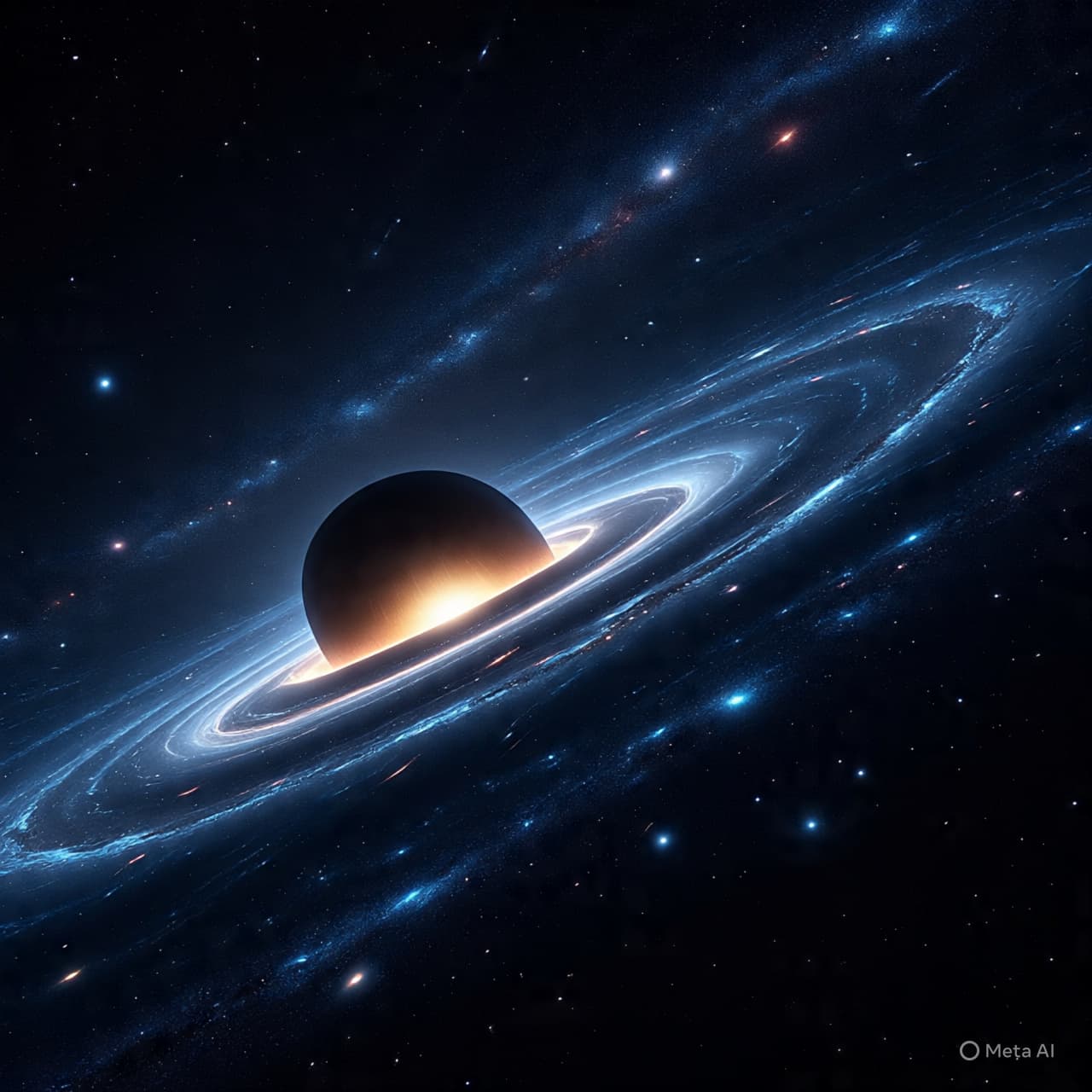
Scientists using gravitational waves and quasar beacons identified two candidate merging supermassive black hole systems named Rohan and Gondor, aiding efforts to map black hole mergers.

Telehealth genetic services significantly increased counseling and testing for adult childhood cancer survivors, enabling personalized care and earlier screening for heightened cancer risks.

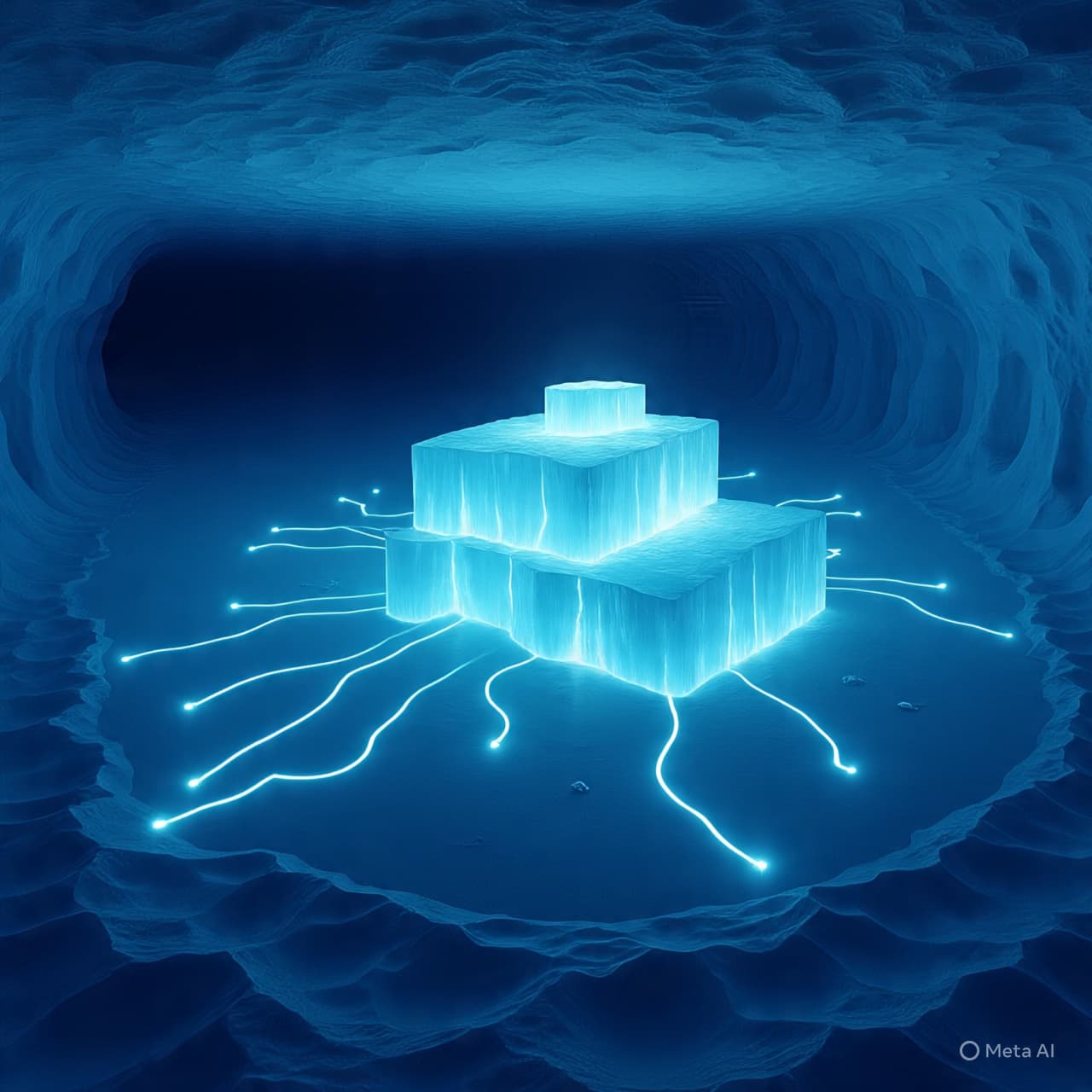
The IceCube neutrino detector in Antarctica is entering a new phase of discovery, with enhanced ability to track cosmic neutrinos and reveal more about the universe’s most energetic phenomena and fundamental physics.

Researchers found that an RNA molecule just 45 bases long can make copies of itself under lab conditions, offering insight into how life’s earliest chemistry may have bridged toward biology.

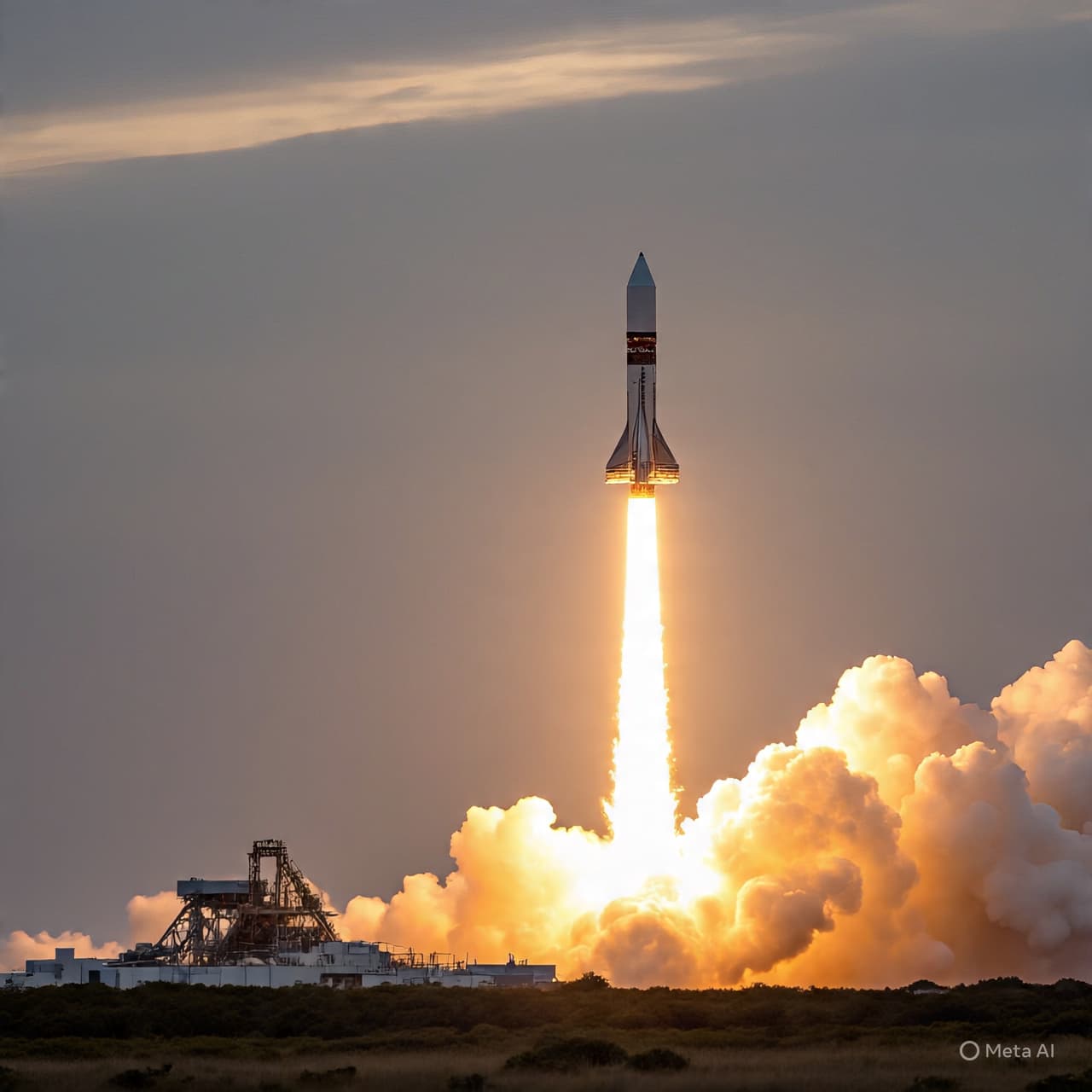
NASA’s Crew‑12 astronauts and engineers complete final training and spacecraft checks ahead of Friday’s launch, balancing precision, teamwork, and wonder as they prepare to journey to the ISS.

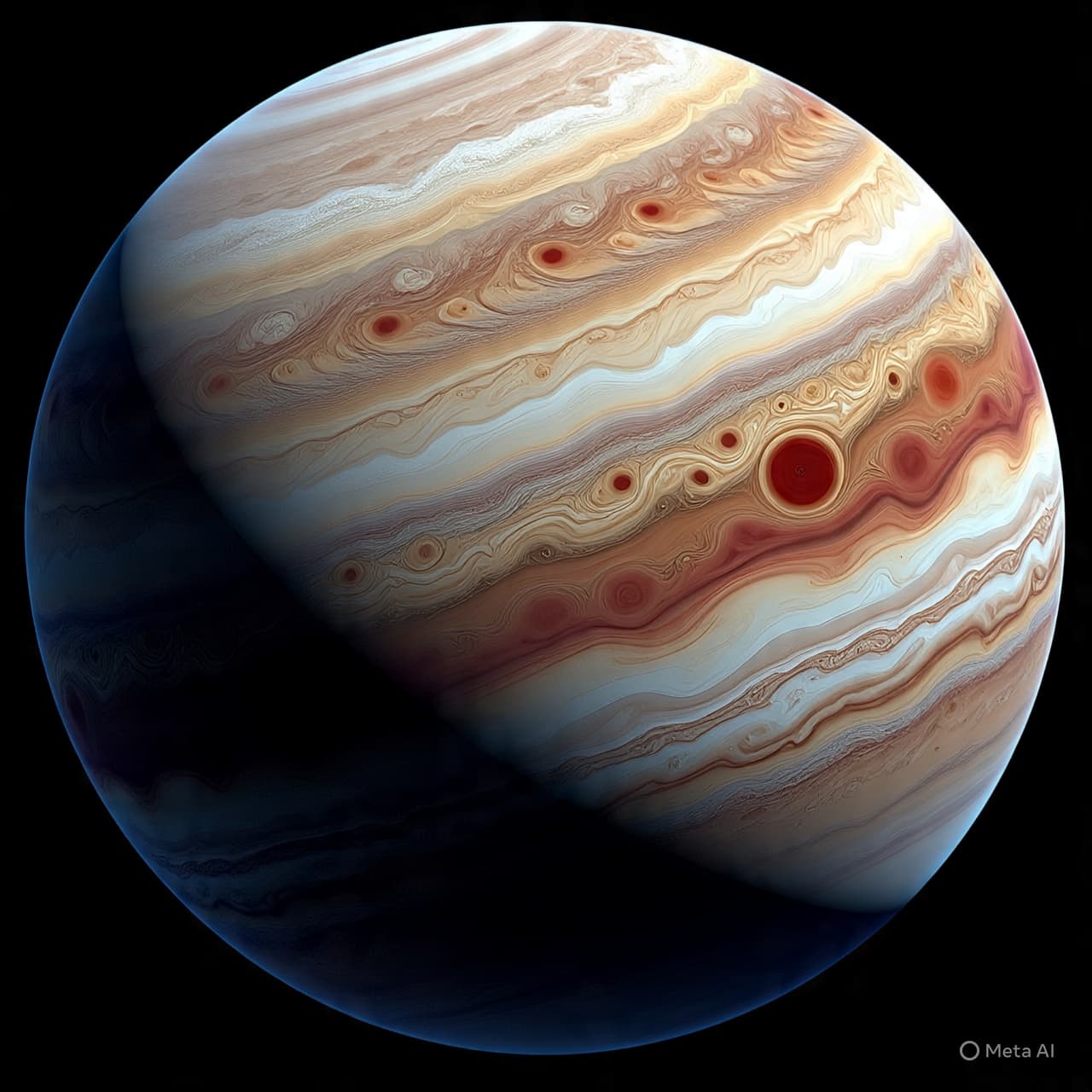
New Juno data shows Jupiter’s size and shape are slightly different than long thought — the gas giant is a bit smaller and more flattened, refining models of its structure.

Fossil and modern wolf teeth show how warming climates push wolves to change diets, eating harder foods and reflecting ecological challenges that may shape their future.

Researchers find that AI‑enabled prosthetic arms feel most like part of the body when they move at natural human‑like speeds, enhancing ownership and usability.

Scientists warn that multiple Earth systems — from coral reefs to ice sheets and forests — are nearing critical climate thresholds, increasing the risk of irreversible warming pathways.

Astronomers have discovered a rocky planet in a distant outer orbit, challenging traditional models that predict gas giants form far from their stars.

The IceCube Neutrino Observatory has added 650 new sensors, enhancing its ability to detect neutrino bursts from supernova explosions and refine cosmic measurements.

The IceCube Neutrino Observatory has added six deep sensor strings in Antarctica to better detect lower-energy neutrinos, expanding its ability to study cosmic events, atmospheric processes, and particle behavior.

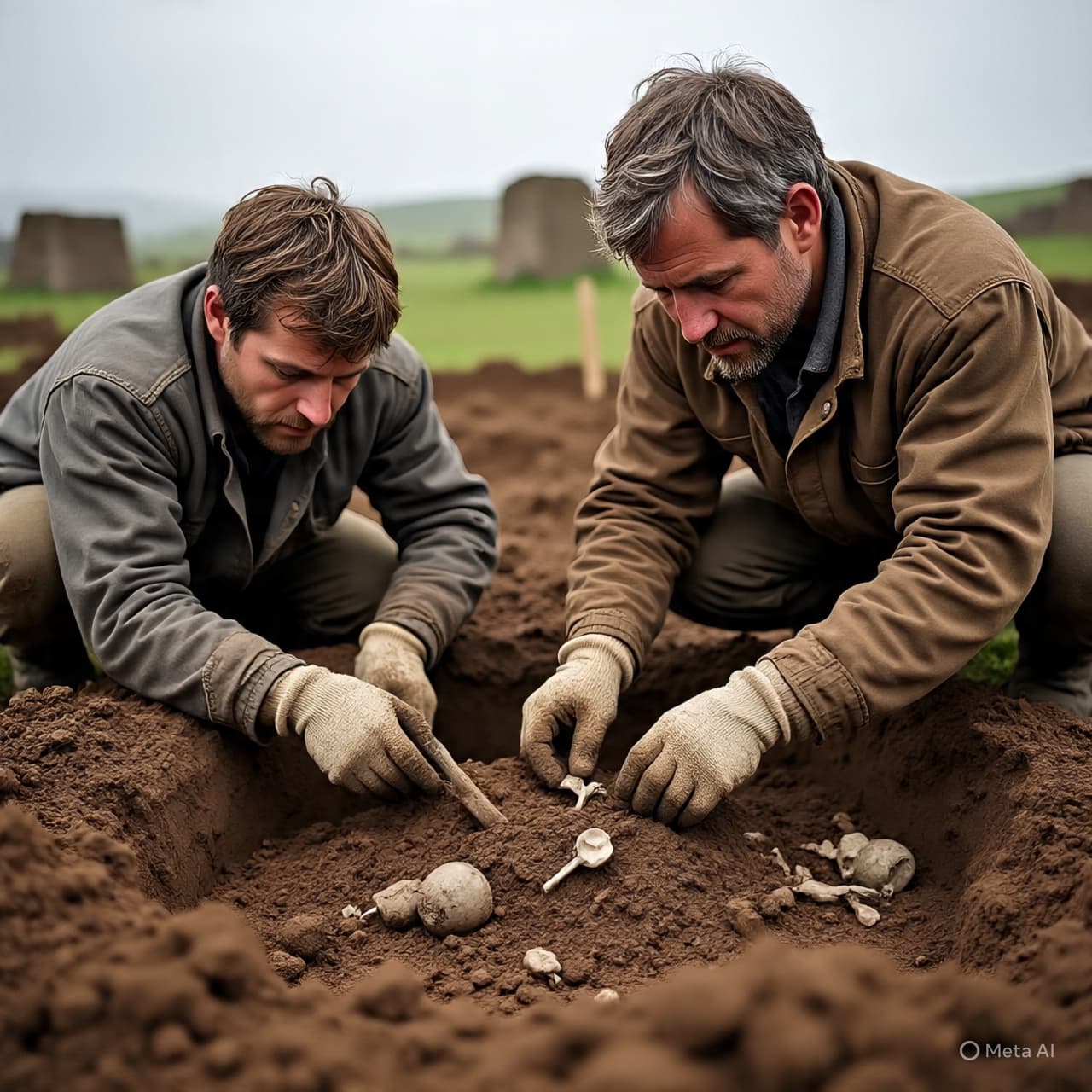
Northern Britain’s oldest human remains, a young female child, revealed by DNA analysis, illuminate early human life in the region.

Scientists reveal that Vietnam’s tooth blackening practices date back to the Iron Age, highlighting cultural continuity.

A 45-base RNA molecule capable of self-replication strengthens the RNA world hypothesis, offering new insight into how life may have first emerged from simple chemistry.

Scientists report a 45-base RNA molecule capable of copying itself in lab conditions, offering new support for theories about life’s earliest molecular beginnings.

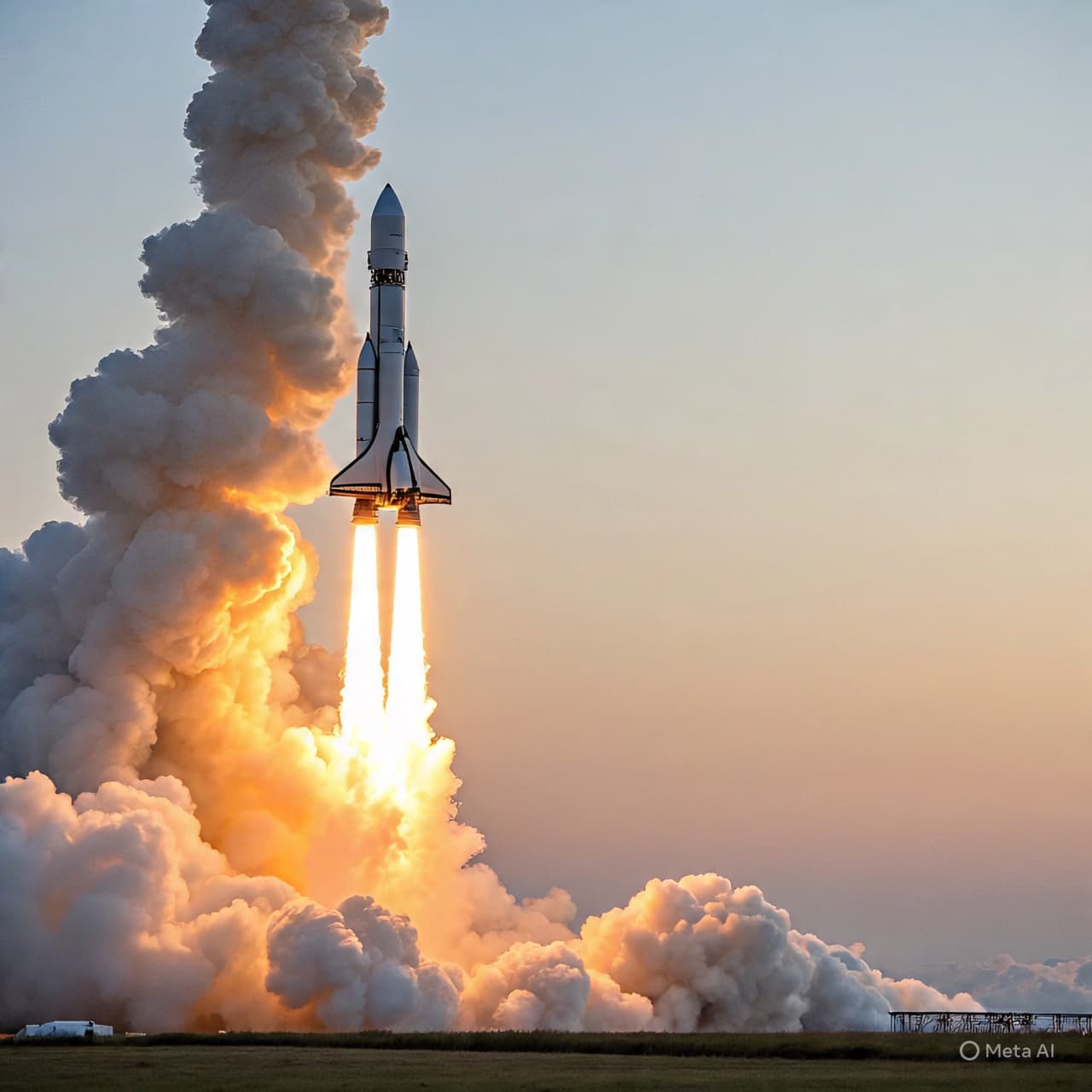
SpaceX Crew-12’s Dragon capsule reached orbit after launch and is heading to the ISS, continuing NASA’s astronaut rotation and ongoing research mission.

Four astronauts launched to the ISS to restore full crew capacity after an earlier crew departure, allowing the station to resume broader scientific work.

NASA and SpaceX launched four astronauts to the International Space Station, restoring full crew capacity after a reduced staffing period and resuming expanded scientific operations.

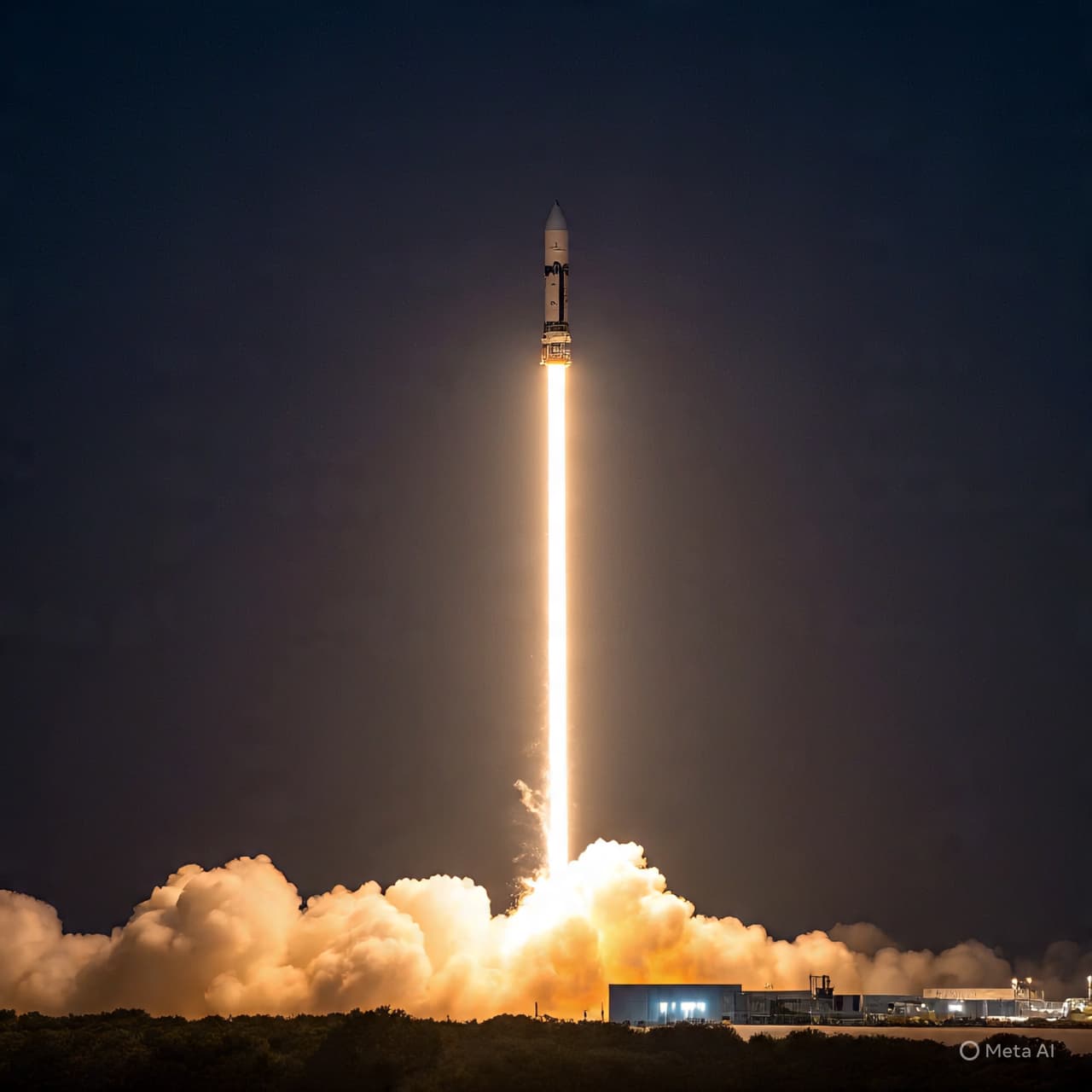
NASA’s SpaceX Crew-12 mission launched successfully to the International Space Station, restoring full crew operations and beginning months of scientific research in orbit.

Astronomers have identified an unusual “inside-out” planetary system where a rocky outer planet orbits beyond gas giants, challenging traditional models of how solar systems form.

Astronomers detected a distant solar system with an unexpected planet order — a rocky world far from its star among gas giants — challenging standard theories of how planets form.