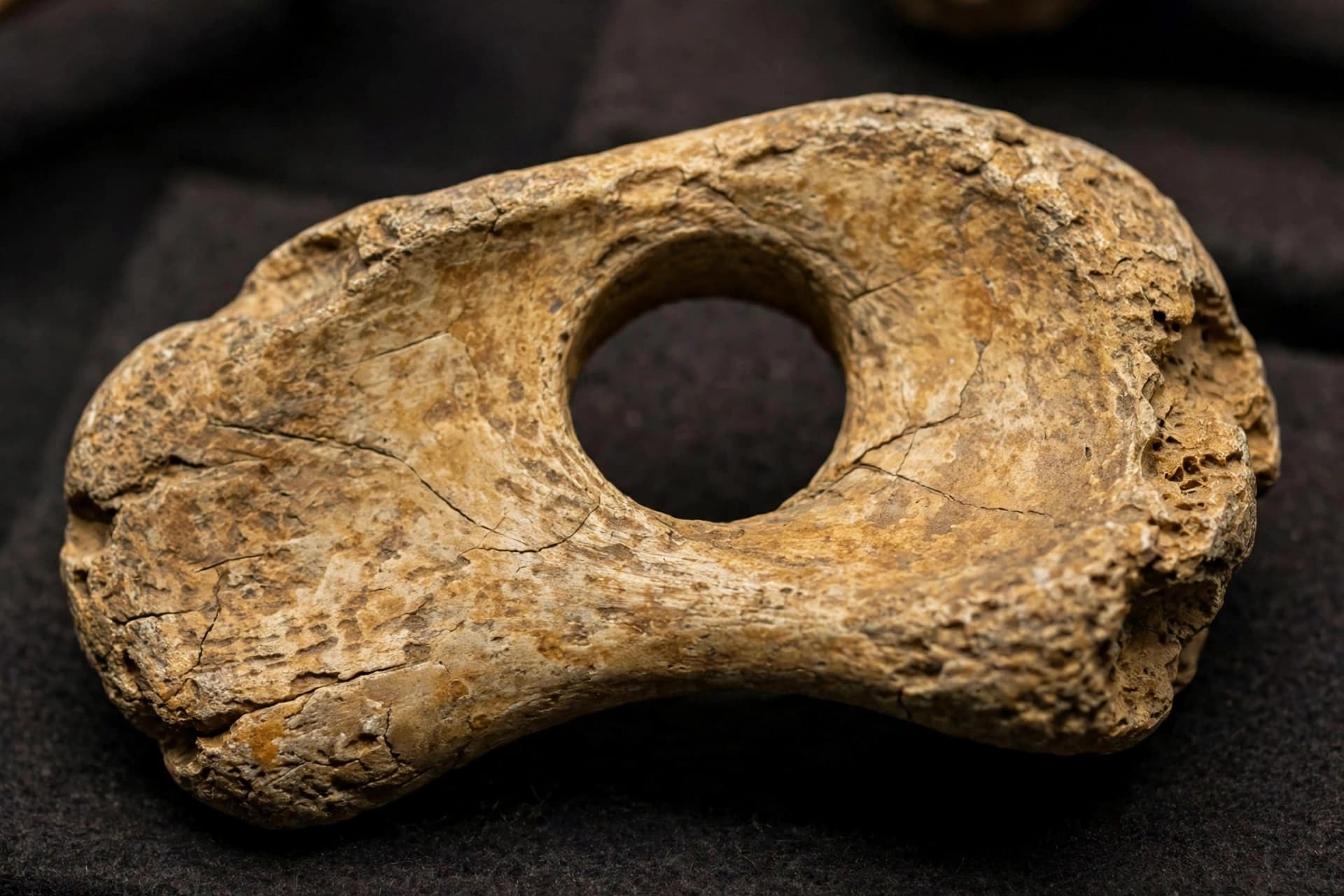
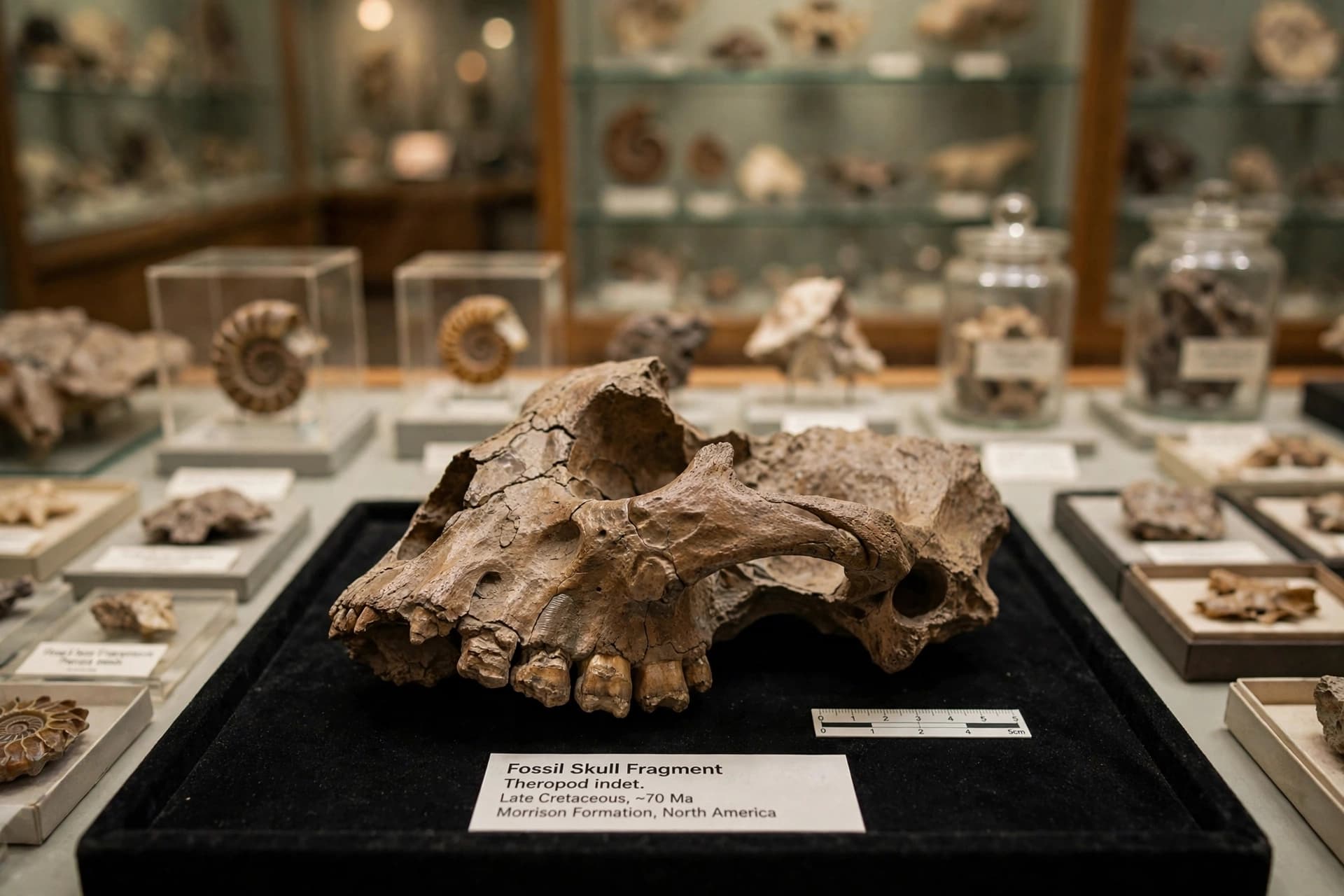
When you imagine a wolf roaming across glacial plains, teeth bared against icy winds, you might also imagine a creature unchanging through time, like a silent sentinel on a frozen threshold. But fossils, those stone‑quiet storytellers, remind us that change — slow, subtle, and often unseen — is as natural as the turning of seasons. Ice Age wolves, long vanished into the folds of time, left behind more than bones: they left lessons etched in enamel about how nature negotiates the shifting rhythms of climate.
In museum collections, scientists gently handle the relics of ancient wolves, their weathered teeth carrying microscopic maps of long‑ago meals. These tiny grooves and pits, created by chewing hard and soft foods, act like daily journals, recording what each animal ate in the final chapters of its life. By comparing these traces from Ice Age wolves with those of wolves alive today, researchers are uncovering a shared pattern — one that echoes across millennia. Wolves that lived in warmer interglacial periods tended to show more wear from harder foods, such as bones, suggesting that when hunting becomes tougher and prey more elusive, survival demands flexibility. Today, in parts of Poland where winters have grown milder and snow cover recedes, modern wolves show similar patterns, nibbling deeper into carcasses than their ancestors did during colder climates.
This connection between climate and diet is more than a curious footnote in paleontology; it reveals the intimate ways ecosystems respond to environmental change. Wolves thrive when snow blankets the land, slowing prey and offering hunters the advantage of deep tracks and hidden trails. In colder epochs, deer and other herbivores were more vulnerable, and wolves could depend on the soft yield of flesh. Yet as the world warms, the balance shifts: prey becomes swifter and stronger, snow no longer provides its ancient assists, and wolves may have to make do with every edible part they can find. This subtle dietary adjustment speaks not of weakness, but of resilience and ingenuity, as these predators find ways to persist even as familiar rhythms are disrupted.
Still, adaptation has its limits, and modern climate change moves at a pace that outstrips many natural rhythms. While some wolf populations may find new feeding niches — hunting edge environments, scavenging near human‑altered landscapes, or targeting alternate prey — others, especially in remote habitats, may face steeper challenges. Conservation efforts that take account of changing snow cover and shifting ecosystems could make the difference between decline and survival. In this gentle interplay of past and present, the story of wolves offers a reflection not only on nature’s capacity for adjustment, but also on the delicate stewardship required in a warming world.
AI Image Disclaimer Graphics are AI‑generated and intended for representation, not reality.
Sources Natural History Museum Phys.org EurekAlert! University of Bristol research in Ecology Letters Canadian Museum of Nature historical research context
Published by Banx Network. This article is part of the Banx decentralized media programme, powered by the BXE token on the XRP Ledger.