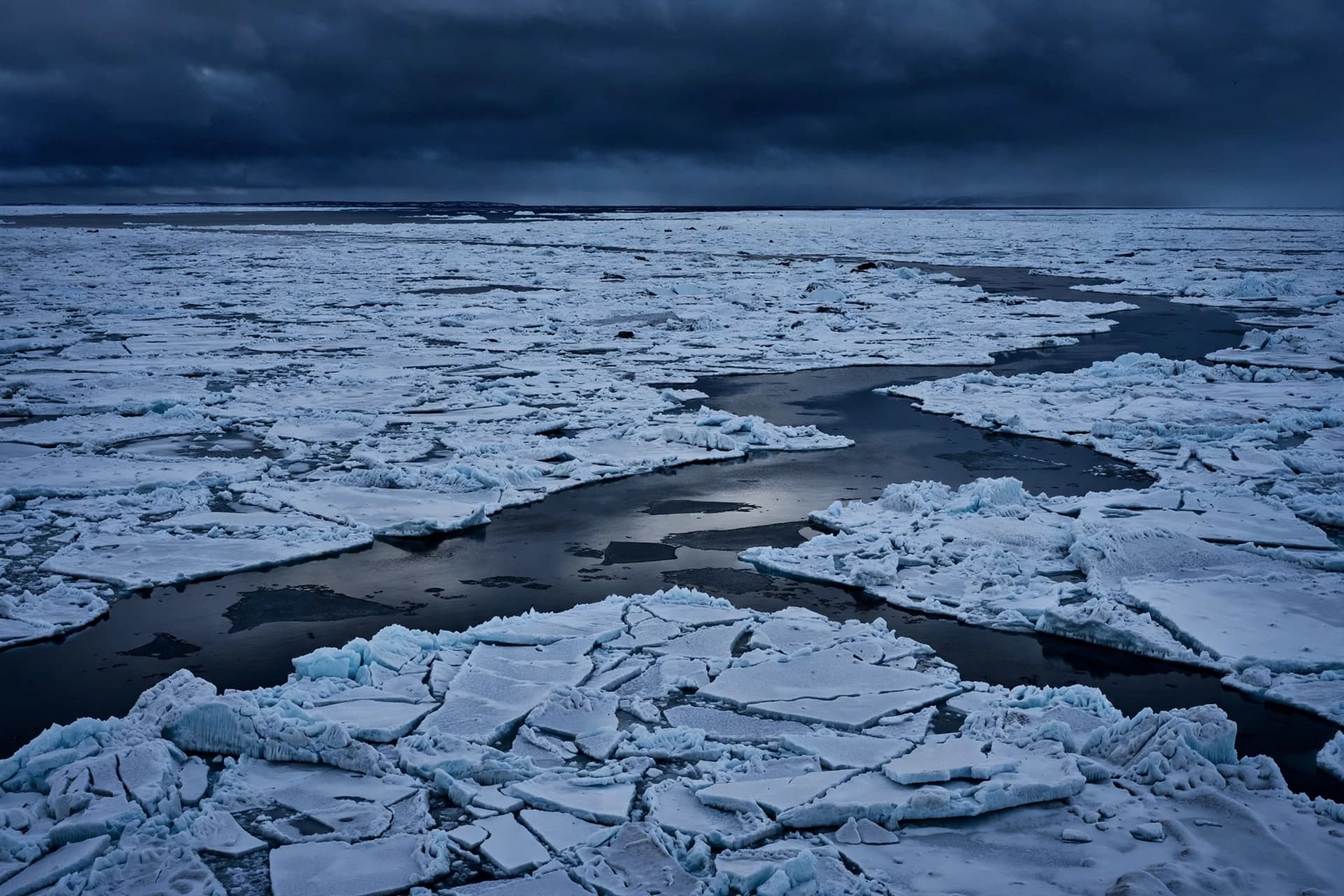
In the early hours before sunrise, when the world still carries yesterday’s memory in its quiet shadows, there’s a gentle stir in the Earth’s climate narrative — like the subtle stretching of roots beneath soil. We have grown used to warmth and cool breezes and the rhythm of seasons, a cadence that once felt eternal. Yet, scientists now talk of thresholds in the climate system — invisible lines etched in complex natural processes — that, if crossed, could nudge the Earth toward a state far warmer and less familiar than the stable world that cradled human civilization. These are known as tipping points, and they whisper of change not as a distant possibility but as a pressing reality.
In the quiet language of data and models, climate researchers describe systems that have long helped regulate the planet: ice sheets that reflect sunlight, tropical forests that breathe in carbon, coral reefs that anchor marine diversity, and great ocean currents that ferry heat around the globe. Like pillars holding up a vast hall of interconnected systems, these elements work in harmony to keep global temperatures in a range hospitable to life. But when warming tips certain elements beyond their thresholds — whether the reef systems of the tropics or the ice sheets of Greenland and Antarctica — the balance begins to shift. Feedback loops, once gentle and seasonal, grow stronger and more persistent, nudging Earth toward a warmer state that some scientists describe as a “hothouse” world, where self‑reinforcing changes deepen and accelerate.
Recent studies suggest the world’s tropical coral reefs, once vibrant with color and life, have already crossed a critical tipping point as ocean temperatures climb. These ecosystems now face widespread die‑off, a visible marker of the kind of change that was once theoretical. The loss of these reefs does more than diminish underwater beauty; it loosens a thread in the wider fabric of ecosystems that billions of people depend upon for food, coastal protection, and cultural identity. Scientists point out that other systems — the Amazon rainforest, permafrost soils rich in carbon, and the vast ocean current known as the Atlantic Meridional Overturning Circulation — are nearing thresholds that, if passed, could unleash further changes with far‑reaching effects.
While there remains uncertainty about the exact timing and sequence of these potential shifts, researchers warn that current global warming trends — with temperatures already exceeding 1.5°C above pre‑industrial levels — are edging closer to the conditions under which these critical points become more likely. Every fraction of additional warming increases the risk of amplifying feedback loops that reinforce warming and make the climate’s response more difficult to slow or reverse. Yet, the picture is not solely one of inevitability. Emissions can still be reduced, and every measure of restraint matters, because slowing warming makes these thresholds less likely to be crossed soon.
In the gentle twilight of awareness and action, it is worth remembering that understanding these tipping points isn’t about surrendering to fate but about recognizing the fragile interconnectedness of Earth’s systems. This understanding invites urgency — thoughtful, informed, and measured — rather than panic. It is a reminder that the climate story is not just one of shifting numbers, but of a shared world whose future remains shaped by choices made today.
AI Image Disclaimer Images in this article are AI‑generated illustrations, meant for concept only.
Sources Euronews climate coverage on “hothouse” Earth risk Science News reporting on coral tipping point The Daily Star / AFP on planetary tipping point reached Copernicus Earth System Dynamics academic research The Guardian climate reporting
Published by Banx Network. This article is part of the Banx decentralized media programme, powered by the BXE token on the XRP Ledger.