
SCIENCE0% credibility
What Did Earthrise Teach Us—and What Might We See Next?
NASA’s new lunar missions aim to revisit the perspective first revealed by Earthrise, potentially offering renewed insight into Earth’s fragility and unity.
2 min read

NASA’s new lunar missions aim to revisit the perspective first revealed by Earthrise, potentially offering renewed insight into Earth’s fragility and unity.

A Starlink satellite fragmented into multiple objects in orbit, prompting investigation into possible causes and raising concerns about space debris and satellite reliability.
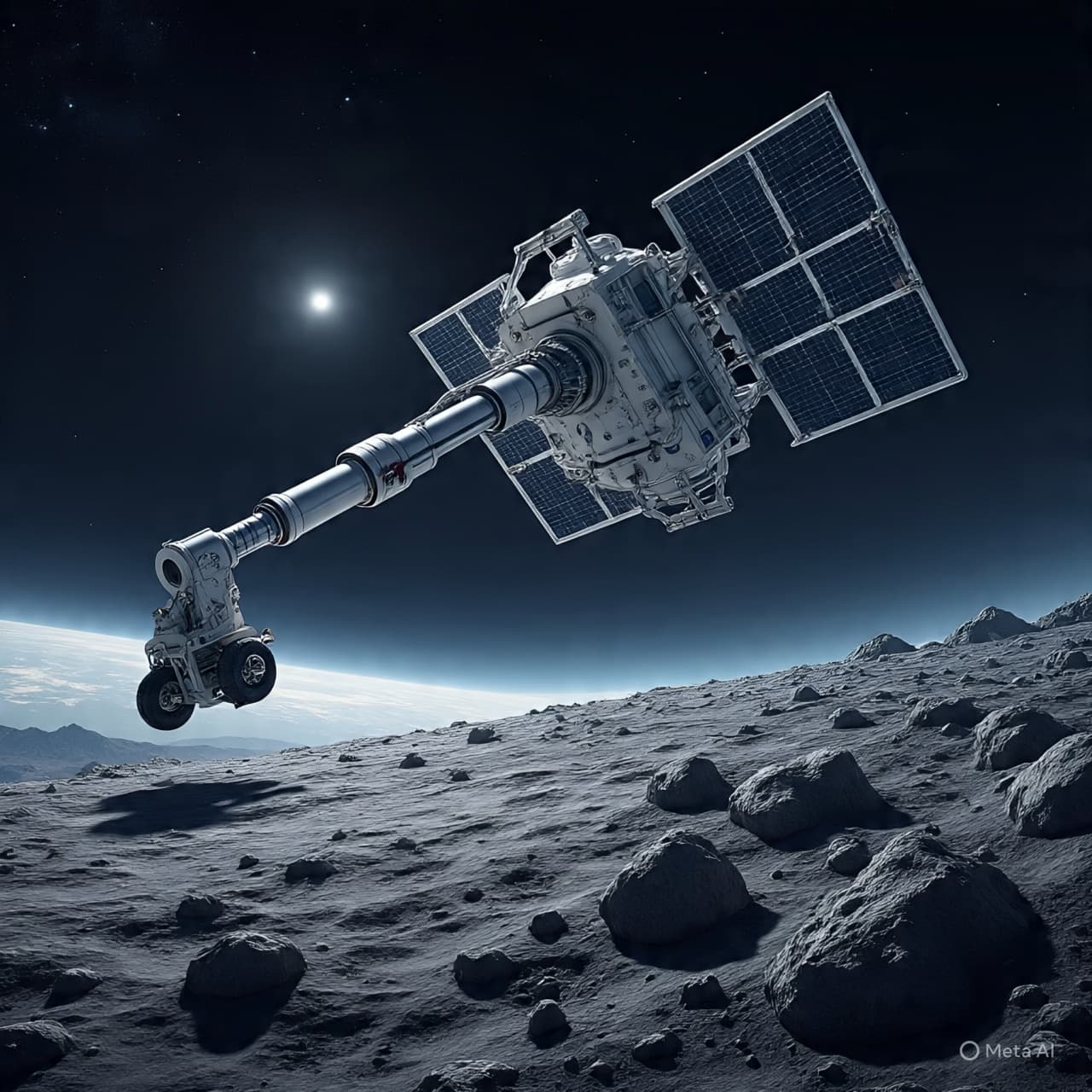
NASA’s Bennu samples reveal unexpected chemical anomalies, suggesting new insights into early solar system processes and possibly the origins of organic compounds

Artemis II nears launch as NASA monitors systems and weather conditions. The mission marks a key step toward returning astronauts beyond Earth orbit.

April’s Pink Moon will rise this week, marking a seasonal shift. Though not actually pink, it reflects spring traditions and offers a calm, familiar celestial moment.

An interstellar comet, 3I/ATLAS, may be up to 12 billion years old, offering rare insight into the early Milky Way and possibly originating from a star system that no longer exists.
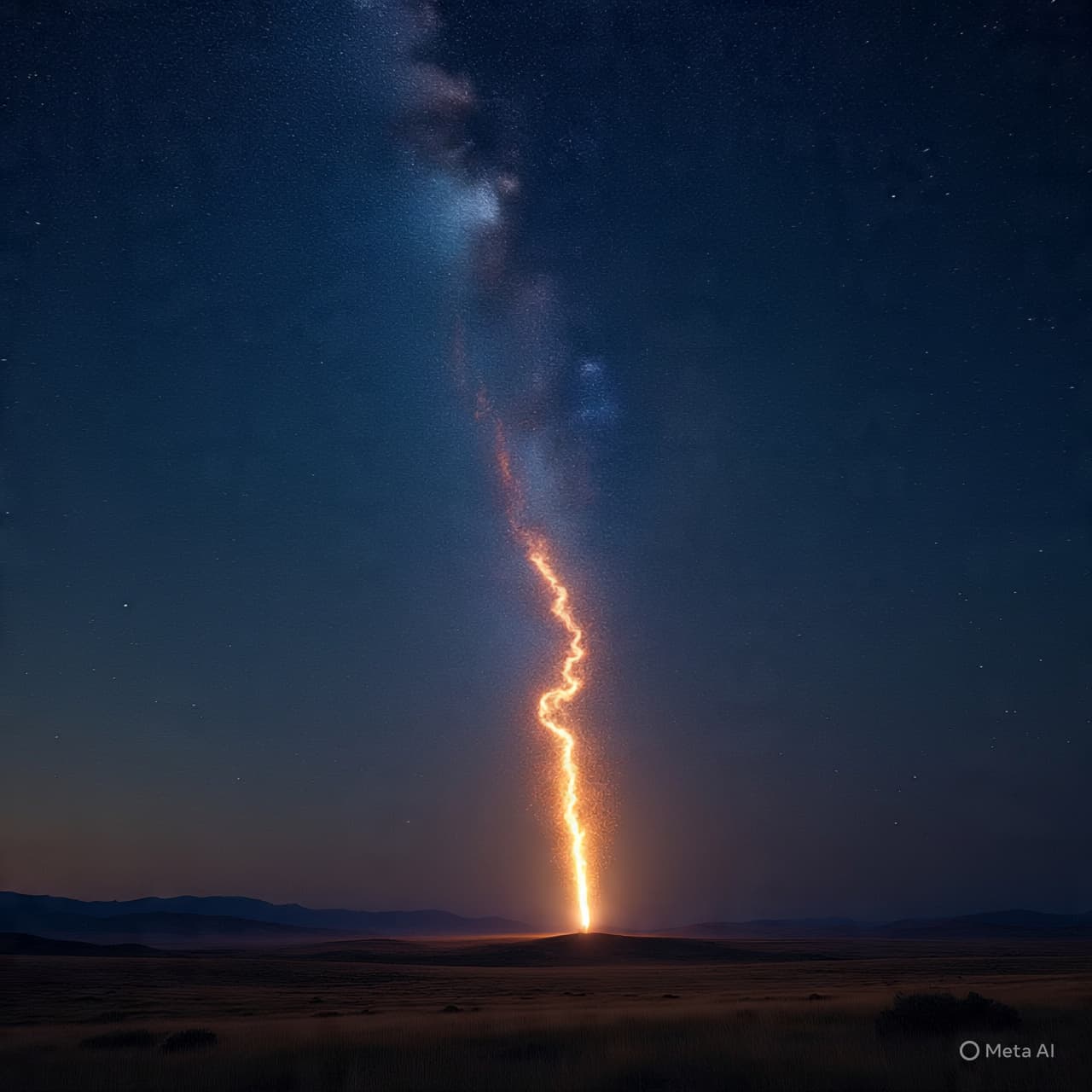
Fireball season marks the time of year when bright meteors peak, offering increased chances to see sudden, brilliant streaks caused by space debris entering Earth’s atmosphere.
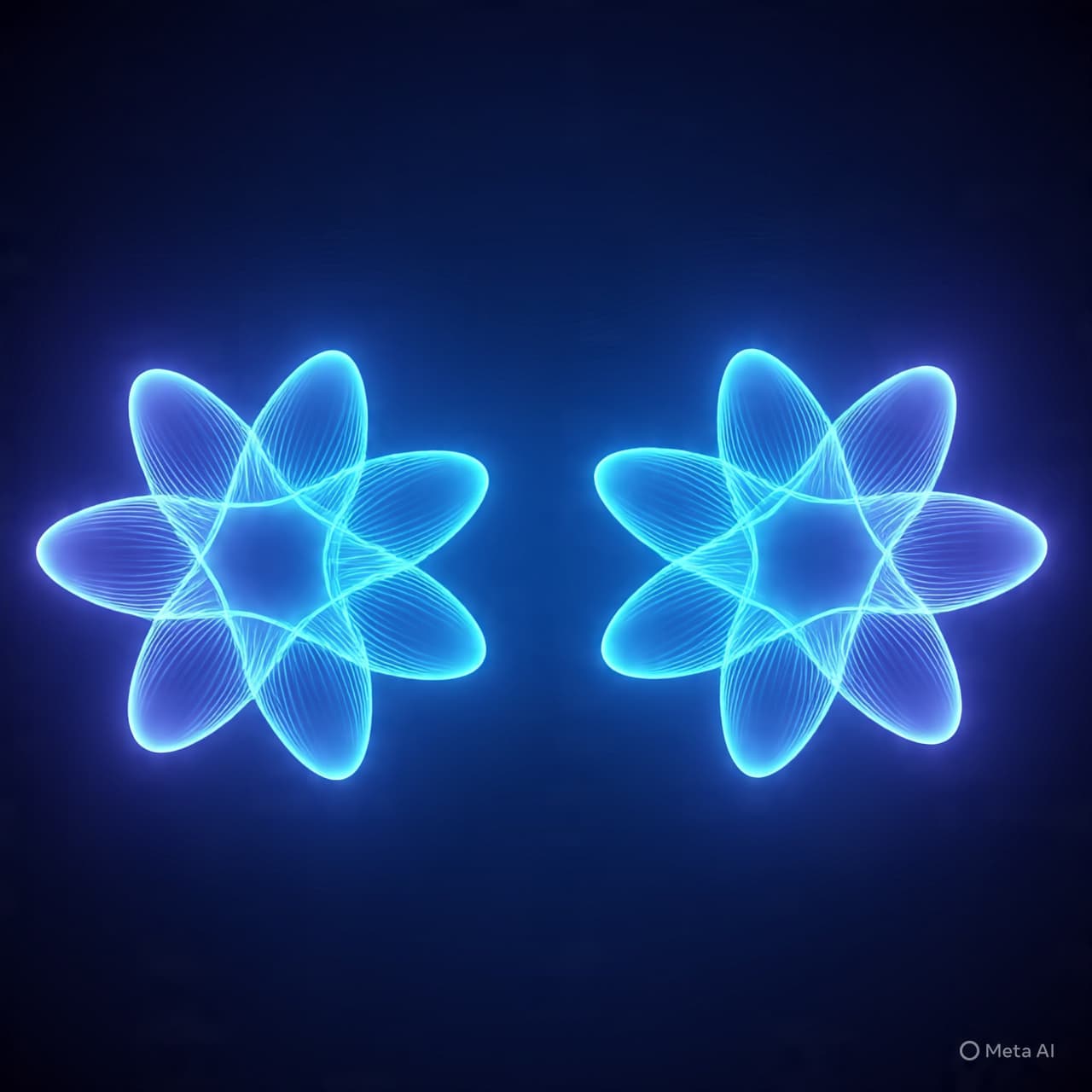
Scientists observed pairs of atoms existing in two places at once, confirming quantum superposition at a new level and advancing research in quantum physics and computing.
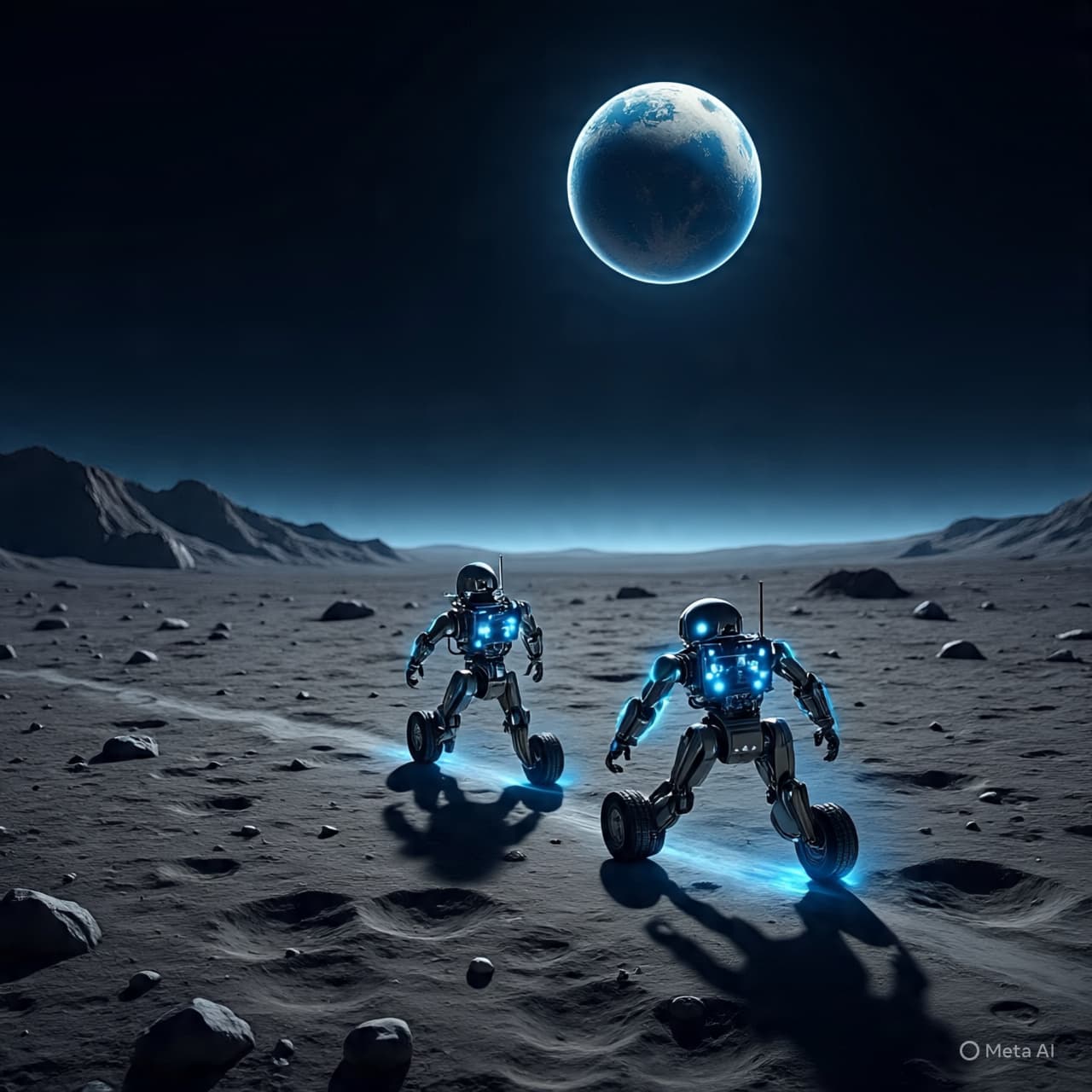
Legged robots could improve exploration on the Moon and Mars by navigating rough terrain, helping scientists search for resources and signs of life more efficiently.

Scientists found that lab gloves may contain microplastics straight from packaging, highlighting challenges in measuring contamination in research environments.
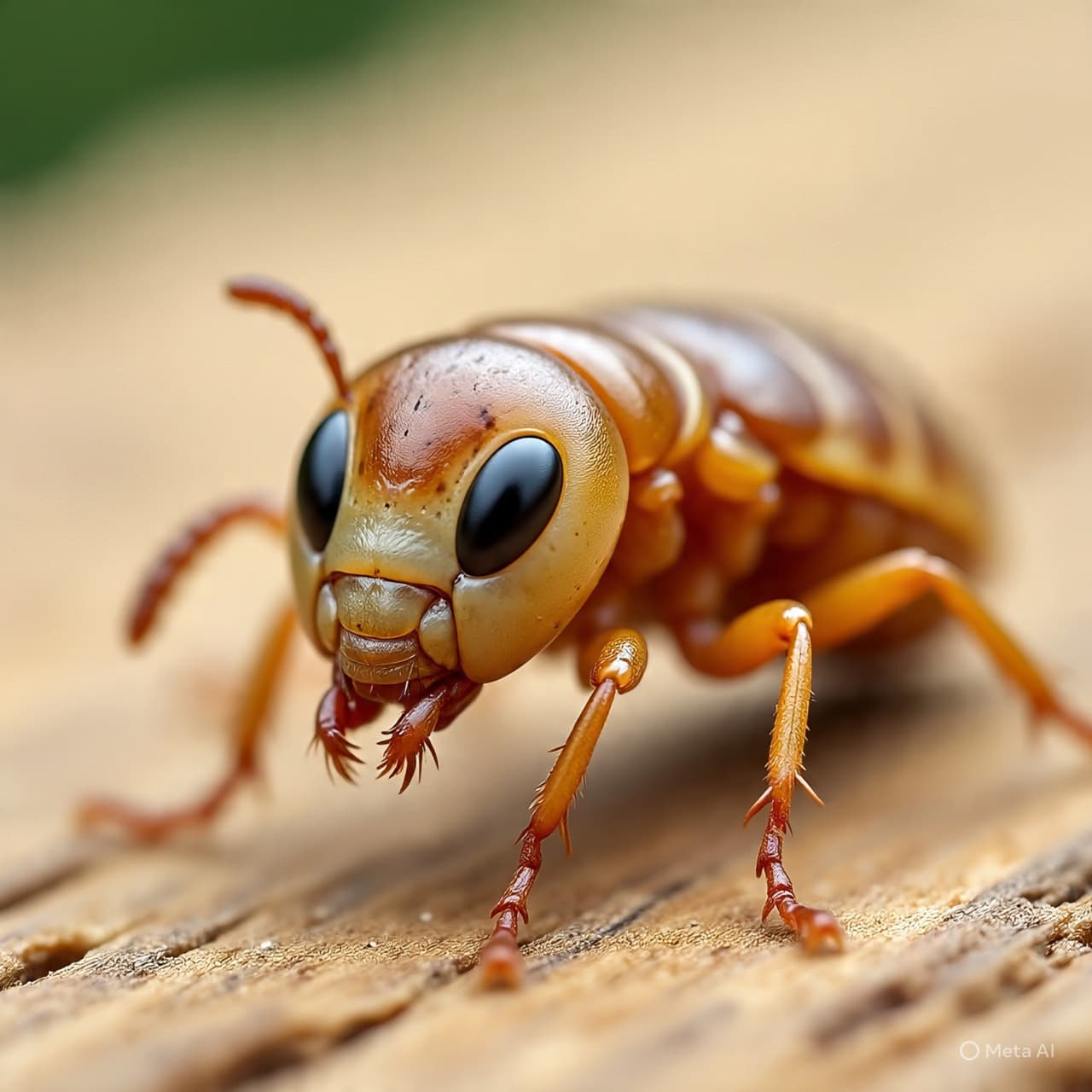
Scientists discovered a termite species with a head resembling a sperm whale, likely adapted for defense, highlighting evolution’s creativity and the vast unknown diversity of life.

New lakes forming on Greenland’s ice sheet are accelerating glacier movement by lubricating their base, contributing to faster ice loss and rising global sea levels.
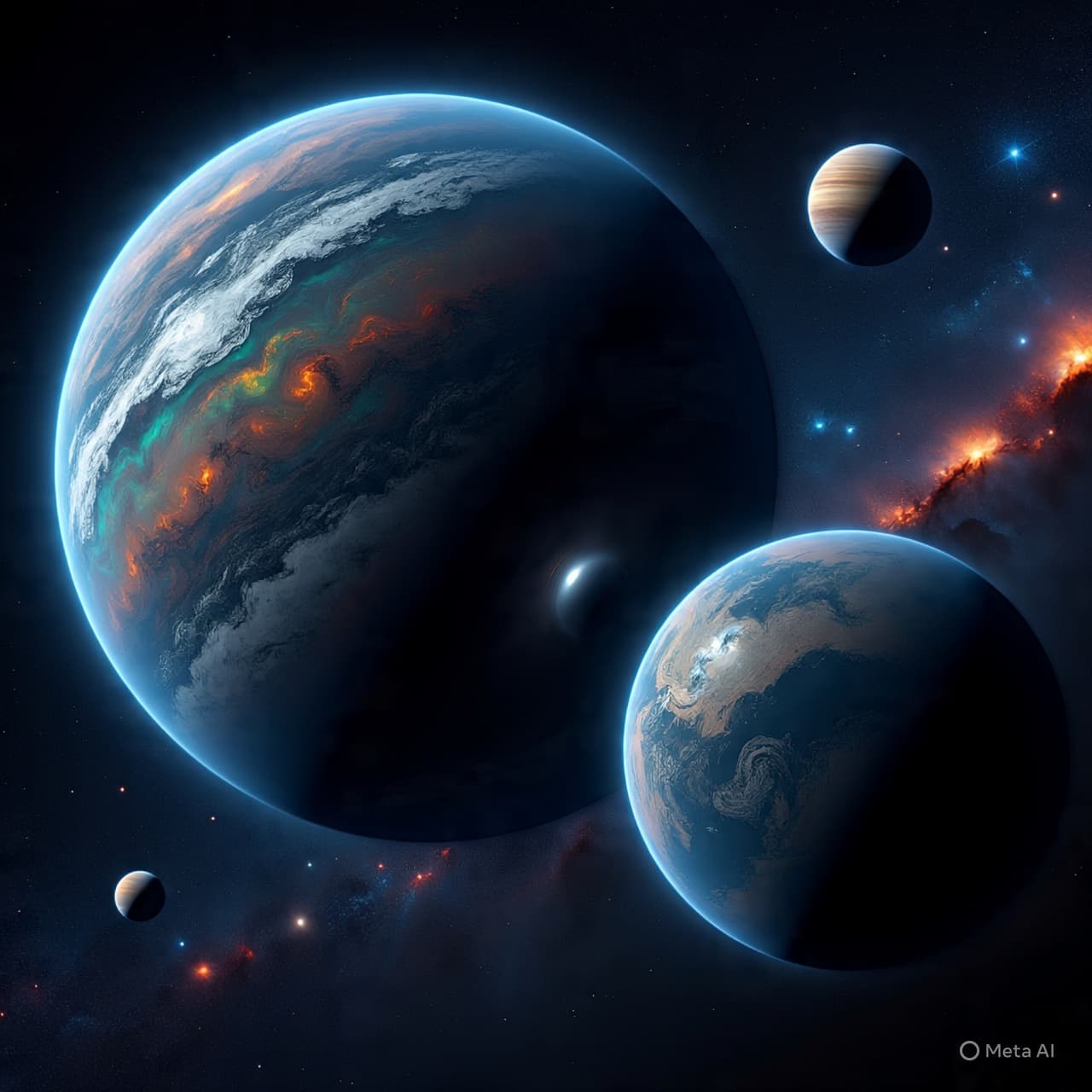
Astronomers discovered an unusual “inside-out” planetary system where large planets orbit close to the star, challenging traditional models of planetary formation and suggesting more diverse cosmic structures.
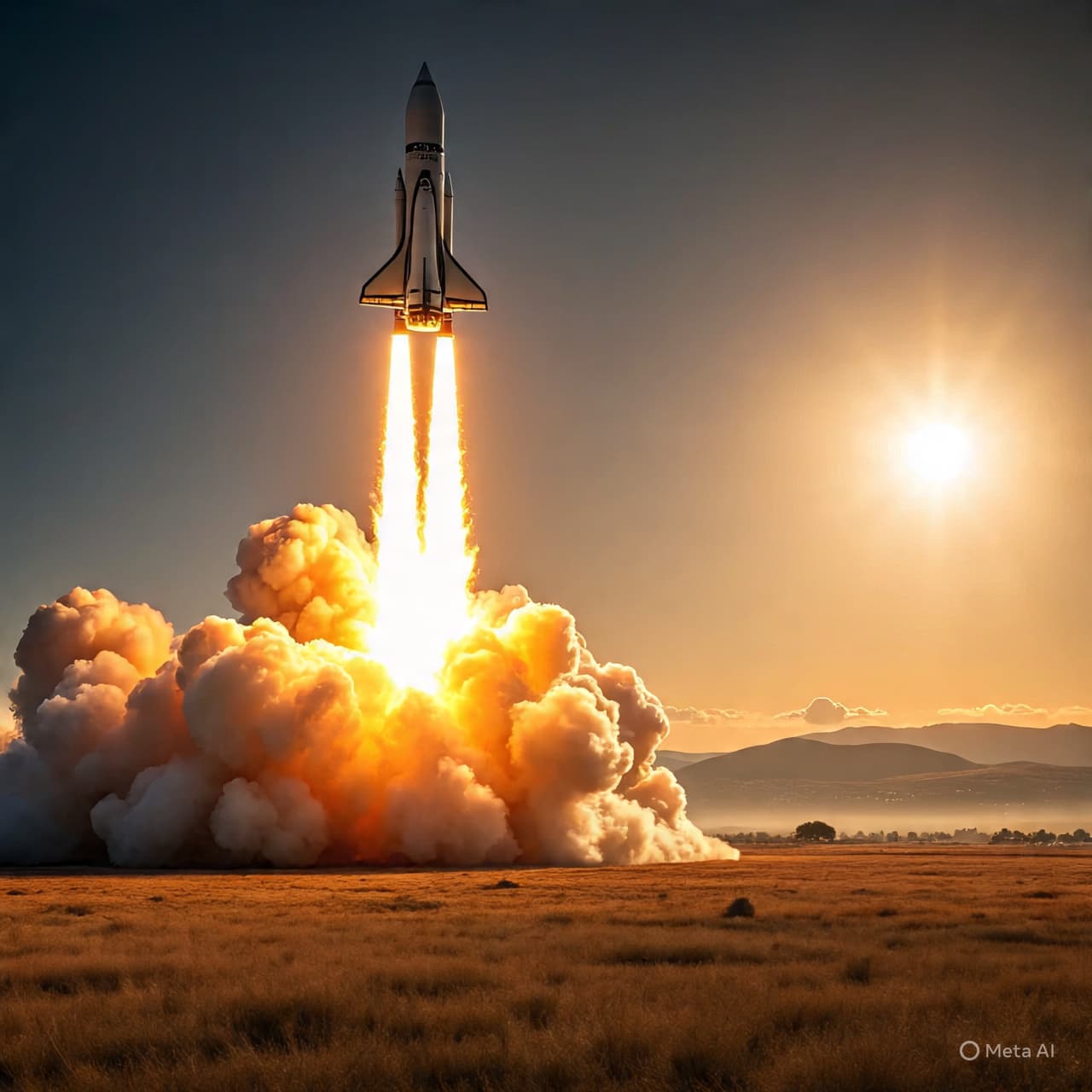
Photos of Artemis II launch capture the dramatic liftoff from Kennedy Space Center, illustrating both technical precision and the emotional weight of modern space exploration.
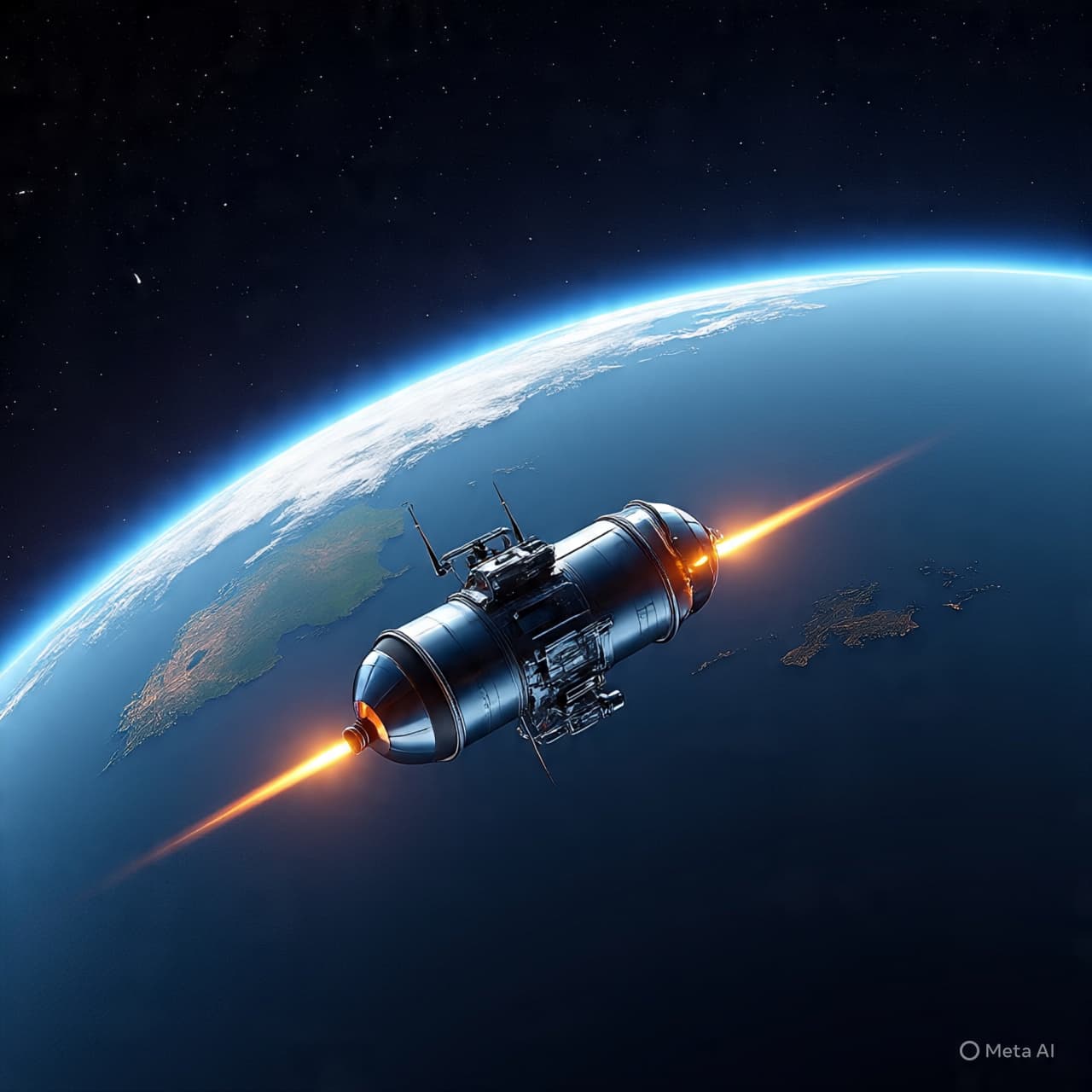
Artemis II spacecraft now orbits Earth following launch, allowing system checks before its crewed mission to the Moon, marking a major step in renewed human deep-space exploration.
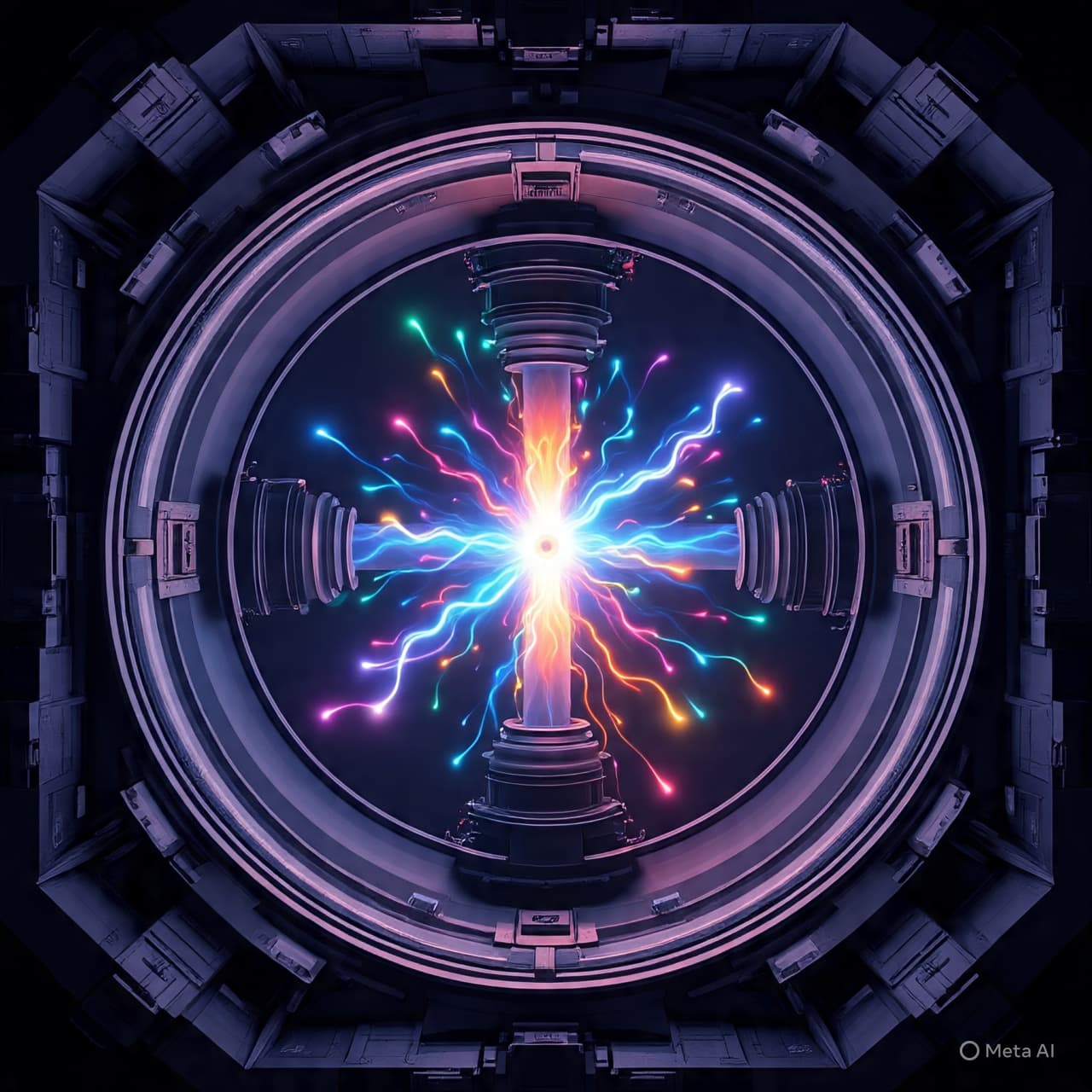
Physicists have resolved a long-standing fusion inconsistency, refining particle interaction models and improving understanding of plasma behavior, marking progress toward practical fusion energy.

Scientists warn current methods may underestimate microplastics, as smaller particles and inconsistent techniques leave gaps in environmental data.

A Starlink satellite has broken apart into multiple pieces following an anomaly, raising concerns about space debris and orbital safety.
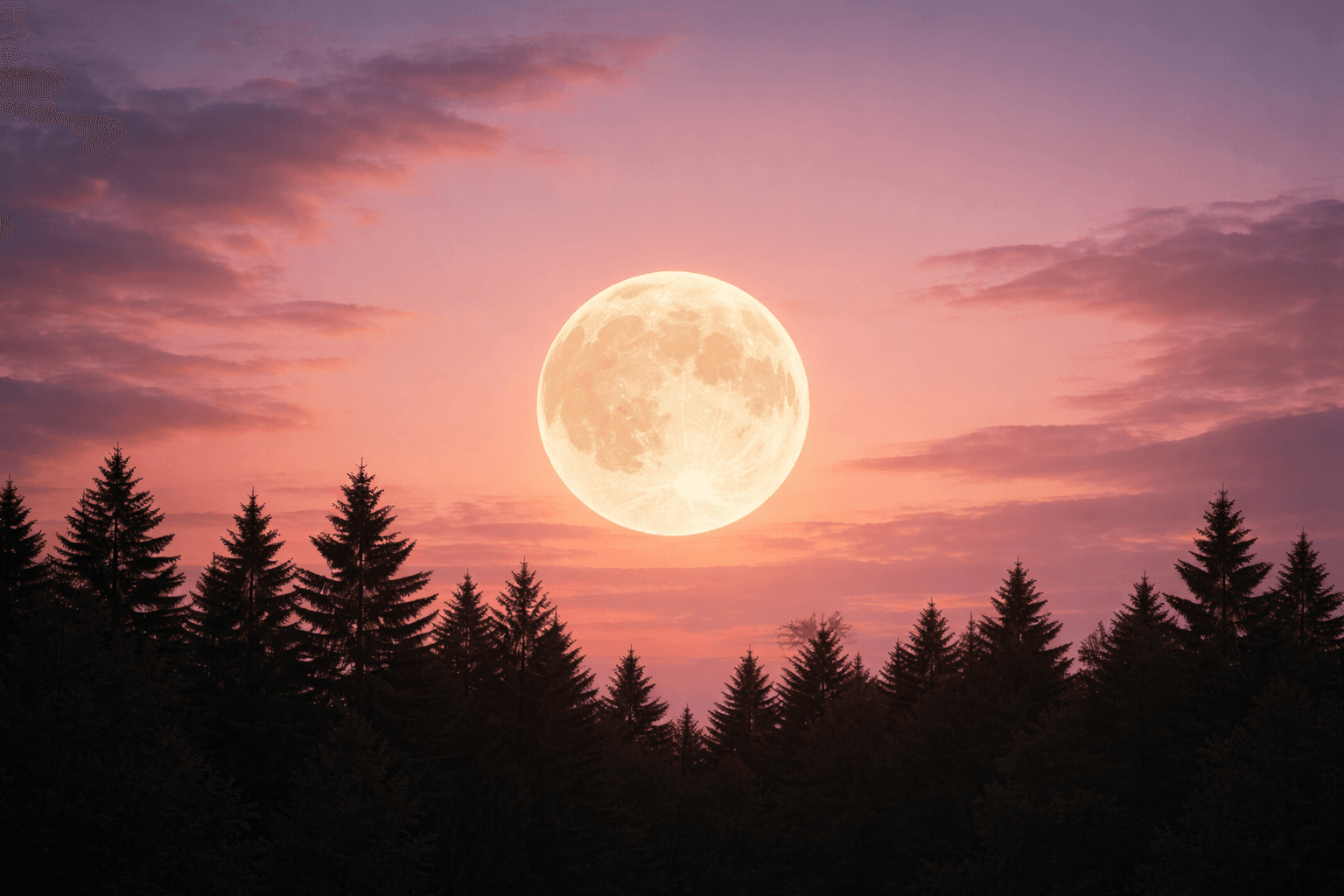
April’s full “Pink Moon” will rise this week, marking a seasonal spring event and offering a bright, easily visible lunar display.
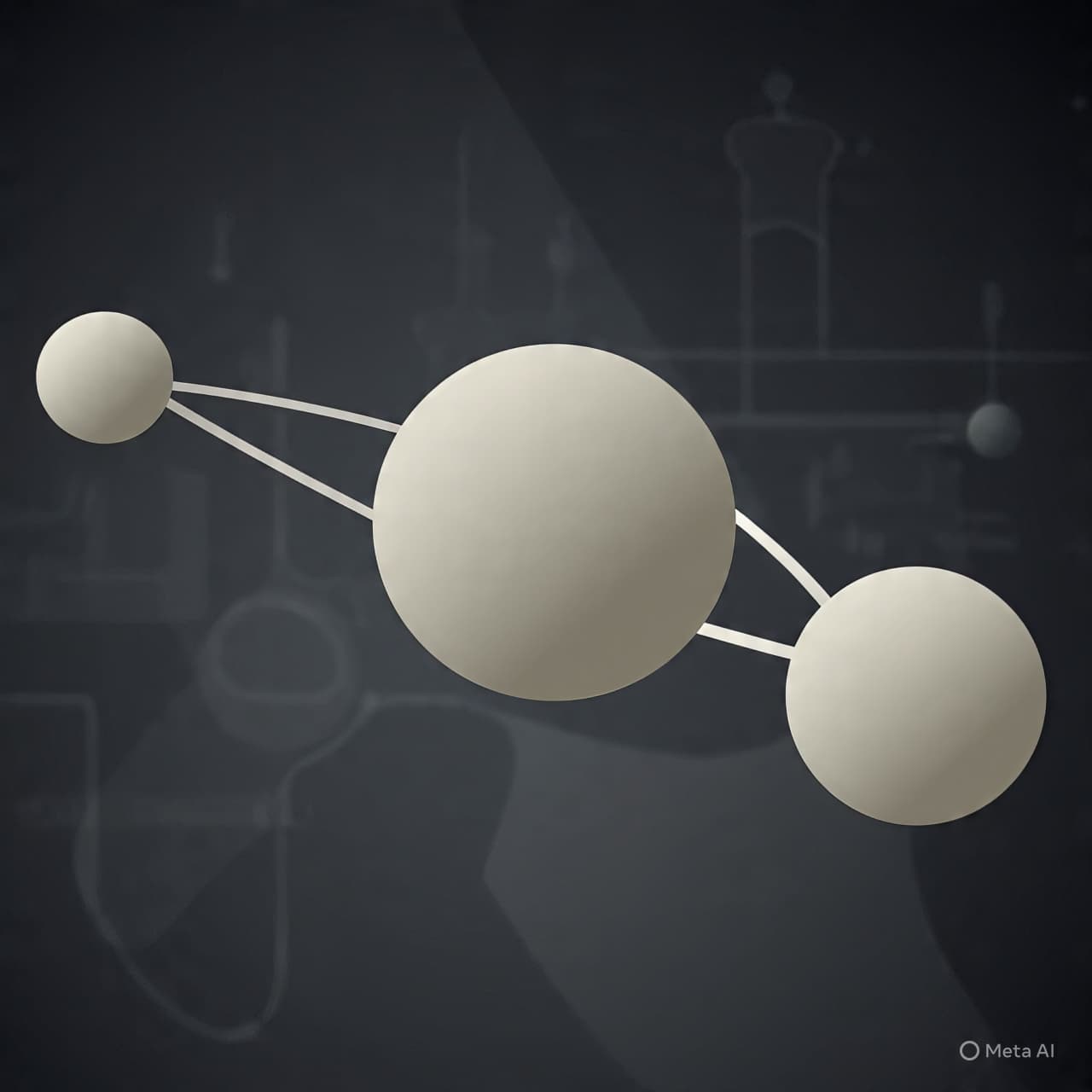
ANU physicists have shown helium atom pairs existing in a shared quantum state across two places at once, advancing tests of quantum mechanics and gravity.
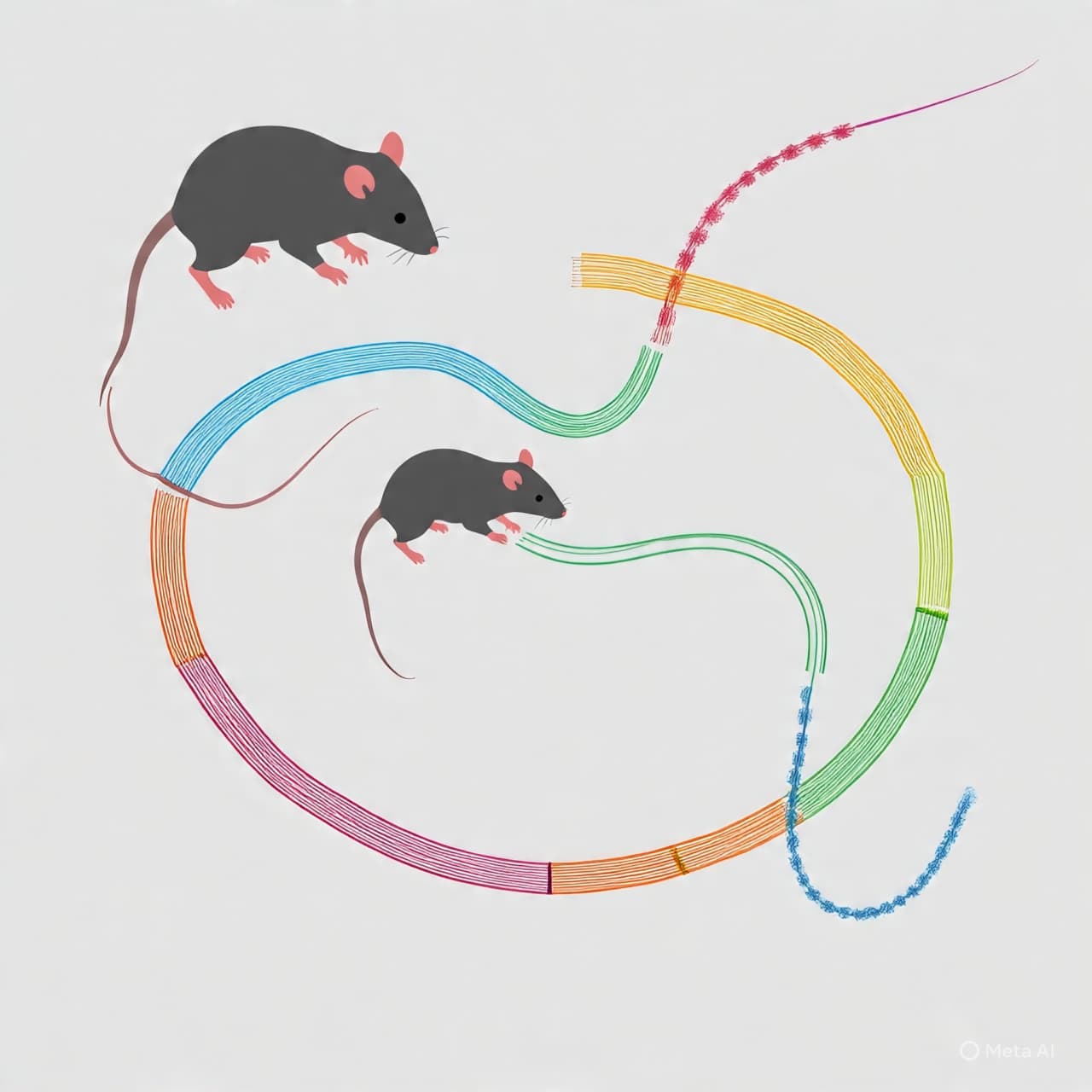
A new mouse study shows gut bacteria create an odor signal that can trigger aggression and shape social hierarchies through smell.
A trainee anesthetist who stole NHS drugs for use during a chemsex encounter has been struck off, ending his medical career after criminal conviction.
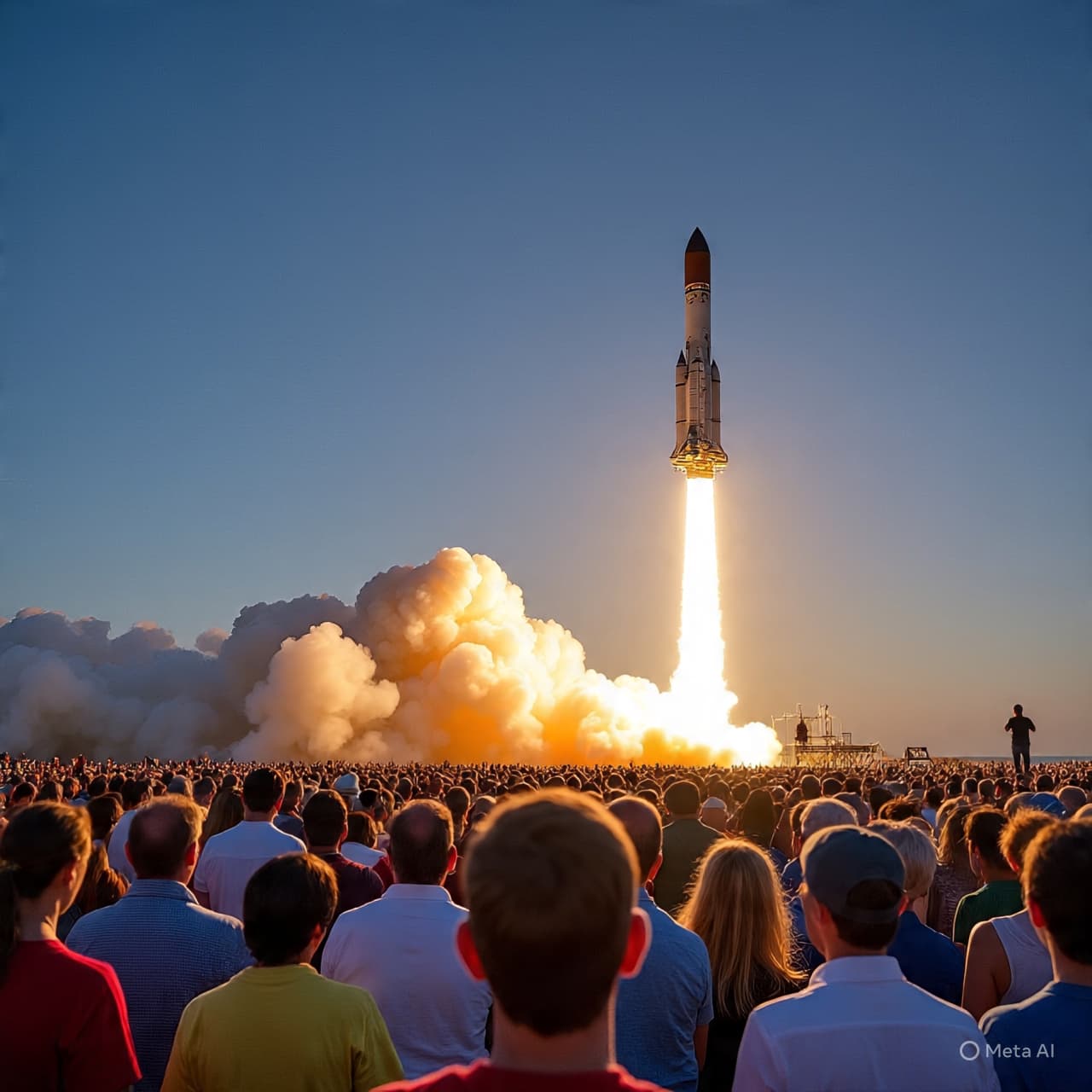
For longtime launch watchers, Orion’s third flight feels different because Artemis II carries astronauts, turning a familiar spacecraft into a human milestone.
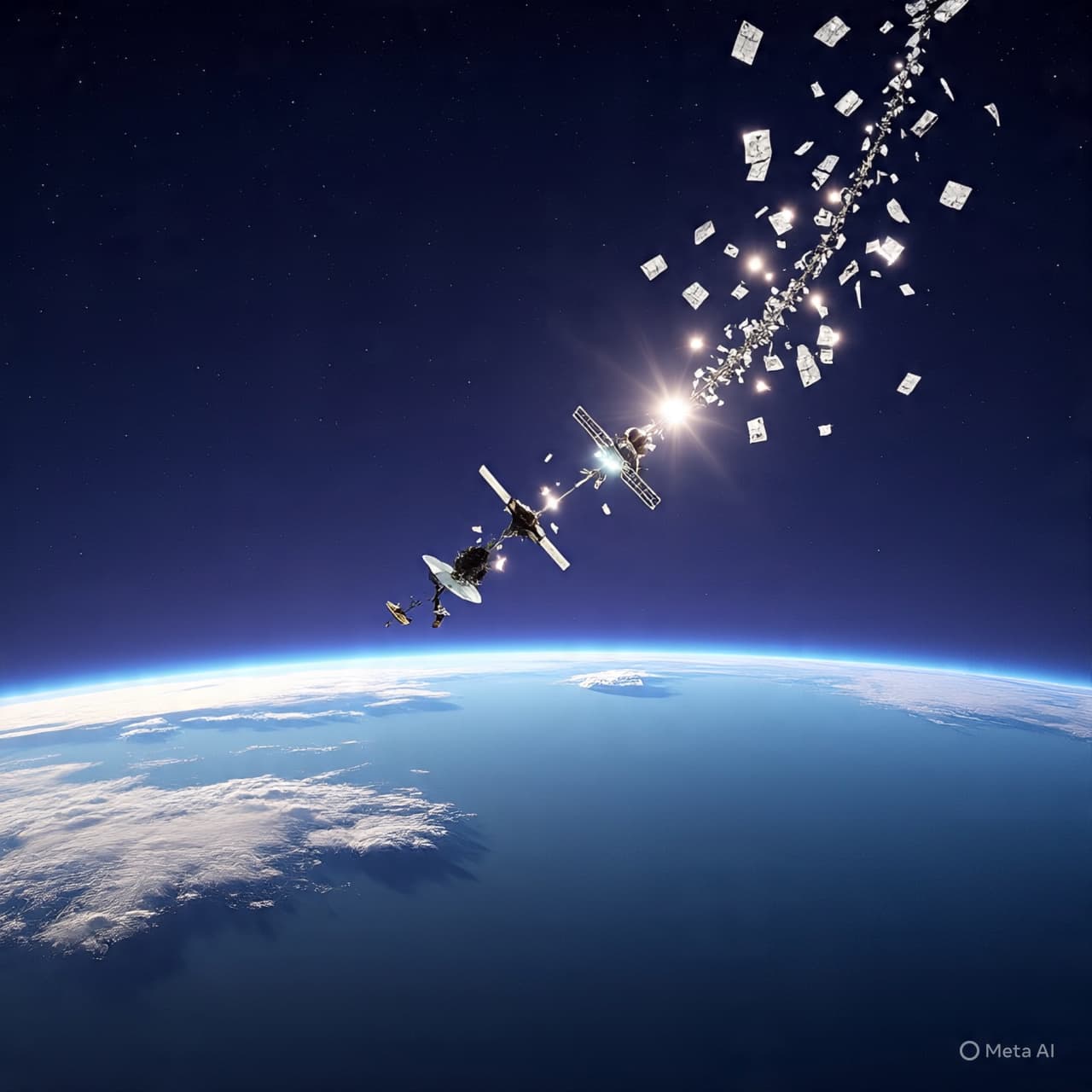
A Starlink satellite suffered an orbital anomaly at 560 km, breaking into tens of fragments. SpaceX says the debris poses no immediate risk and should de-orbit within weeks.