

Key Highlights
- Microplastics found in lab gloves may skew research results.
- Scientists are adjusting methods to account for potential contamination.
- The study highlights the pervasive nature of microplastics in various environments.
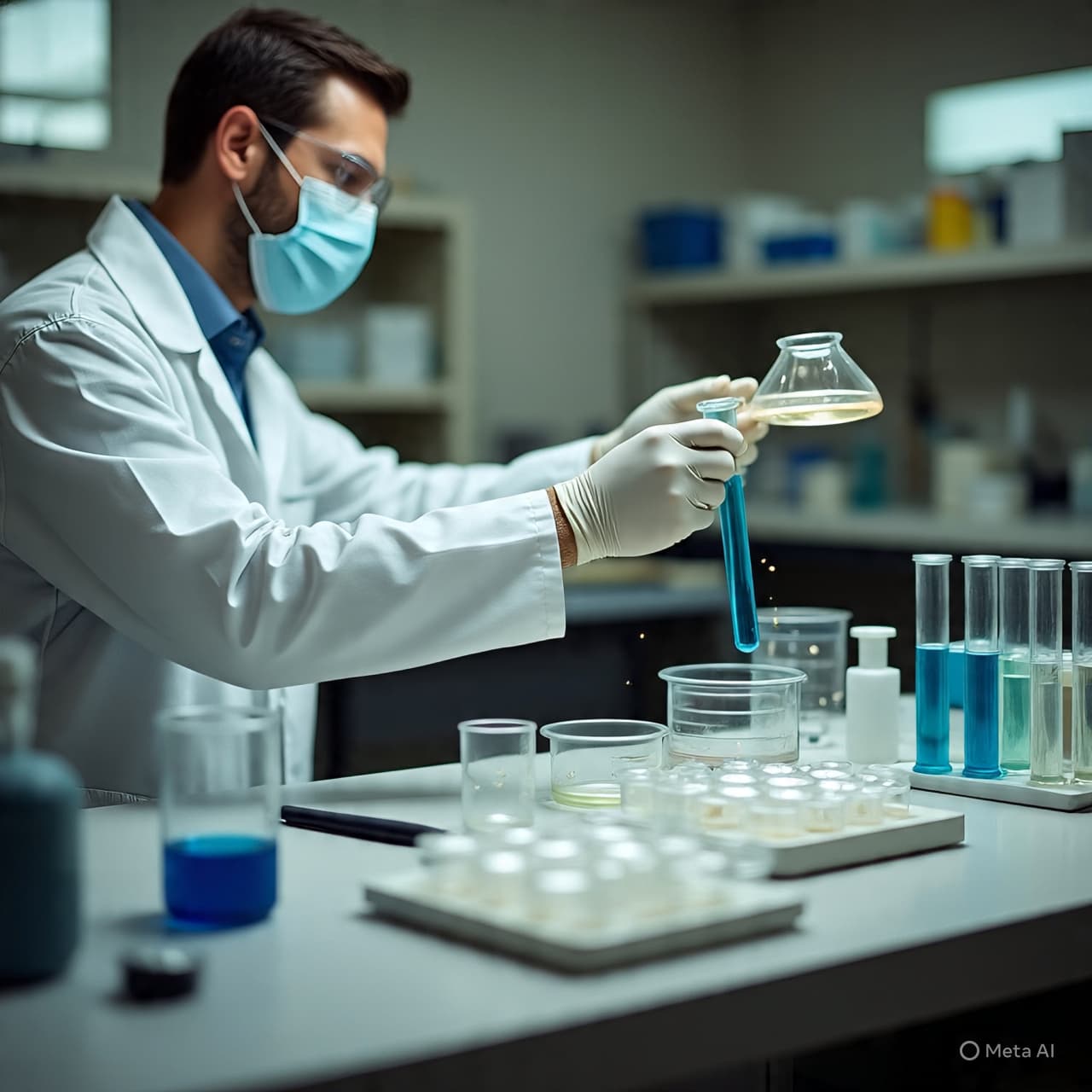
Recent research has unveiled a surprising source of microplastic contamination in scientific studies: lab gloves. Traditionally viewed as protective gear, these gloves, often made from nitrile or latex, may inadvertently contribute microplastic particles to experiments. This revelation has significant implications for the accuracy of microplastic measurements in controlled environments, where precision is paramount.
Microplastics have been detected in numerous settings, from oceans and soils to the human body. Their presence has transformed the understanding of pollution, revealing a pervasive issue that extends beyond the obvious. In laboratories, where contamination is a critical concern, the introduction of microplastics from gloves presents a new challenge. Studies indicate that gloves can shed microscopic fragments, potentially skewing results in experiments designed to measure these very particles.
Laboratories are typically equipped with stringent protocols to minimize contamination risks. These include using filtered air systems and sterilized equipment. However, the diverse nature of microplastics complicates efforts to eliminate them entirely. They vary in size, composition, and origin, making it difficult to control for their presence, even in the most sterile environments.
The implications of this discovery extend beyond mere technical adjustments. Researchers are now reevaluating how materials used in lab settings contribute to background levels of microplastics. This includes not only gloves but also lab coats, containers, and airborne fibers that may settle unnoticed. The potential for contamination from these sources necessitates a more comprehensive understanding of how microplastics interact with laboratory practices.
In response to these findings, some scientists are modifying their methodologies. This includes rinsing gloves before use, exploring alternative materials, and implementing additional controls to account for contamination. Such adjustments reflect a broader shift in microplastic research, emphasizing the need for a more nuanced approach to understanding the issue.
The presence of microplastics in lab gloves serves as a microcosm of a larger reality: the materials we create often escape their intended roles, dispersing and fragmenting over time. This phenomenon underscores the interconnectedness of our environment and the tools we use to study it. Rather than inciting alarm, the scientific community's response has been one of careful recalibration, focusing on refining measurement techniques and improving accuracy.
As research progresses, efforts to standardize methods and identify contamination sources are gaining momentum. The role of laboratory materials, including gloves, is now a critical part of the conversation surrounding microplastics. This evolving understanding highlights the importance of examining not only the external environment but also the internal tools that shape scientific inquiry.
In conclusion, the discovery that lab gloves may contribute to microplastic contamination adds another layer to the ongoing study of this pervasive issue. It serves as a reminder that understanding microplastics requires a holistic approach, one that considers both the external environment and the instruments of observation. As scientists continue to navigate this complex landscape, the findings will undoubtedly shape future research and methodologies in the field of environmental science.
Published by Banx Network. This article is part of the Banx decentralized media programme, powered by the BXE token on the XRP Ledger.




