There are nights when the sky feels closer than usual, as if it leans gently toward Earth, inviting us to look up and pause. Among those quiet invitations, the full moon has always carried a certain familiarity—steady, luminous, and unchanged even as everything below it shifts. This April, that presence returns once more, wrapped in a name that feels both poetic and curious: the Pink Moon.
Despite its name, the moon itself will not blush into shades of rose or crimson. The title, rooted in tradition rather than appearance, traces back to early Native American naming customs, later preserved in sources like The Old Farmer’s Almanac. It reflects the blooming of wild ground phlox, a pink flower that signals the arrival of spring across parts of North America.
Yet the charm of the Pink Moon lies not in color, but in timing. It marks a seasonal transition—a quiet midpoint between the fading coolness of early spring and the warmer days ahead. For many, it becomes less about astronomy alone and more about rhythm, a reminder that nature moves in cycles that continue regardless of human pace.
Astronomically, the event is straightforward. A full moon occurs when the Earth sits directly between the Sun and the Moon, allowing sunlight to fully illuminate the lunar surface from our perspective. This alignment, while predictable, never entirely loses its sense of wonder.
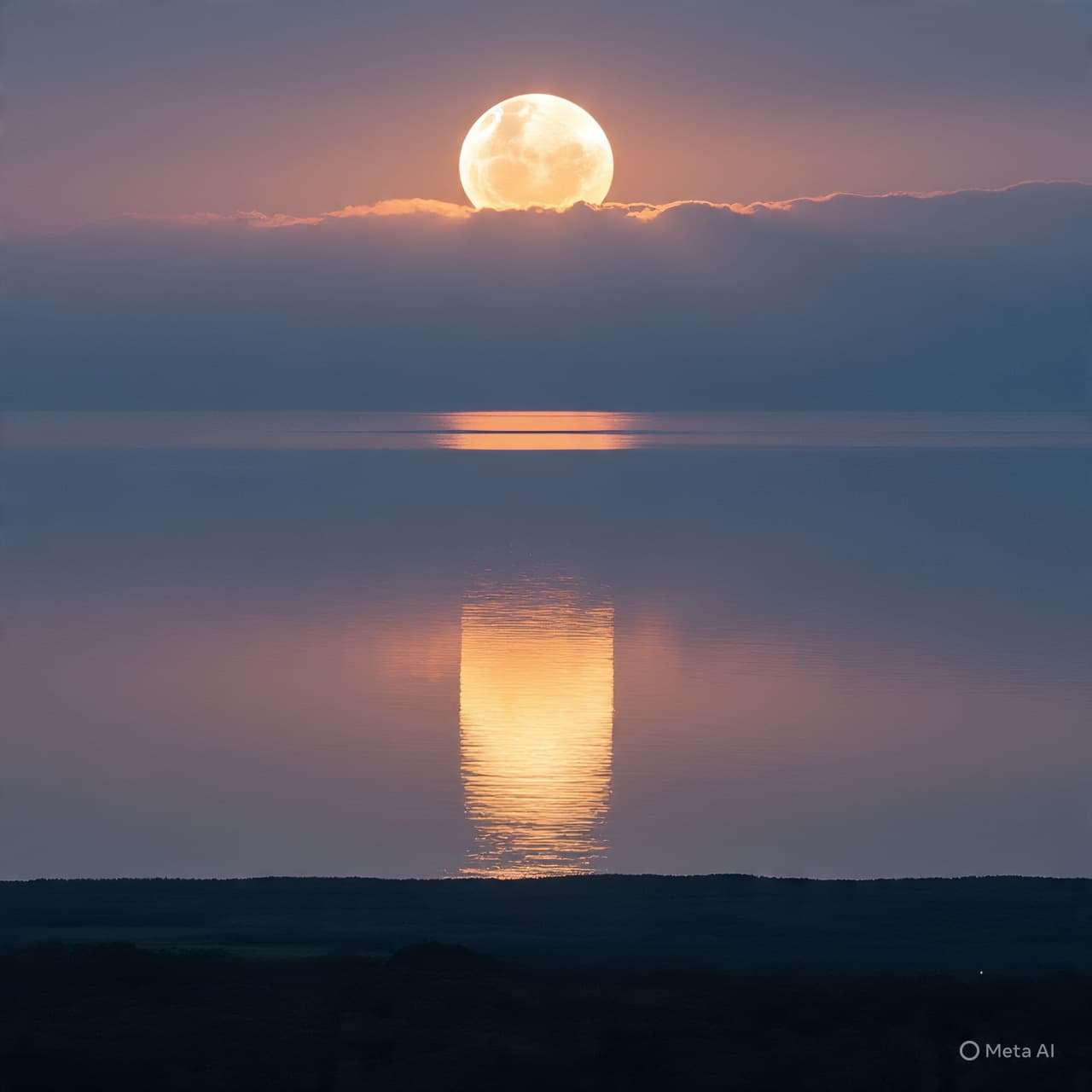
Observers this week can expect the moon to rise shortly after sunset, appearing larger and more golden near the horizon due to atmospheric effects. As it climbs higher, it will transition into its familiar bright white glow, steady against the darkness of night.
For skywatchers, the experience often becomes as much about setting as it is about the moon itself. Open horizons, quiet surroundings, and minimal light pollution can transform the viewing into something more reflective. Even in urban environments, however, the full moon finds its way into view—patient and persistent.
There is also a subtle cultural thread woven through this moment. Full moons have long influenced calendars, rituals, and storytelling traditions across civilizations. The Pink Moon, though modest in appearance, continues that lineage, offering a shared point of observation across different places and perspectives.
Modern tools and forecasts make it easier than ever to pinpoint the exact timing of moonrise and peak illumination. Yet, in a way, the simplicity of stepping outside and looking up remains unchanged. No equipment is required—only a willingness to notice.
As the Pink Moon rises this week, it does so without urgency or spectacle. It simply appears, as it always has, reminding us that some of the most enduring experiences are also the most familiar.
AI Image Disclaimer Graphics are AI-generated and intended for representation, not reality.
Source Check NASA Time and Date The Old Farmer’s Almanac BBC News National Geographic
Published by Banx Network. This article is part of the Banx decentralized media programme, powered by the BXE token on the XRP Ledger.