
Key Highlights
- New Study:Research from Northwestern University reveals gut bacteria influence social behavior in mice.
- Chemical Mechanism:Gut bacteria produce trimethylamine, affecting aggression and dominance.
- Broader Implications:Findings suggest evolutionary roots of microbiome interactions in social hierarchies.
Researchers at Northwestern University have uncovered a fascinating link between gut bacteria and social behavior in mice, as detailed in a recent study published in Current Biology. This groundbreaking research highlights how the microbial inhabitants of the gut can produce specific odors that significantly influence social interactions, aggression, and the establishment of dominance hierarchies among male mice.
The study focuses on a compound known as trimethylamine (TMA), which is produced by gut bacteria when they metabolize nutrients such as choline found in foods like eggs and meat. While the liver typically neutralizes TMA, testosterone in adult male mice inhibits this process, allowing the compound to accumulate and be excreted in urine. When other male mice detect this odor, it triggers aggressive behaviors and alters social dynamics, effectively reshaping the hierarchy within their groups.
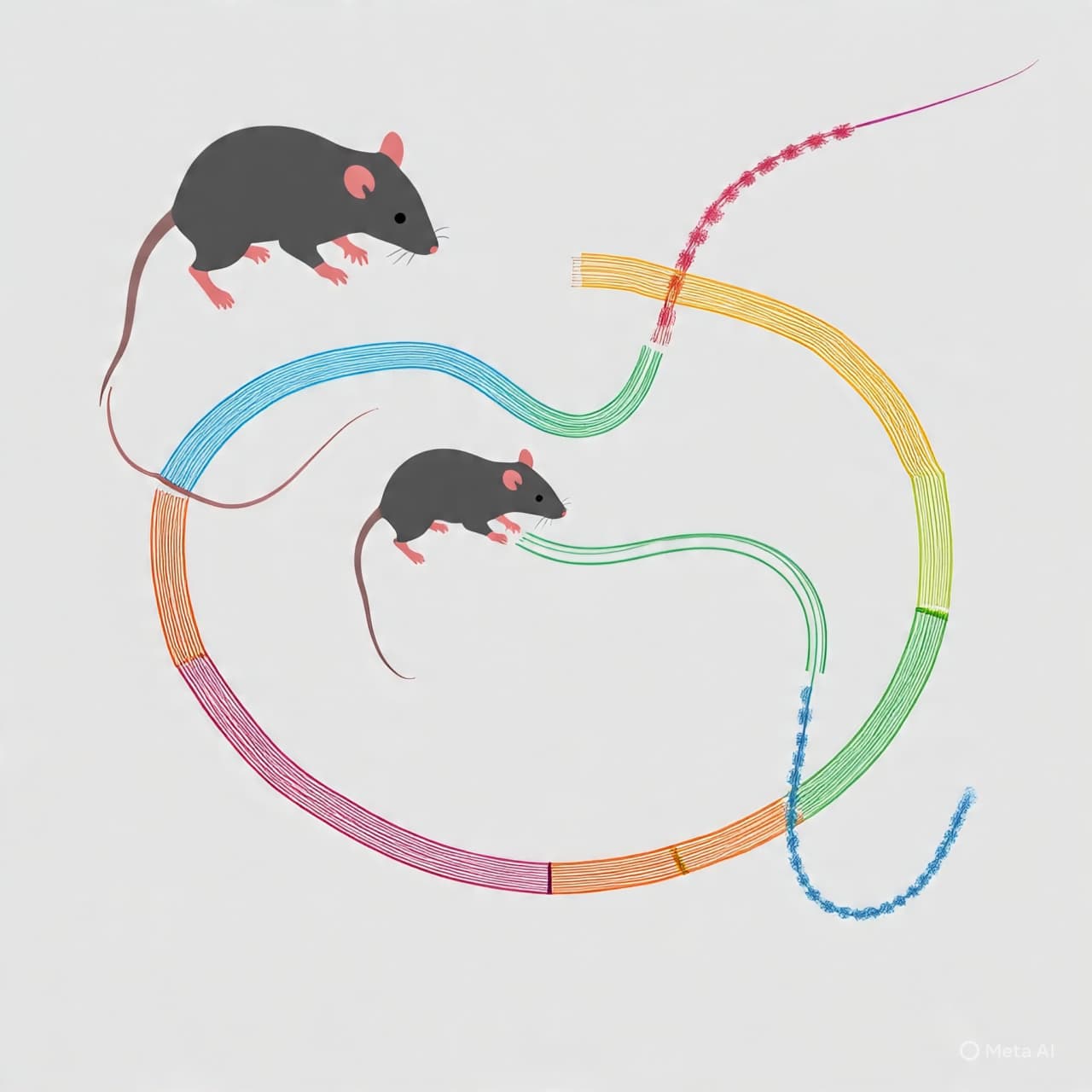
The researchers employed a detailed biological pathway to illustrate how this process unfolds. The detection of TMA occurs through a specialized receptor known as TAAR5, which translates the chemical signals from gut bacteria into behavioral responses. Dominant mice, upon sensing the odor, are more likely to engage in confrontations, while subordinate mice tend to adopt defensive postures. Interestingly, when the TAAR5 receptor was disabled, the typical aggressive behaviors diminished, and the social hierarchy took longer to establish. This suggests that the microbiome's influence on social behavior is both profound and complex.
Moreover, the study's findings extend beyond the immediate implications for mice. While the research does not assert that humans utilize the same olfactory cues for aggression, it does indicate that humans possess a version of the TAAR5 receptor. This raises intriguing questions about the evolutionary pathways that may connect microbial metabolism and social behavior across species, hinting at a deeper biological narrative that transcends mere instinct.
The implications of this research resonate within the broader context of the gut-brain axis and the gut-behavior framework. It emphasizes that the influence of gut bacteria extends beyond internal physiological processes, as the odors they produce can serve as external signals that affect the behavior of other animals. This discovery underscores the intricate relationships between microbiomes and social structures, suggesting that the dynamics of social hierarchies may be intricately woven into the fabric of microbial interactions.
As scientists continue to explore the connections between gut health and behavior, this study serves as a pivotal reminder of the hidden complexities of biological systems. The findings not only enhance our understanding of social behavior in mice but also open avenues for further research into the microbiome's role in shaping social interactions across various species, including humans.
In conclusion, the research from Northwestern University sheds light on the remarkable ways in which gut bacteria can influence social hierarchies through the production of odors, providing a clearer understanding of the mechanisms linking the microbiome to behavior and social dynamics.
Published by Banx Network. This article is part of the Banx decentralized media programme, powered by the BXE token on the XRP Ledger.



