SCIENCE94% credibility
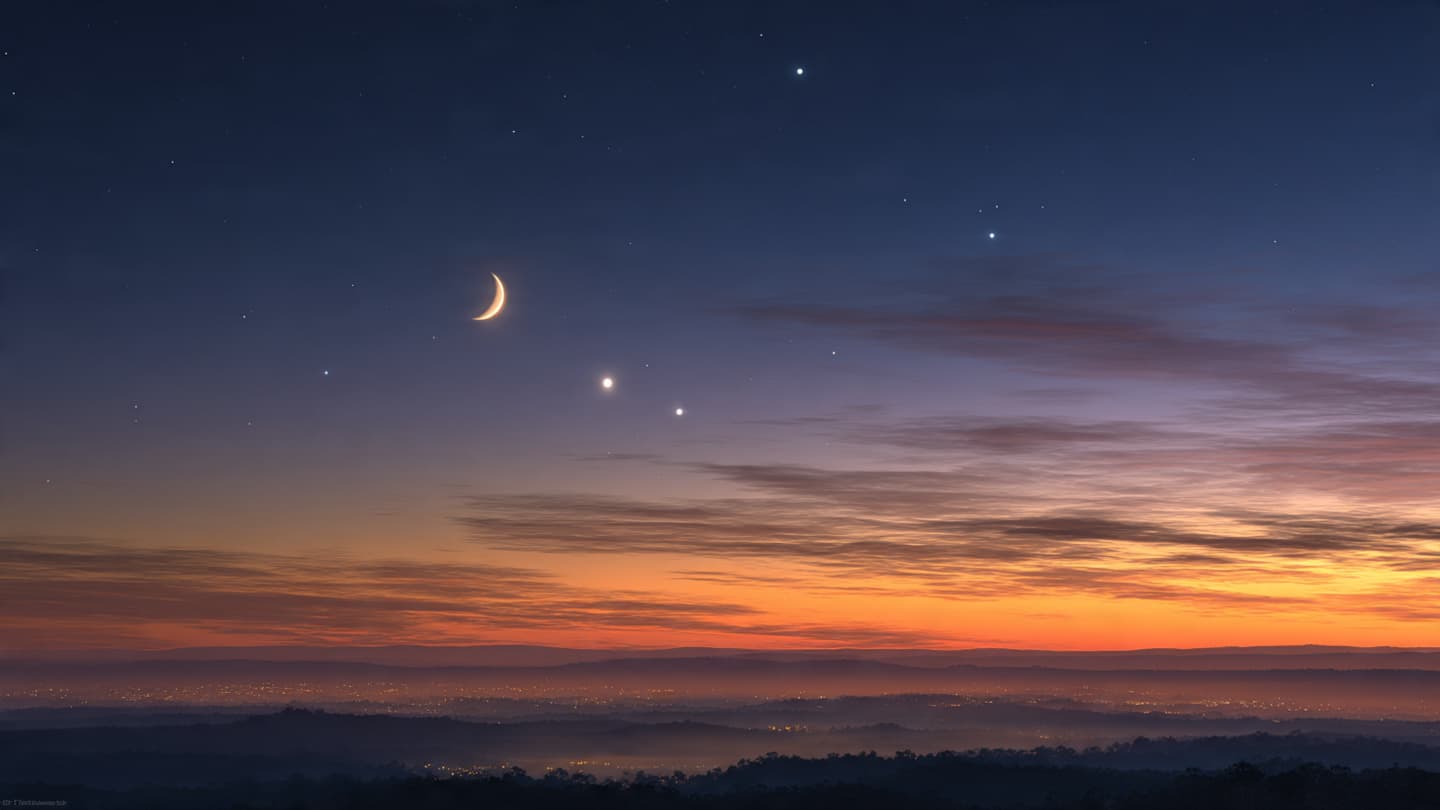
The Dawn Sky Prepares a Brief Celestial Gathering
Venus, Jupiter, Mercury, and the crescent Moon are expected to form a rare and visually striking alignment in June 2026.
2 min read

Venus, Jupiter, Mercury, and the crescent Moon are expected to form a rare and visually striking alignment in June 2026.
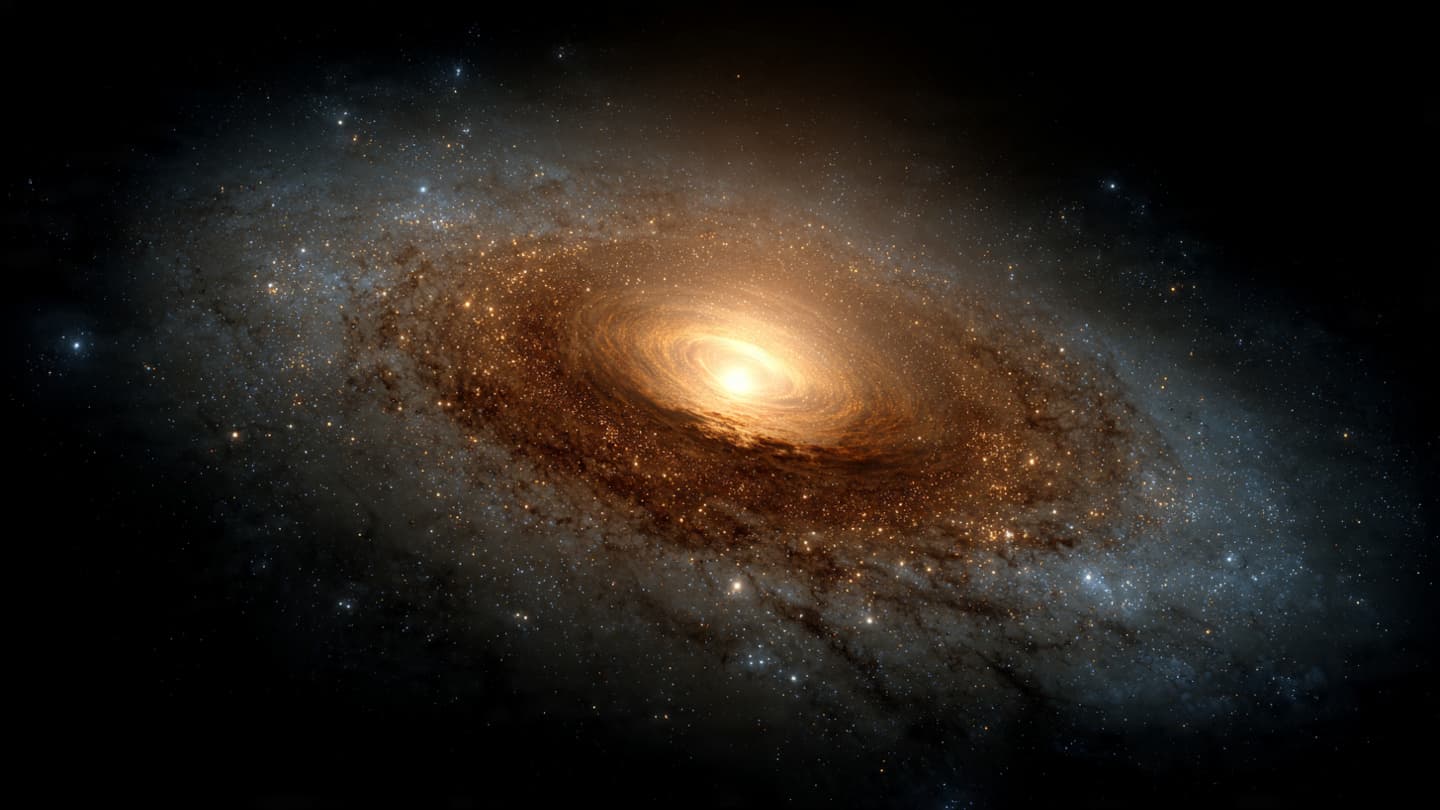
Webb Telescope observations suggest a massive black hole may have formed before its host galaxy fully developed, challenging existing models.
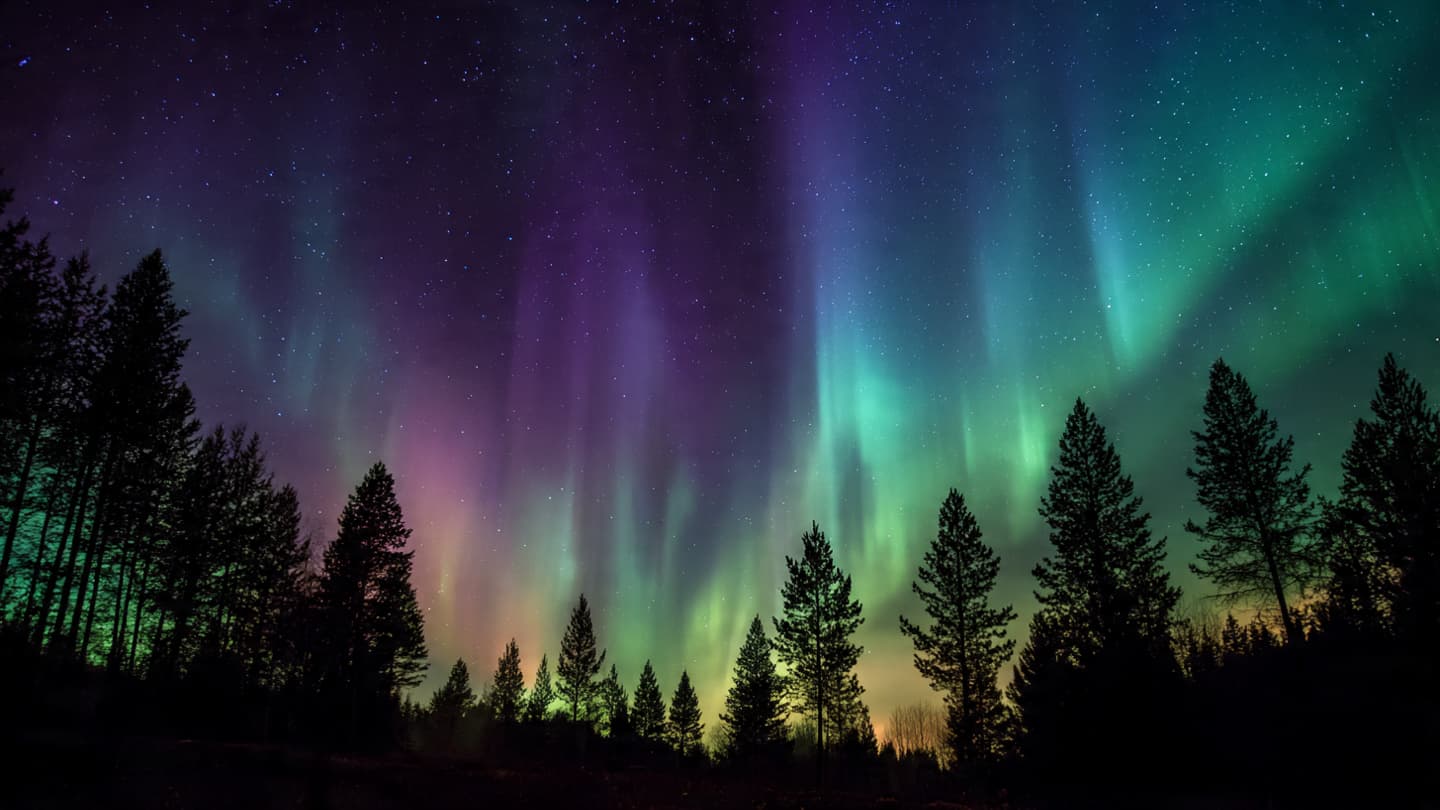
A severe geomagnetic storm watch could bring northern lights visibility to as many as 23 U.S. states during the coming nights.

Scientists continue working to precisely measure gravity's strength, as the gravitational constant remains one of physics' most difficult values to determine.
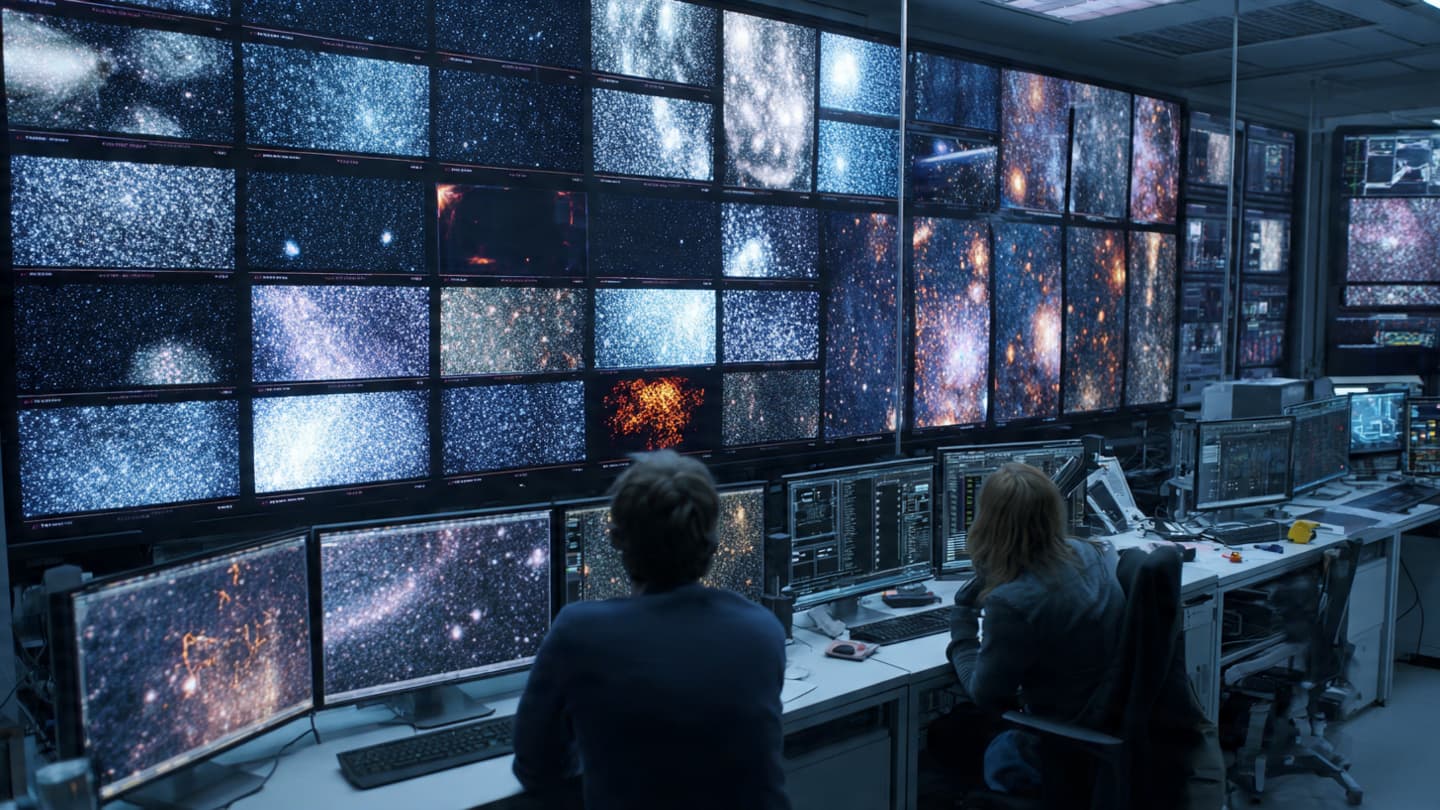
AI analysis of decades of Hubble data uncovered more than 800 previously undocumented objects, revealing new opportunities for astronomical discovery.
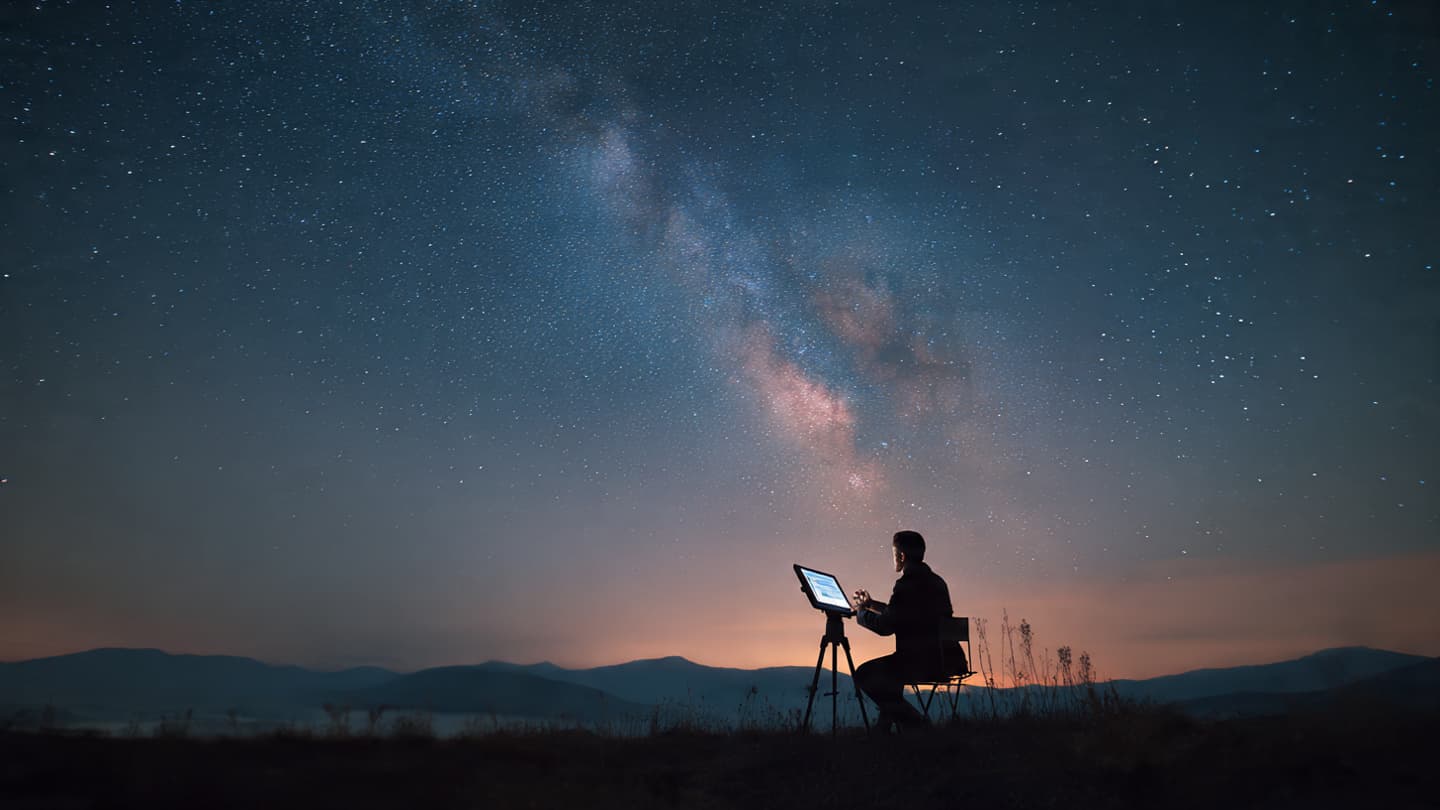
A longtime astronomy enthusiast explains how a smart telescope transformed their view of modern stargazing and expanded access to deep-sky observation.

Newly studied fossil fishes discovered in desert deposits are helping scientists reconstruct a previously missing chapter of marine evolution.
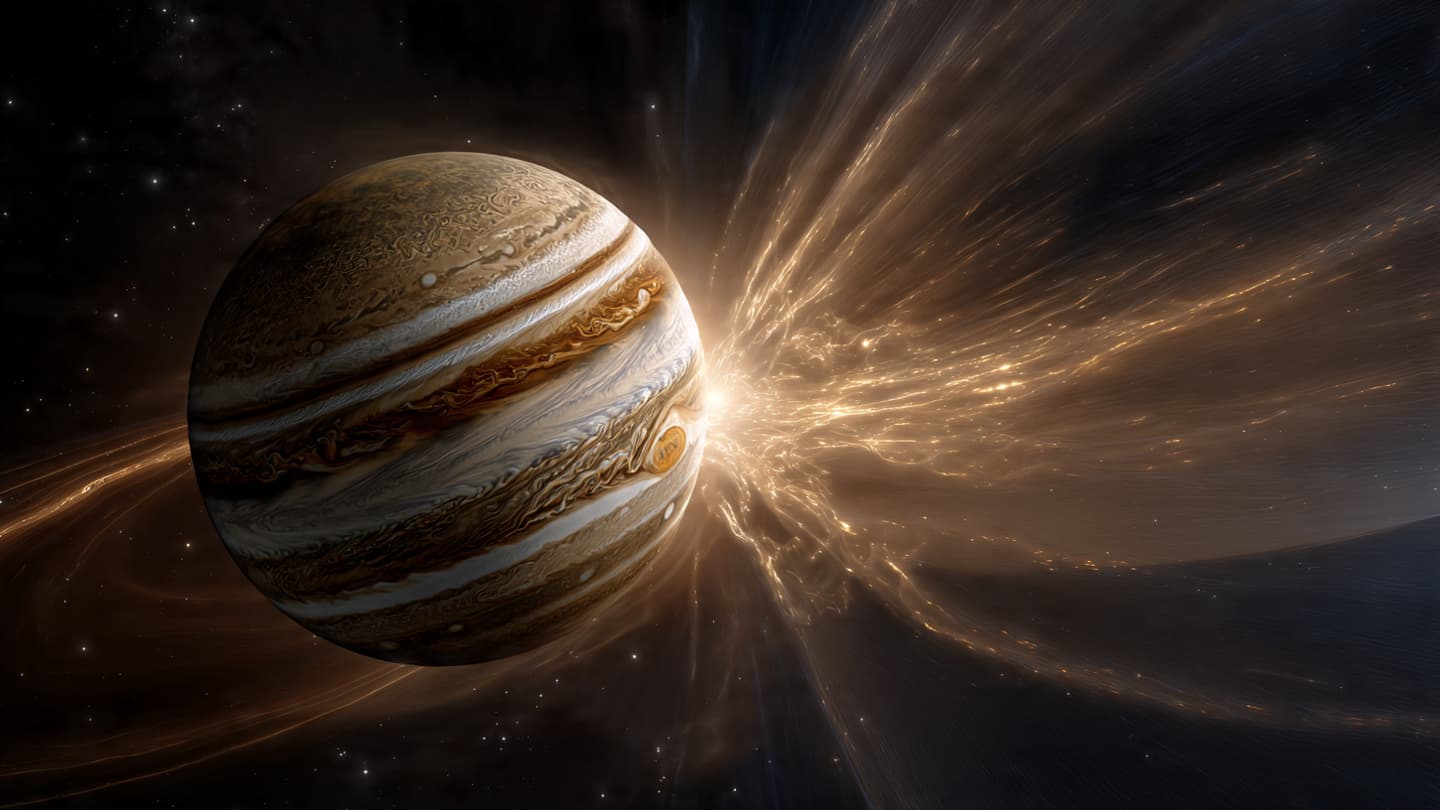
Scientists found that Jupiter’s bow shock can accelerate electrons to relativistic speeds, offering insight into energetic cosmic processes.
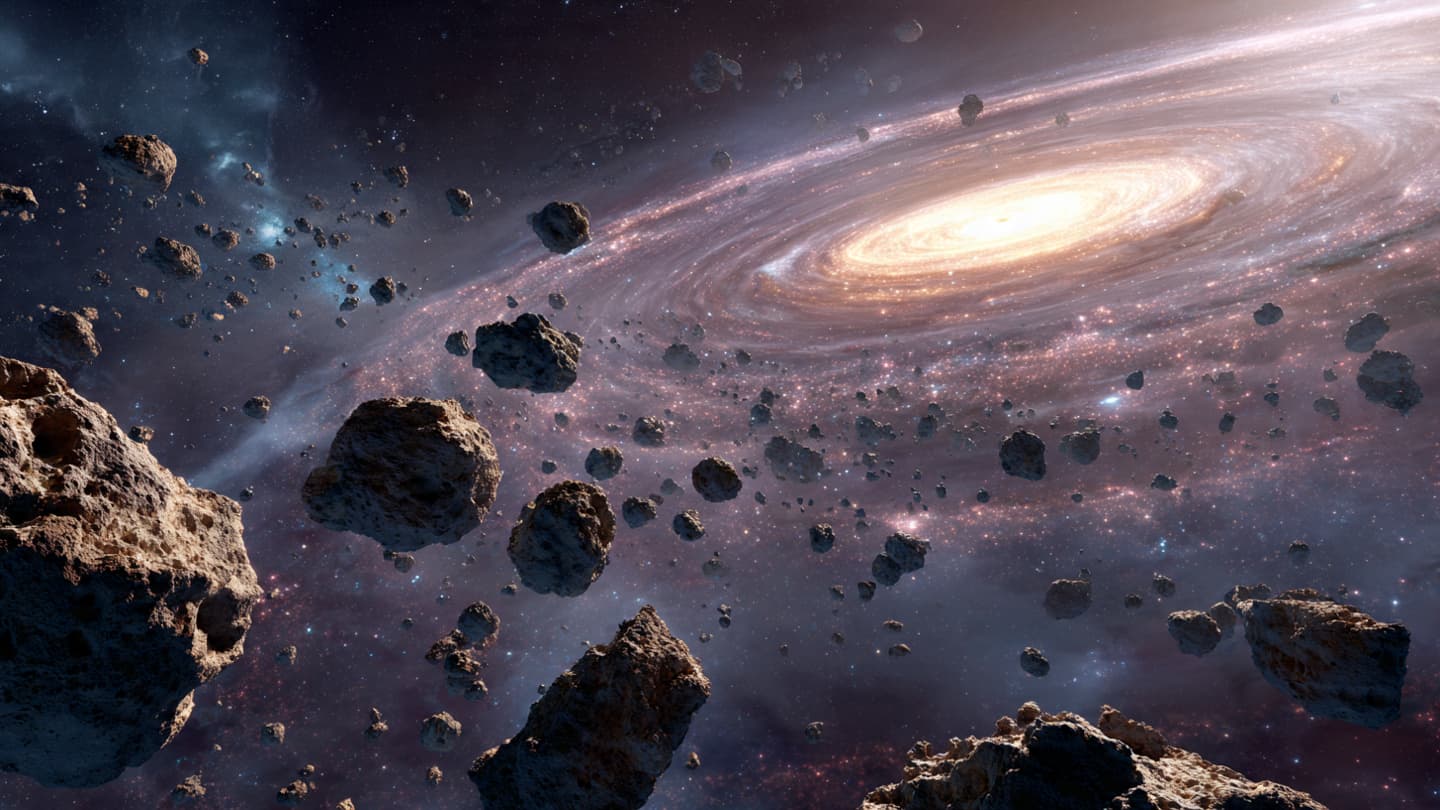
Research on ancient meteorites suggests essential ingredients for life may have been present in the inner solar system from the beginning.
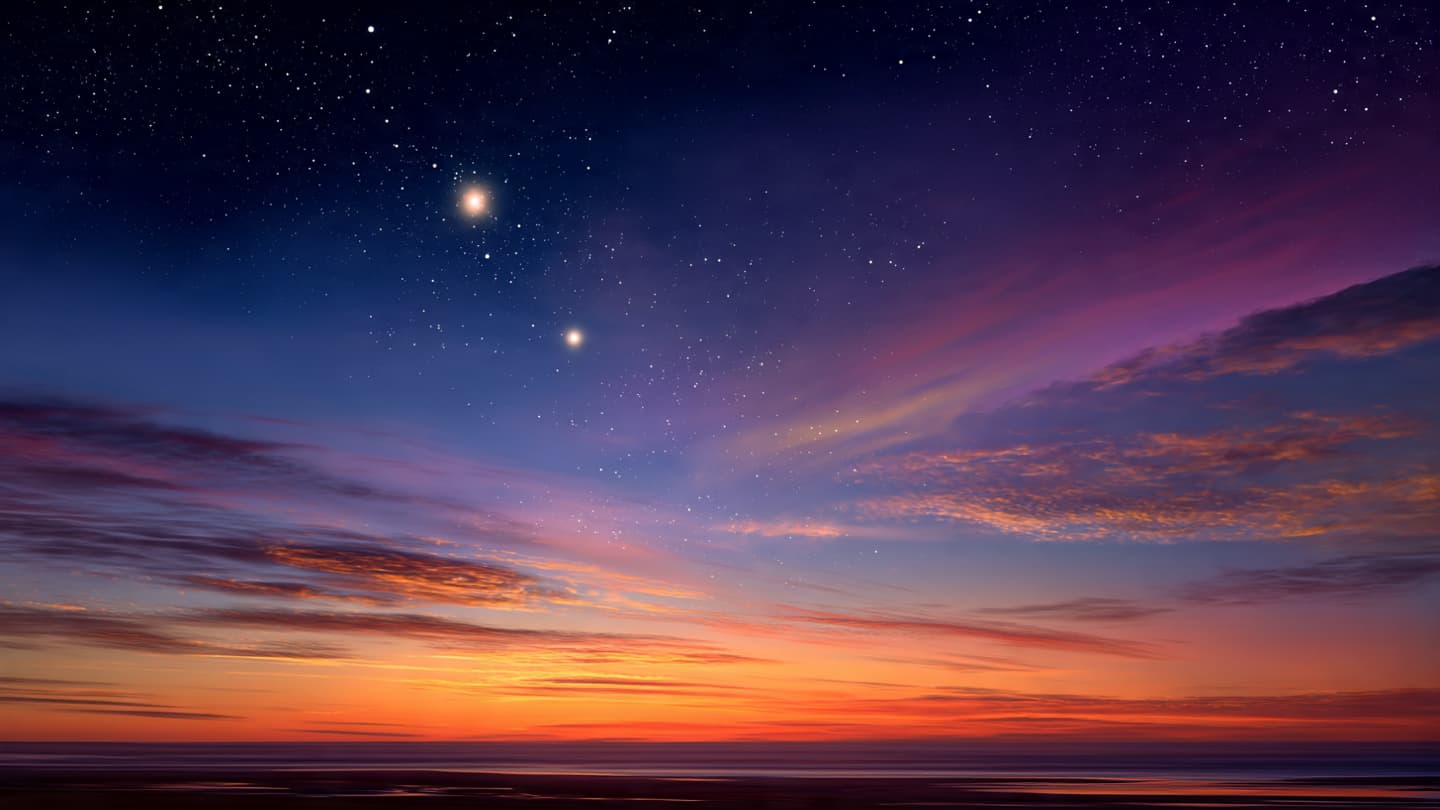
Venus and Jupiter will appear exceptionally close in the evening sky around June 9, creating a striking conjunction.
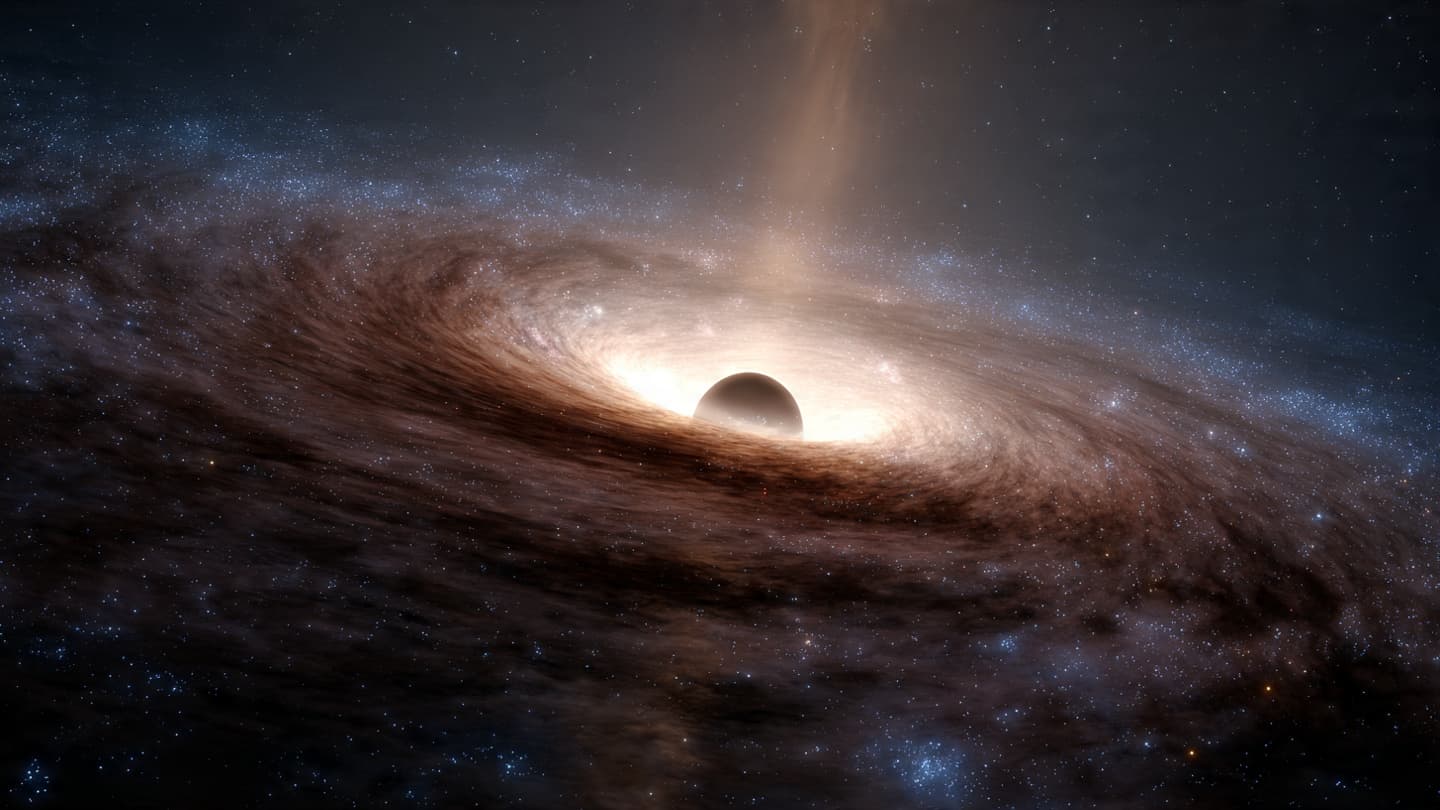
Astronomers have found strong evidence of a long-sought wind flowing from Sagittarius A*, the Milky Way’s central black hole.
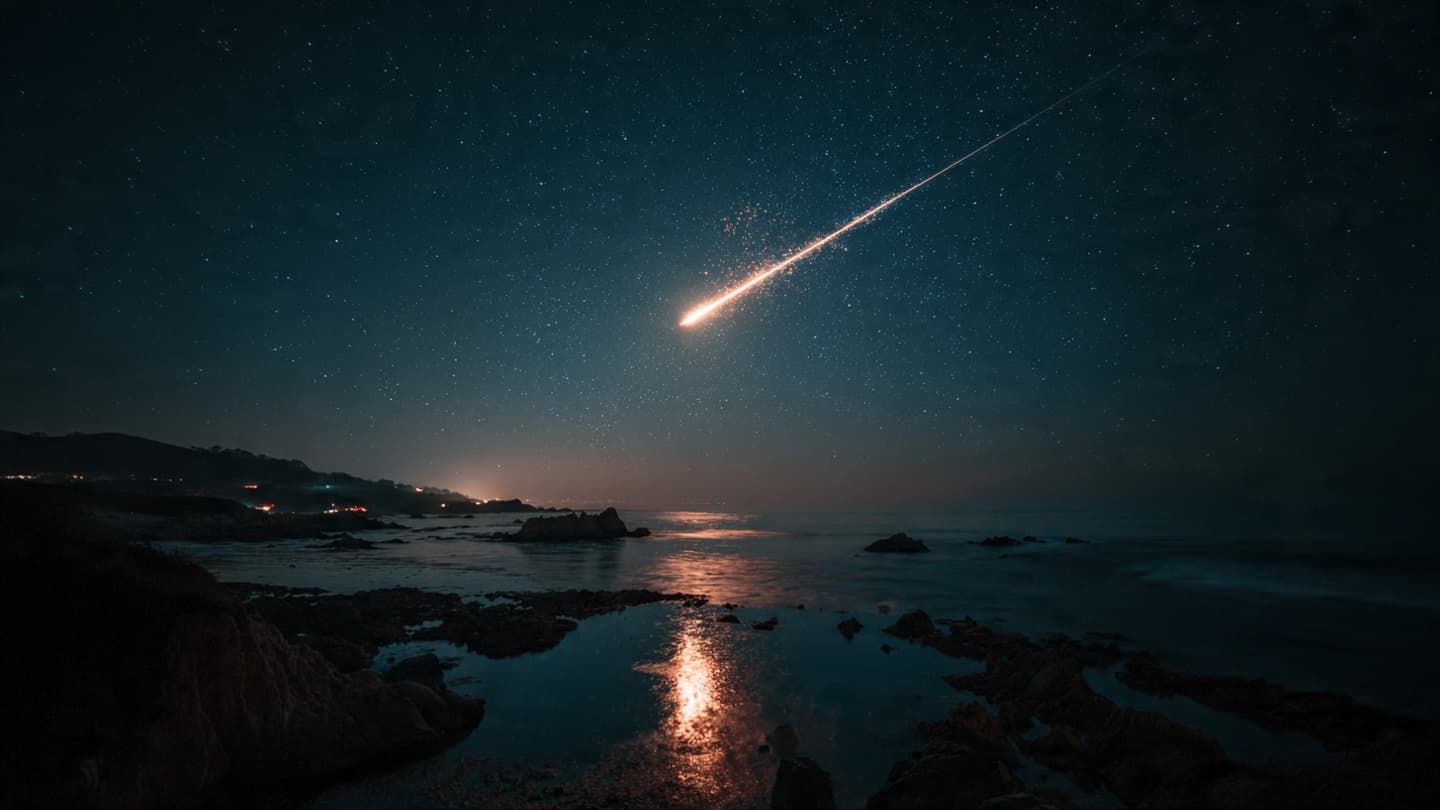
Researchers recorded signals from a meteor breakup, but recovering fragments from Cape Cod Bay remains unlikely.
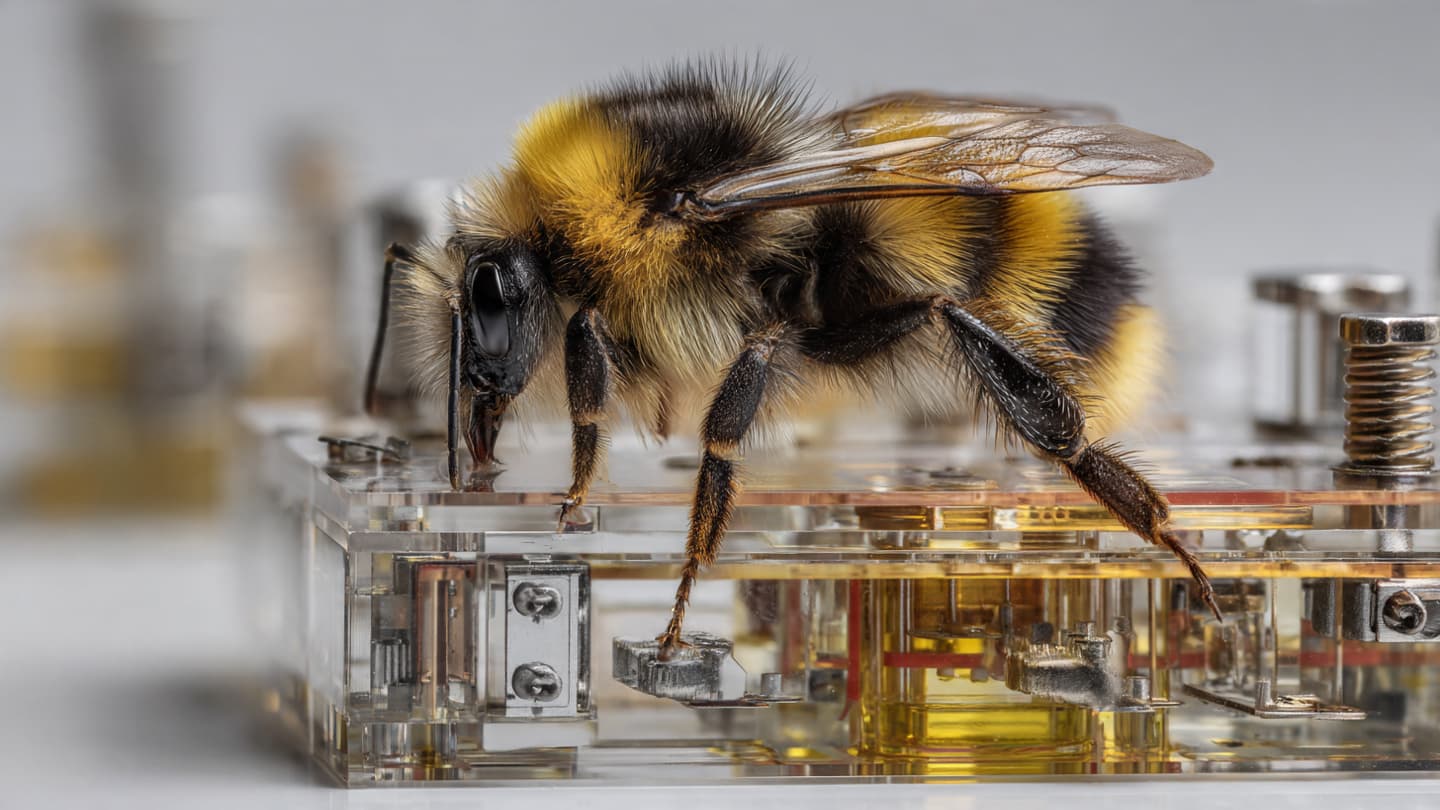
New experiments suggest bumblebees possess advanced learning and problem-solving abilities beyond traditional expectations.
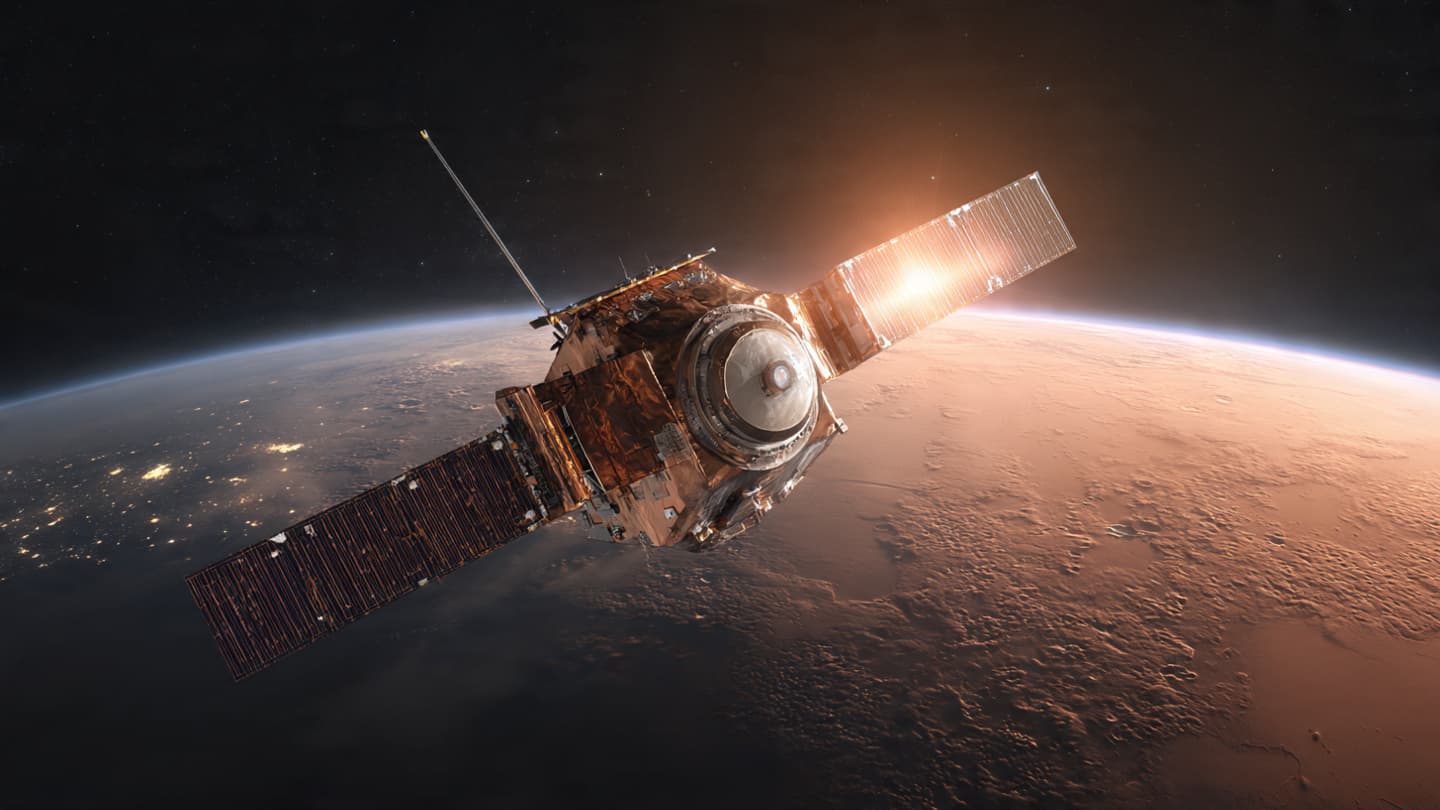
NASA’s MAVEN mission concludes after eleven years of studying how Mars lost much of its atmosphere and transformed over time.
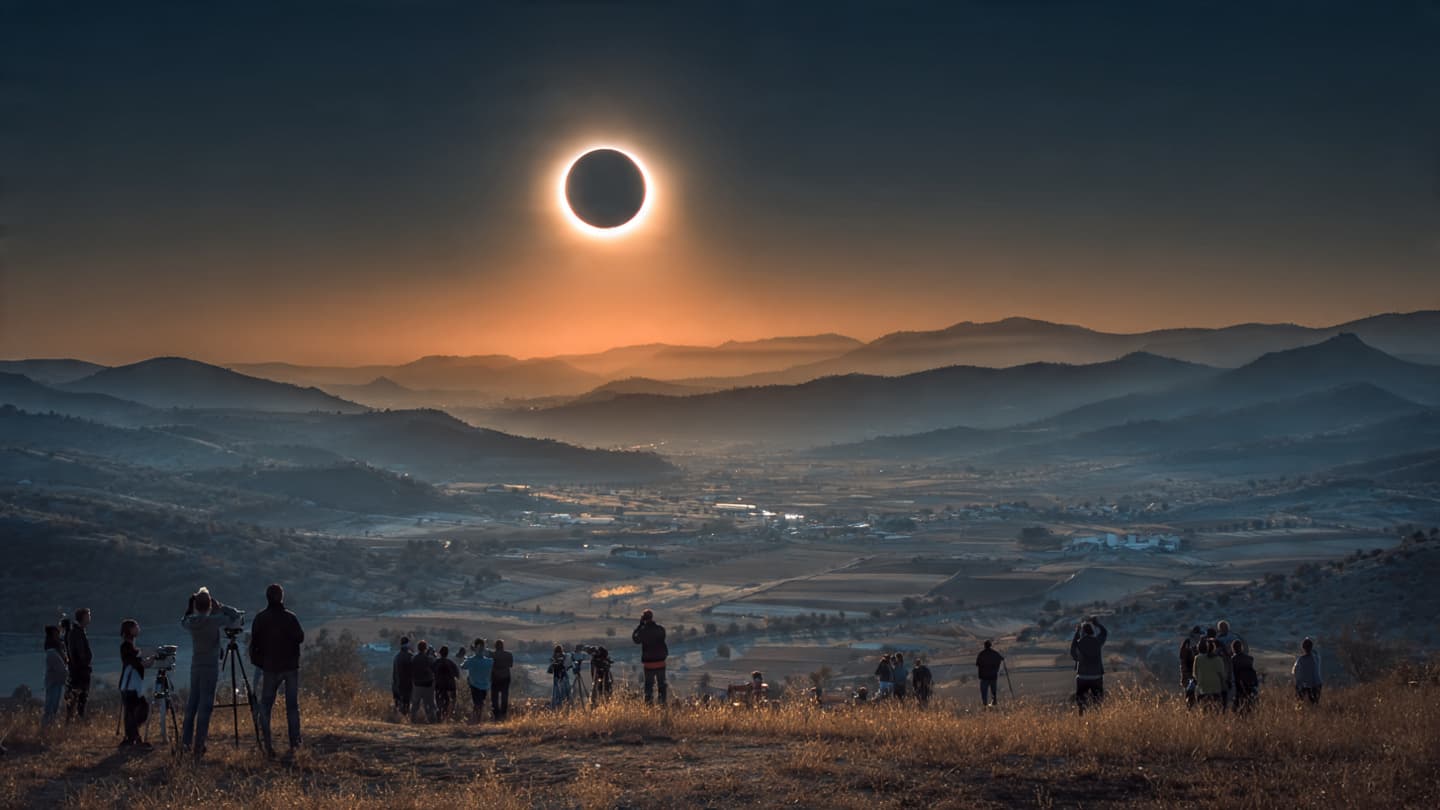
Experts advise careful planning for Spain’s 2026 total solar eclipse because the low Sun could obstruct views.
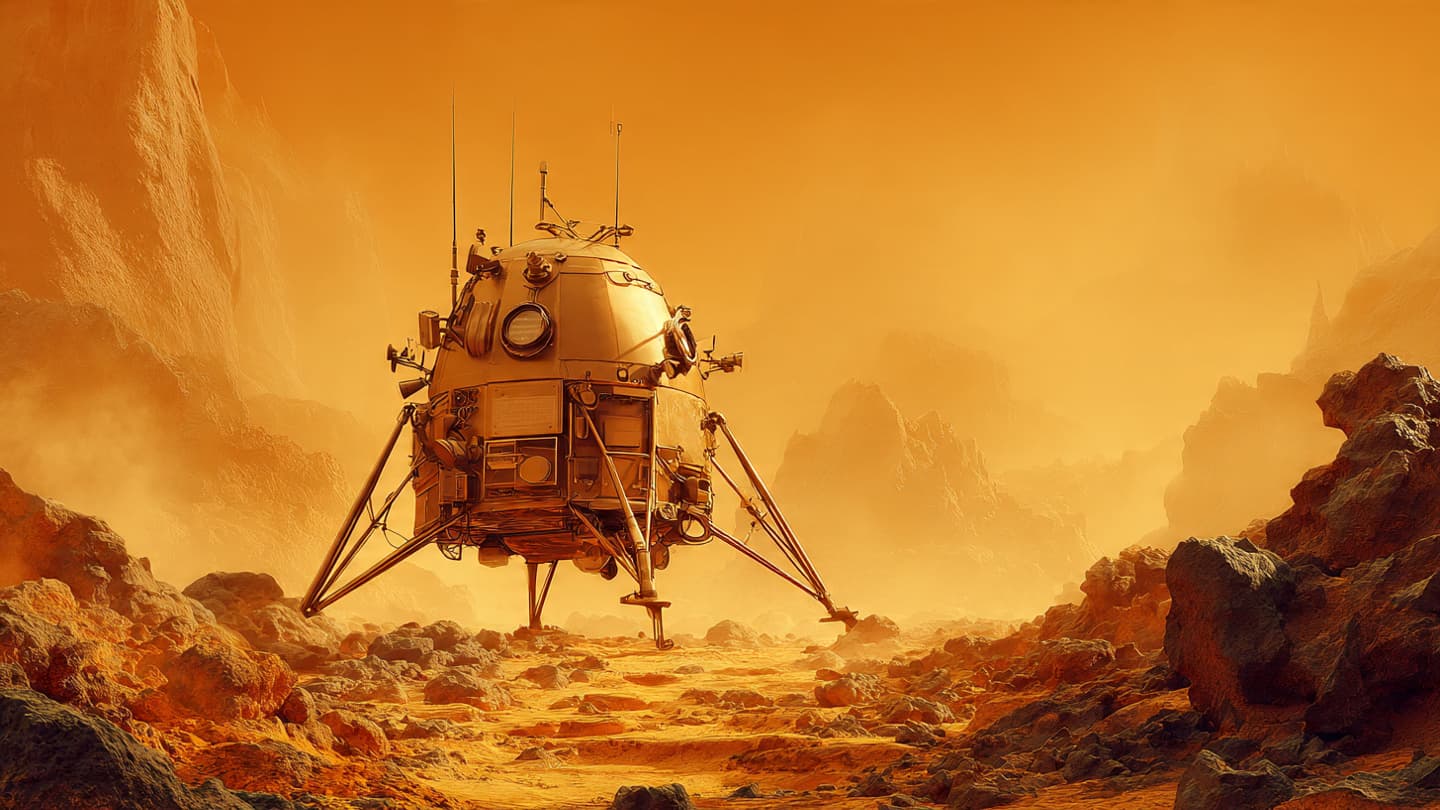
Venera 7 became the first spacecraft to transmit data from another planet despite a damaged descent and weak signal.
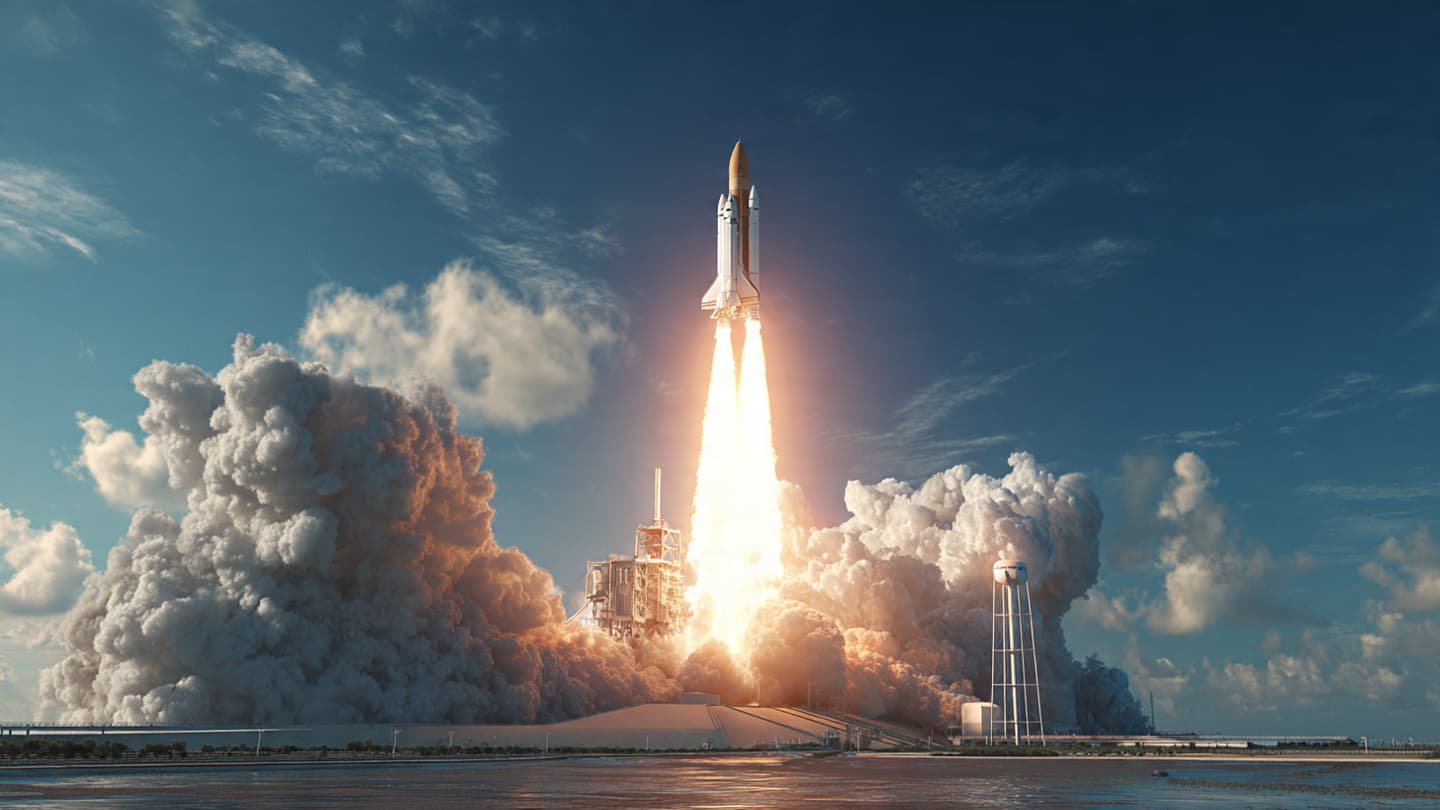
A slow-motion recording of SpaceX’s Starship V3 launch revealed dramatic shockwaves moving through exhaust clouds during liftoff.

Scientists confirmed that a Greenland mega-tsunami created a standing wave that generated global seismic signals for nine days.

New fossils suggest bryozoans existed 500 million years ago, helping resolve a long-standing evolutionary mystery.

New research suggests Stonehenge’s Altar Stone traveled about 750 kilometers from Scotland, revealing extensive prehistoric connections.
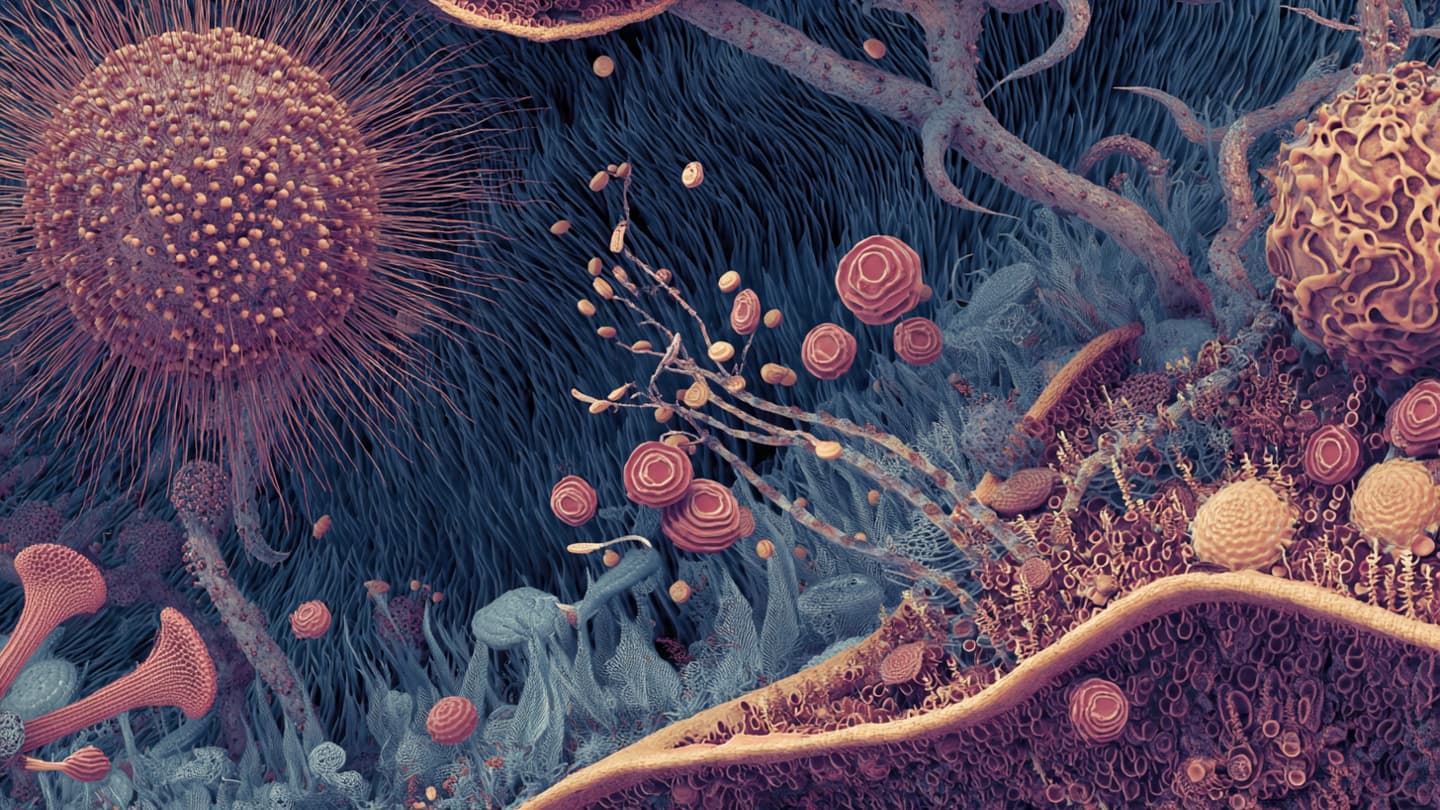
Scientists have identified a giant microbe that hunts prey and sometimes consumes members of its own species.
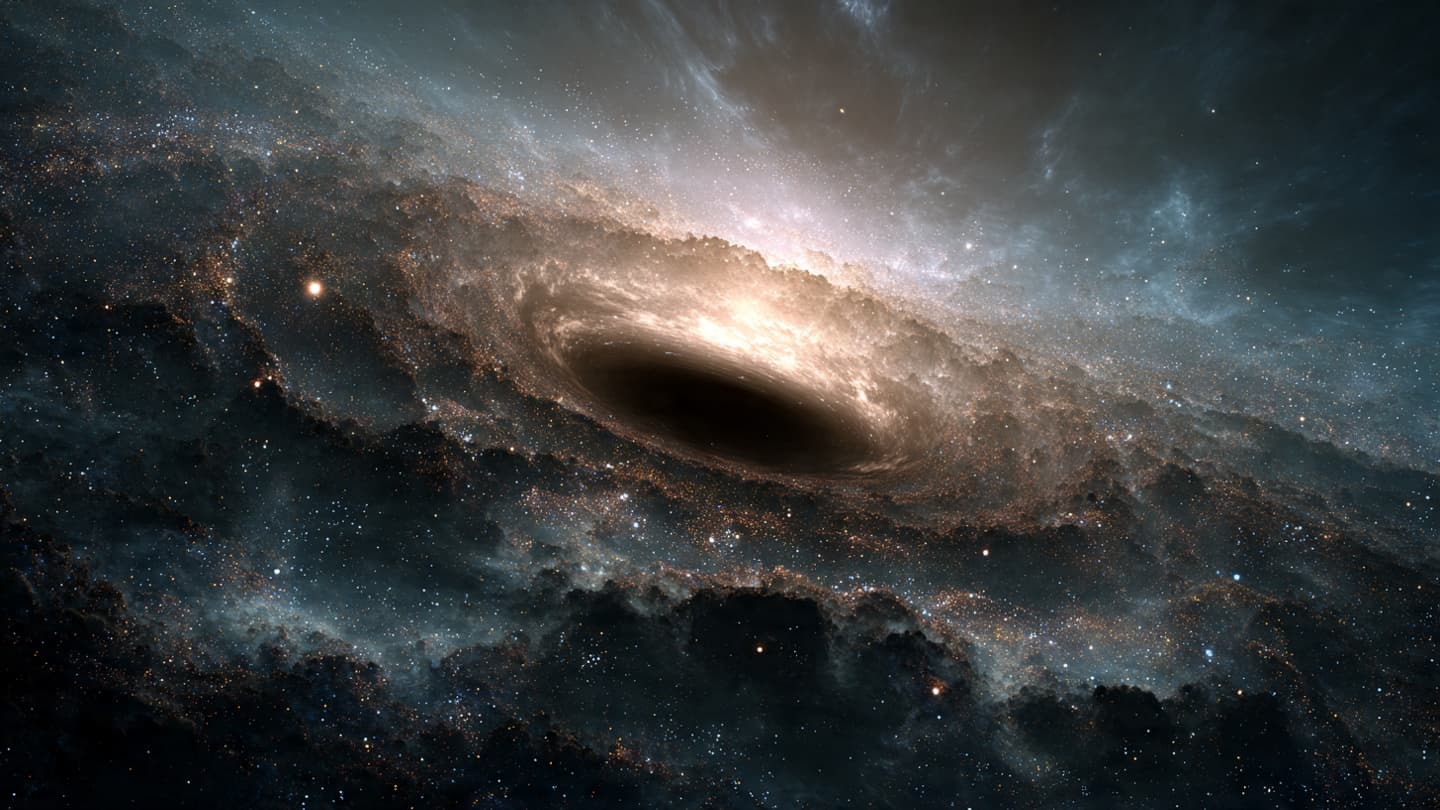
Astronomers report the discovery of an extremely distant dormant black hole whose mass may equal six billion suns.
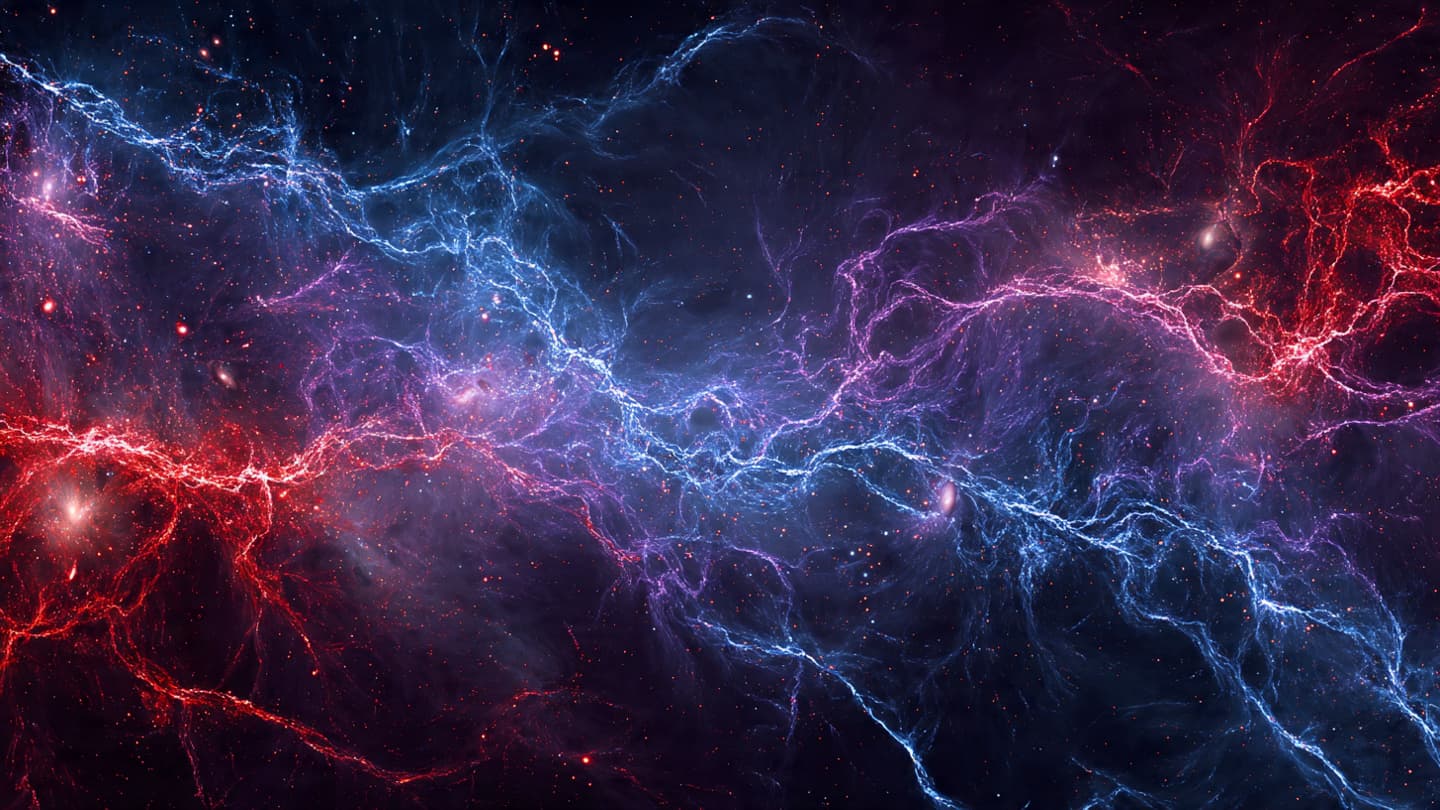
Scientists have created the largest map of cosmic magnetic fields ever assembled, revealing hidden structures across millions of galaxies.
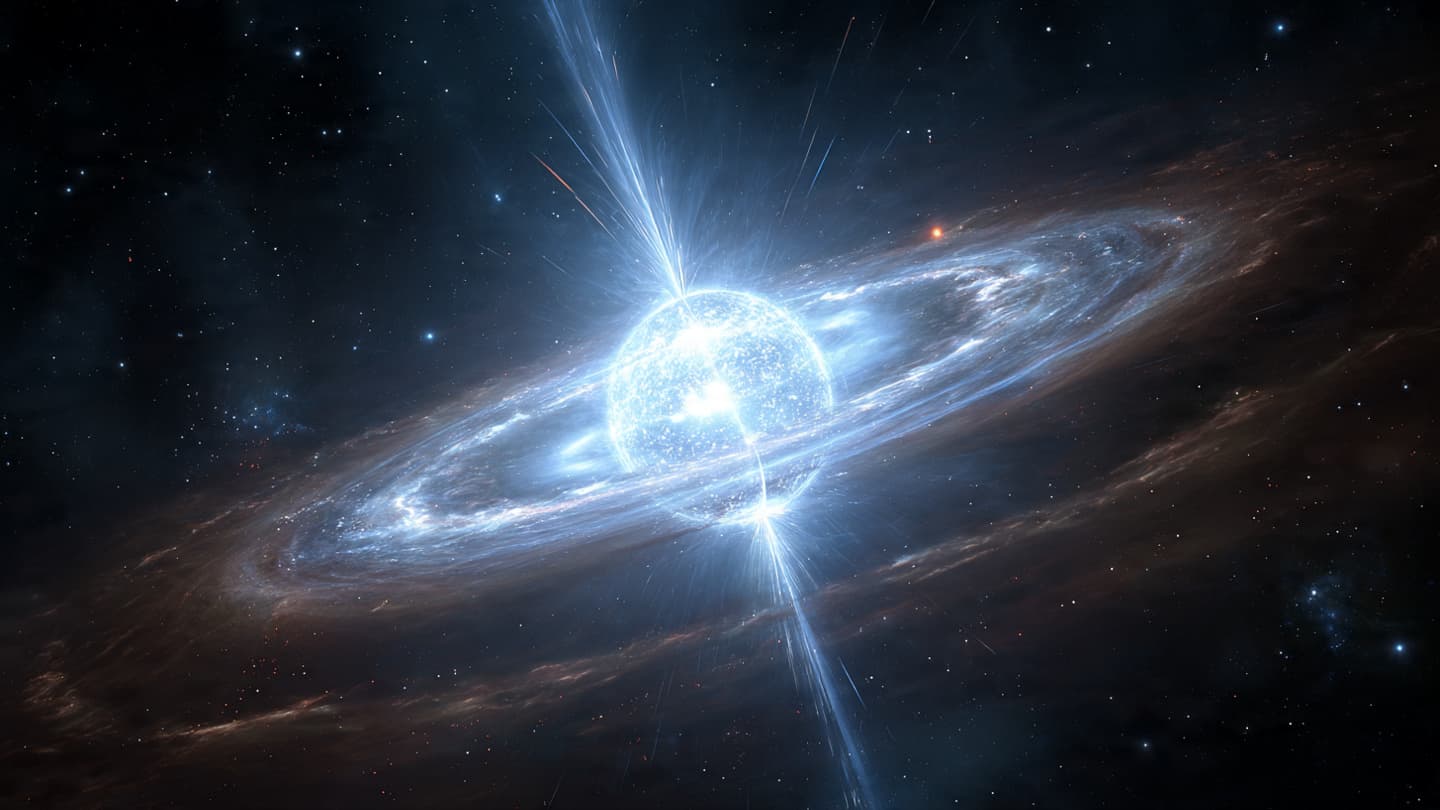
Research into neutron stars and cosmic explosions continues to provide valuable insights into some of the universe’s most extreme environments.