The night sky has always invited patience. For generations, amateur astronomers carried heavy equipment into dark fields, carefully aligned mounts, and spent long hours searching for faint galaxies hidden among countless stars. The process itself became part of the experience, a quiet conversation between curiosity and perseverance. Yet technology continues to reshape even the oldest hobbies, sometimes in ways that challenge long-held assumptions.
For many astronomy enthusiasts, smart telescopes initially appeared to be a shortcut. These compact, computer-assisted instruments automate tasks that once required extensive practice, including object tracking, image stacking, and sky navigation. As a result, some experienced observers questioned whether the technology would diminish the traditional experience of stargazing.
The article's author describes being among those skeptics. Years were spent relying on conventional telescopes and manual observation techniques. The appeal of learning the night sky through direct experience seemed difficult to replace with automated systems and smartphone applications.
However, firsthand experience with a modern smart telescope gradually altered that perspective. Rather than replacing astronomy, the device expanded access to celestial objects that would otherwise remain difficult to observe, especially from light-polluted urban environments.
Using advanced sensors and software, smart telescopes can collect and combine multiple exposures in real time. This process allows users to see nebulae, galaxies, and star clusters with greater clarity than traditional visual observing often permits. The technology effectively bridges the gap between amateur observation and astrophotography.
The growing popularity of smart telescopes reflects broader trends in consumer technology. As processing power becomes more affordable, complex astronomical calculations can now be performed instantly by portable devices. This has lowered barriers for newcomers interested in exploring the cosmos.
Advocates argue that automation allows more people to participate in astronomy without spending years mastering technical procedures. Critics, meanwhile, continue to emphasize the educational value of learning celestial navigation and traditional observing methods. Both perspectives highlight different ways of appreciating the same night sky.
Importantly, smart telescopes have not eliminated conventional astronomy. Instead, they have expanded the range of tools available to enthusiasts. Some observers alternate between traditional instruments and newer systems depending on their goals and observing conditions.
The experience described by the author reflects a broader lesson often found in science and technology: innovation does not always replace established practices. Sometimes it simply opens another window through which people can view the universe, encouraging a new generation to look upward with curiosity.
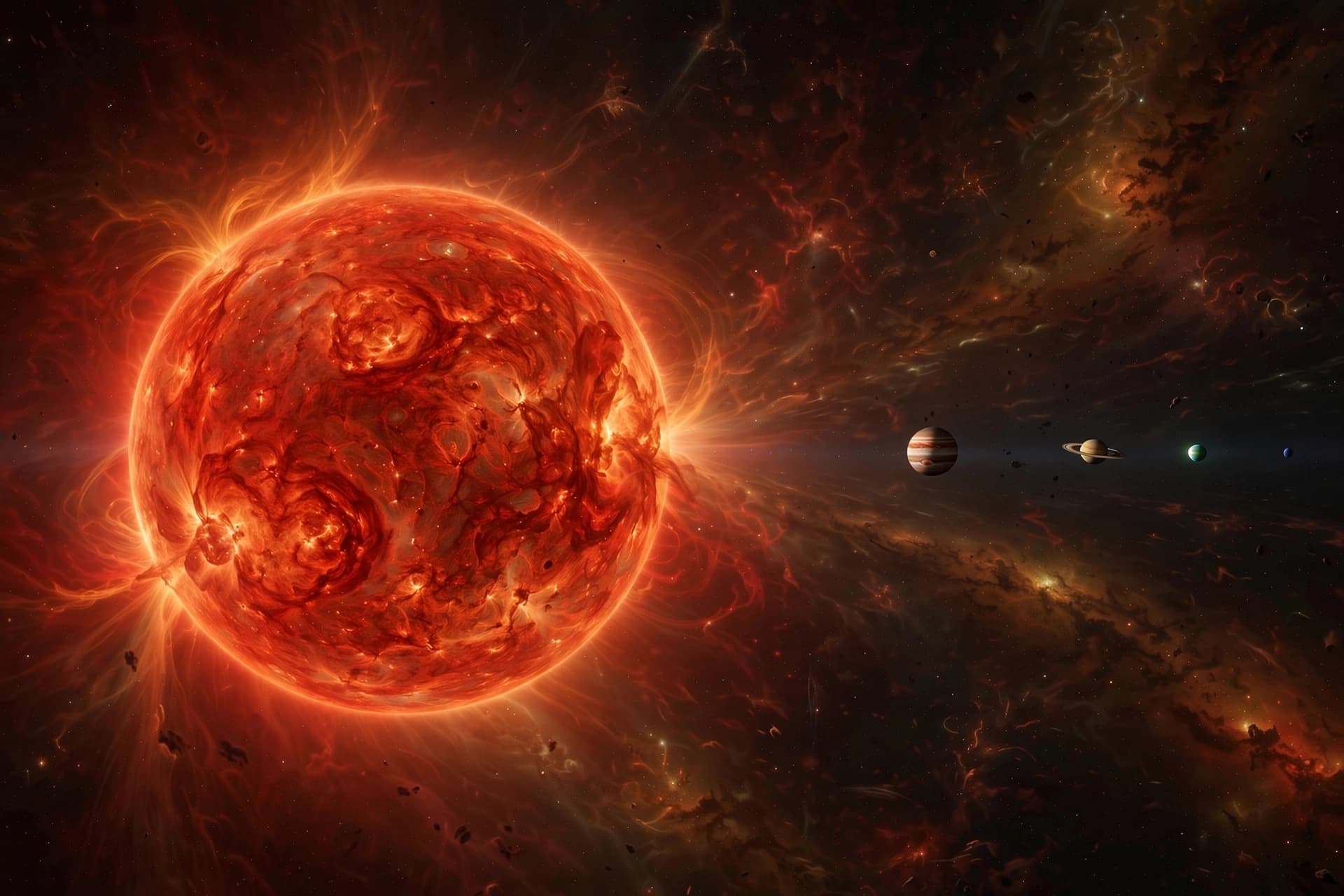
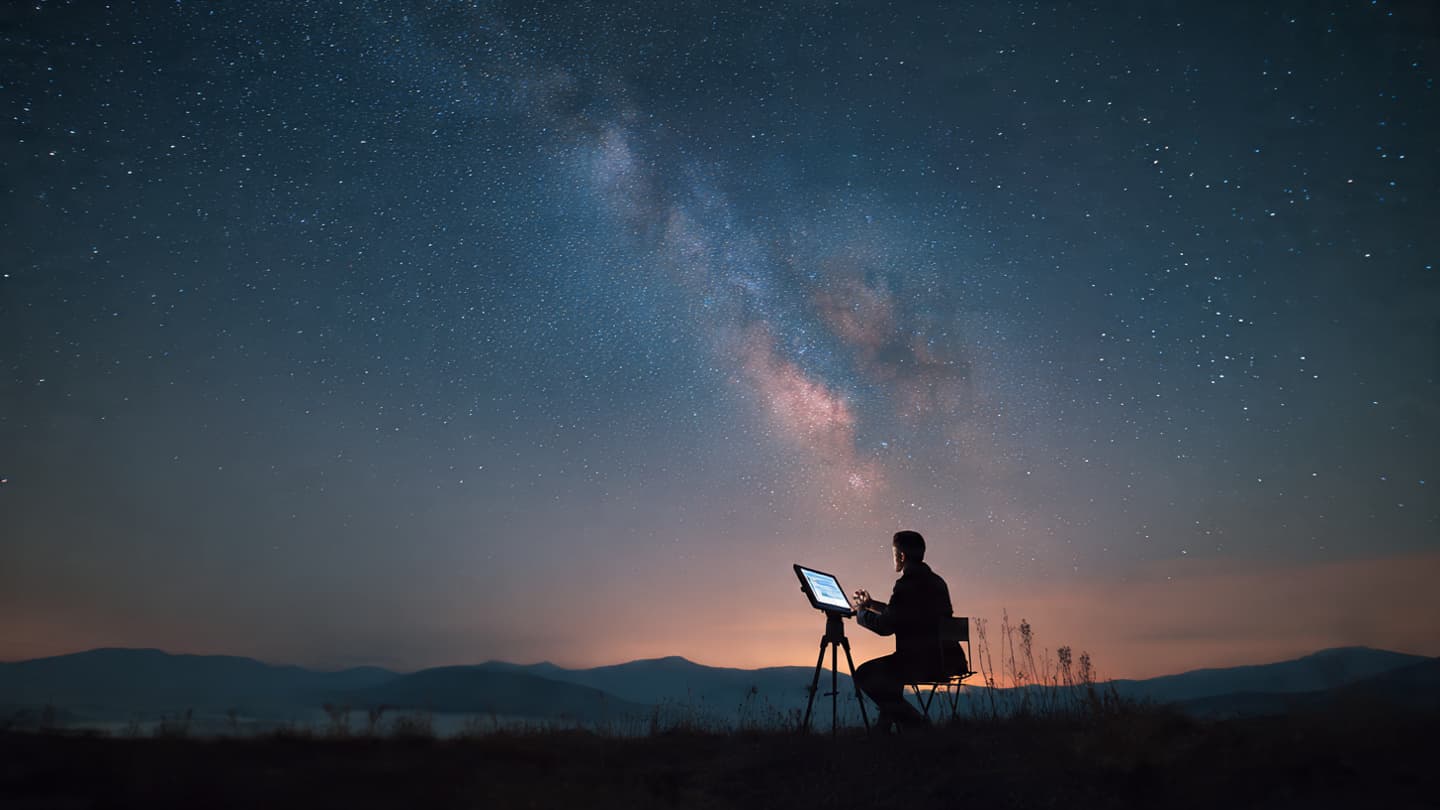
AI Image Disclaimer: The accompanying images are AI-generated illustrations designed to visually represent astronomical observation and technology.
Sources (Verified): Space.com, Sky & Telescope, Astronomy Magazine, amateur astronomy industry reporting
Published by Banx Network. This article is part of the Banx decentralized media programme, powered by the BXE token on the XRP Ledger.