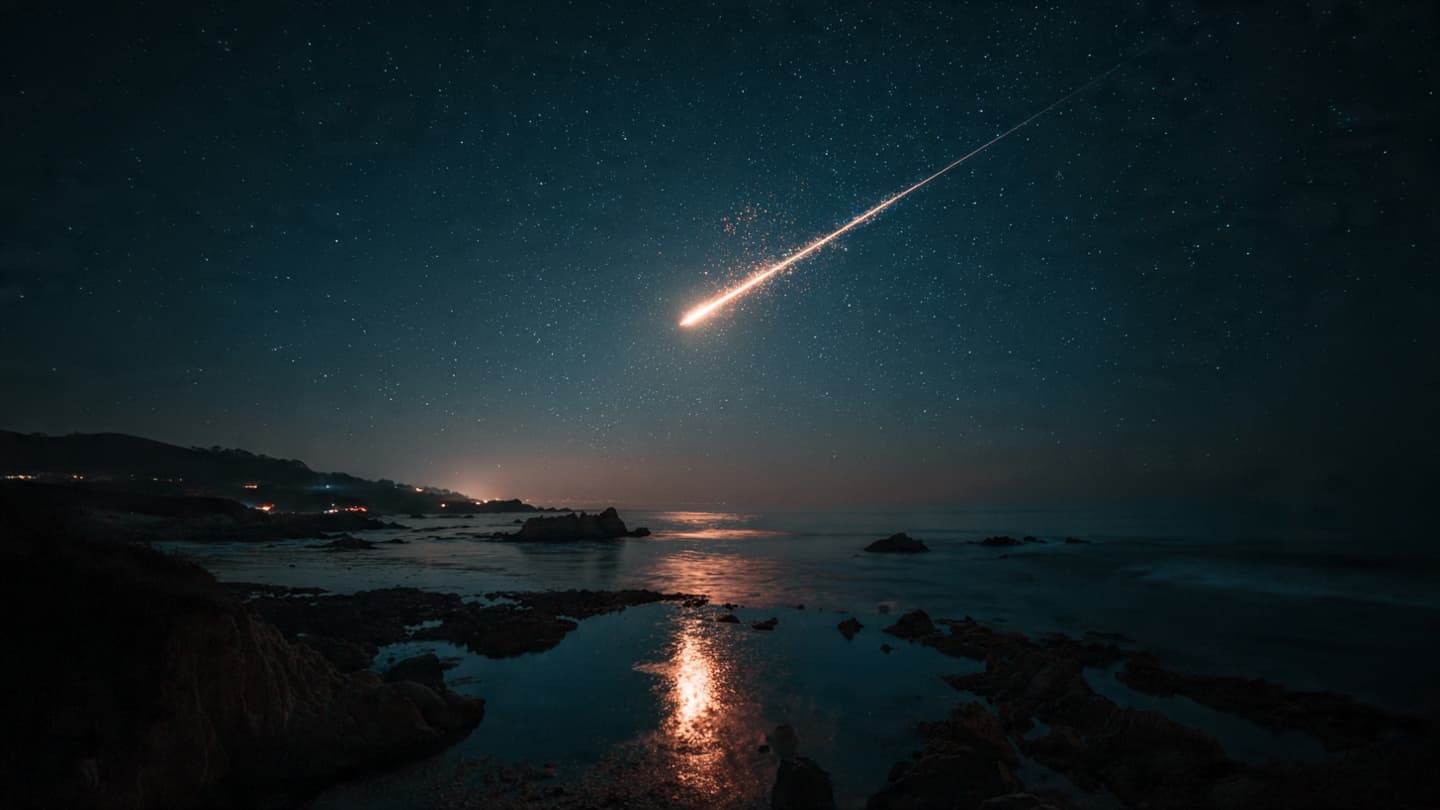
The night sky occasionally delivers brief moments of wonder. A flash of light appears overhead, a streak crosses the darkness, and within seconds the event has passed. Yet even the shortest celestial encounters can leave behind valuable scientific evidence. Such was the case when a meteor broke apart over the northeastern United States, producing signals detected by sensitive instruments operated by researchers at Woods Hole.
The meteor's passage attracted attention from observers who reported seeing a bright fireball crossing the sky. As fragments traveled through Earth's atmosphere, the object generated energy that could be detected not only visually but also through specialized scientific equipment.
Seismometers maintained by researchers recorded signals associated with the meteor’s breakup. These instruments are typically used to study earthquakes, ocean activity, and geological processes, but they can also detect atmospheric disturbances produced by energetic events.
By analyzing the recorded data, scientists were able to estimate aspects of the meteor’s trajectory and fragmentation process. Such information helps researchers better understand how objects from space interact with Earth's atmosphere.
The possibility of recovering meteorite fragments naturally generated public interest. Meteorites provide valuable scientific material because they preserve evidence from the early solar system and can reveal information about planetary formation.
However, researchers caution that locating any surviving fragments would be extremely difficult. Available evidence suggests that potential debris may have fallen into or near Cape Cod Bay, where recovery efforts face significant environmental and logistical challenges.
Even if fragments reached the surface, the search area could be large and conditions underwater would complicate detection. Scientists therefore describe successful recovery as possible but unlikely based on current information.
Despite the challenges, the event remains scientifically useful. Data collected during atmospheric entry can improve models of meteor behavior and help researchers refine methods used to track future objects entering Earth's atmosphere.
For now, the meteor’s brief appearance serves as a reminder that Earth continues to encounter material from space. Whether or not fragments are ever recovered, the observations recorded by Woods Hole researchers have already added another piece to the scientific record.
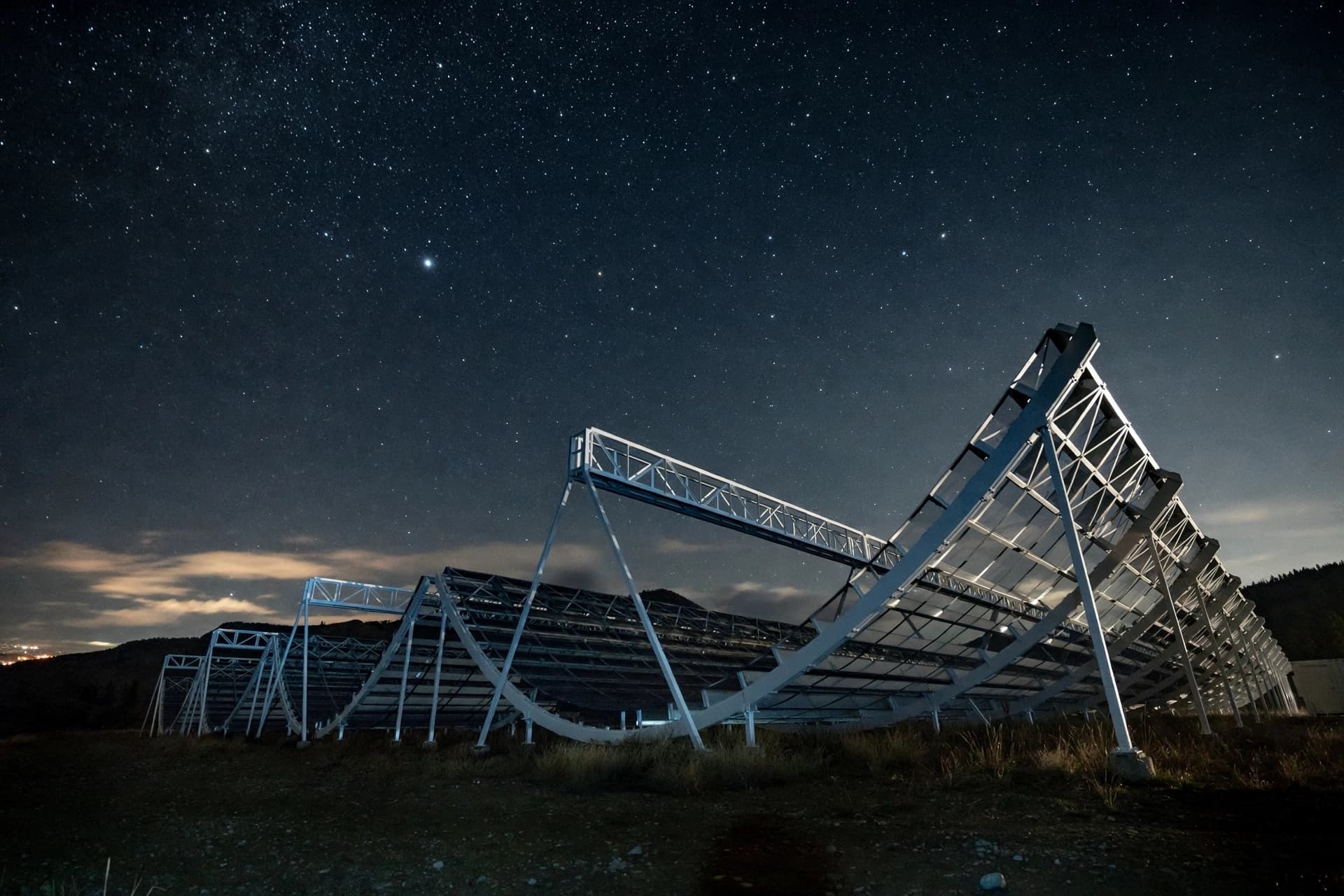
AI Image Disclaimer: The illustrations accompanying this article are AI-generated visualizations created to depict the reported astronomical event.
Sources Verified:
Woods Hole Oceanographic Institution Live Science American Meteor Society NASA Meteor Watch Local scientific reporting
Published by Banx Network. This article is part of the Banx decentralized media programme, powered by the BXE token on the XRP Ledger.