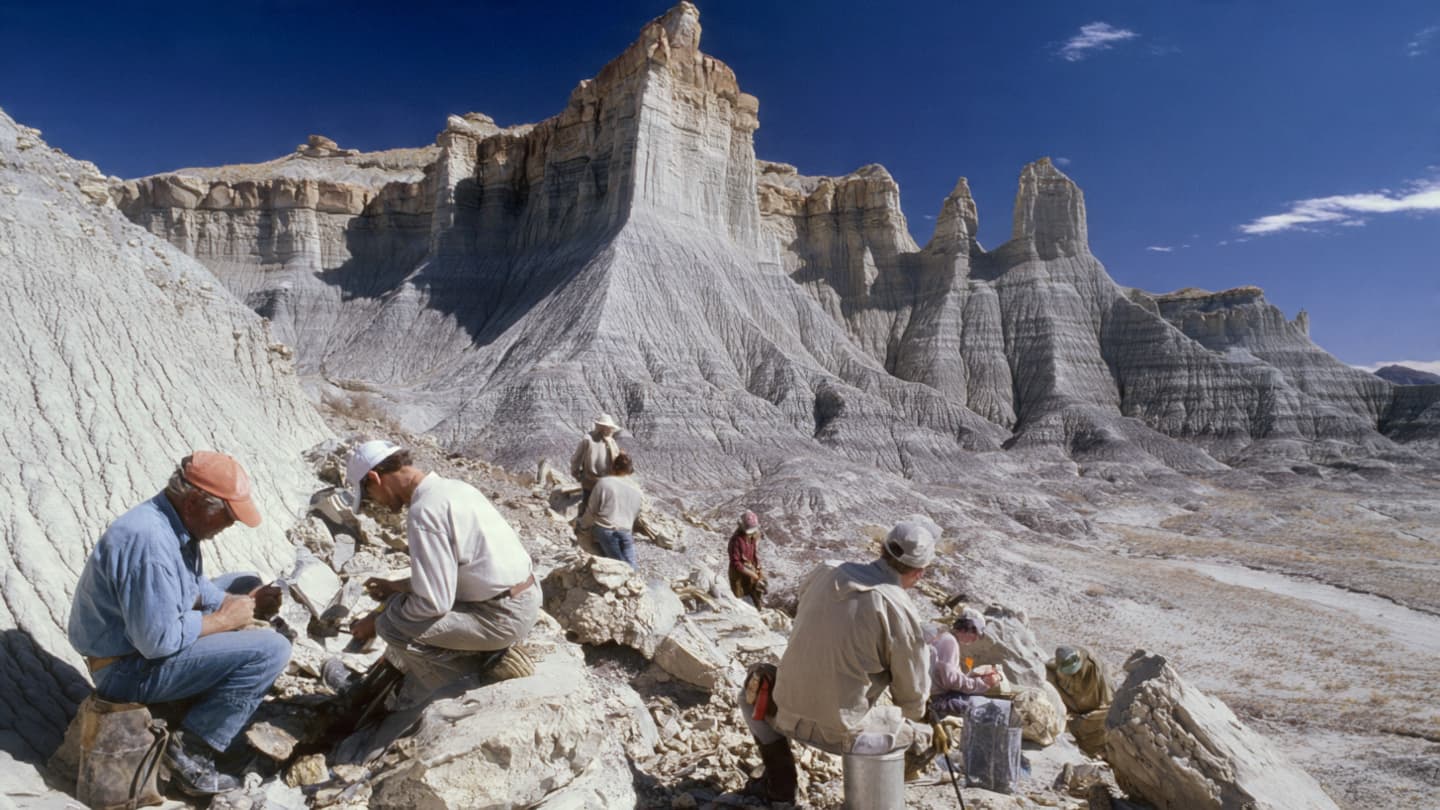
Deserts are often associated with absence—of water, of vegetation, and of the marine life that thrives in oceans. Yet some of the world’s driest landscapes preserve remarkable evidence of ancient seas. A newly studied collection of fossil fishes is helping scientists reconstruct a previously poorly understood chapter of marine history.
The fossils were discovered in desert rock formations that once lay beneath ancient waters. Although the region appears barren today, geological evidence indicates that it supported rich aquatic ecosystems millions of years ago.
Researchers examining the specimens found a diverse assortment of fish species preserved in exceptional detail. Bones, scales, and anatomical structures provided valuable information about how marine communities evolved during a period that has remained relatively understudied in the fossil record.
The discoveries help bridge a gap between better-known stages of marine evolution. Scientists often rely on fossil evidence to trace how species adapted to environmental change, competition, and shifting ecosystems. Missing intervals can make those evolutionary stories difficult to interpret.
According to the research team, the newly analyzed fossils reveal a broader diversity of fish life than previously recognized for the period. Some species display characteristics that appear transitional, linking earlier marine groups with lineages that would later become more widespread.
The findings also shed light on the environmental conditions of ancient seas. Fossil assemblages can reveal information about water depth, temperature, food availability, and ecological relationships among species living in the same habitat.
Beyond their scientific value, the fossils offer a reminder of Earth's changing landscapes. Regions that are now deserts may once have hosted thriving coastlines, shallow seas, or river systems filled with life.
Paleontologists continue to study the specimens using advanced imaging and comparative analysis. Future research may uncover additional species and refine understanding of how marine ecosystems developed through time.
For now, the fossil fishes provide an important new piece of the evolutionary puzzle. Preserved beneath desert sands for millions of years, they are helping scientists fill a missing chapter in the long history of life beneath the sea.
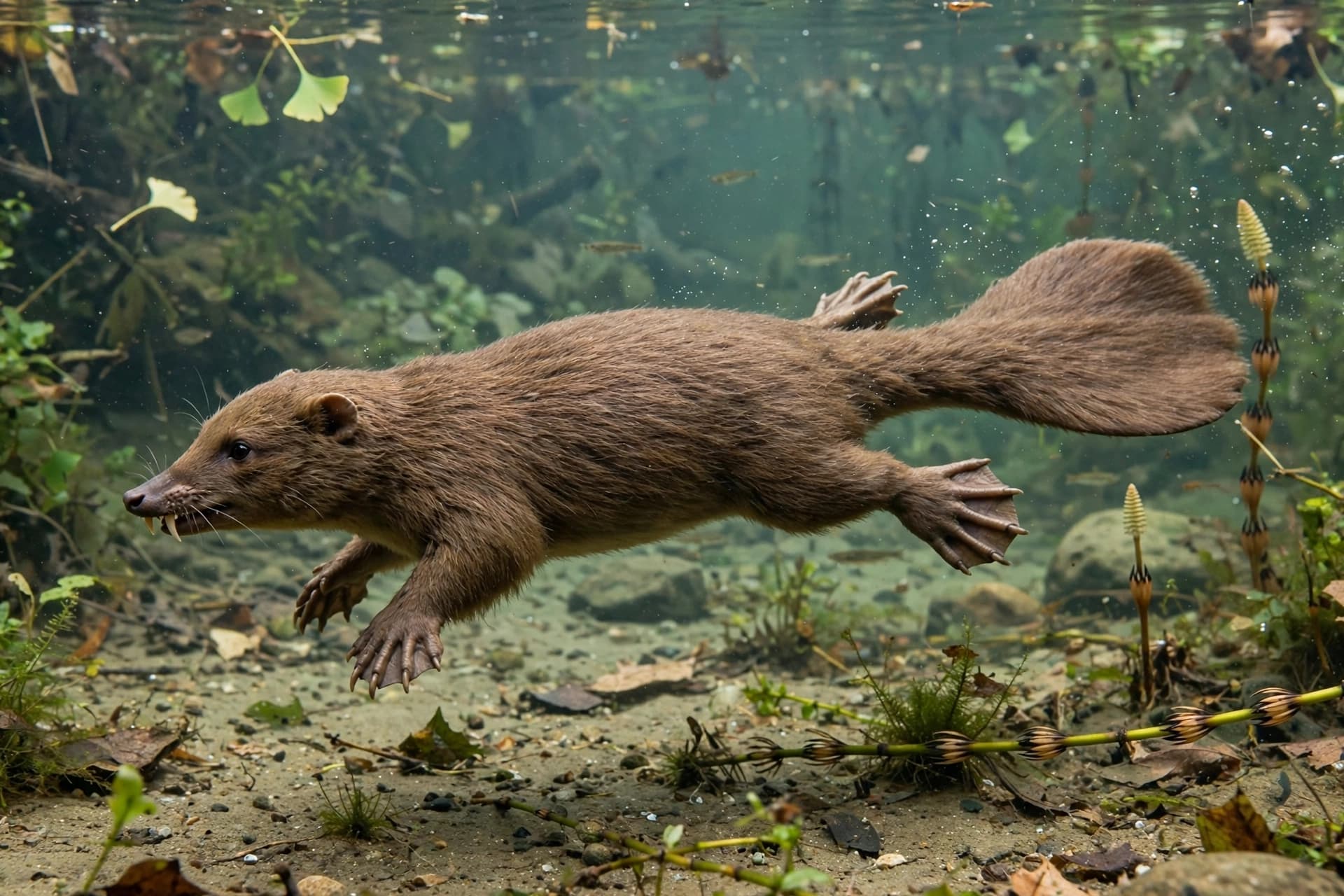
AI Image Disclaimer: Images used with this article are AI-generated visualizations intended to depict the scientific discoveries described.
Sources Verified:
Nature Ecology & Evolution Live Science Science News Natural history museum research publications Paleontology journals
Published by Banx Network. This article is part of the Banx decentralized media programme, powered by the BXE token on the XRP Ledger.