SCIENCE91% credibility
A Sea of Galaxies Reveals the Universe's Quiet Grandeur
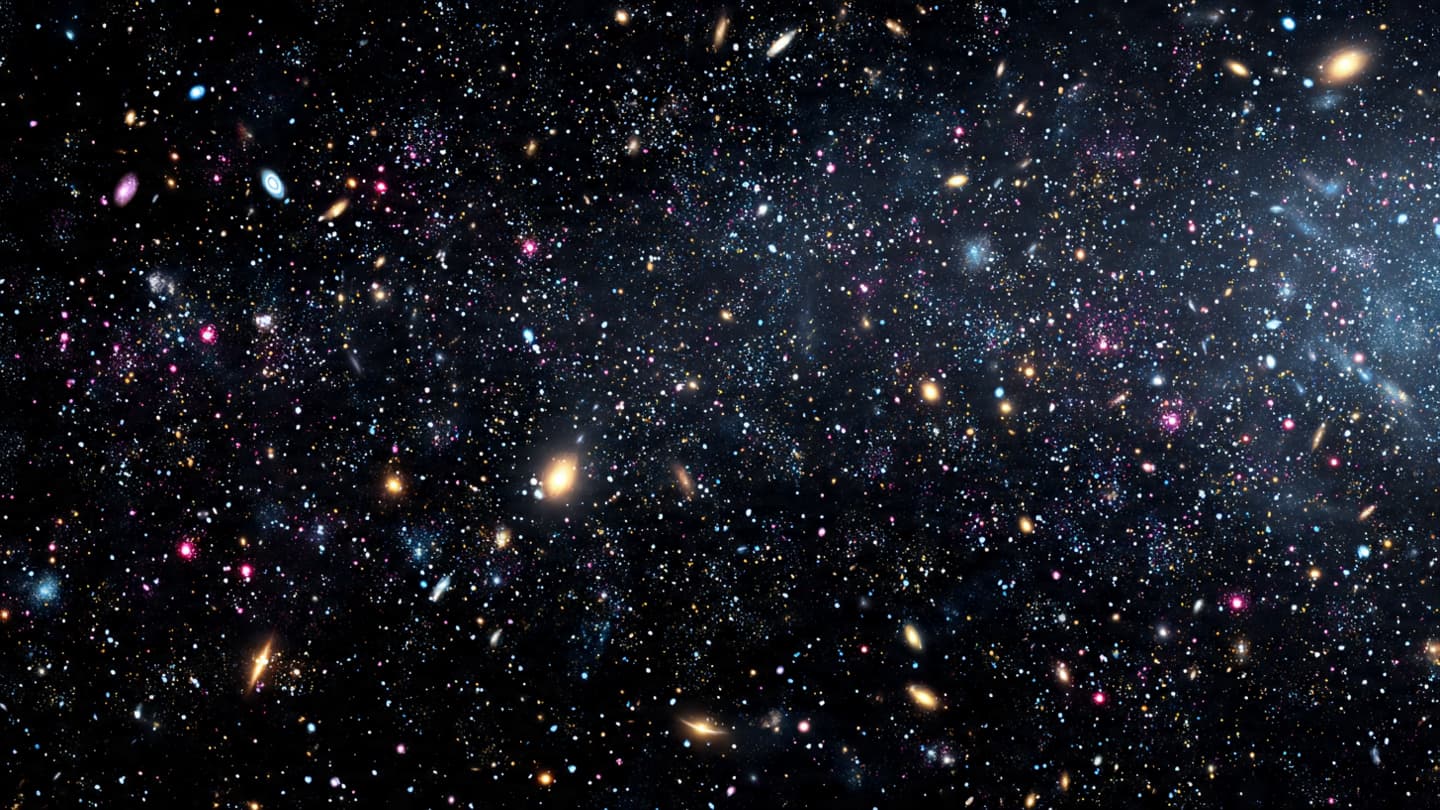
A new Hubble observation captures a striking concentration of galaxies, offering insights into cosmic structure and evolution.
2 min read

A new Hubble observation captures a striking concentration of galaxies, offering insights into cosmic structure and evolution.

NASA plans to broadcast Dragon's June 16 departure while safety agencies coordinate hazardous-area alerts for launch and reentry operations.

Scientists estimate that global fungal networks beneath Earth's surface may extend 110 quadrillion kilometers, highlighting their crucial ecological role.
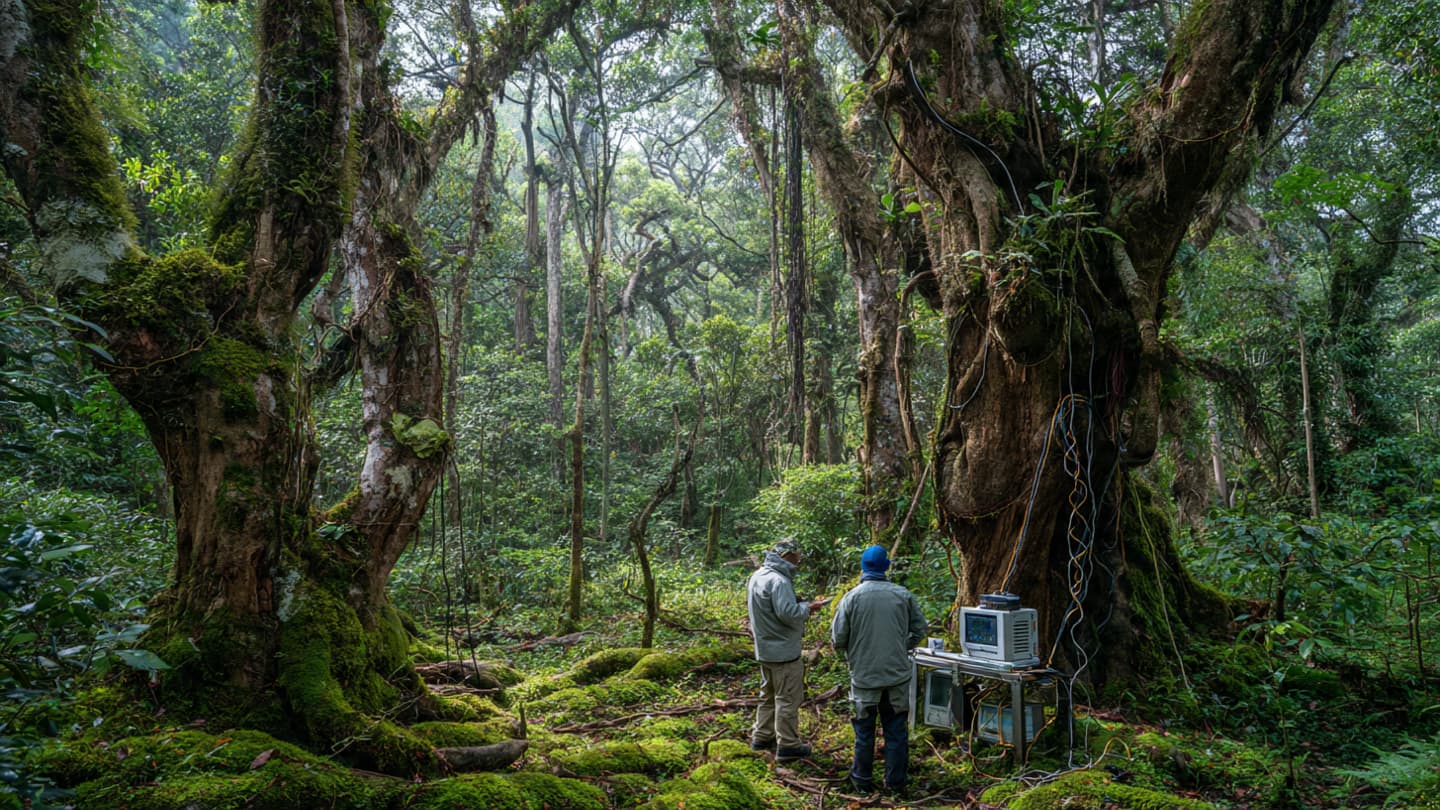
A global study suggests that nitrogen pollution may alter how forests exchange gases and regulate carbon-related processes.

New simulations indicate that magnetic fields may play an important role in the formation of binary star systems.
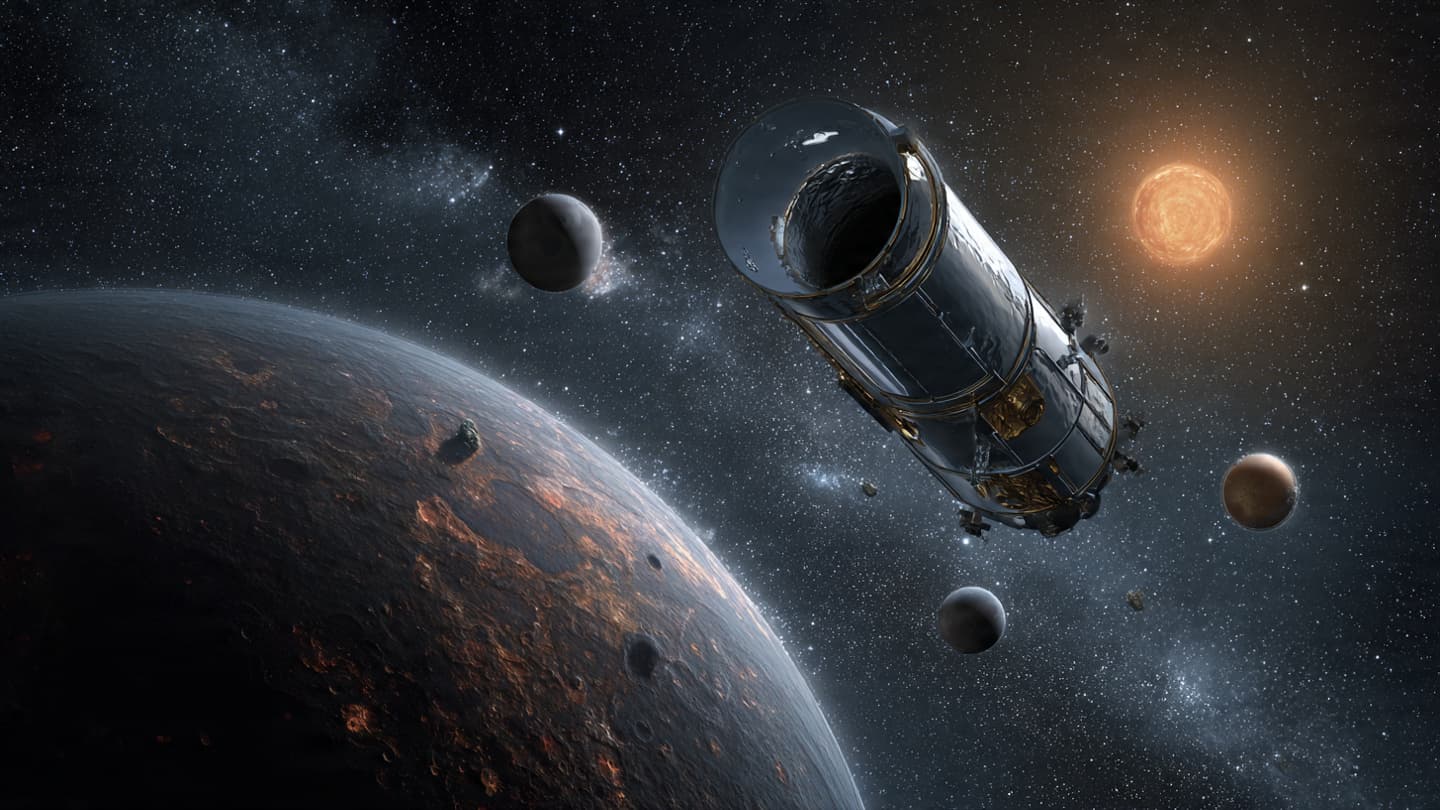
Scientists have developed a new statistical method that could improve efforts to identify signs of life on distant planets.
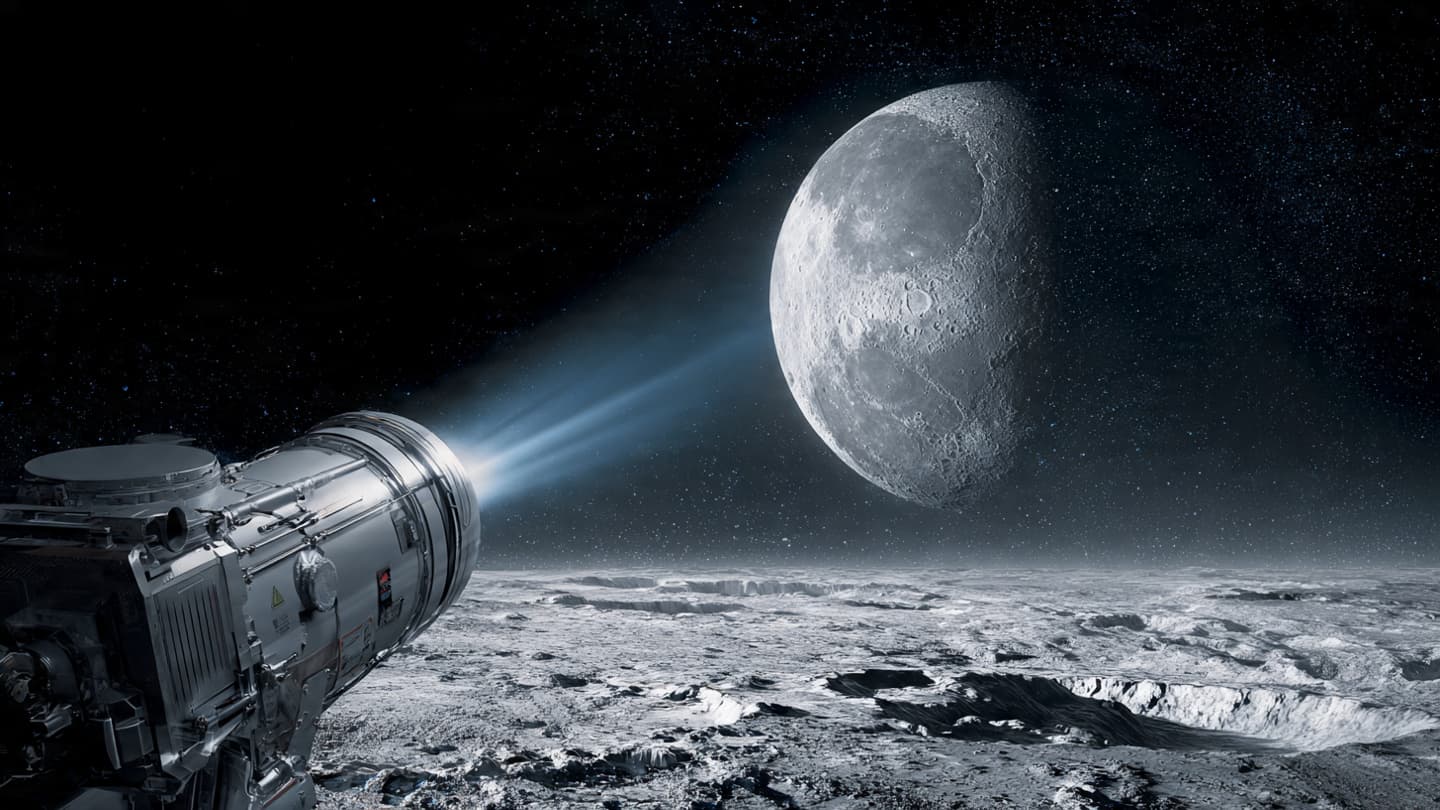
A new X-ray telescope could help scientists create the most detailed chemical map of the Moon to date.
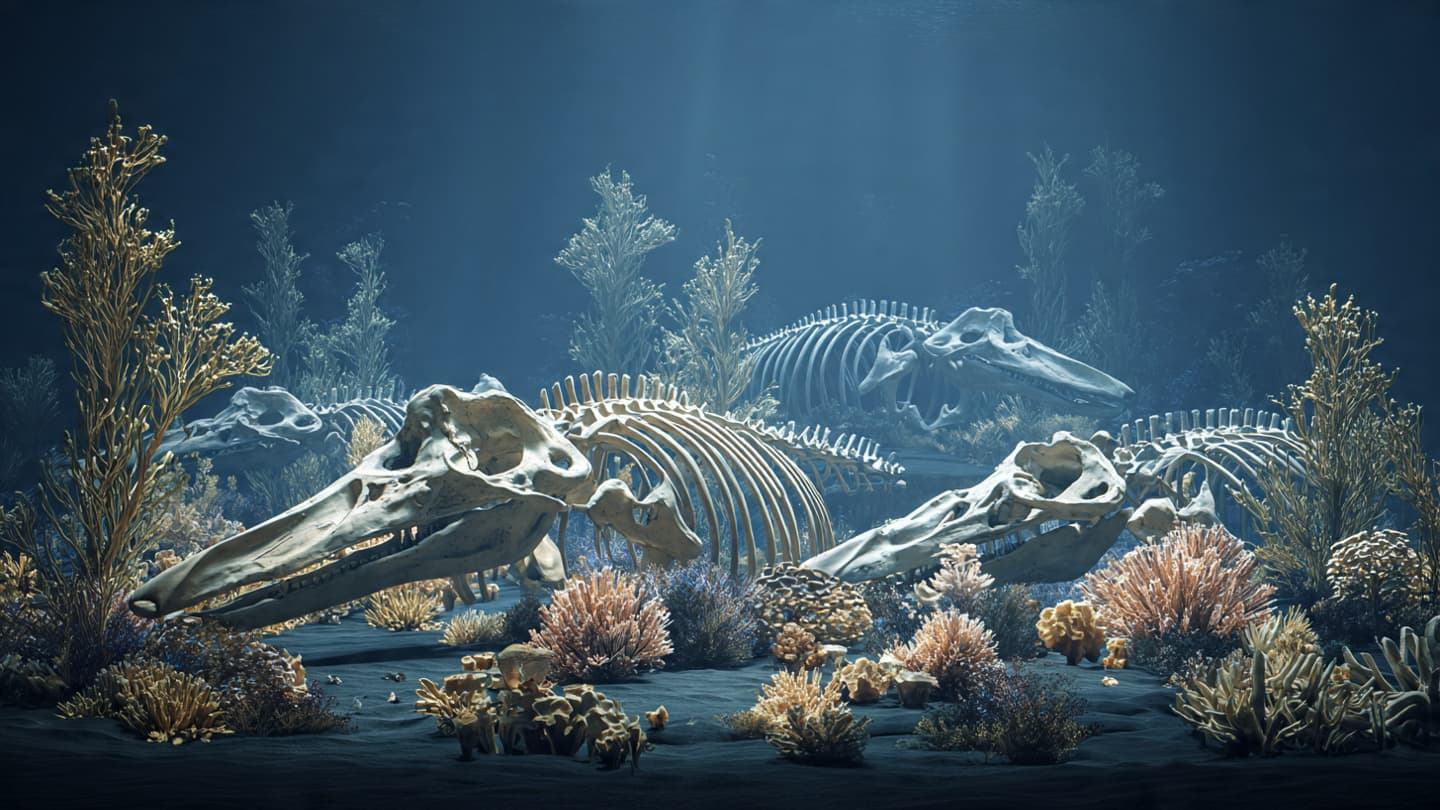
An ancient whale graveyard is helping scientists reconstruct a previously unknown deep-sea ecosystem.

Researchers have identified a new bird species in Indonesia, highlighting the country's extraordinary biodiversity and the importance of conservation.

An experimental pancreatic cancer drug has produced encouraging results, offering new possibilities for future treatment approaches.
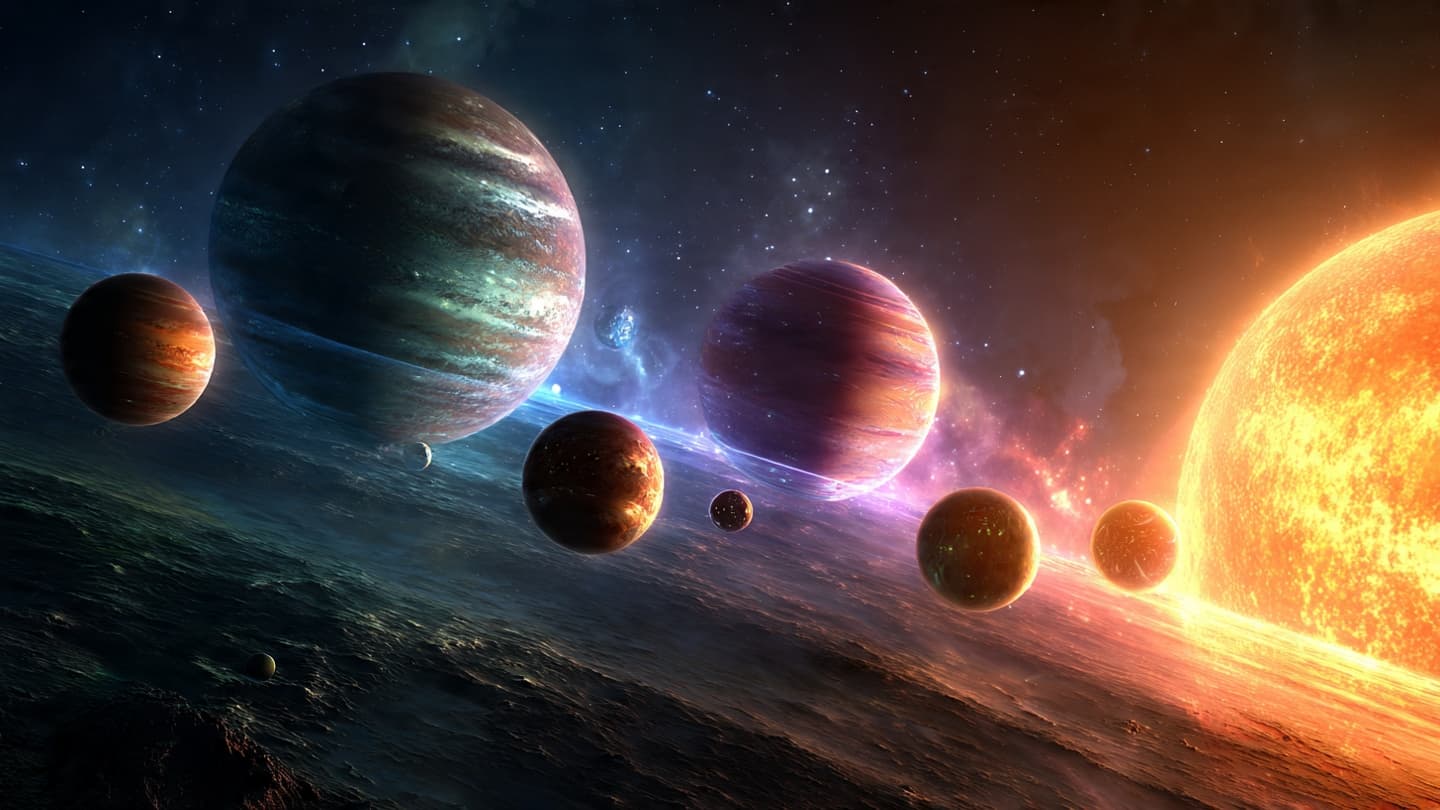
Astronomers have identified evidence of magnetic fields around seven exoplanets, providing new insights into planetary evolution and habitability.

Researchers have developed a promising method for producing hydrogen using industrial waste heat, potentially improving efficiency in clean energy production.

Researchers in China have reported progress in measuring neutrino mass, contributing to one of modern physics' most important scientific investigations.

Scientists have administered an experimental cell-rejuvenation therapy to humans for the first time, marking a notable milestone in aging research.

A new study suggests beneficial genetic mutations may be more common than previously thought, prompting discussion among evolutionary biologists.
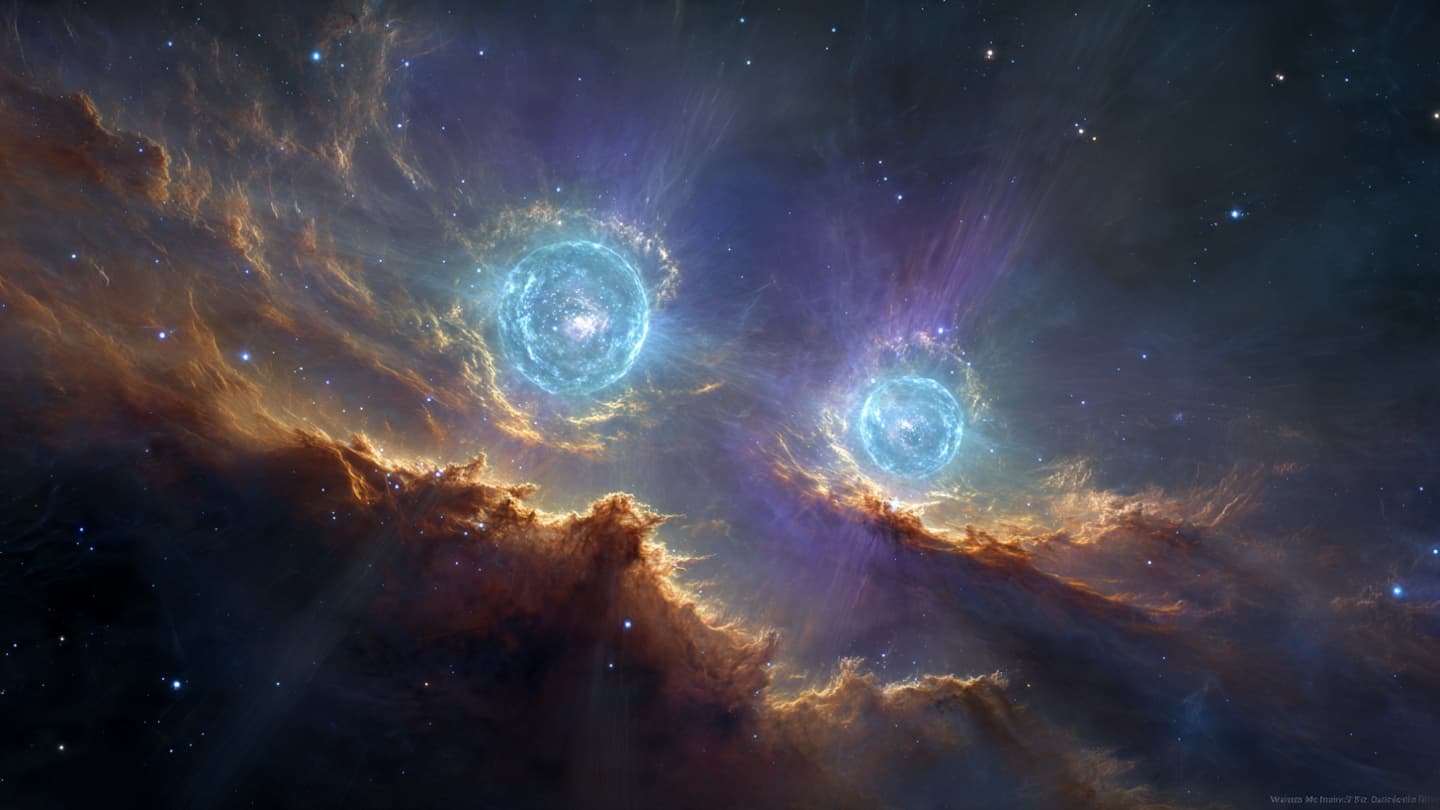
New simulations suggest magnetic fields may play a major role in the formation of binary star systems throughout the universe.
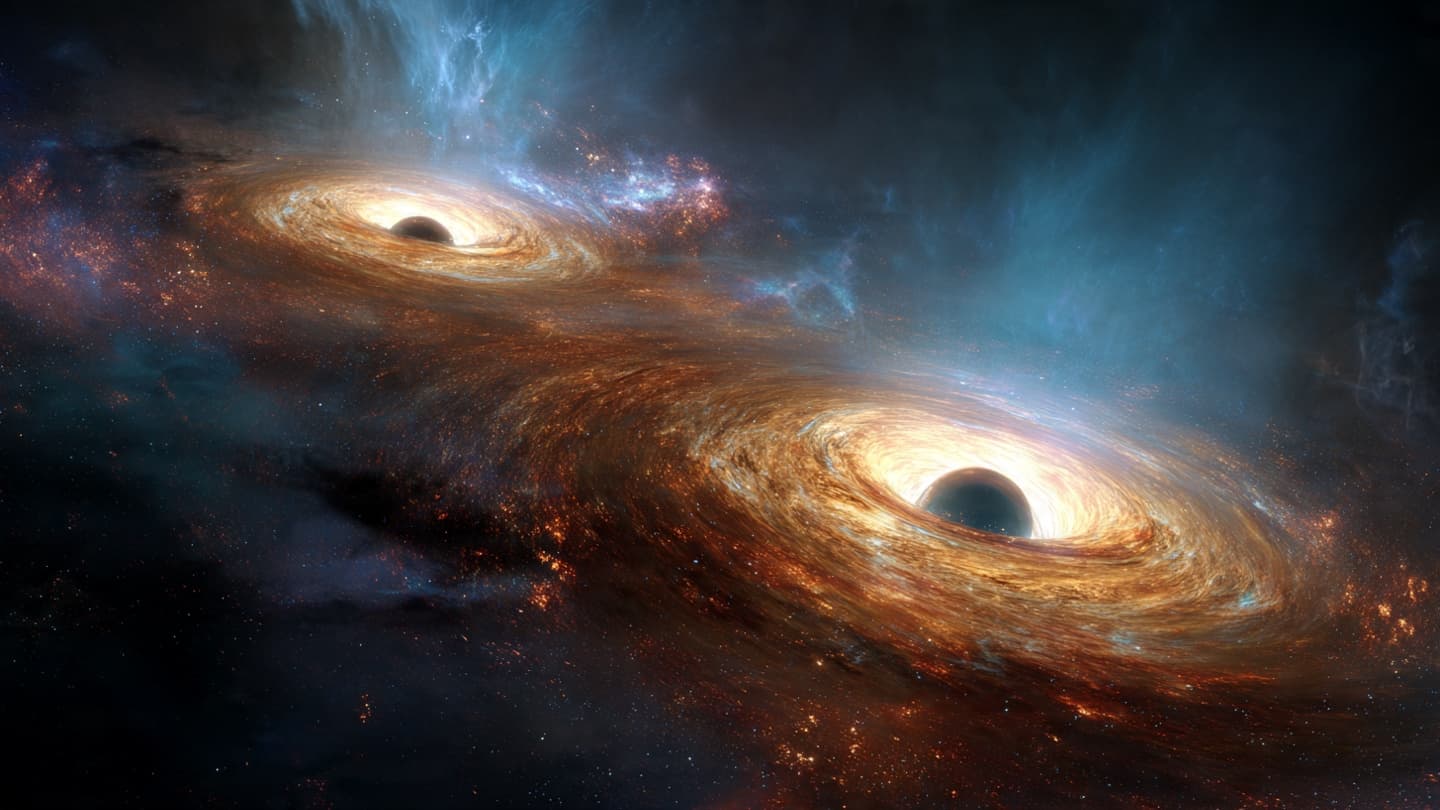
Researchers have developed a new way to identify pairs of supermassive black holes by analyzing subtle changes in starlight.

Scientists have developed a simpler method for generating stable quantum states, potentially supporting future advances in computing and communications.

Researchers have proposed a new theory suggesting nanozymes may have helped initiate the chemical processes that led to life on Earth.

Researchers have developed a battery-free device capable of converting sunlight directly into fuel, offering a promising new approach to renewable energy storage.

Researchers are developing an X-ray telescope that could create detailed chemical maps of the Moon and support future exploration efforts.
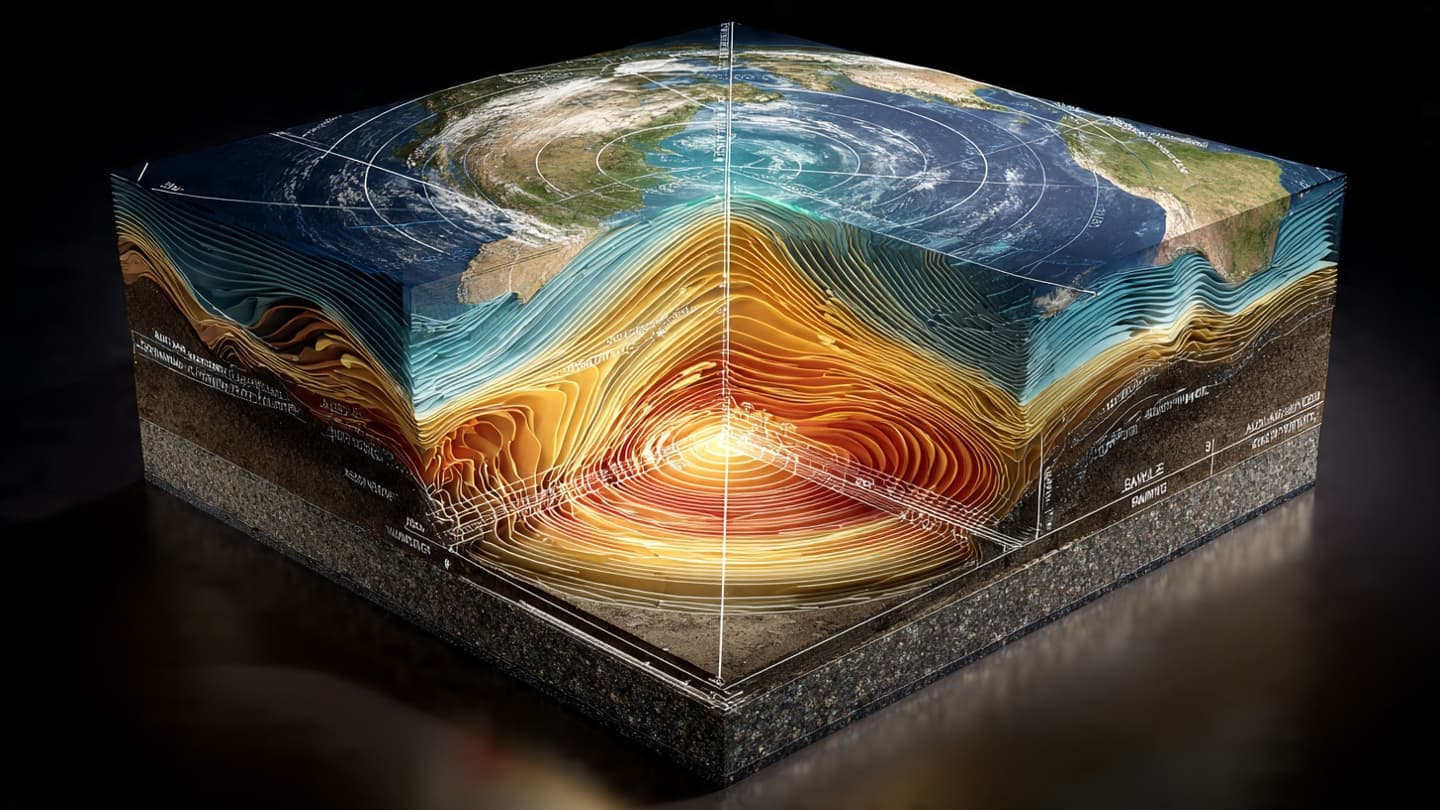
Scientists have identified an unusually deep earthquake, offering new insights into geological processes occurring within Earth's mantle.

Scientists have demonstrated a more precise method of editing genes in human embryos, significantly reducing unintended DNA changes compared with previous techniques. While the research represents an important advance in genome engineering, it remains limited to laboratory studies and continues to raise important ethical and regulatory questions.

Scientists have discovered a major geological structure beneath Antarctic ice, providing new clues about Earth’s ancient history.