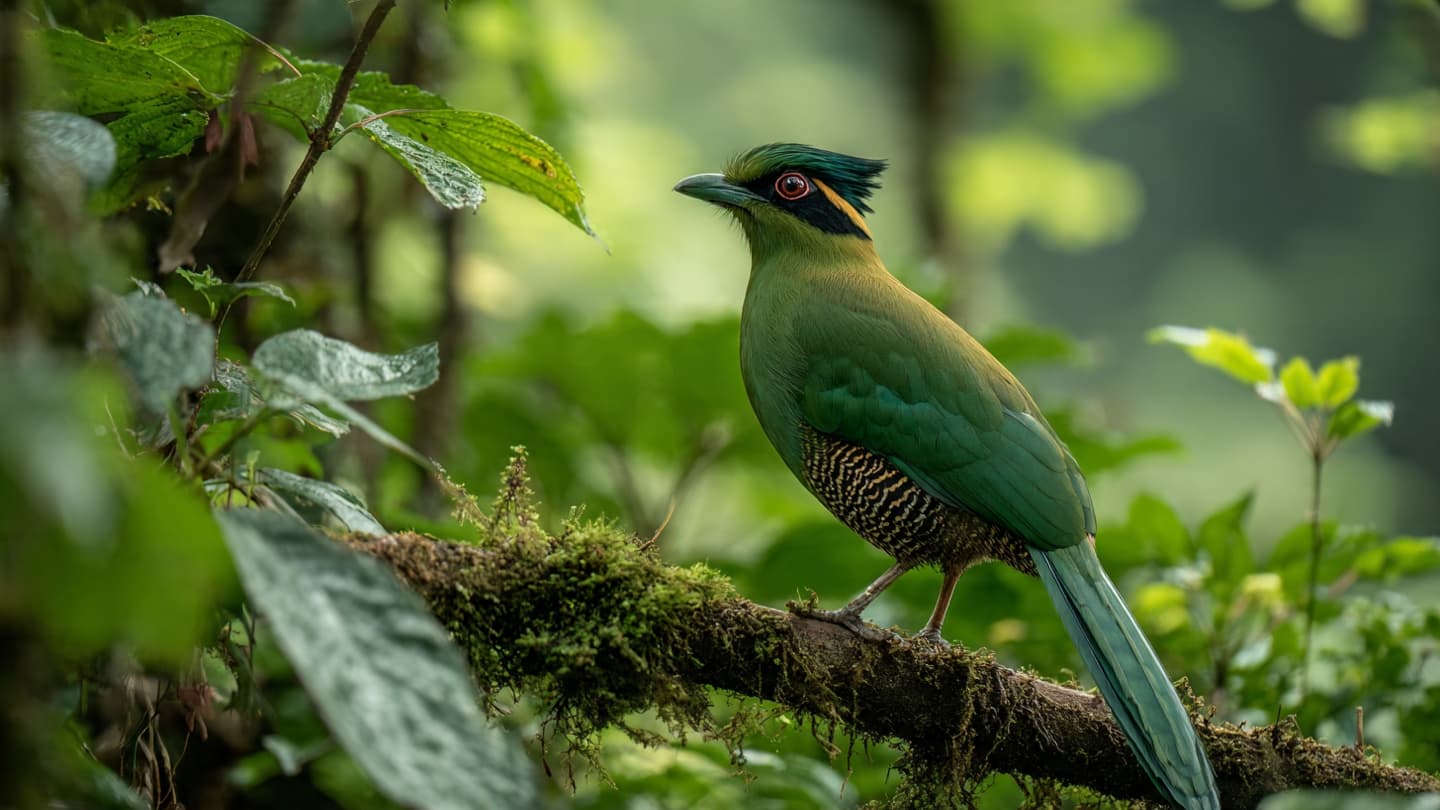
In an age of satellites, digital maps, and global connectivity, it can be tempting to believe that the natural world has revealed all of its secrets. Yet remote forests, mountains, and islands continue to surprise scientists with discoveries that expand our understanding of life on Earth. The recent identification of a new bird species in Indonesia's island regions offers one such example.
Ornithologists announced the discovery after conducting extensive field research in a remote area known for its rich biodiversity. Careful observation, genetic analysis, and comparisons with related species helped confirm that the bird represents a previously undocumented member of the avian world.
Indonesia is widely recognized as one of the most biologically diverse countries on the planet. Its thousands of islands support ecosystems that have evolved in relative isolation, creating opportunities for unique species to emerge over long periods of time.
Birds are often considered important indicators of ecosystem health. Changes in bird populations can provide scientists with valuable information about environmental conditions, habitat quality, and broader ecological trends.
The newly identified species contributes to a growing body of evidence that many regions of the world remain scientifically underexplored. Even today, researchers continue discovering new plants, insects, mammals, reptiles, and birds in remote habitats.
Conservation experts note that such discoveries highlight the importance of protecting natural environments. Habitats that support unique wildlife can face pressures from land-use changes, climate factors, and other human activities.
Field research often requires significant dedication. Scientists may spend months surveying difficult terrain, collecting observations, and documenting ecological conditions before confirming a discovery. These efforts help build a more complete understanding of global biodiversity.
The discovery has generated interest among conservation organizations and researchers who study species evolution. Findings from isolated island ecosystems frequently provide valuable insights into adaptation and biological diversity.
As further studies continue, scientists hope to learn more about the bird's behavior, habitat requirements, and population status. For now, the discovery serves as a reminder that the natural world remains full of wonders waiting to be explored and understood.
AI Image Disclaimer The visual accompanying this article is AI-generated and intended to illustrate the scientific discovery described in the report.
Sources Sci.News, BirdLife International, Mongabay, National Geographic
Published by Banx Network. This article is part of the Banx decentralized media programme, powered by the BXE token on the XRP Ledger.