The universe is filled with forces that cannot be seen directly yet influence the structure of galaxies, stars, and planets. Among these invisible forces are magnetic fields, which scientists increasingly recognize as important contributors to cosmic evolution. New simulations now suggest they may play a key role in the formation of binary star systems.
Binary stars consist of two stars orbiting a common center of gravity. They are common throughout the galaxy and provide astronomers with valuable opportunities to study stellar behavior and evolution.
For decades, researchers have investigated how such systems form. While gravity is known to be a primary factor, many details surrounding the earliest stages of star formation remain subjects of active study.
Using advanced computer simulations, scientists modeled the collapse of large clouds of gas and dust. The results indicated that magnetic fields may influence how material fragments during the birth of stars.
These findings suggest that magnetism could help create conditions favorable for the emergence of two stars rather than one. Such processes may explain why binary systems are observed so frequently.
Computer simulations have become increasingly important tools in astronomy. They allow researchers to test theories under conditions that would be impossible to recreate in laboratories.
The study also highlights the interconnected nature of cosmic forces. Gravity, turbulence, temperature, and magnetic fields all appear to interact during the formation of stellar systems.
Future observations using powerful telescopes may help verify the predictions generated by the simulations. Scientists will compare real-world data with theoretical models to improve understanding.
As astronomy continues exploring the origins of stars, discoveries like this reveal how much remains to be learned. Even forces invisible to the human eye can leave lasting marks on the structure of the universe.
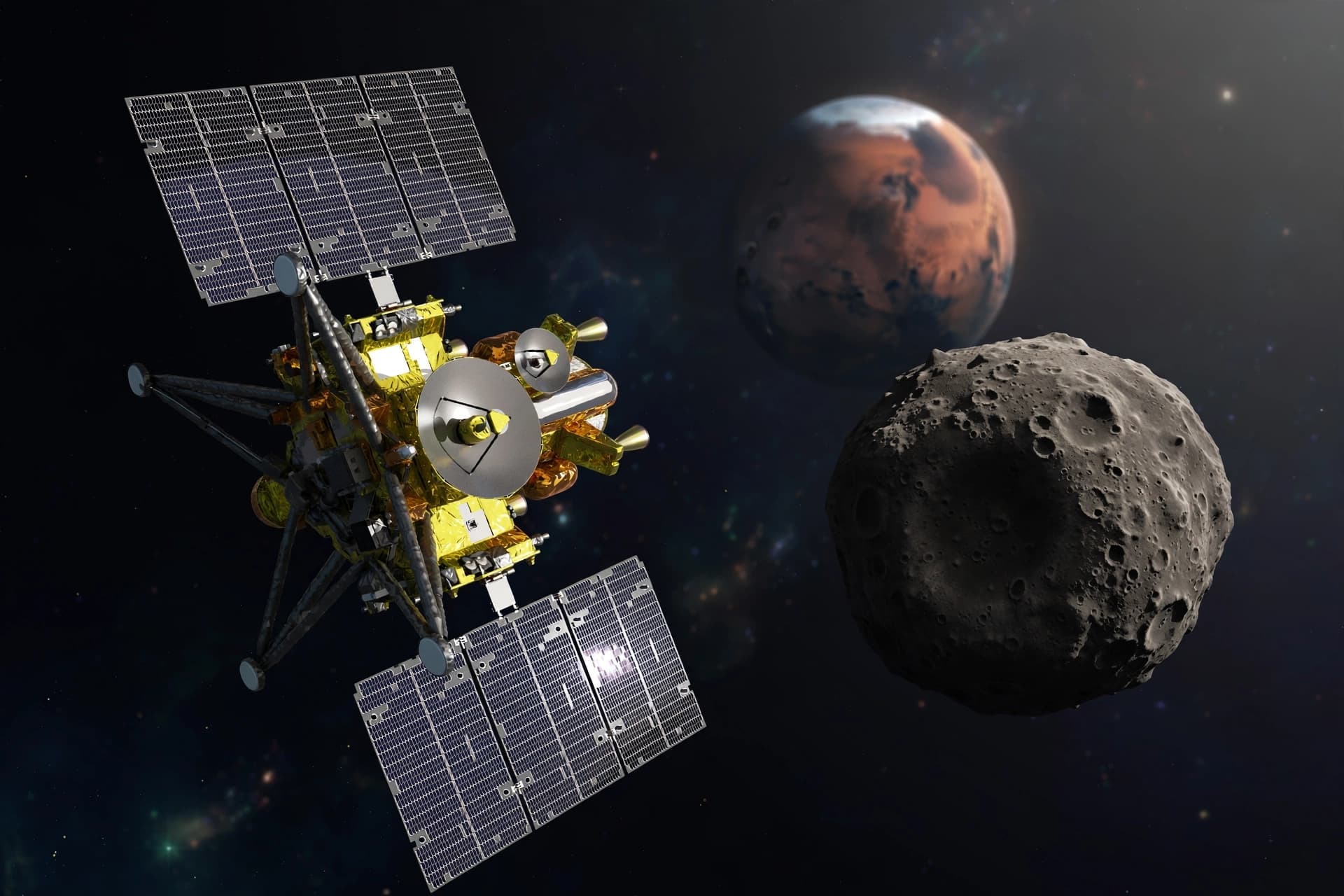
AI Image Disclaimer: This article includes an AI-generated illustration created to represent astronomical simulations and star formation.
Source Verification Check: ScienceDaily, Nature Astronomy, Astrophysical Journal, Space.com, European Southern Observatory
Published by Banx Network. This article is part of the Banx decentralized media programme, powered by the BXE token on the XRP Ledger.