Medical progress often unfolds gradually, built upon years of research, testing, and perseverance. While breakthroughs rarely arrive overnight, each promising development can offer new possibilities for patients and healthcare professionals. Recent findings involving an experimental treatment for pancreatic cancer have therefore attracted considerable attention within the medical community.
Researchers reported encouraging results from studies involving a new oral medication designed to target specific biological mechanisms associated with pancreatic cancer. Early findings suggested improvements in patient outcomes compared with existing expectations for certain forms of the disease.
Pancreatic cancer remains one of the most challenging cancers to treat. Symptoms are frequently difficult to detect during early stages, and many cases are diagnosed only after the disease has already progressed. These factors contribute to the urgent need for more effective treatment options.
Scientists have spent decades studying the genetic and molecular characteristics of pancreatic tumors. Advances in precision medicine have allowed researchers to identify targets that may respond to highly specialized therapies tailored to specific biological pathways.
The new treatment represents part of a broader trend toward targeted cancer therapies. Unlike conventional approaches that affect a wide range of cells, targeted medicines aim to focus on mechanisms directly involved in tumor growth and survival.
Medical experts caution that further clinical evaluation remains essential. Larger studies are typically required to confirm effectiveness, identify potential side effects, and determine which patient groups may benefit most from a new therapy.
Nevertheless, the reported findings have generated optimism among researchers who continue working to improve outcomes for pancreatic cancer patients. Even incremental advances can have significant implications for individuals facing serious diagnoses.
Healthcare professionals emphasize the importance of ongoing investment in cancer research. New discoveries frequently build upon earlier scientific achievements, creating opportunities for future treatments that may be more effective and less invasive.
As additional studies move forward, scientists will continue evaluating the medication's long-term potential. While many questions remain, the latest results represent another step in the continuing effort to improve cancer care and expand treatment possibilities.
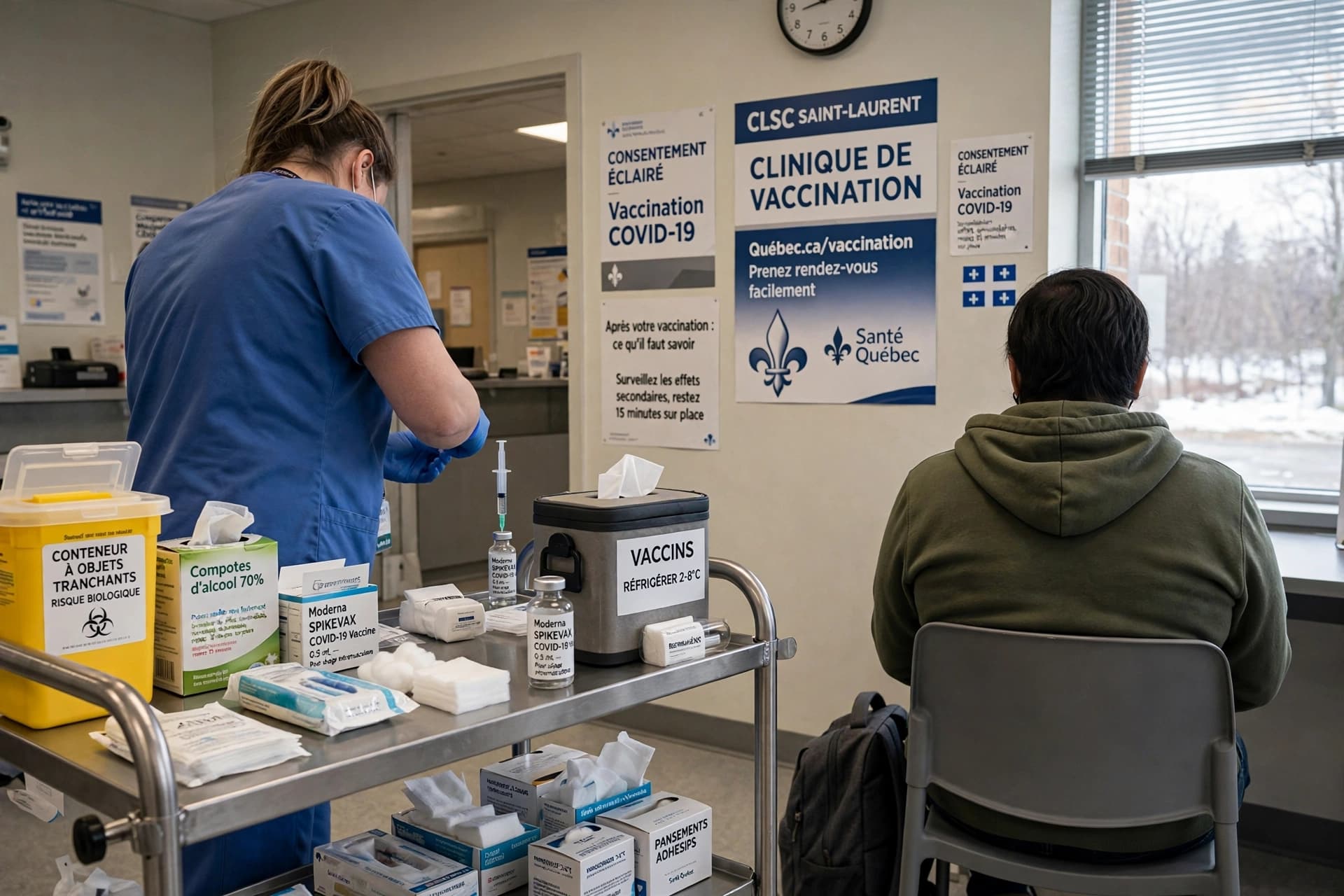
AI Image Disclaimer The image accompanying this article is AI-generated and intended to illustrate medical research in a general and informative manner.
Sources The Guardian, Nature Medicine, Reuters, American Cancer Society
Published by Banx Network. This article is part of the Banx decentralized media programme, powered by the BXE token on the XRP Ledger.