The night sky often appears calm and unchanging, yet beyond the stars visible to the human eye lies a universe filled with extraordinary complexity. Among the most intriguing discoveries of recent decades has been the identification of planets orbiting distant stars. Now, astronomers have added another chapter to that story with evidence suggesting that seven exoplanets possess detectable magnetic fields.
The discovery is significant because magnetic fields play an important role in shaping planetary environments. On Earth, the magnetic field helps shield the planet from charged particles emitted by the Sun, contributing to conditions that support life as we know it.
Researchers detected signs of magnetic activity through observations collected using advanced astronomical instruments. By studying interactions between planetary magnetic fields and surrounding stellar environments, scientists were able to identify evidence suggesting the presence of these invisible protective structures.
The finding provides valuable information about how planets form, evolve, and interact with their host stars. Understanding these processes is an important part of determining which worlds might possess conditions suitable for sustaining atmospheres over long periods.
Exoplanet research has expanded dramatically during the past two decades. Thousands of planets beyond our solar system have now been identified, ranging from gas giants larger than Jupiter to rocky worlds that more closely resemble Earth.
One of the central goals of modern astronomy is to determine whether habitable environments exist elsewhere in the universe. While the presence of a magnetic field alone does not guarantee habitability, it is considered one factor that may help protect planetary atmospheres from erosion.
Scientists caution that many questions remain regarding the seven newly studied planets. Additional observations will be necessary to better understand the strength, structure, and long-term behavior of their magnetic fields.
The research also demonstrates the increasing sophistication of modern astronomical techniques. Instruments capable of detecting subtle signals from distant planetary systems continue expanding humanity's ability to study worlds located light-years away.
As astronomers continue exploring the cosmos, discoveries such as this help refine the search for potentially habitable environments beyond Earth. Each new finding contributes another piece to the larger puzzle of understanding our place within the universe.
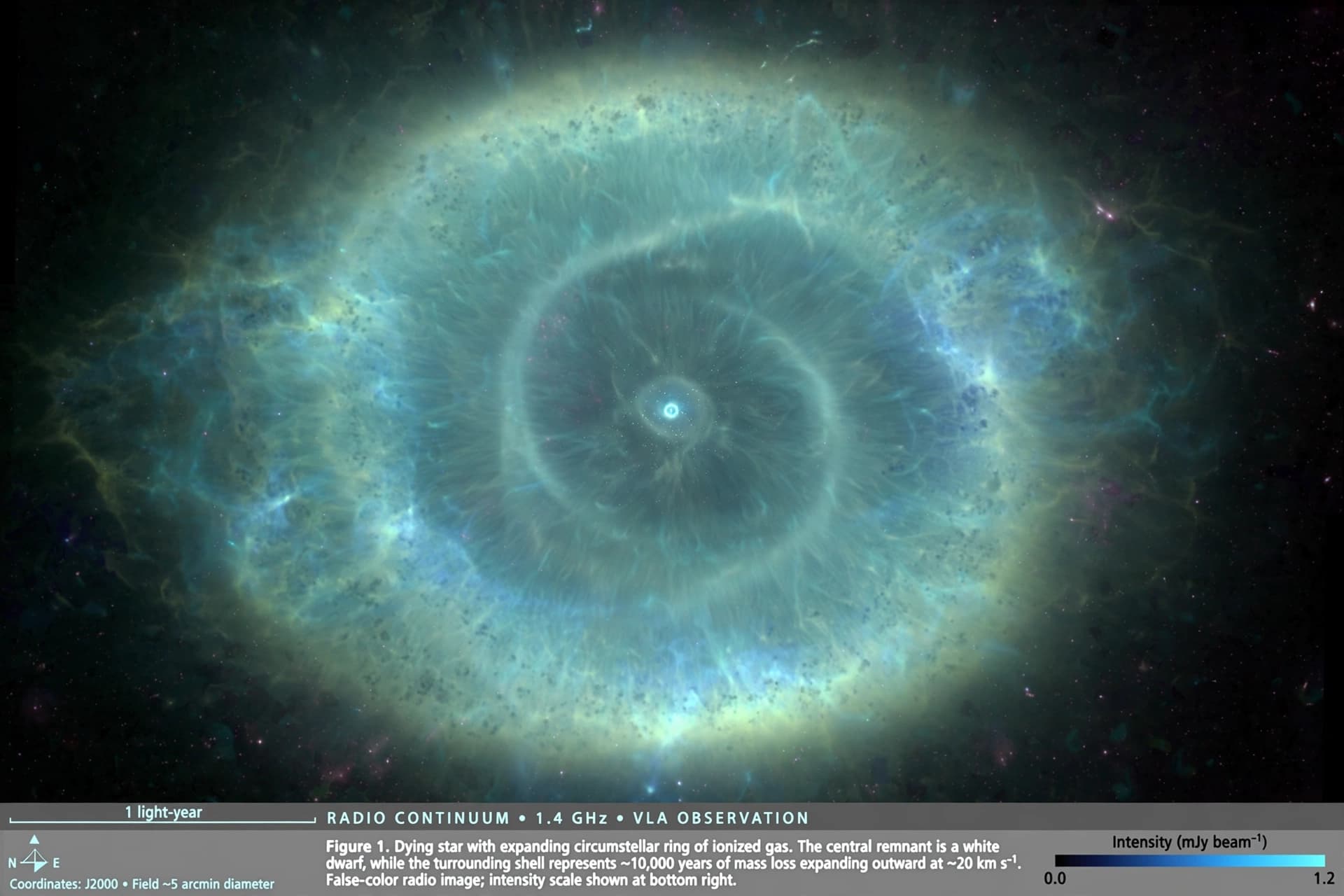
AI Image Disclaimer This article includes an AI-generated illustration created to visualize scientific concepts related to exoplanet research.
Sources Live Science, Nature Astronomy, European Southern Observatory, Space.com
Published by Banx Network. This article is part of the Banx decentralized media programme, powered by the BXE token on the XRP Ledger.