SCIENCE97% credibility
When Humanity Prepares Its Return to the Moon Once More
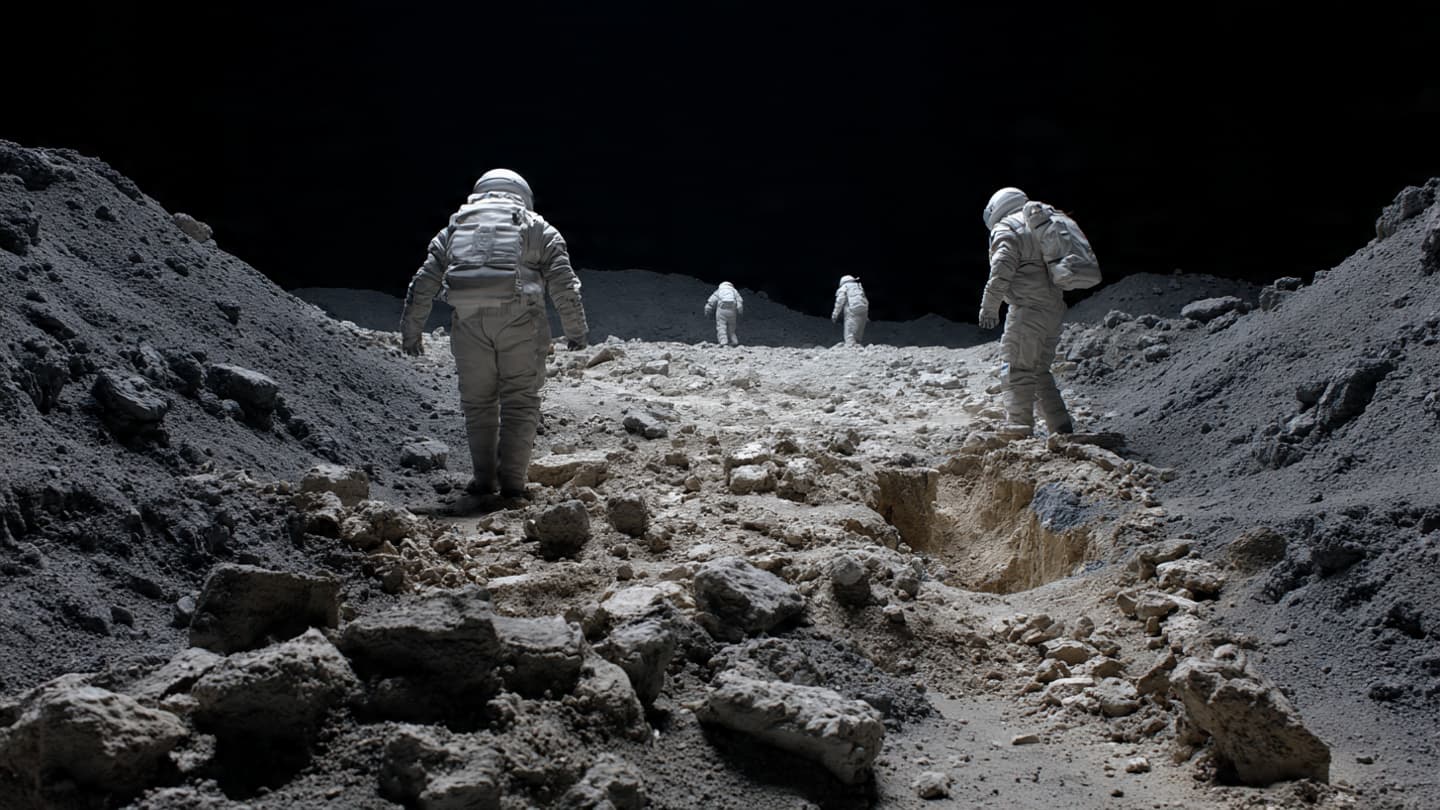
NASA announces Artemis III crew as part of preparations for returning humans to the Moon’s south pole region.
1 min read

NASA announces Artemis III crew as part of preparations for returning humans to the Moon’s south pole region.

Underground fungal networks connect plants and ecosystems, enabling nutrient exchange and ecological balance.
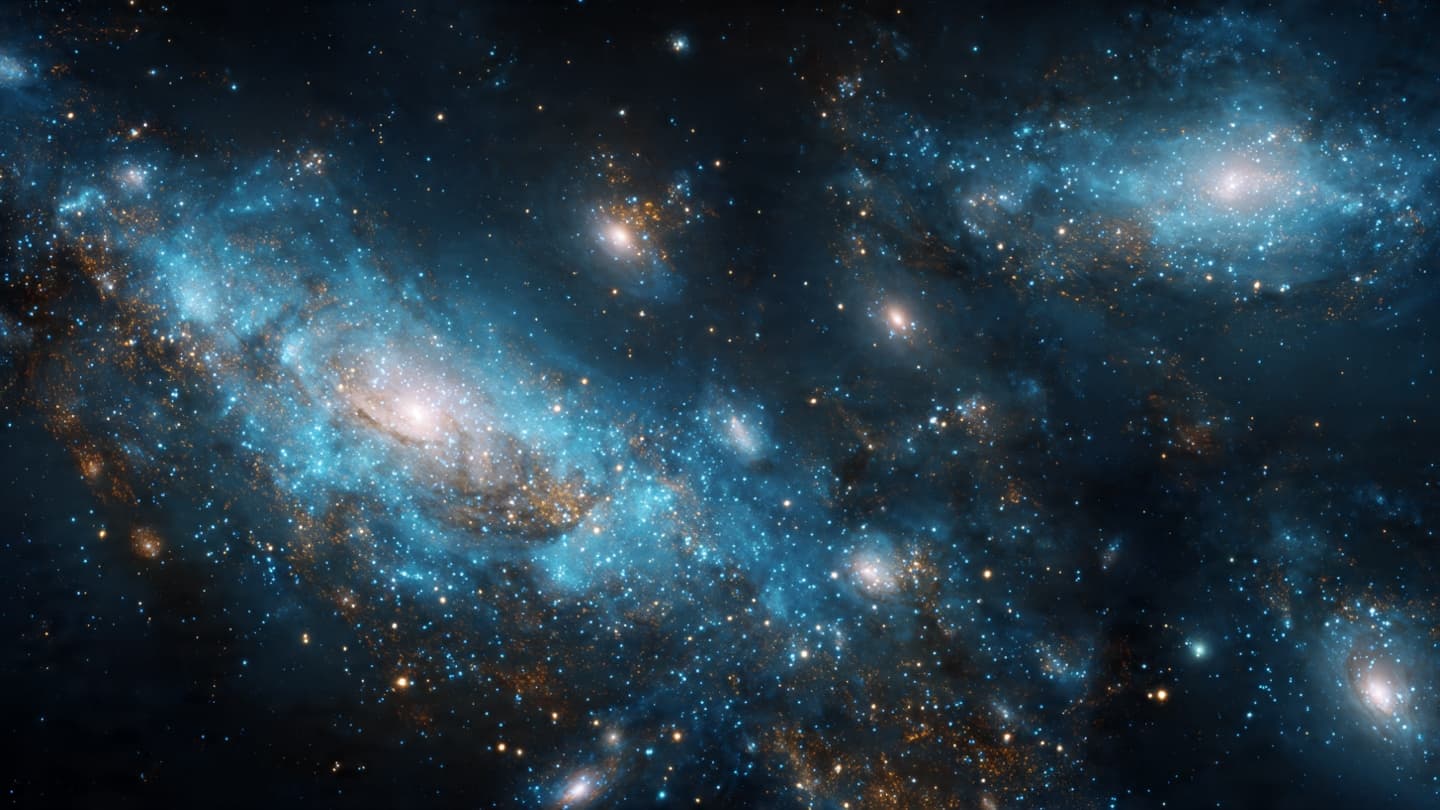
James Webb Telescope finds unusual cosmic structures that challenge current galaxy formation models.

A strong solar eruption triggers auroras and highlights the impact of space weather on Earth systems.
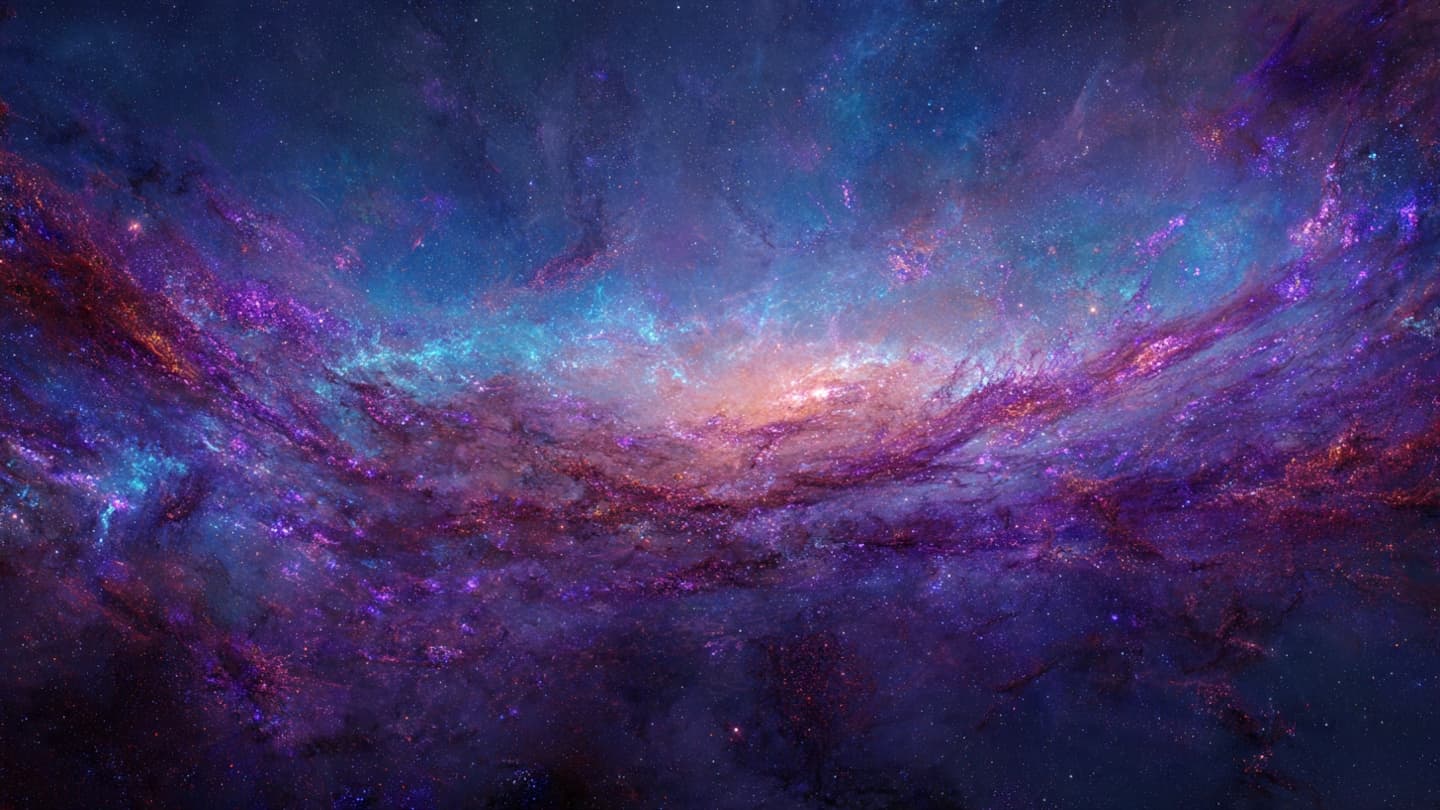
Astronomers using NASA's Chandra Observatory have identified a possible supernova remnant near the Milky Way's center, offering new insights into galactic history.

Research suggests some butterflies can live up to three times longer than relatives, influenced by environmental and biological factors.
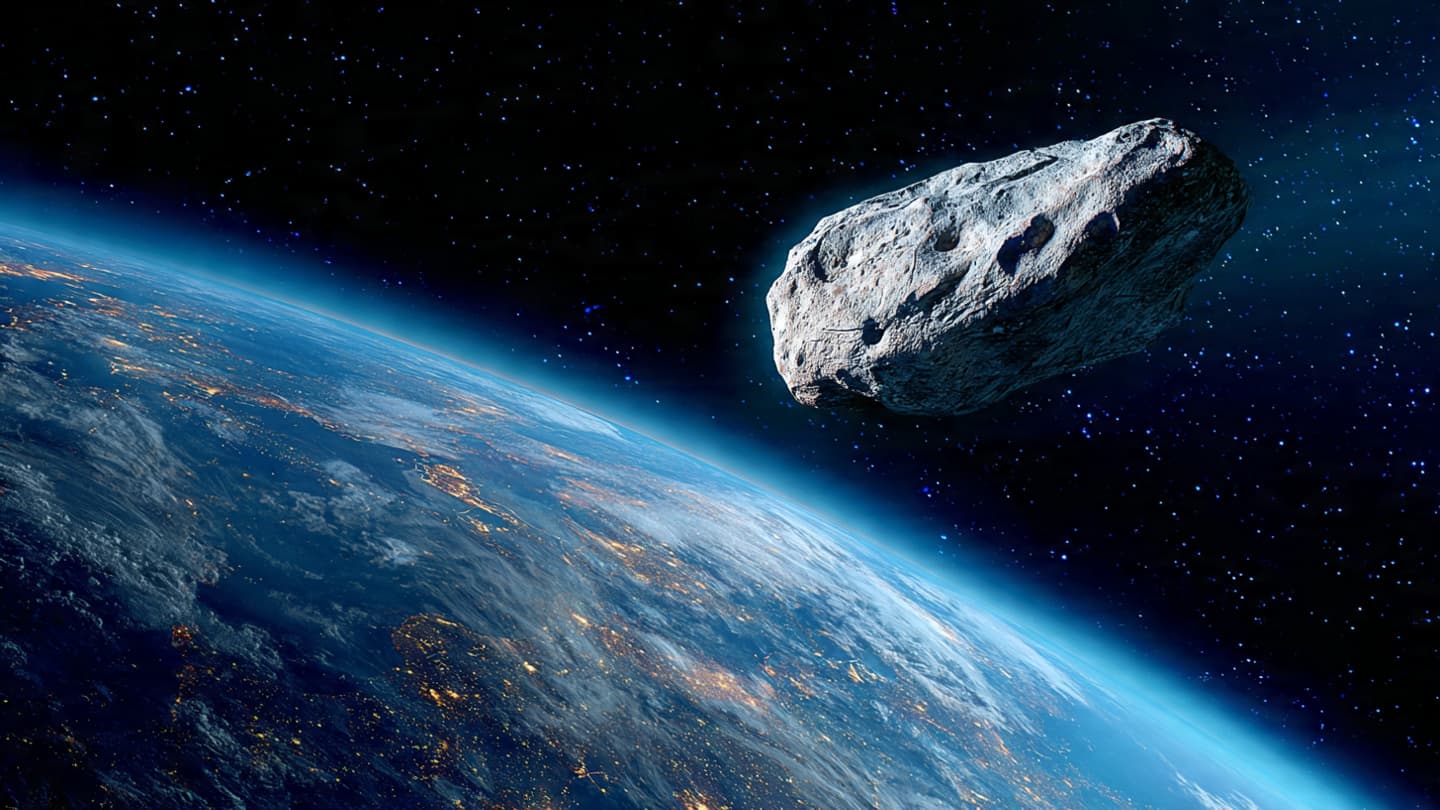
NASA safely tracked an airplane-sized asteroid during its close approach to Earth.
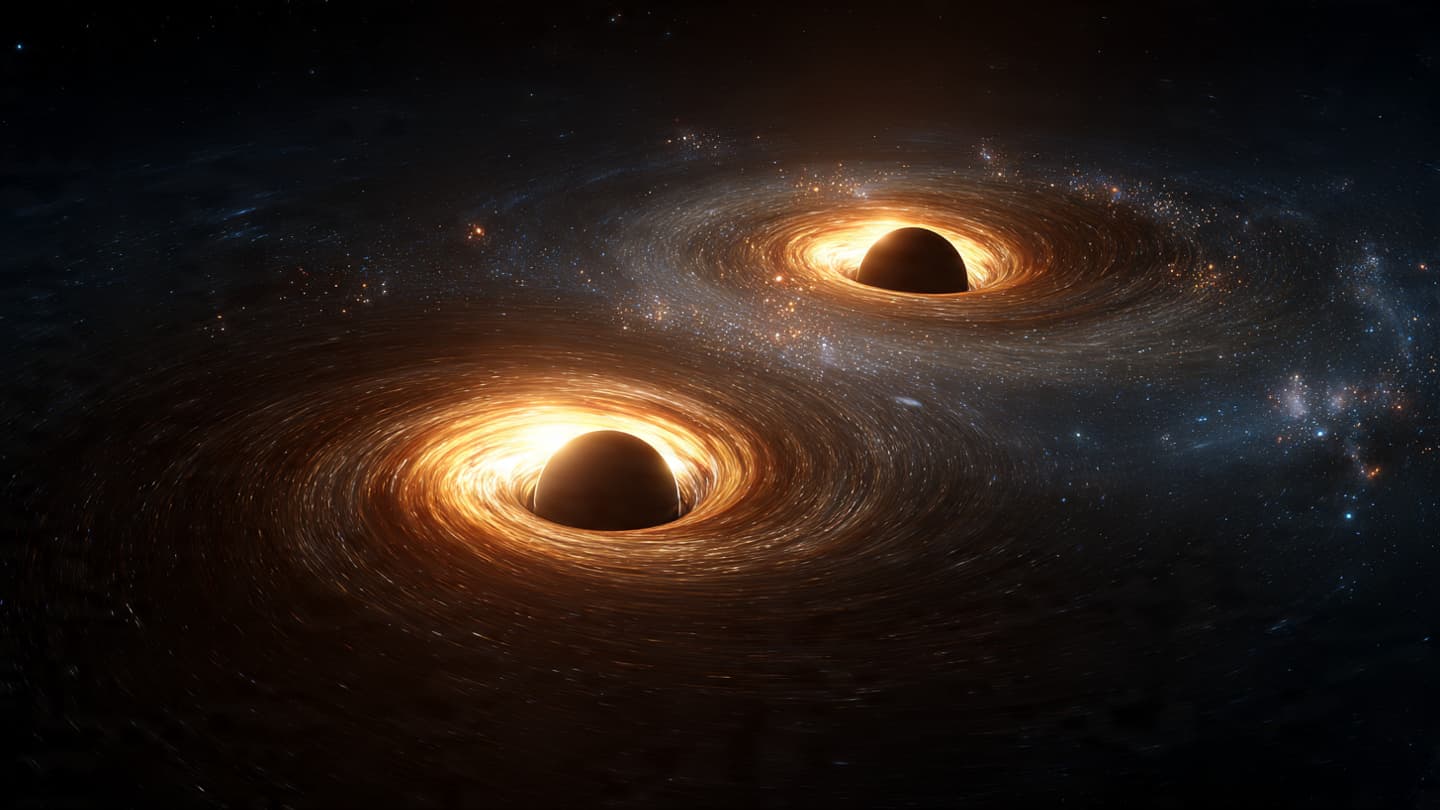
Astronomers are studying what may be a record-breaking pair of black holes, offering new insights into cosmic evolution.
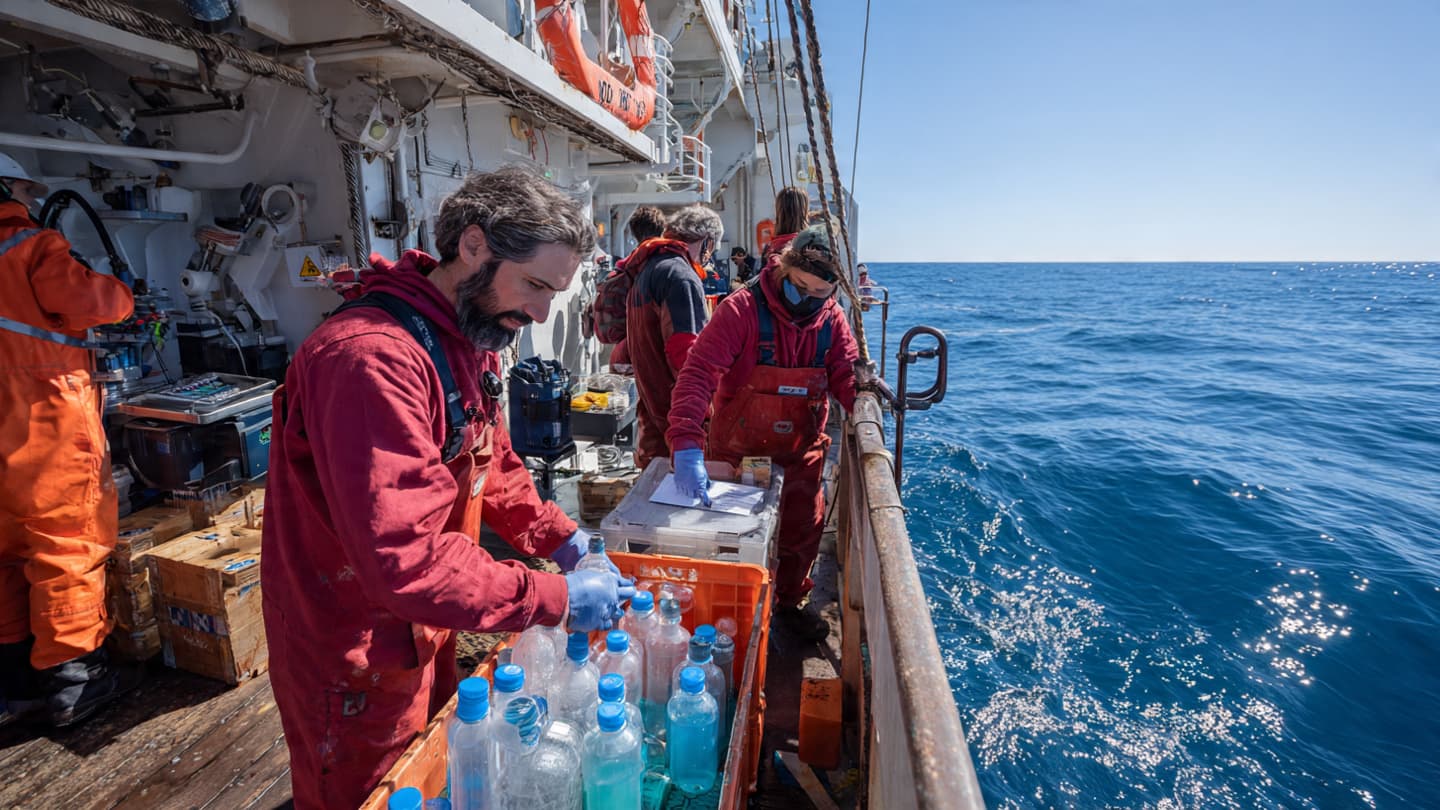
Scientists found antibiotic resistance genes across global oceans, expanding understanding of environmental and public health.

Scientists are monitoring solar activity that could increase the chances of visible auroras.
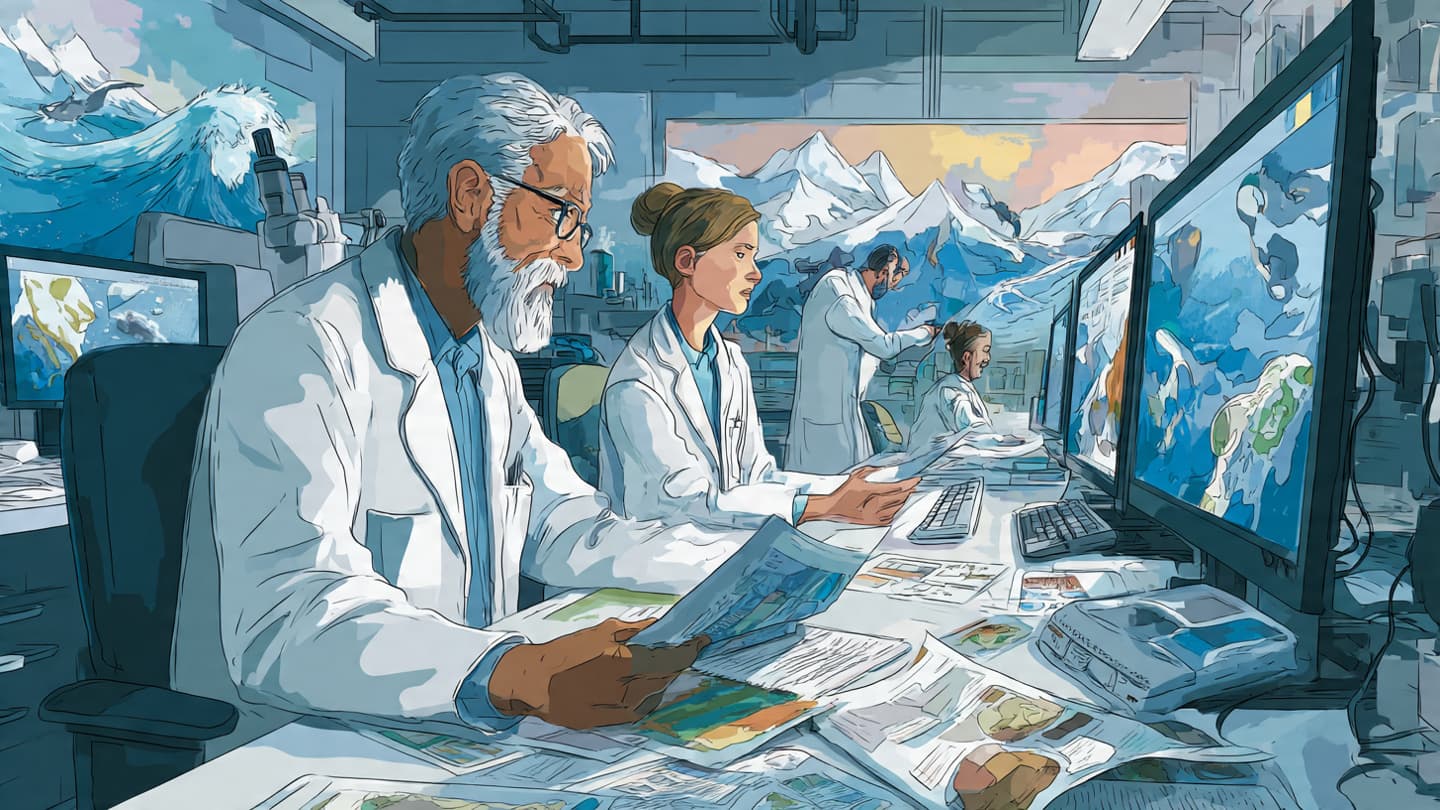
Researchers are examining how AI could affect scientific publishing while promoting responsible and transparent use.

A new generation of quantum computers highlights ongoing advances in specialized scientific computing.

Researchers successfully interpreted a long-studied scientific note, offering new historical insights into physics
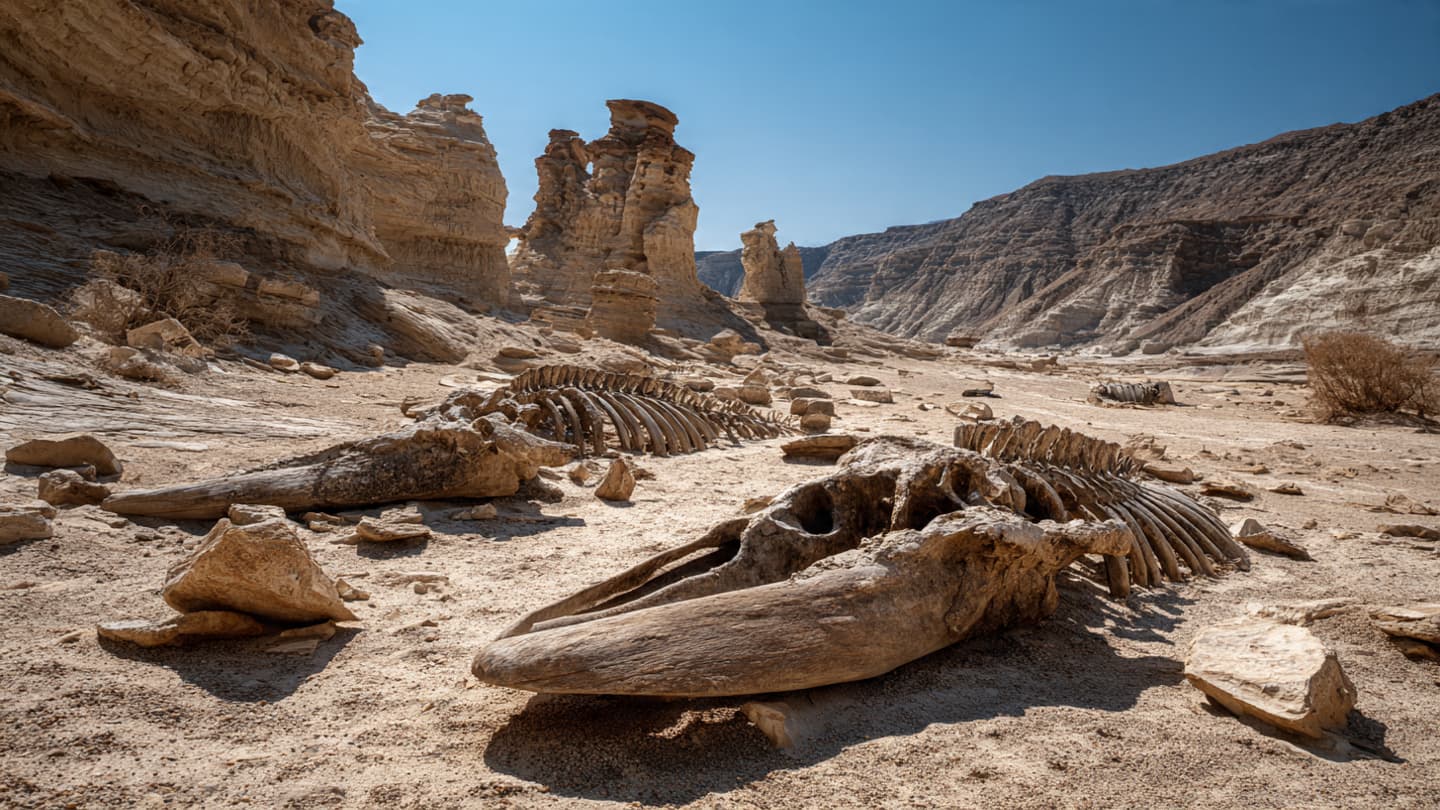
Scientists have studied a five-million-year-old whale graveyard that offers new insights into ancient marine ecosystems.
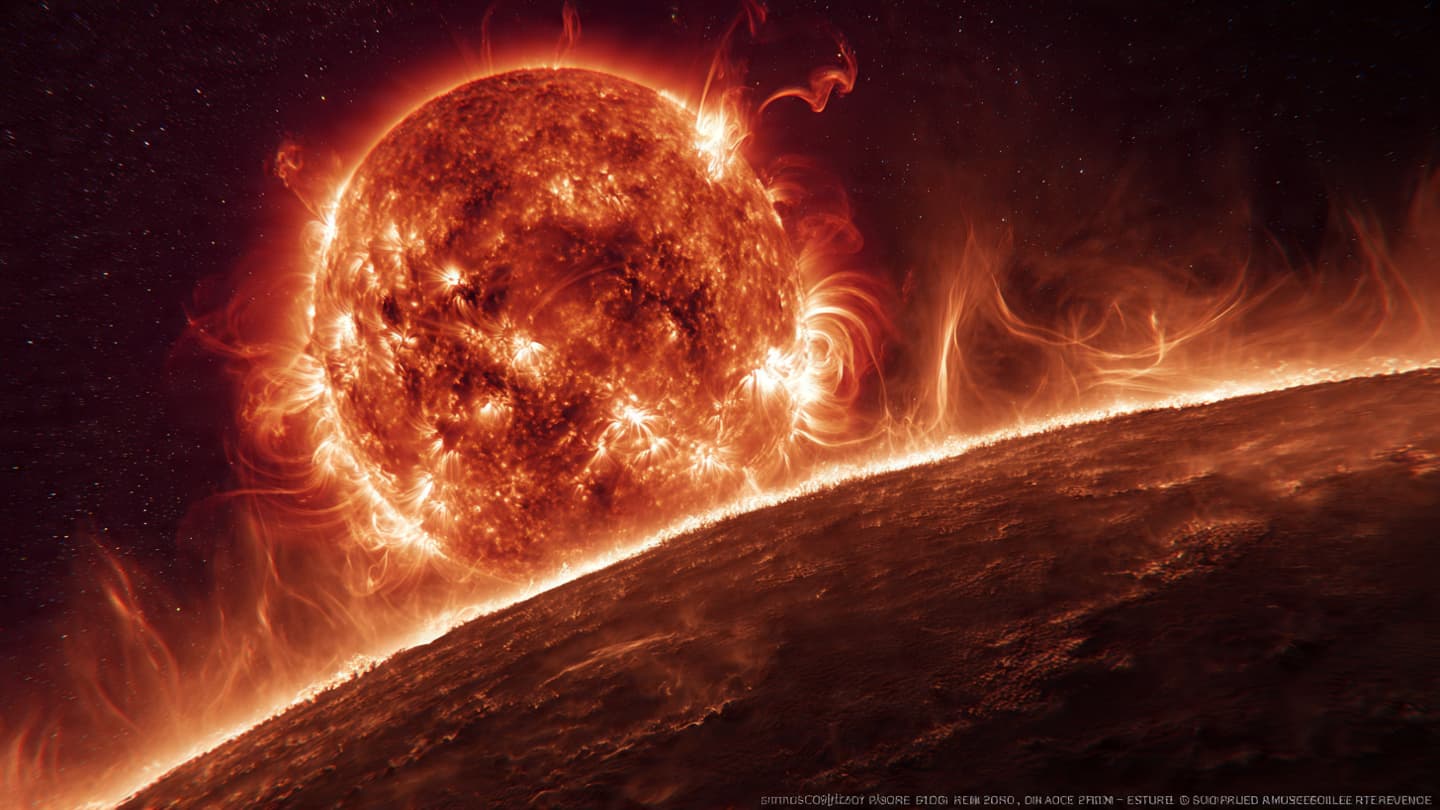
Scientists are monitoring a coronal mass ejection from the Sun that could produce mild geomagnetic activity near Earth.
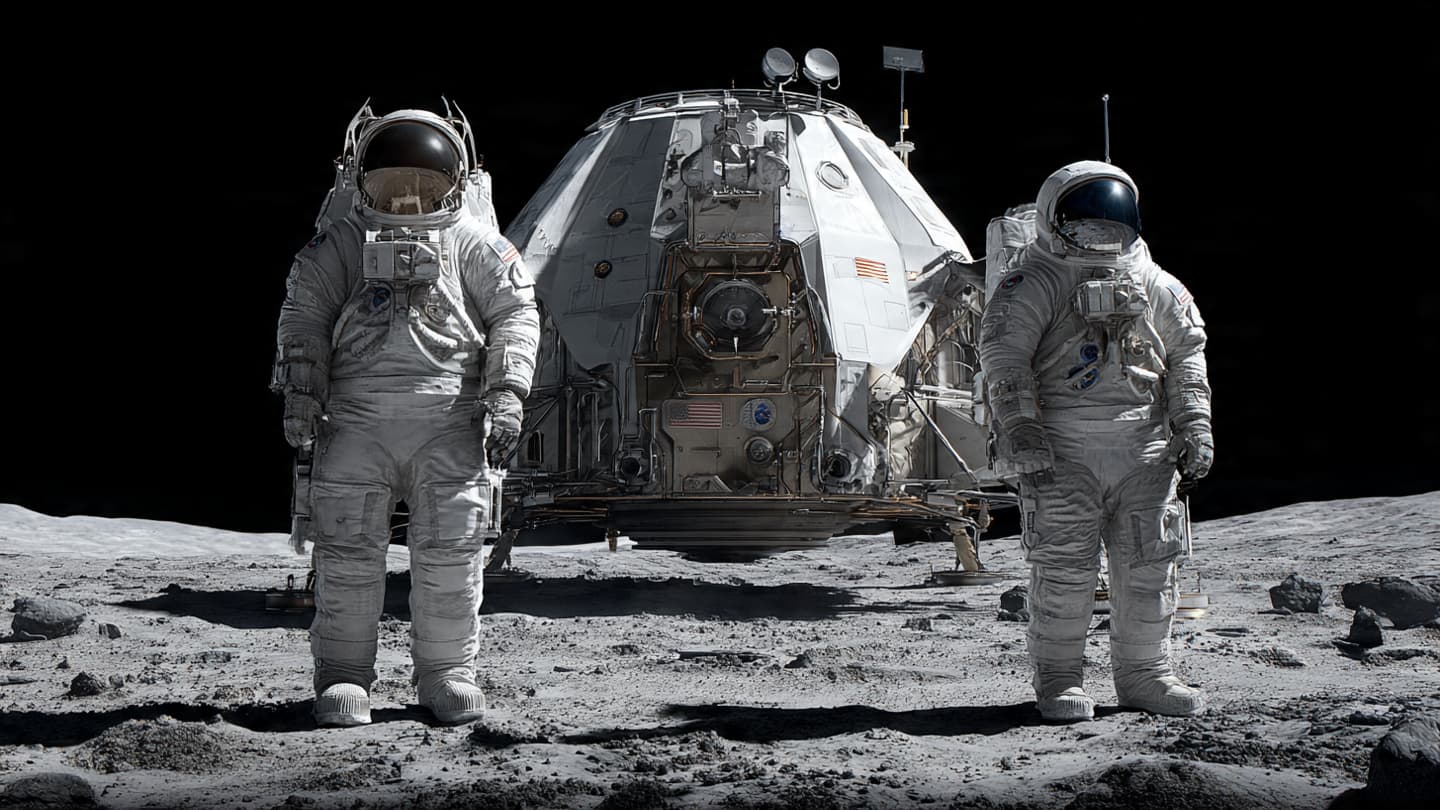
NASA's Artemis program continues to advance with the announcement of its lunar mission crew.
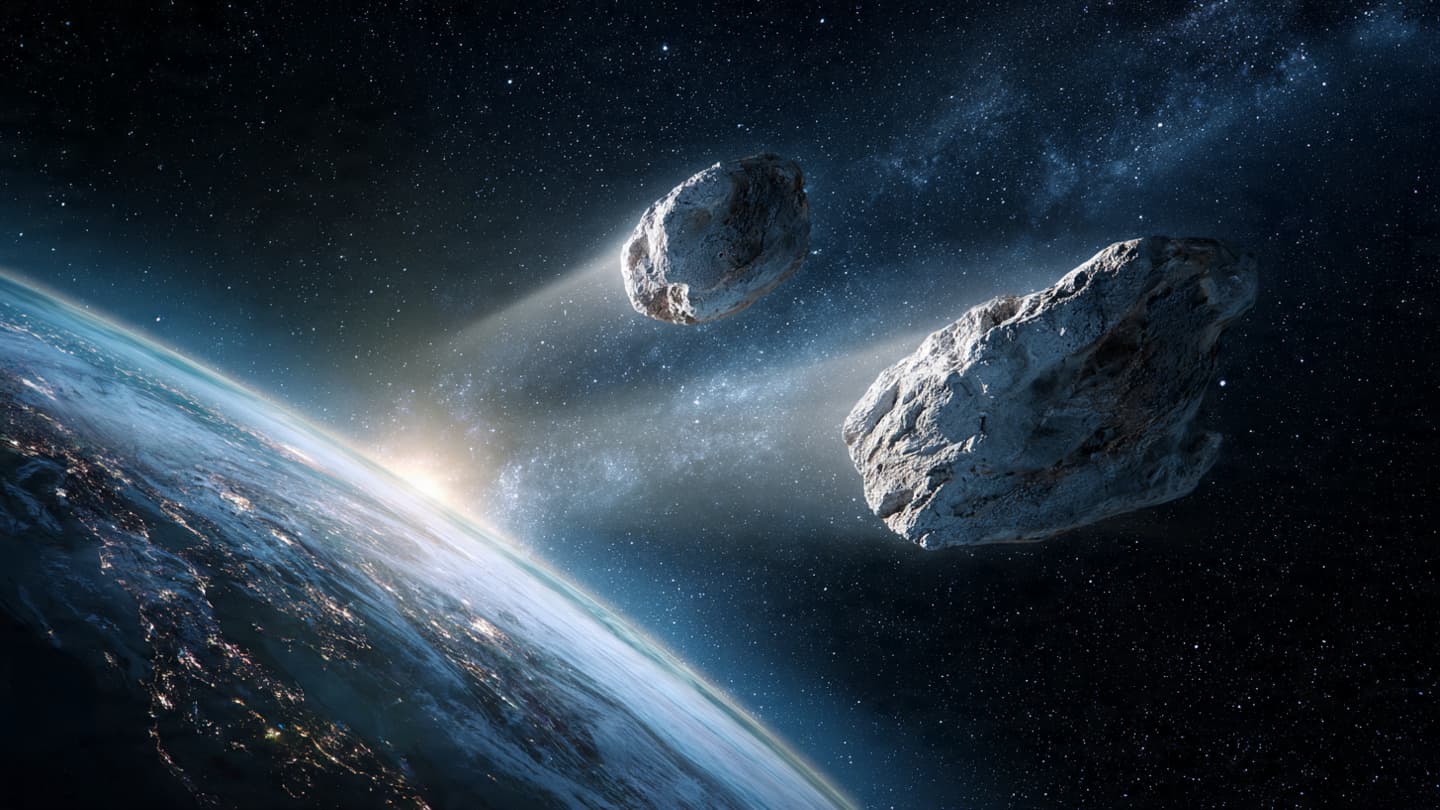
NASA tracked two airplane-sized asteroids that safely passed near Earth without posing any threat.

MIT researchers have developed a new propulsion concept that could help small satellites travel farther, including toward Mars.
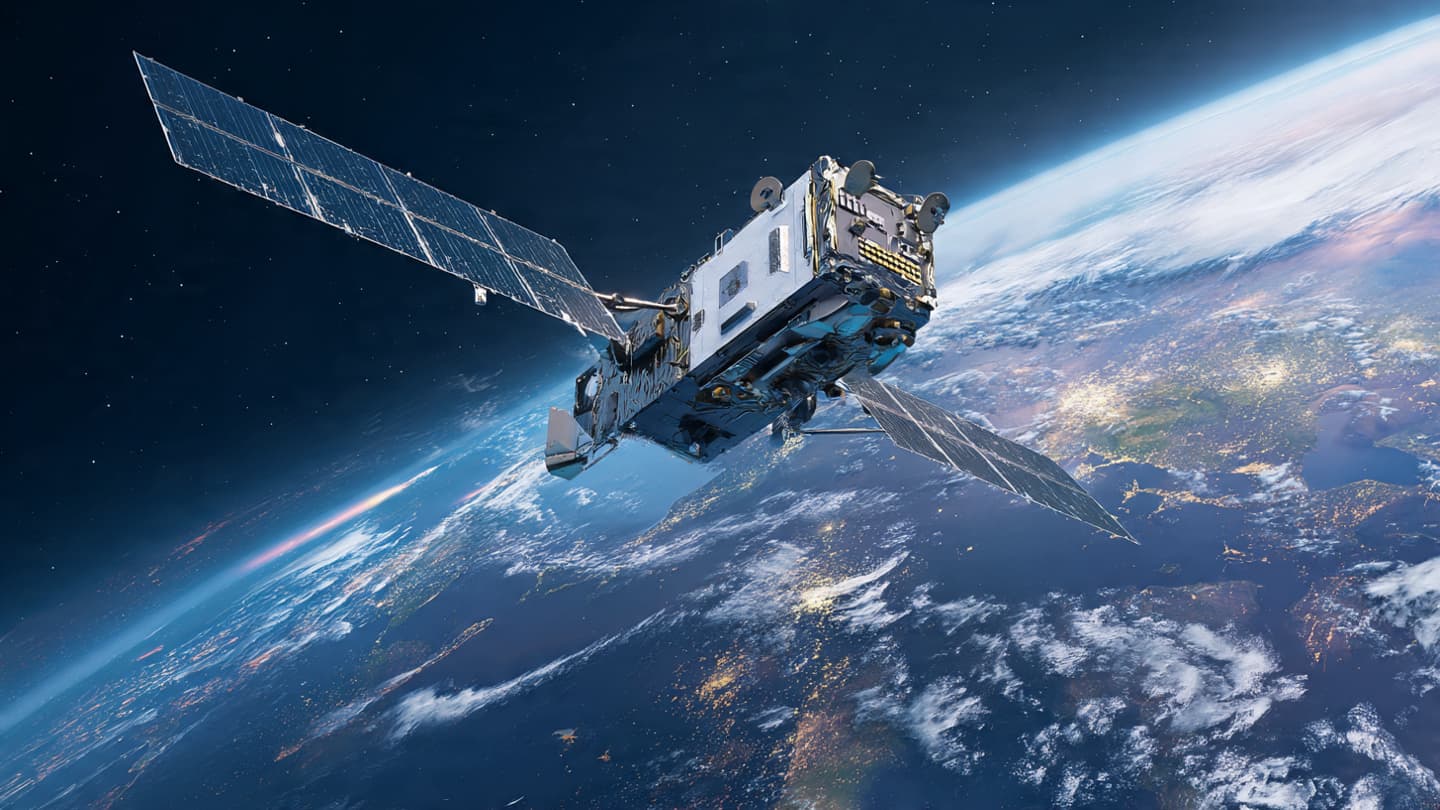
Researchers improved the accuracy of SWOT satellite measurements, providing clearer insights into global ocean behavior.
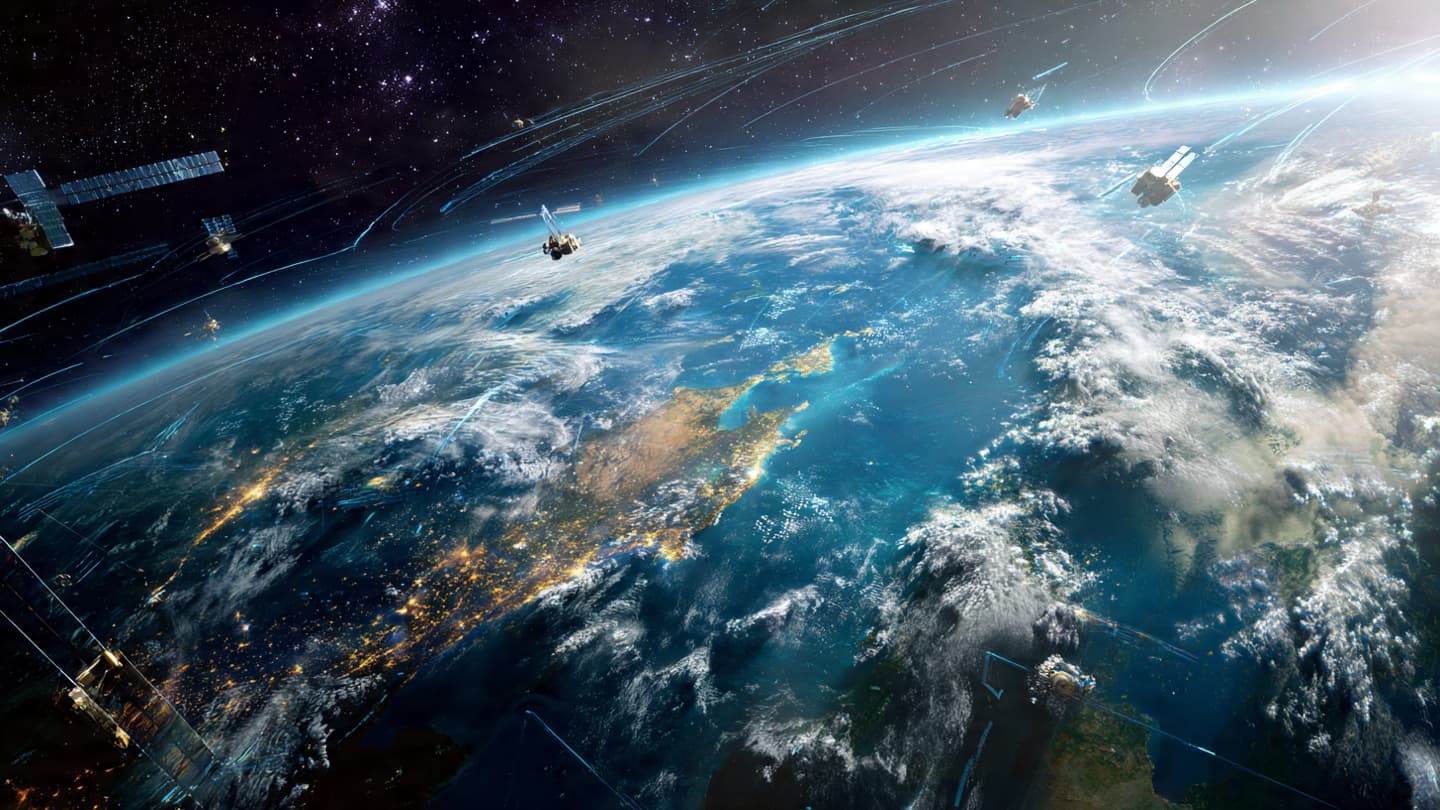
NASA satellite observations suggest nutrient stress is affecting large portions of the world's oceans as environmental conditions evolve.
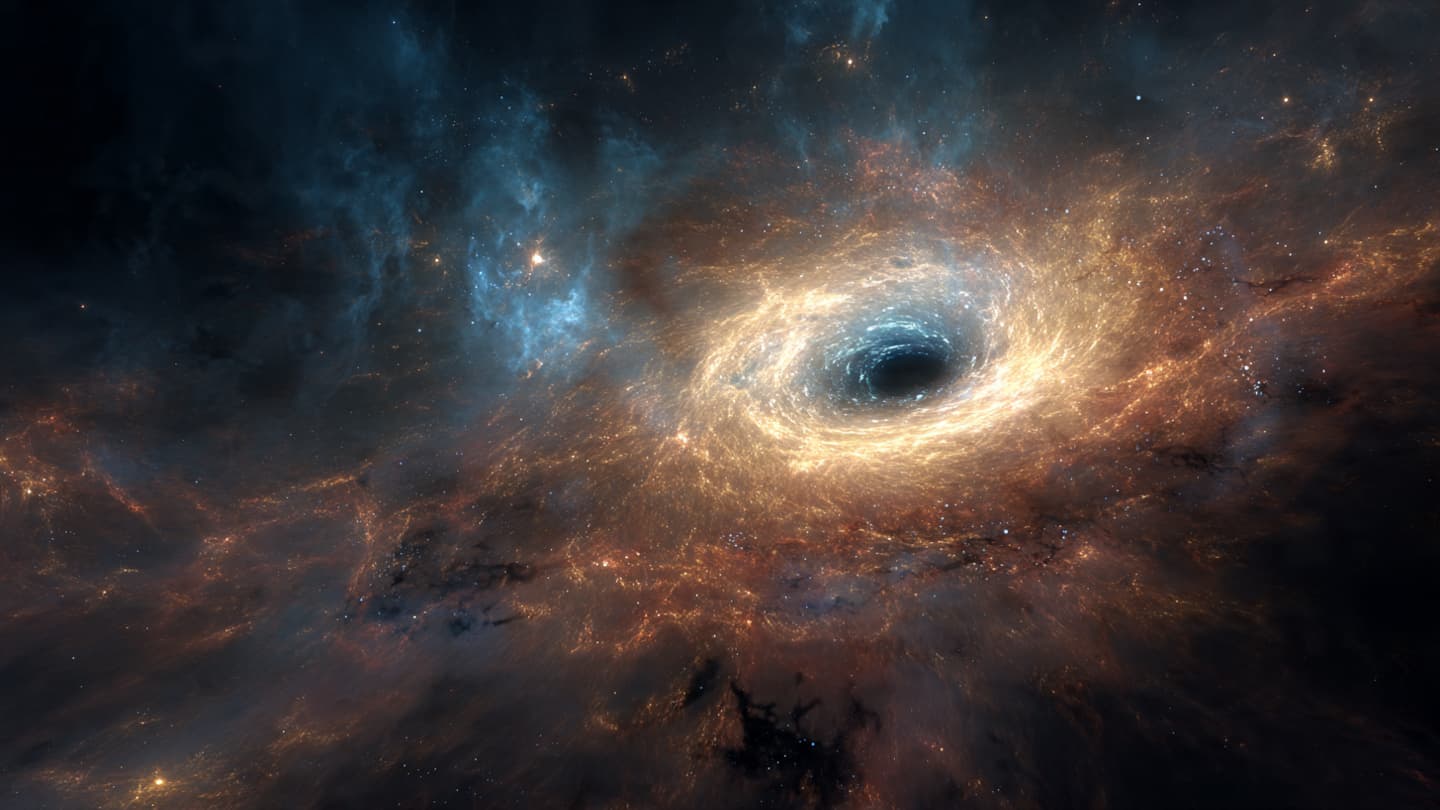
Astronomers may have identified a supernova remnant near the Milky Way's central black hole, offering new insights into galactic evolution.
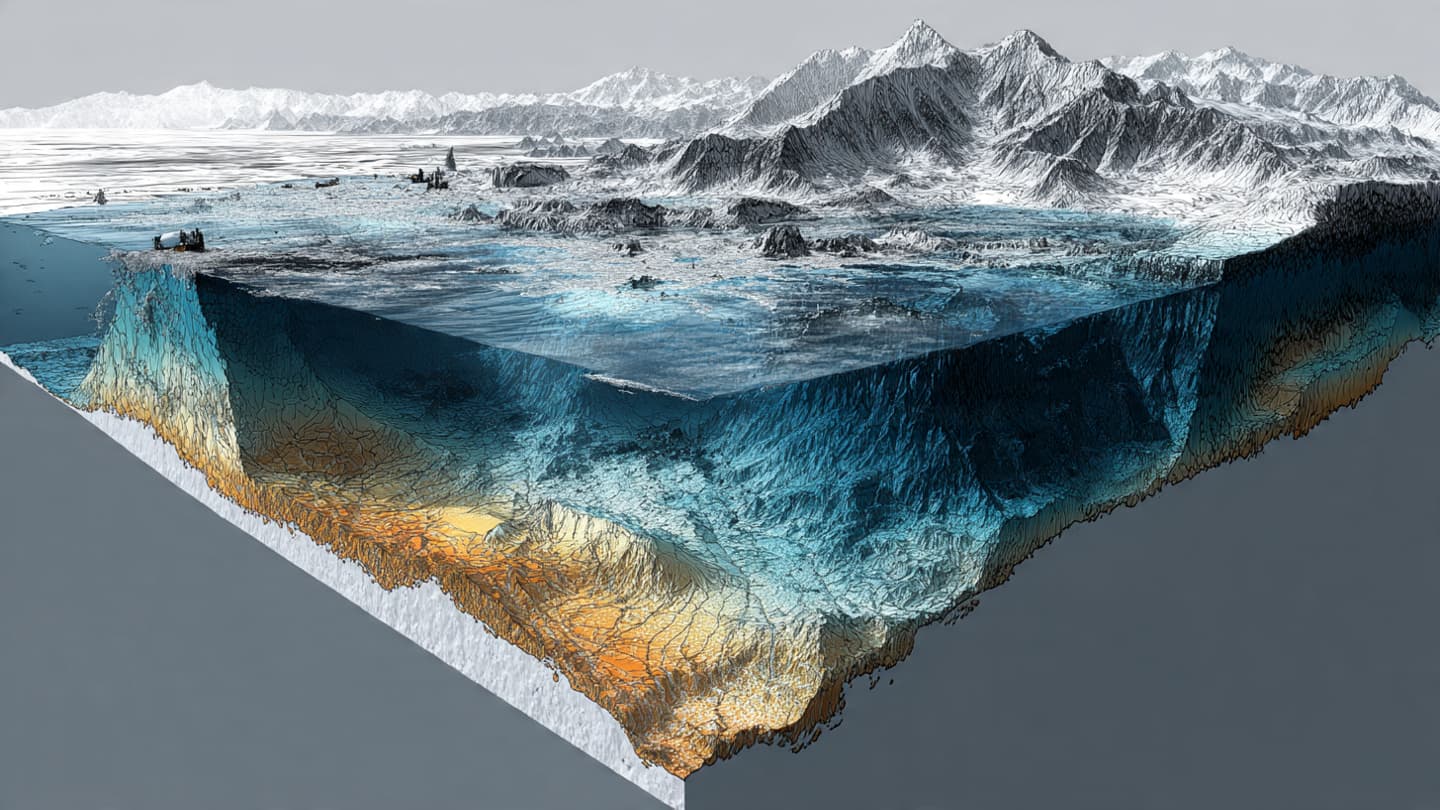
A massive structure discovered beneath Antarctica's ice sheet is prompting scientists to reconsider aspects of the continent's geological history.
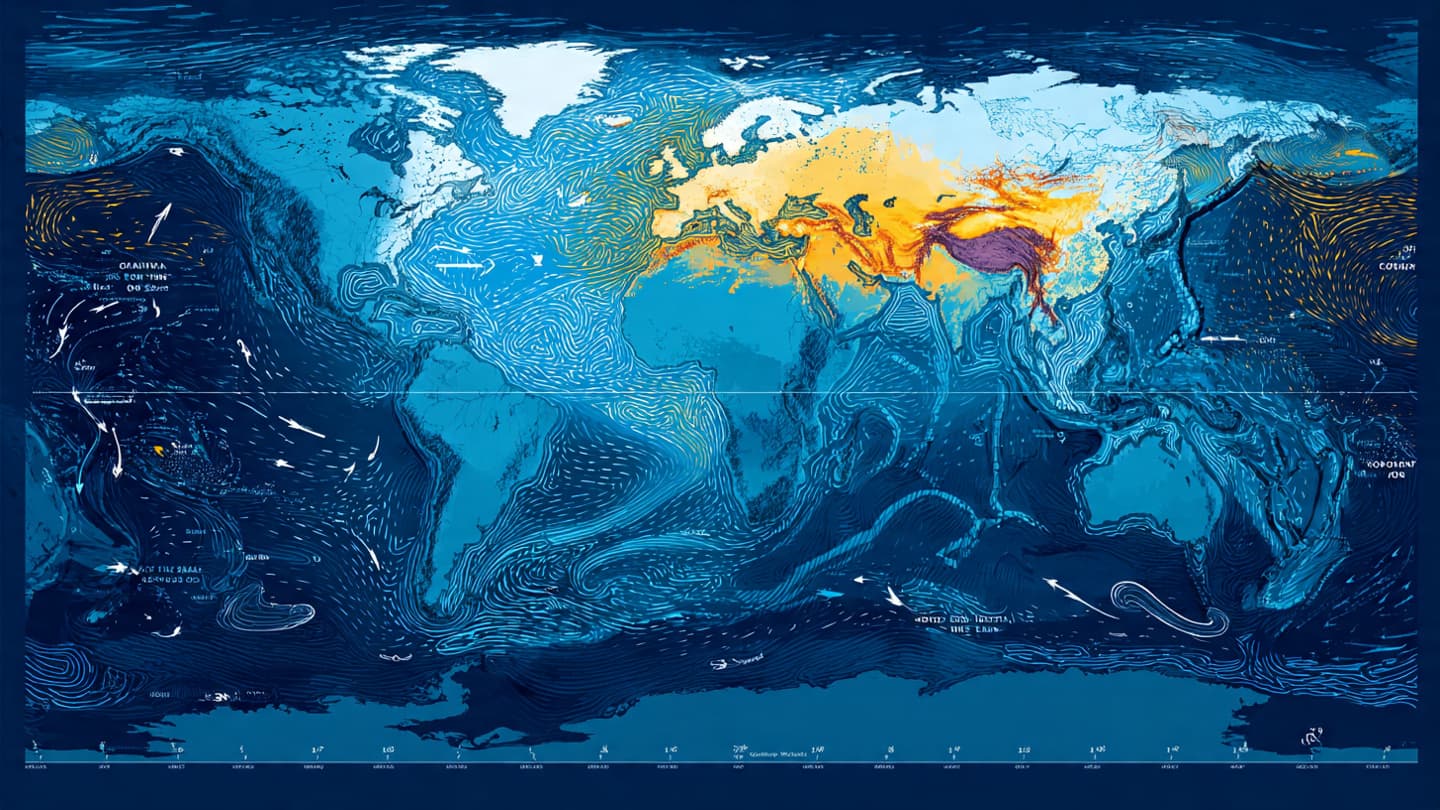
Scientists expect El Niño to contribute to higher global temperatures and changing weather patterns.
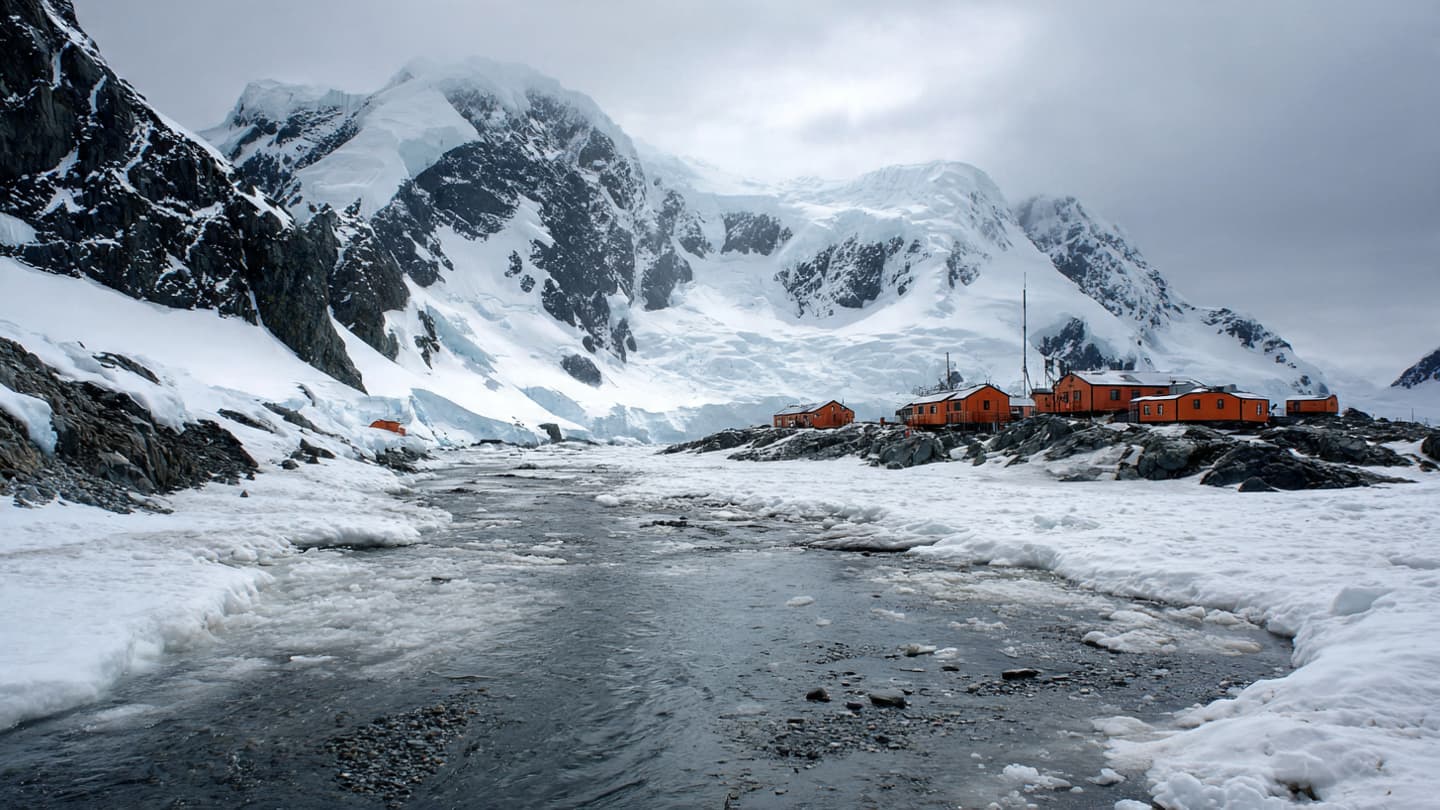
Scientists recorded unusually high temperatures across parts of the Antarctic Peninsula during a recent heat event.