The Quiet Mechanism Behind Concentration and Control
New research suggests ADHD medications may not directly boost attention, but instead reduce mental barriers that make focus difficult, reshaping how scientists understand their effects.

New research suggests ADHD medications may not directly boost attention, but instead reduce mental barriers that make focus difficult, reshaping how scientists understand their effects.

Myanmar’s collapsing healthcare system is driving patients across borders, overwhelming clinics and turning a national crisis into a regional humanitarian challenge.

Research suggests adequate magnesium intake may support brain health and lower dementia risk, though it is not a cure and works best as part of a healthy lifestyle.

A new blood test may identify hidden heart disease risk earlier than traditional methods, offering a potential breakthrough in prevention and personalized care.

New research suggests some Alzheimer’s symptoms may be partially reversible, challenging long-held beliefs and offering cautious hope for future treatments.

Experts say Denmark’s vaccine strategy can’t be easily applied to the U.S., citing major differences in healthcare systems, public trust, and population health.

A large study finds that the widely used painkiller tramadol offers minimal relief for chronic pain while raising risk of serious health issues, prompting calls to minimize its use.

New clinical psychedelic therapy models emphasize a single drug dose followed by eight hours of therapist-supported experience, blending depth, time, and presence for mental health care.

New York City is experiencing a severe flu surge marked by stronger symptoms and rising hospital visits, with health officials warning the peak may still be ahead.

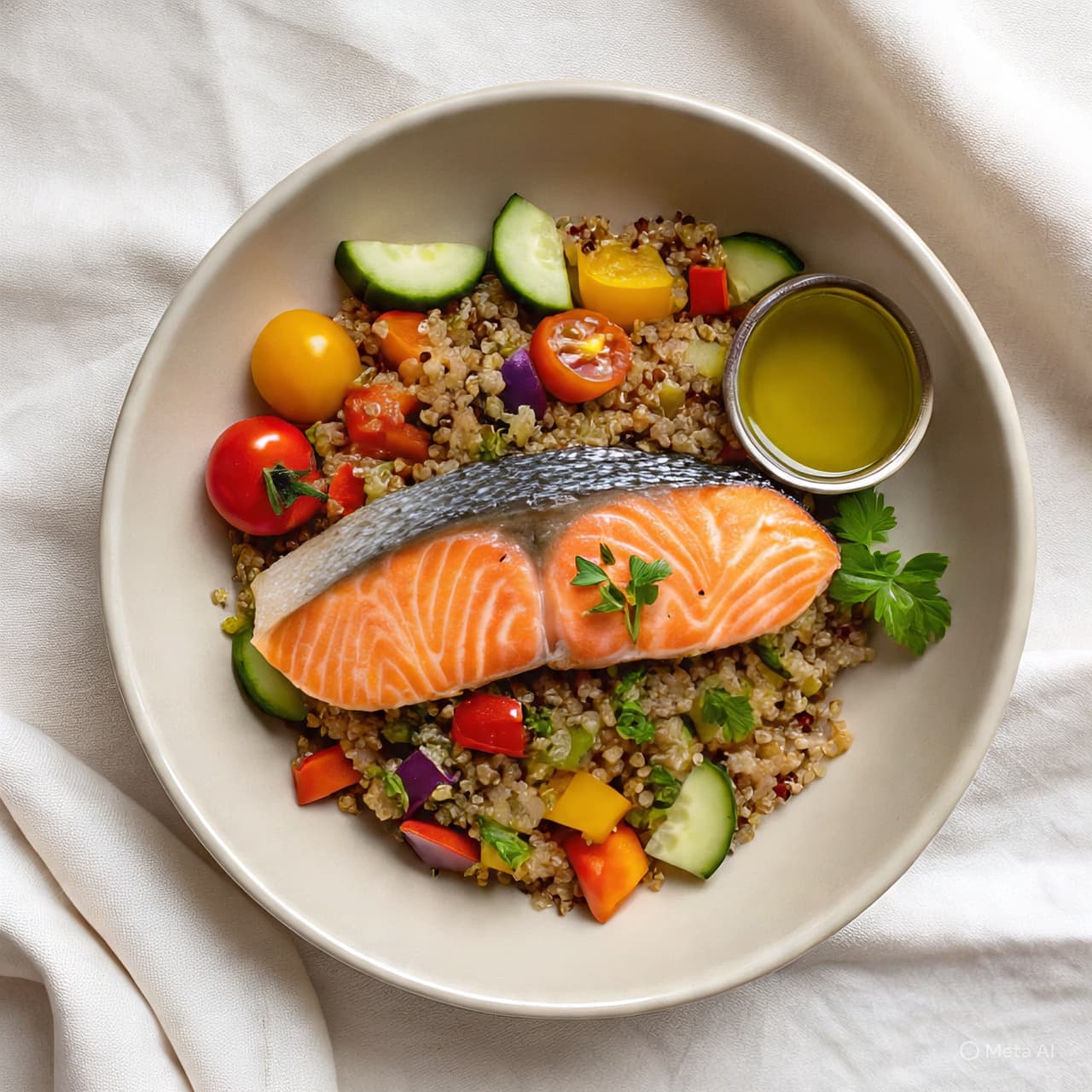
Break your fast the smart way: start with protein, add fiber, then healthy fats. This simple order stabilizes blood sugar, curbs cravings, and keeps you full longer.

New research shows the widely prescribed opioid tramadol offers limited pain relief and may raise serious health risks, prompting calls to reconsider its use.

Federal officials have declared a public health emergency in Washington after heavy flooding and storms, giving health providers flexibility to meet urgent care needs and support vulnerable residents.

In 2026, ACA premiums and employer plan costs are rising for many, while Medicare negotiates lower prices for key drugs — meaning health care may be costlier for some but cheaper for others.

Flu cases in Scotland have dropped by about 35%, with hospitalisations falling as well, though officials caution the season isn’t over and urge vaccinations.

Human missions to Mars face major risks from cosmic rays, prompting research into shielding, habitat design, and health monitoring before astronauts travel beyond Earth.

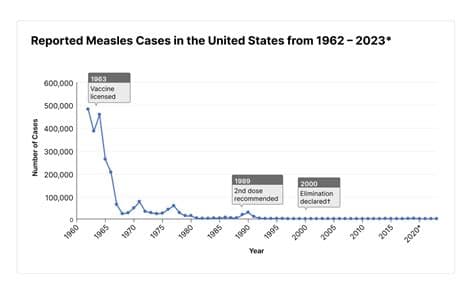
Health officials warn of potential measles exposure at Denver International Airport, urging travelers to check vaccination status and monitor for symptoms.

A new study suggests a widely used artificial sweetener may influence heart and brain function, raising fresh questions about the long-term effects of regular consumption.

Intermittent fasting works only if food quality matches the effort. Learn what to limit, avoid common mistakes, and unlock better fat loss, energy, and results.

New research shows common ADHD drugs act more on reward and arousal systems than direct attention centers, reframing how their effects are understood.

A new H3N2 flu variant is circulating in Southern California, raising health expert concern; flu activity is rising and vaccination and precautions are encouraged.

The U.S. has signed new bilateral health agreements with nine African countries that reflect President Trump’s priorities, emphasizing co-financing, reduced U.S. aid, and negotiated benchmarks.

Wondering what you can drink while fasting? Learn which beverages keep you hydrated, protect your fast, and boost results—and which common drinks silently sabotage intermittent fasting.

Rising heat linked to climate change is associated with reduced childhood growth, while high humidity intensifies stress, nutrition loss, and health risks during key development years.

U.S. regulators have approved a pill version of Wegovy, offering a needle-free option for patients using the popular GLP-1 weight-loss drug.