Breathing is so constant it rarely feels like an action at all. It happens beneath thought, beneath effort, stitching one moment to the next without asking permission. Only when it falters does its importance come sharply into focus. For one man, that rhythm stopped entirely—and yet life continued.
For 48 hours, surgeons kept him alive without lungs.
The situation unfolded not as an experiment, but as a last resort. Severe disease had rendered the man’s lungs unusable, leaving no path forward except removal. Ordinarily, such an operation would mark the end of life within minutes. But instead of surrendering to that limit, doctors created a pause—an artificial interval in which the body could survive without the organs most closely tied to being alive.
The solution lay outside the chest. Using advanced life-support technology, surgeons rerouted the man’s blood through an external system that oxygenated it and removed carbon dioxide before returning it to his body. The heart continued to beat. The brain remained supplied. The body, though missing a fundamental part of itself, was sustained by circulation alone.
This technique, known broadly as extracorporeal life support, has been used for years to assist failing lungs or hearts. What made this case different was its completeness. The lungs were not injured or resting—they were gone. The machine did not supplement breathing. It replaced it entirely.
For two days, the man existed in a narrow corridor between collapse and recovery. His chest cavity lay empty where lungs should have expanded and fallen. Every parameter—oxygen levels, blood pressure, temperature—was carefully controlled. Time became the enemy and the objective. The goal was not permanence, but survival long enough to make the next step possible.
That next step was transplantation. When donor lungs became available, surgeons reversed the process, reconnecting the body to organs that could once again take over the work of breathing. The machine was withdrawn. Air returned to the chest. What had been borrowed was given back.
Cases like this are rare because they demand extraordinary coordination, resources, and risk tolerance. The margin for error is thin. Infection, clotting, and organ failure loom constantly. Yet they also reveal how far modern medicine has shifted the boundaries of life—not by defying biology, but by temporarily standing in for it.
There is something unsettling and quietly profound in that substitution. Breath, once thought inseparable from life, becomes optional for a time. Survival is no longer tied to lungs, but to flow—blood moving, oxygen dissolving, cells continuing their work as long as conditions allow.
For the patient, the experience may pass as absence, sedation, or lost time. For the medical team, it is vigilance without rest. And for everyone else, it raises a subtle question: if life can be held together without one of its defining functions, where exactly does the boundary lie?
For 48 hours, that boundary shifted. Long enough for a body to wait. Long enough for medicine to hold the space where lungs should be—until breath could return.
AI Image Disclaimer
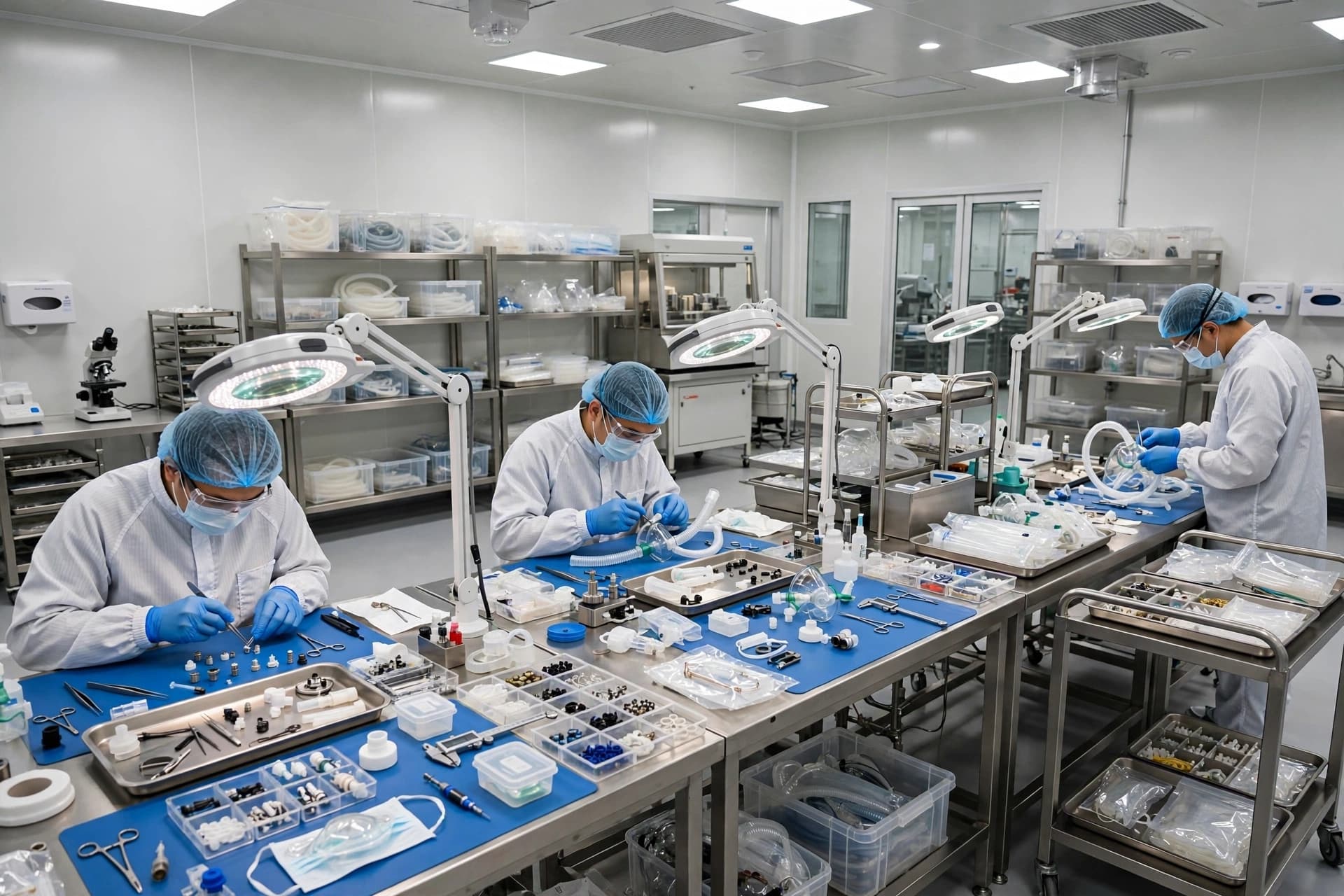
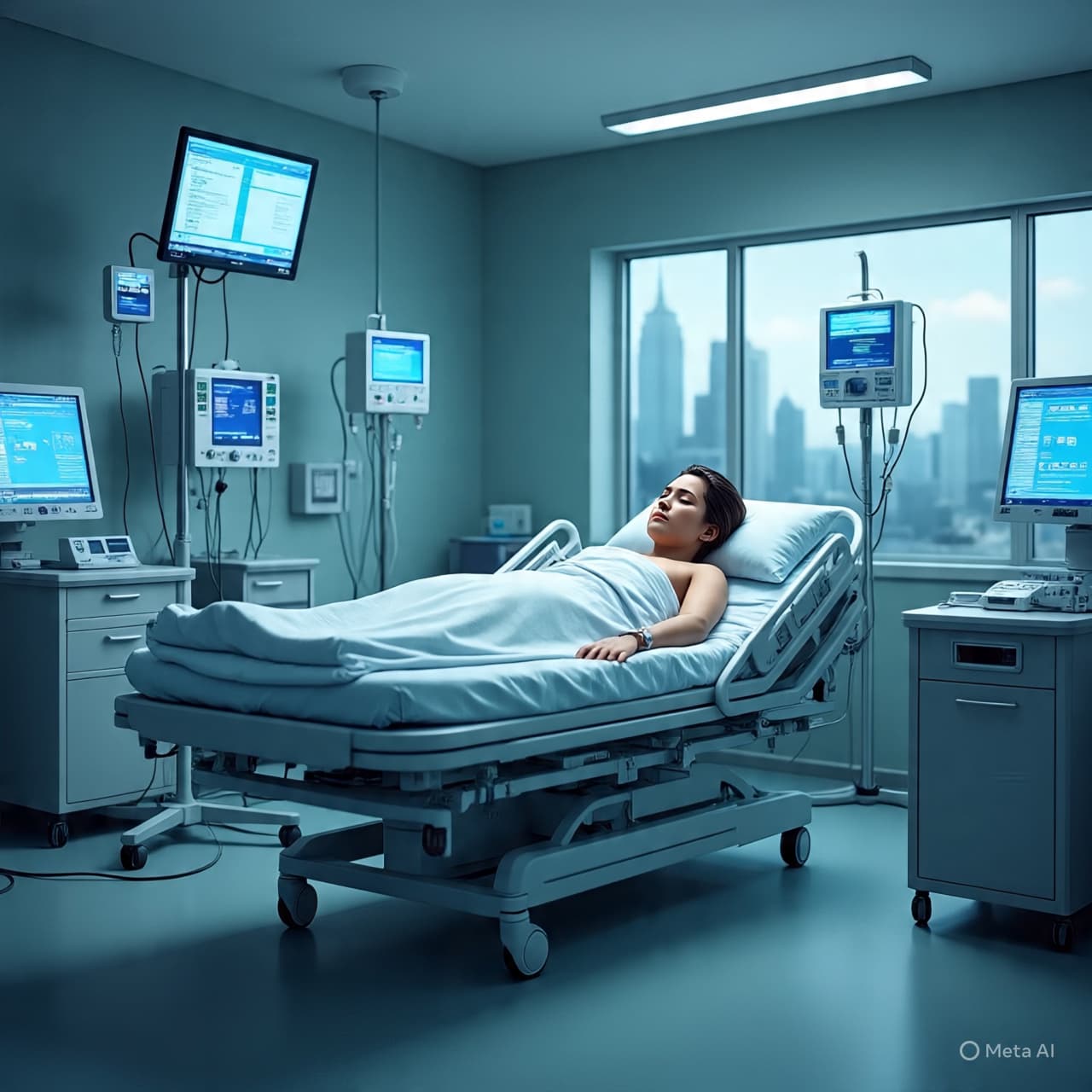
Visuals are AI-generated and serve as conceptual representations.
Sources
The New England Journal of Medicine The Lancet Journal of Thoracic and Cardiovascular Surgery Mayo Clinic Cleveland Clinic
Published by Banx Network. This article is part of the Banx decentralized media programme, powered by the BXE token on the XRP Ledger.