On an ordinary school day, routine tends to carry everything along. Bells ring. Hallways fill and empty. Lessons move forward in measured increments of time. It is within that rhythm that health concerns, when they arise, feel especially disruptive—not because they are always dangerous, but because they remind a community how closely connected it is.
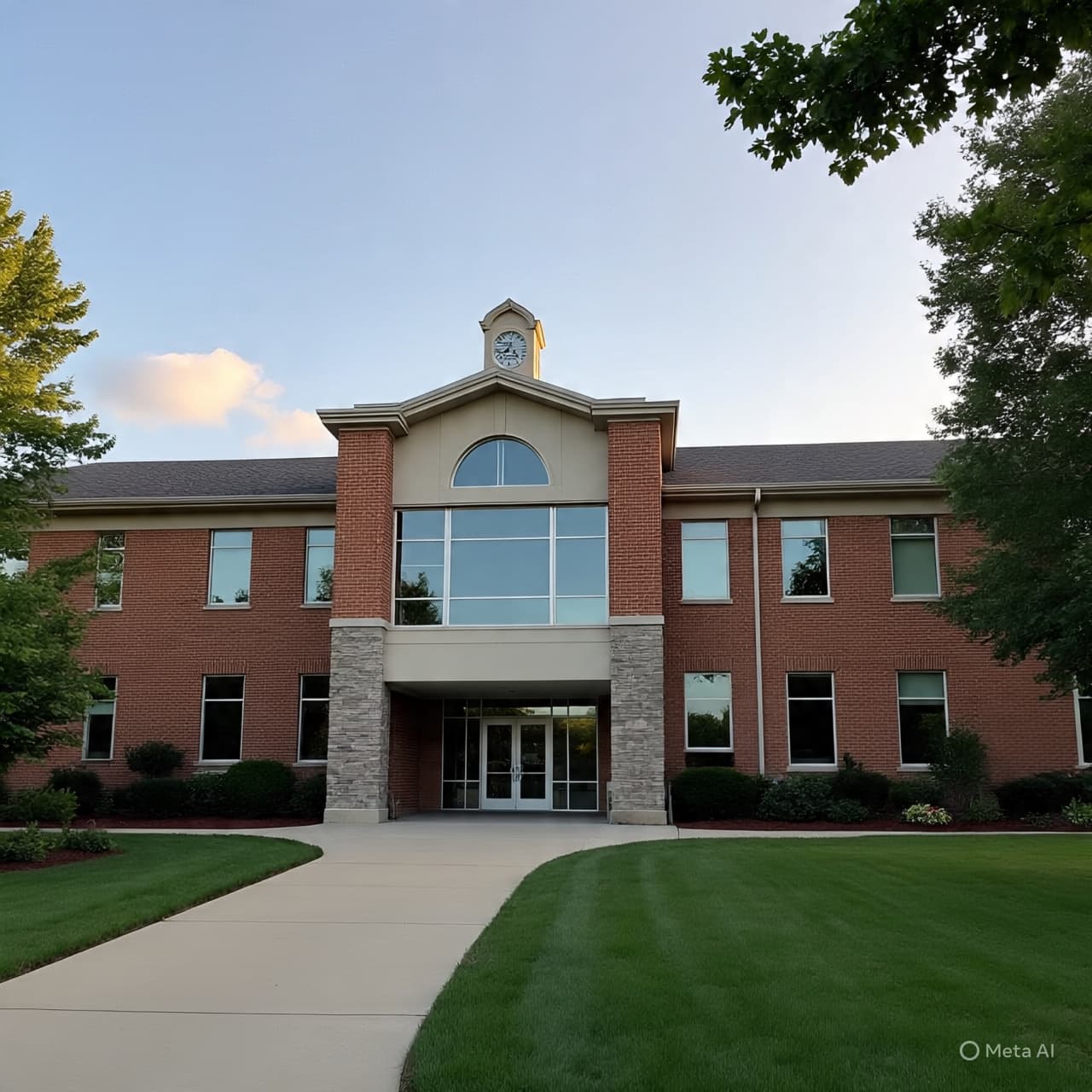
This week, Bethpage High School became such a reminder, after district officials confirmed that a case of tuberculosis had been detected within the school community.
According to the district superintendent, the case was identified promptly and reported in coordination with local health authorities. Tuberculosis, commonly known as TB, is an infectious disease caused by bacteria that typically affect the lungs. While serious if left untreated, it is also well understood, treatable, and closely monitored by public health systems.
Officials emphasized that the situation does not indicate a broader outbreak. Health departments routinely assess exposure risk on a case-by-case basis, identifying individuals who may have had prolonged close contact and determining whether testing or precautionary treatment is necessary. At Bethpage High School, those protocols were already underway.
Unlike illnesses that spread quickly through casual contact, tuberculosis generally requires extended exposure to transmit. This distinction matters. It shapes how responses unfold—quietly, deliberately, without sweeping closures or emergency measures. Most people exposed do not become ill, and those who do can be treated effectively with antibiotics.
Communication, in moments like this, becomes as important as medicine. District officials notified families while working closely with health professionals to ensure privacy for the affected individual and clarity for the broader community. The message was one of awareness rather than alarm.
TB cases in schools are rare, but not unheard of. When they occur, they test systems designed precisely for such moments: surveillance, tracing, follow-up, and reassurance grounded in evidence. These systems operate largely out of sight, their success measured by what does not happen—no spread, no panic, no disruption beyond what is necessary.
For students and families, the news may linger longer than the risk itself. Illness carries emotional weight, especially when it enters shared spaces. Yet public health responses are built on patterns established over decades, refined through experience rather than urgency.
At Bethpage High School, classes continue. The school day keeps its shape. Behind the scenes, monitoring continues as well—methodical, patient, and cautious. In public health, progress often looks like quiet containment rather than dramatic resolution.
One case, identified early, becomes not a headline of crisis, but a reminder of how prevention works when it works well.
AI Image Disclaimer
Visuals are AI-generated and serve as conceptual representations.
Sources
Local Health Department Centers for Disease Control and Prevention New York State Department of Health World Health Organization
Published by Banx Network. This article is part of the Banx decentralized media programme, powered by the BXE token on the XRP Ledger.