Chikungunya announces itself through pain. It arrives with fever and fatigue, then settles into the joints, sometimes lingering for months or years, long after the virus itself has gone. Across tropical and subtropical regions, outbreaks flare and recede, carried quietly by mosquitoes and remembered most vividly by those whose bodies never quite return to normal.
For decades, prevention has relied largely on avoidance—nets, sprays, surveillance. A vaccine has remained elusive. But now, at laboratories at Griffith University, researchers say they are closer than ever to changing that balance.
Recent work by Griffith scientists suggests a new vaccine candidate may be nearing readiness, following years of iterative design, testing, and refinement. Rather than racing toward a finish line, the research has unfolded deliberately, shaped by the need for both safety and durability in a virus that moves quickly through vulnerable populations.
Chikungunya presents a particular challenge for vaccine development. While infection can trigger strong immune responses, translating that natural protection into a safe, scalable vaccine has proven difficult. Some past approaches produced promising immunity but raised concerns about side effects or long-term stability. Others struggled to maintain effectiveness across different viral strains.
The Griffith team’s work reflects lessons learned from those earlier efforts. By focusing on how the immune system recognizes and remembers the virus, researchers have aimed to produce a response that is both targeted and sustained. Preclinical results have pointed toward robust immune activation without the complications that slowed previous candidates.
What places the research “on the cusp” is not a single breakthrough moment, but accumulation. Data aligning. Safety signals holding. Immune responses behaving as hoped. Each step narrowing the distance between laboratory promise and real-world application.
If successful, a chikungunya vaccine would carry significance far beyond any one outbreak. Climate change and global travel have expanded the range of mosquito-borne diseases, pushing viruses like chikungunya into new regions and populations with little prior exposure. Prevention, rather than response, is increasingly seen as the only sustainable path forward.
Still, researchers remain cautious. Vaccines do not arrive fully formed. Clinical trials must confirm what early studies suggest. Manufacturing, access, and distribution bring their own complexities. The language of science, especially at this stage, favors restraint over celebration.
Yet there is something quietly hopeful in work that has reached this point. Not triumphant, not finished—but close enough to imagine a future where chikungunya no longer defines itself through pain alone. In labs far from the outbreaks themselves, that possibility is being shaped slowly, carefully, one immune response at a time.
AI Image Disclaimer
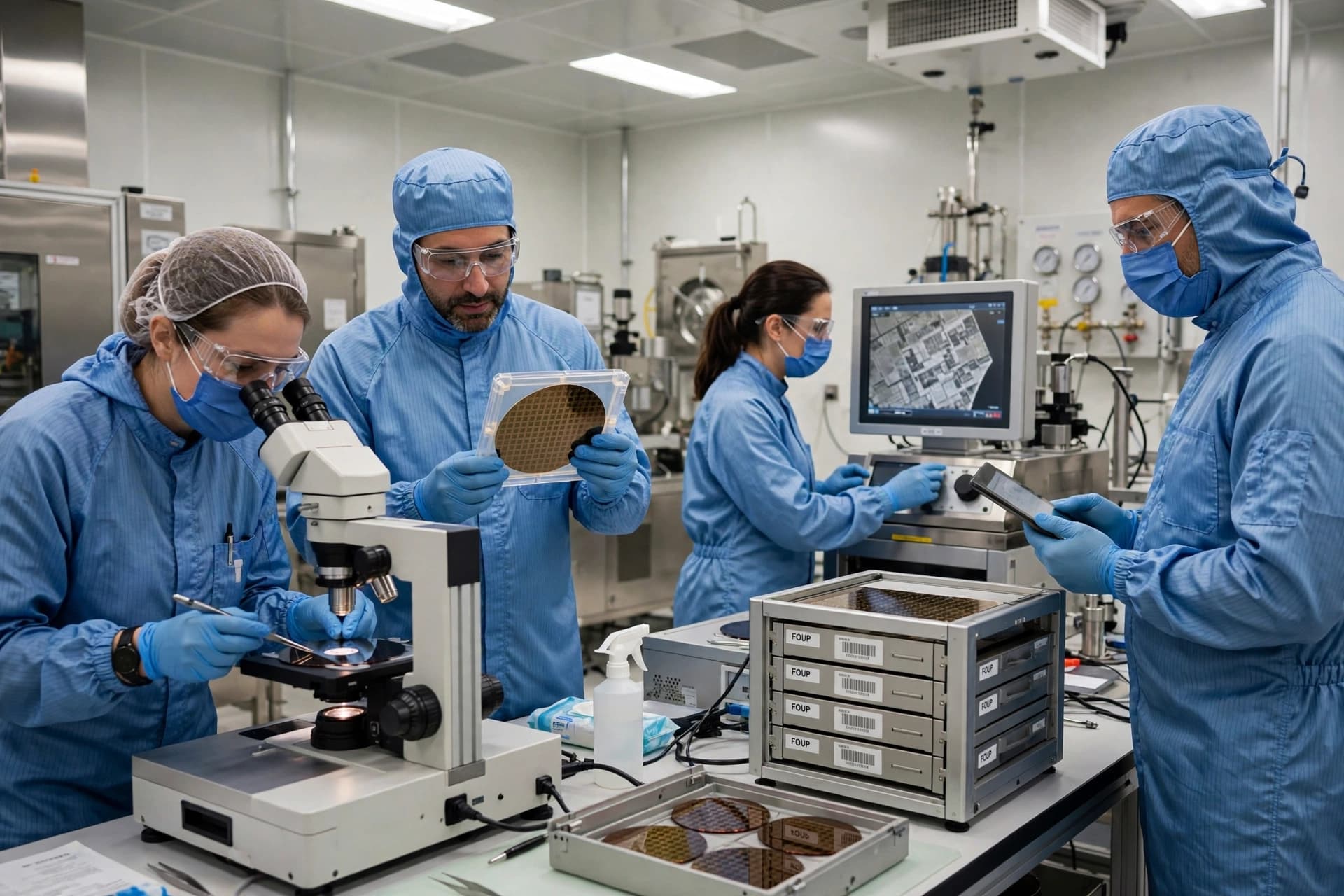
Illustrations were created using AI tools and are conceptual representations, not real photographs.
Sources
Griffith University Nature The Lancet Infectious Diseases World Health Organization Australian Institute of Tropical Health
Published by Banx Network. This article is part of the Banx decentralized media programme, powered by the BXE token on the XRP Ledger.


.jpg&w=3840&q=75 "Qantas Grounds Plane After Passengers Report Bedbug Bites")