In the quiet hours before dawn, many physicians and nurses begin their days with a simple vow — to care for those in need, to ease suffering, and to uphold the trust placed in them by patients and the profession. For officers of the U.S. Public Health Service (USPHS), that vow has historically guided deployments to disaster sites, disease outbreaks, and other public health emergencies. Yet in recent months, that familiar sense of mission has collided with an assignment many never anticipated, thrusting some of the nation’s uniformed health professionals into a profound ethical conflict known as moral distress.
Over the past year, as immigrant arrests by U.S. Immigration and Customs Enforcement (ICE) climbed and hastily constructed detention centers multiplied across the country, nearly 400 USPHS officers — including nurses, doctors, pharmacists, and other clinicians — were tapped to provide basic medical care to detainees held at ICE facilities nationwide. What many officers encountered on these deployments, however, has left a growing number questioning whether the work aligns with the core professional values that brought them into public health. Some say the environment inside these facilities — marked by chaotic screenings, overcrowded cells, understaffing, and delays in essential medical care — feels far removed from the humanitarian missions they expected to undertake.
“We have been tasked with protecting and promoting health, and instead, we are being asked to facilitate inhumane operations,” said Rebekah Stewart, a nurse practitioner who chose to leave the service last October. Her decision reflects a sentiment shared by several USPHS officers who believe that their presence in detention settings inadvertently supports systems they find ethically troubling.
Interviews conducted by NPR with current and former officers — including clinicians who spoke on and off the record — reveal a pattern of moral distress that goes beyond ordinary workplace discomfort. Six out of 12 officers interviewed said they planned to resign, or had already tendered their resignations, largely because of impending deployments to ICE facilities. Moral distress arises when professionals feel unable to act in accordance with their ethical standards, often because institutional priorities or policies conflict with their sense of duty to patients. In this case, officers reported feeling complicit in a system that prioritizes rapid deportation over comprehensive care, leaving them torn between their professional obligations and the realities of detention operations.
One nurse recounted her deployment at an El Paso detention center, describing conditions where detainee populations far exceeded capacity and care resources were scarce. She recalled being ordered to conduct batch medical screenings, a practice that violated the ethical norms of confidentiality, and witnessing delays in access to critical medications such as insulin and anti-epileptic drugs — delays that in some cases led to preventable medical emergencies. Even when clinicians managed to provide direct care, they felt their efforts were overshadowed by the broader system’s pressures and priorities.
Experts in medical ethics describe moral distress as a serious challenge that can drive professionals out of their fields altogether. Hilary Mabel, a bioethicist at Emory University, explained that when clinicians are repeatedly placed in situations where they cannot deliver the care they know is right, or feel complicit in harm, many choose to leave rather than compromise their integrity. This dynamic raises questions about the long-term capacity of the Public Health Service to respond to public health crises if seasoned health workers exit over ethical concerns.
Indeed, the USPHS has already experienced notable staff departures, with around 340 officers leaving the service in the past year, including both retirees and clinicians who exited before qualifying for retirement benefits. USPHS leaders have defended the deployments as part of the service’s mission to care for people where they are most in need, urging officers to fulfill their roles with professionalism and compassion. Yet the ethical complexities of servicing detention environments continue to fuel debate and discomfort within the Corps.
For these health professionals, the moral calculus is not simply about providing care within a challenging environment; it is about reconciling that care with the broader consequences of their presence and what they believe constitutes ethical practice. As tensions over these deployments persist, the experiences of USPHS officers underscore the emotional and ethical burdens that can accompany public service — especially when the line between healing and harm feels indistinct.
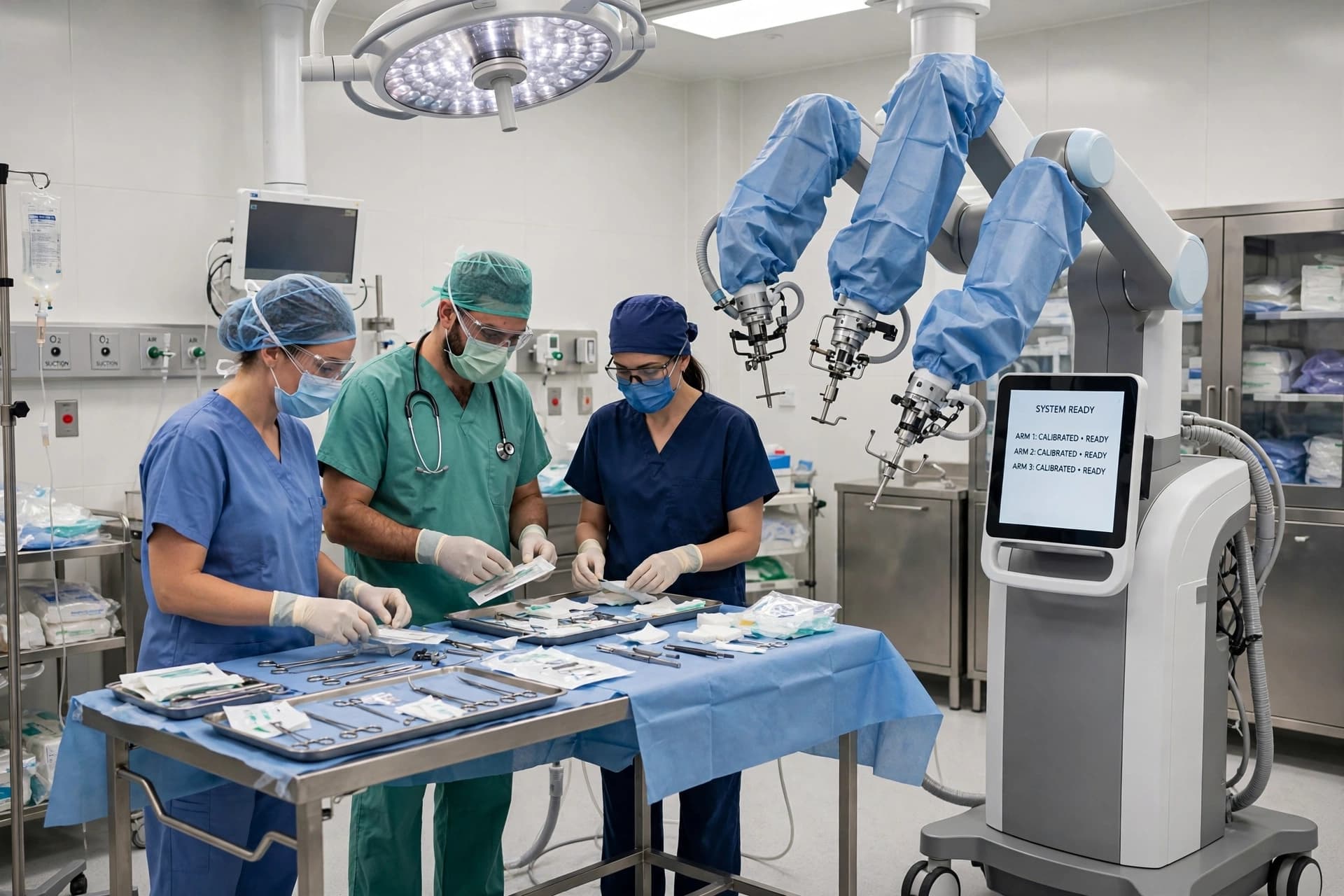
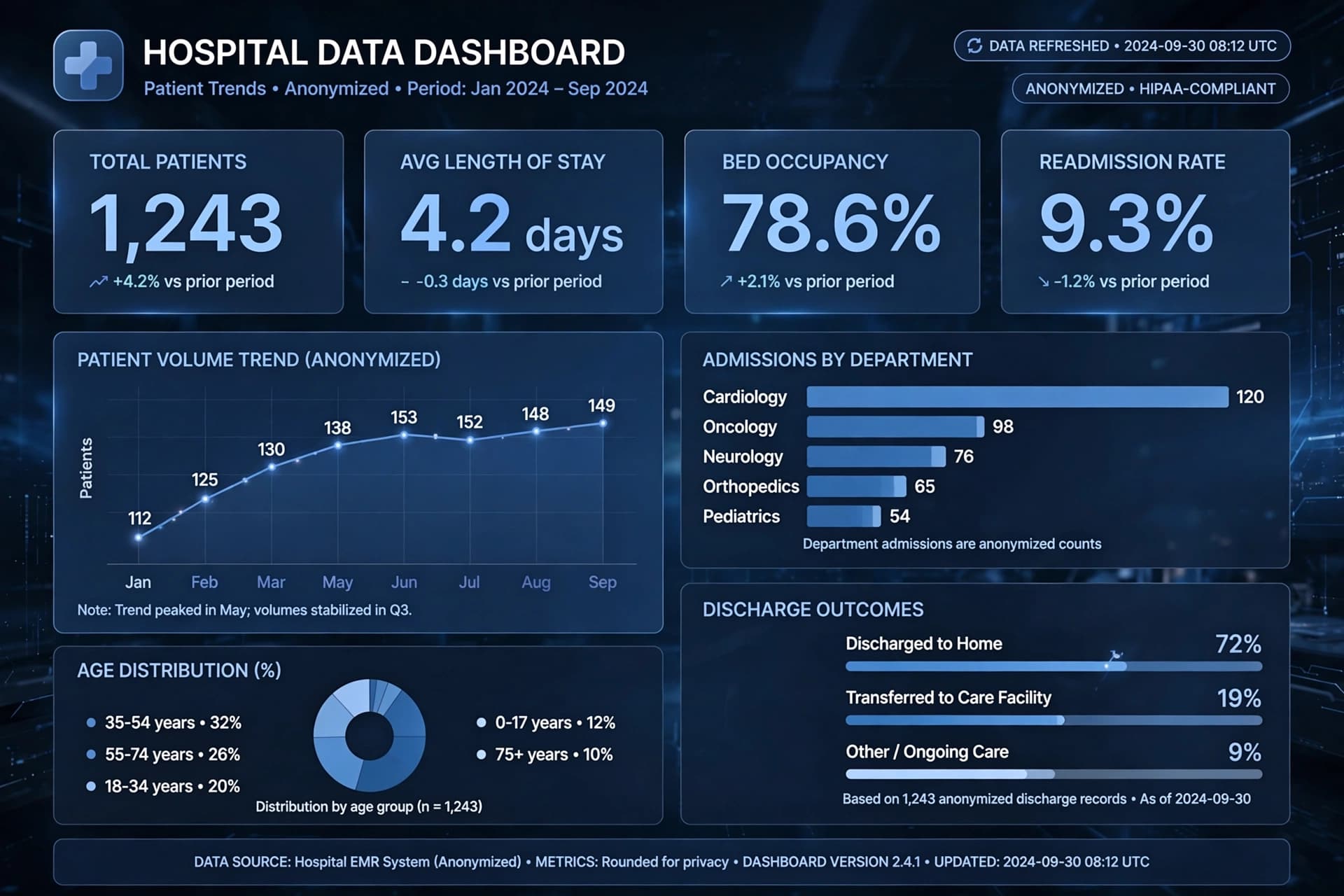
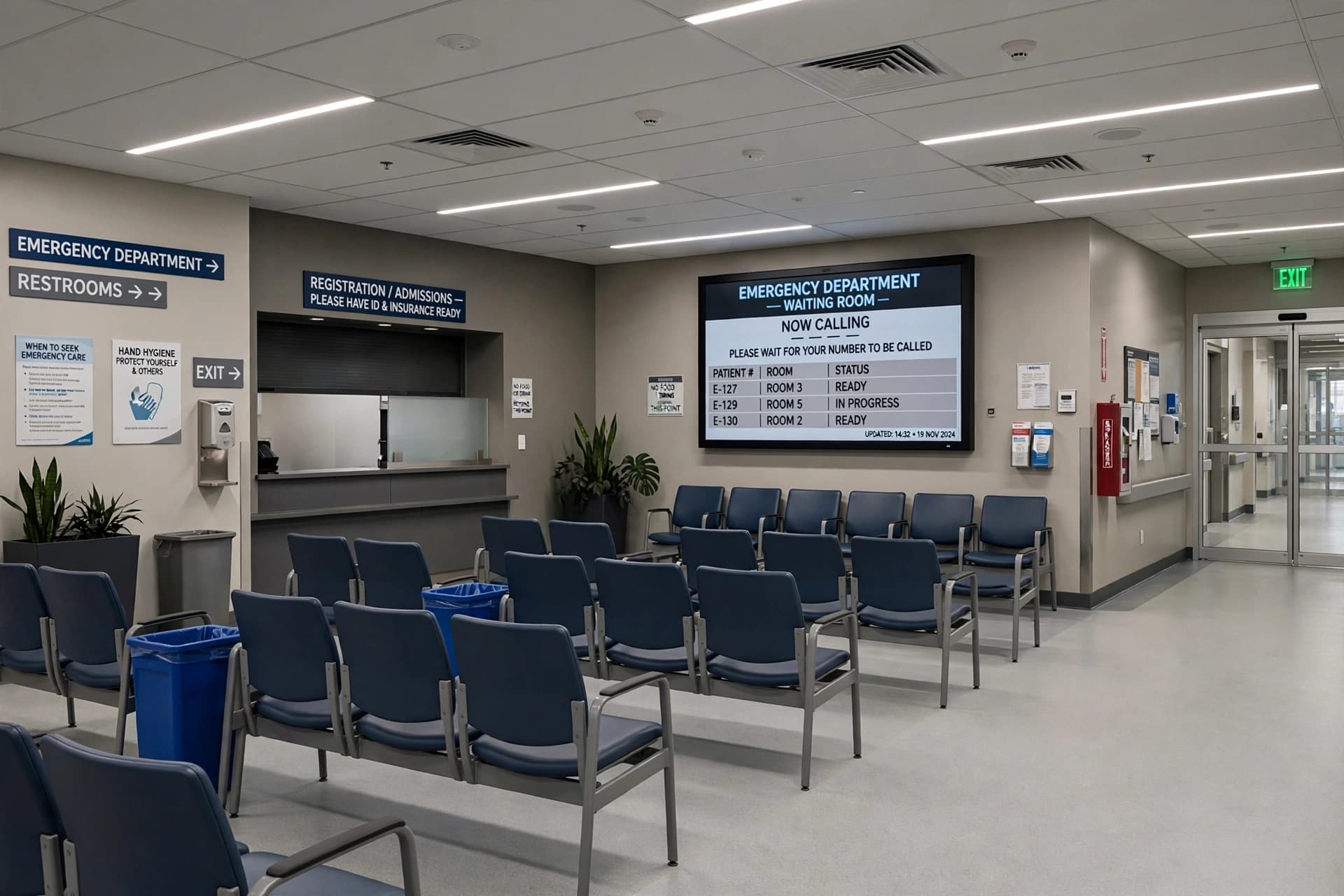
AI Image Disclaimer Illustrations were produced with AI and serve as conceptual depictions.
Published by Banx Network. This article is part of the Banx decentralized media programme, powered by the BXE token on the XRP Ledger.