The world after midnight has its own texture. Streets soften. Screens glow brighter. Time feels elastic, stretched thin by quiet focus or drifting distraction. For many night owls, these hours feel natural, even necessary. But beneath the calm of late nights, the body keeps a stricter schedule—one that does not easily bend.
Growing evidence links habitual late sleep patterns to poorer heart health. People who regularly stay up deep into the night tend to face higher risks of cardiovascular strain, including elevated blood pressure, inflammation, and metabolic disruption. The concern is not a single late evening, but a rhythm repeated often enough that it reshapes the body’s internal timing.
At the center of this issue is the circadian clock—the system that coordinates sleep, hormones, digestion, and heart function. When sleep occurs far outside the body’s expected window, these systems fall out of alignment. Hormones tied to stress remain elevated longer. Recovery shortens. The heart works harder when it should be resting.
Night owls often encounter additional pressures layered on top of biology. Late sleepers may miss morning daylight, exercise less consistently, or rely more heavily on caffeine and late meals. Each factor alone may seem small, but together they form a pattern that compounds over time.
This does not mean that being a night owl is a flaw. Chronotypes vary naturally, shaped by genetics as much as habit. The problem arises when social schedules—early work hours, fixed commitments—force late sleepers into chronic sleep debt. The body never fully catches up. Rest becomes fragmented. Stress lingers.
Researchers emphasize that risk is shaped by consistency as much as clock time. Irregular sleep schedules—late nights followed by early mornings—appear especially taxing. The heart, like the rest of the body, benefits from predictability. It responds better to steady routines than to constant adjustment.
For those who thrive at night, the message is not to abandon their nature, but to protect it thoughtfully. Prioritizing total sleep time, maintaining regular hours when possible, and supporting cardiovascular health through movement, nutrition, and stress management can help soften the impact of late nights.
The quiet truth is that the heart listens closely to time. It notices when rest is delayed, when recovery is shortened, when rhythms drift too far from center. Staying up late may feel harmless in the moment—but over years, the hours we push aside do not disappear. They leave their imprint, beat by beat.
AI Image Disclaimer
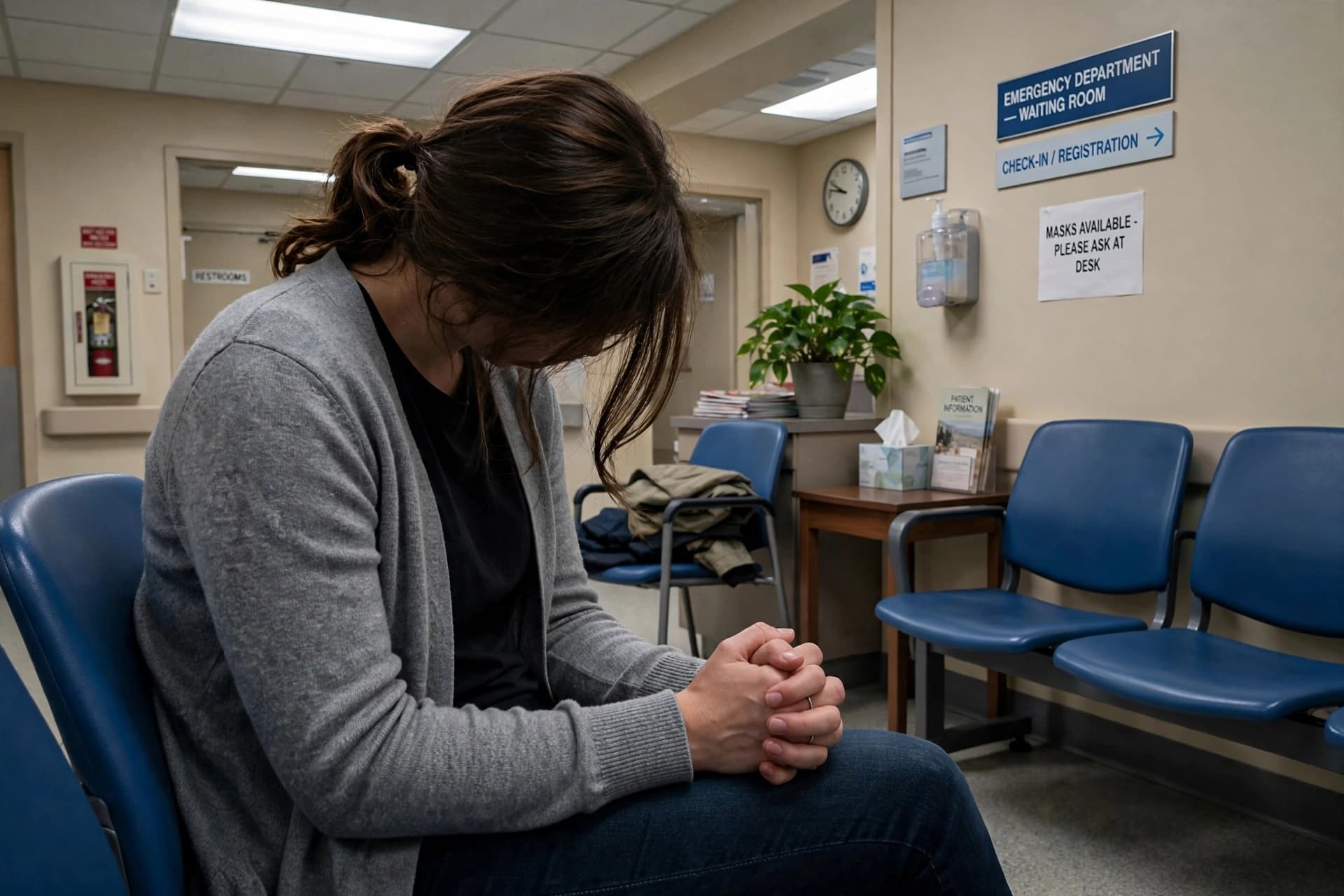
Illustrations are AI-generated and intended as conceptual visuals.
Sources
Peer-reviewed sleep and cardiovascular health studies American Heart Association Clinical sleep research institutions Public health research reviews
Published by Banx Network. This article is part of the Banx decentralized media programme, powered by the BXE token on the XRP Ledger.