
HEALTH94% credibility
What the Morning Milk Carried: A Quiet Warning After a Newborn’s Death
Health officials warn against raw milk after a New Mexico newborn’s death from listeria, highlighting hidden food risks during pregnancy.
2 min read

Health officials warn against raw milk after a New Mexico newborn’s death from listeria, highlighting hidden food risks during pregnancy.

In the wake of ongoing protests, Iranian demonstrators are increasingly relying on underground medical clinics to access healthcare, fearing arrest at official hospitals amid heightened government crackdowns.
As ACA health subsidies expire and premiums rise, many Americans are choosing higher‑deductible Obamacare plans to lower monthly costs — a decision that may deter needed care and worsen health outcomes.

New Mexico health officials linked a newborn’s death to listeria likely acquired from the mother’s consumption of raw (unpasteurized) milk during pregnancy.

A 31-year-old Ecuadorian man survived an attempted murder near La Vega Central in Recoleta. Police investigate while the neighborhood returns to its evening rhythm.

Tourist trains return in Chile for summer 2026 with expanded routes and frequencies, from heritage and wine tours to enhanced long‑distance services connecting north and south.

GLP‑1 weight‑loss drugs can complicate eating disorders for some people, blunting hunger cues and interacting with psychological factors — even as they help others manage appetite and weight.
On World Cancer Day, the city council reaffirmed its commitment to cancer prevention, focusing on awareness, early detection, and community-based public health efforts.

A surgeon once restricted from complex surgery in NSW has been appointed to lead clinical safety efforts in Queensland, prompting discussion about professional review, experience, and patient trust.

A 24-year-old Frenchman was rushed to Rangueil Hospital in Toulouse with a live World War I artillery shell lodged in his rectum, prompting an emergency evacuation and bomb squad intervention.

In Iran, doctors, nurses and medical personnel who treated injured protesters in January 2026 have faced increasing arrests, intimidation and pressure as authorities crack down on dissent and control medical care.

The Washington Post announced sweeping layoffs of over 300 journalists — a one-third reduction — as the paper restructures major departments and shifts focus in response to business challenges and evolving media habits.

The FTC reached a landmark settlement with Express Scripts over alleged anticompetitive insulin pricing practices, requiring reforms to drug pricing and transparency that may save patients billions.

A newborn in New Mexico died of a Listeria infection believed linked to raw milk the mother consumed during pregnancy, prompting health officials to warn against unpasteurized dairy.

UnitedHealth Group has forecasted its first revenue decline in almost 40 years, leading to a sharp drop in its shares amid growing concerns about the company's future performance in an increasingly challenging healthcare landscape.
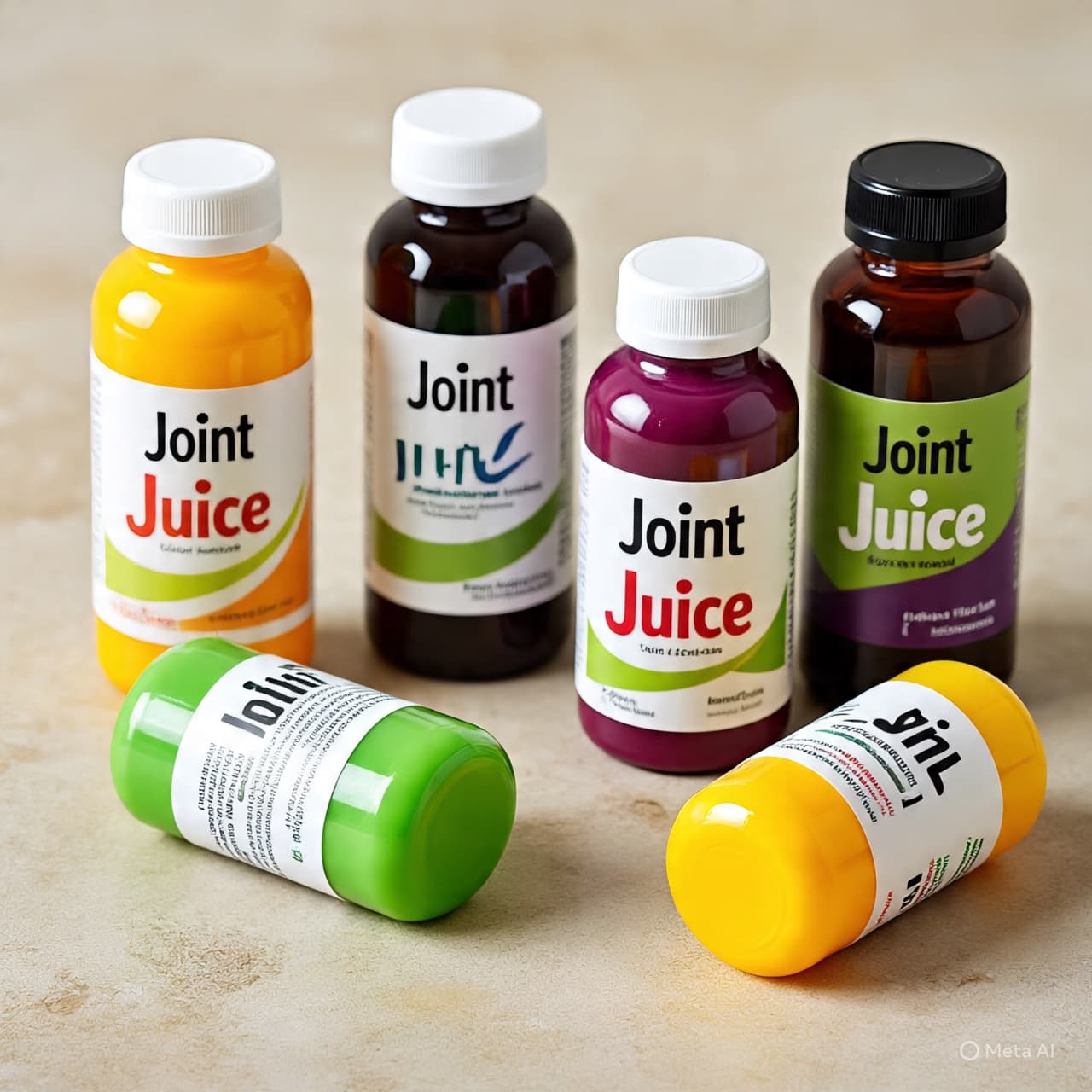
Premier Nutrition agreed to a $19.16 million settlement in a false advertising class action over Joint Juice glucosamine products, with eligible purchasers able to claim compensation.

At a Senate health committee hearing, both Republican and Democratic senators expressed confusion over MAHA’s emphasis on Denmark’s health policies, questioning its relevance to U.S. public health reform.
Pfizer’s early data on its monthly GLP‑1 obesity drug from the Metsera acquisition show up to ~12 % weight loss, sparking debate on whether results justify the $10 billion valuation in a competitive market.

Measles cases in Southern California, linked to an international traveler who passed through LAX and Disneyland, prompted health warnings and calls for vaccination as exposures were identified.

Health officials in New Mexico have issued a warning about the dangers of consuming raw milk after a tragic incident where a newborn died from a listeria infection, believed to have been contracted when the mother consumed unpasteurized milk during her pregnancy.

Dietitians recommend foods rich in amino acids, vitamin C, zinc, and antioxidants — including bone broth, eggs, citrus, berries, and leafy greens — to naturally support collagen production.

Health systems largely focused on acute care struggle to meet the ongoing, coordinated needs of aging adults, from chronic conditions to respectful, age‑inclusive treatment and support.

CT scans of mummies create detailed 3D images of bones, artifacts, and health conditions, revealing personal and cultural histories without damaging the remains.

Minor Hockey is not for player's development, it's a system development