When Absences Tell a Larger Story
Dozens of Minnesota schools are reporting flu outbreaks, driving high absenteeism and prompting health officials to warn of wider community spread as winter illness intensifies.

Dozens of Minnesota schools are reporting flu outbreaks, driving high absenteeism and prompting health officials to warn of wider community spread as winter illness intensifies.

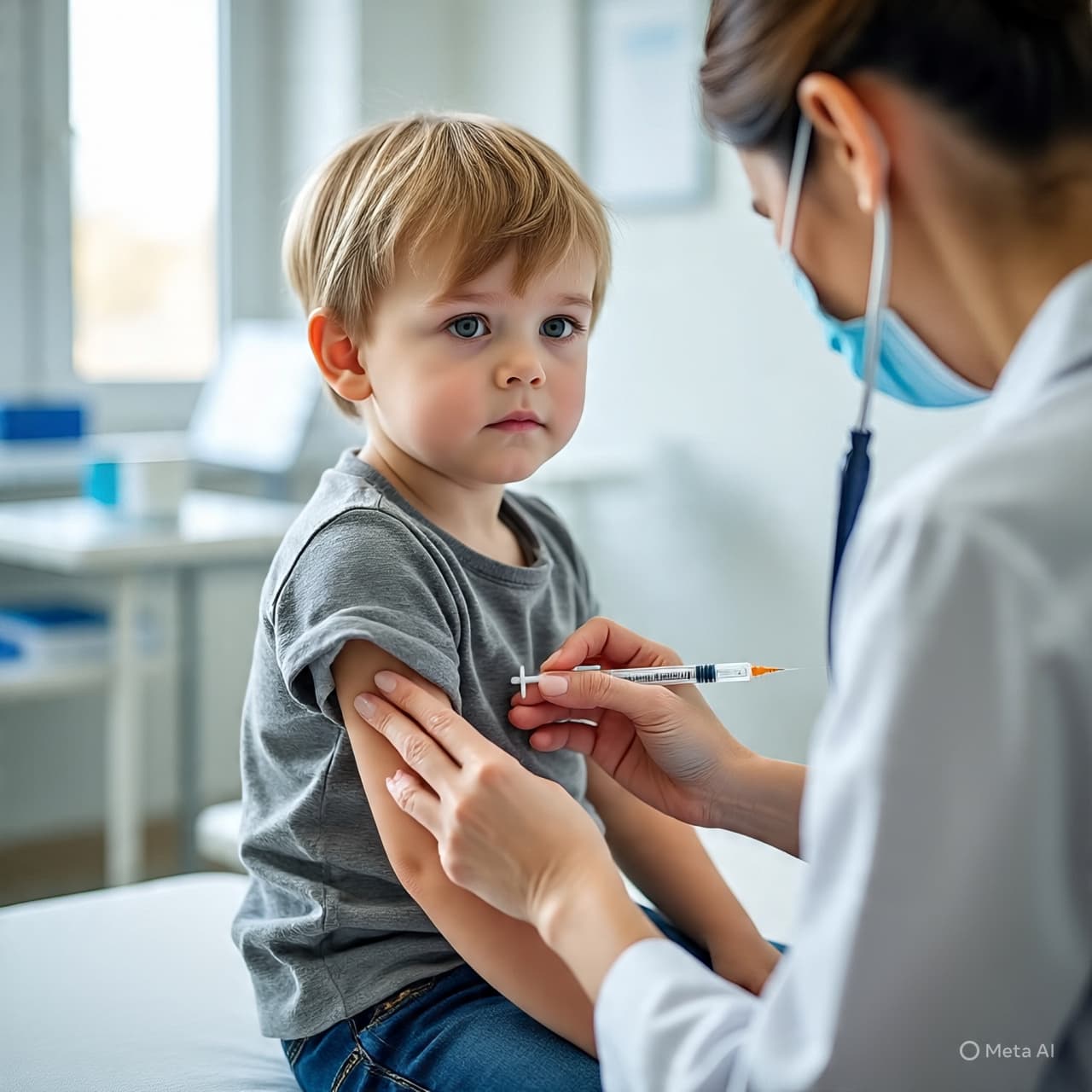
The U.S. Health Department plans to revise the childhood vaccination schedule, focusing on updated timing and clarity while maintaining current vaccine safety and effectiveness.

Michigan’s health leadership steps away from recent federal vaccine guidance shaped under RFK Jr.’s advisory panel, favoring broader expert consensus and reflecting ongoing national debate.

Insurers increasingly compete by expanding coverage for pre-existing conditions, shifting from exclusion toward inclusion as regulation, consumer awareness, and trust reshape the market.

Menards agrees to a $4.25M multistate settlement over misleading 11% rebate advertising and related practices, prompting clearer disclosures and extended rebate claims.

Fort Worth launches a new health partnership blending acupuncture with healthy eating support, reflecting a growing local interest in holistic wellness and integrated care.

Takeda’s Phase 3 trial shows once-daily zasocitinib may offer effective, convenient plaque psoriasis treatment, signaling a new era in patient-centered care.

Contrary to stereotypes, research shows younger adults, especially ages 15–24, often report the highest loneliness, challenging assumptions about age and isolation.

A generic cancer drug sells for $35, $134, or nearly $13,000 in the U.S., revealing how opaque pricing systems reshape access, affordability, and patient experience.

Trump names Yale epidemiologist Harvey Risch to chair the President’s Cancer Panel, bringing his cancer expertise and controversial COVID-19 views into a new national health role.

CDC ends universal hepatitis B vaccine guidance for all U.S. newborns, shifting to shared decision-making for babies of hepatitis B-negative mothers.

South Carolina’s accelerating measles outbreak — with more than 130 cases — has health officials warning that the highly contagious disease could soon spread to Charlotte as vaccination gaps persist.

Health professionals and advocates strongly oppose House bills to ban gender‑affirming care for minors, saying they disregard medical evidence and could harm transgender youth.

Soaring demand for flu vaccinations in England, driven by an early and intense flu season, has led to shortages of appointment slots and limited vaccine availability at major pharmacies.

A new H3N2 flu strain is driving an unusually early and intense flu season across Europe, leading to high case numbers and straining hospitals and clinics; WHO urges vaccination.

A new AI tool can link genetic mutations to the diseases they may cause, helping bridge the gap between DNA sequencing and clinical understanding.

ACH Child and Family Services, through new collaborations, seeks to simplify foster and adoption processes — guiding children and families with greater coordination and care.

Measles outbreaks are worsening in South Carolina, Arizona, and Utah, contributing to nearly 2,000 national cases in 2025, driven largely by low vaccination rates and community spread.

A new H3N2 flu variant has surfaced earlier than usual, driving rising cases and hospital visits. Experts urge vaccination and vigilance as the season begins ahead of schedule.

The CDC ends its decades-long universal hepatitis B vaccine recommendation for newborns, now advising birth doses only for infants of mothers positive or unknown for the virus.

Norovirus activity is rising in Los Angeles County this winter, with wastewater data and positive tests showing increased spread. Health officials urge hygiene and awareness.

Large genetic studies show many psychiatric disorders share overlapping DNA, challenging traditional diagnostic boundaries and reshaping how mental illness is understood.

New research suggests polar bears are undergoing genetic changes that may help them cope with a warming Arctic, highlighting both resilience and the limits of adaptation.

New research suggests Parkinson’s disease may be linked not only to genetics, but also to long-term exposure to environmental contaminants, including those found in water.