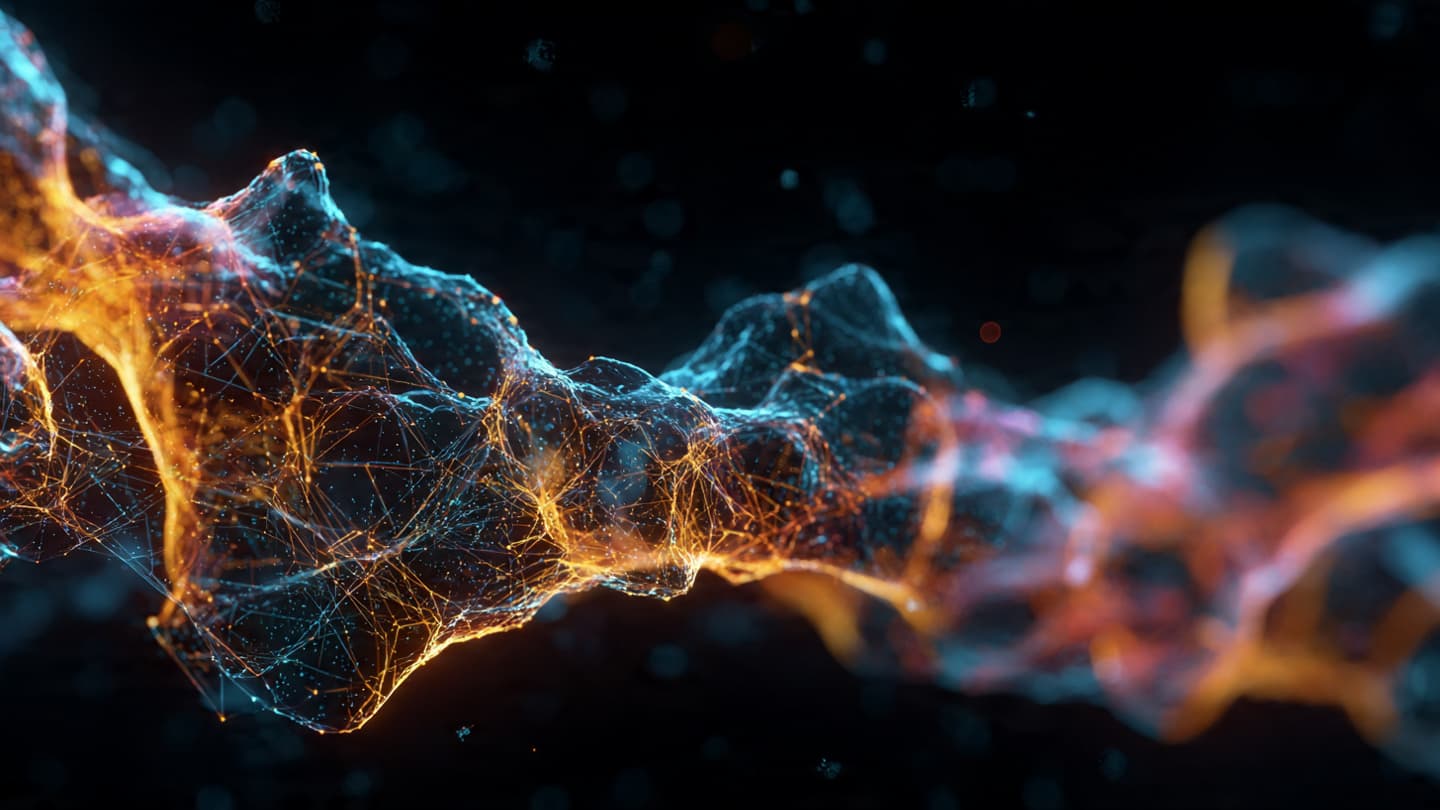
In the quiet intersection between biology and computation, a new kind of mapping is taking shape—one that does not chart land or stars, but the invisible structures that sustain life itself. The scale of this effort reflects a shift in how science approaches complexity.
Body: Recent advances in artificial intelligence have enabled researchers to predict and model protein structures at an unprecedented scale. Proteins, which are essential molecules in all living organisms, determine how cells function, communicate, and respond to their environment.
Traditionally, determining a single protein structure required years of laboratory experimentation. With AI-driven systems, this process has been dramatically accelerated, allowing researchers to explore vast datasets of potential molecular formations.
The reported mapping of approximately one billion protein structures represents not only a computational milestone but also a foundational expansion of biological knowledge. Each predicted structure adds a piece to the larger puzzle of how life operates at a molecular level.
These insights are particularly valuable in fields such as drug development, where understanding protein behavior can help identify new therapeutic targets for diseases ranging from cancer to neurodegenerative conditions.
However, scientists also emphasize that computational predictions must still be validated through experimental methods. AI serves as a powerful guide, but not a complete replacement for laboratory verification.
The integration of machine learning into molecular biology reflects a broader trend in science—where data-driven models increasingly complement traditional experimental approaches.
Closing: As AI continues to expand the boundaries of biological mapping, it reshapes not only what scientists can observe, but also how quickly new discoveries can move from concept to understanding.
AI Image Disclaimer: All visuals are AI-generated conceptual illustrations for editorial use only.
Sources (media names only): Nature, DeepMind publications, Science Daily, NIH
Published by Banx Network. This article is part of the Banx decentralized media programme, powered by the BXE token on the XRP Ledger.