In the quiet hum of laboratory equipment, where the future of energy is being meticulously crafted, a long-standing puzzle has finally begun to yield its secrets. Solid-state batteries, promised as the safer, more powerful successors to today’s lithium-ion cells, have long been hindered by a persistent flaw: the tendency to short-circuit due to the growth of microscopic metallic tendrils known as dendrites. Recent breakthroughs, highlighted by ScienceDaily, have illuminated the precise mechanism behind these failures, offering a clear path toward batteries that are not only more efficient but fundamentally safer for everyday use.
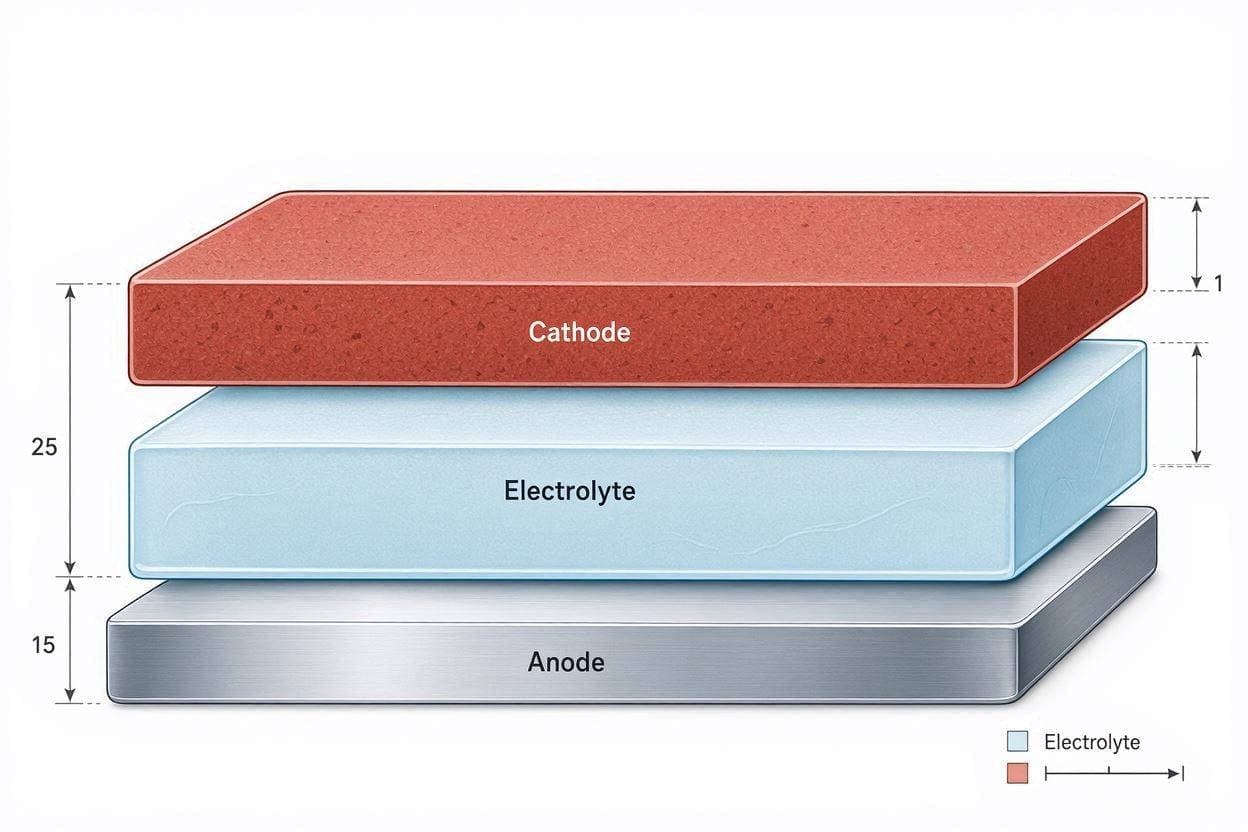
Body: The core issue lies in the interaction between the lithium metal anode and the solid ceramic electrolyte. While solid electrolytes are non-flammable and offer higher energy density, they are brittle. Researchers have discovered that lithium dendrites, though soft, can exert enough mechanical pressure to crack these hard ceramics, creating pathways for electrical shorts. This insight shifts the focus from merely trying to block dendrites to understanding and mitigating the mechanical stresses they create.
New studies suggest that by engineering the interface between the anode and electrolyte, scientists can reduce the likelihood of crack formation. Techniques such as adding flexible buffer layers or modifying the surface chemistry of the electrolyte have shown promise in laboratory tests. These adjustments help distribute the pressure more evenly, preventing the localized stress that leads to fracture. It is a delicate balance of materials science and engineering, requiring precision at the atomic level.
The implications of this breakthrough are profound for the electric vehicle industry. Current lithium-ion batteries rely on liquid electrolytes, which are flammable and pose a fire risk in the event of a crash or manufacturing defect. Solid-state batteries eliminate this risk, potentially revolutionizing automotive safety. Moreover, their higher energy density could significantly extend driving ranges, addressing one of the primary concerns of potential EV owners.
Beyond cars, these safer batteries could transform consumer electronics, aviation, and grid storage. The ability to store more energy in a smaller, safer package opens up new possibilities for device design and functionality. For airlines, it could mean longer flights with lower emissions; for homeowners, it could mean more reliable backup power during outages. The ripple effects of this technology are vast and varied.
However, challenges remain in scaling up production. Manufacturing solid-state batteries requires new processes and materials that are currently expensive and complex to produce. The recent findings provide a roadmap for overcoming these hurdles by identifying the critical factors that influence performance and safety. This knowledge allows manufacturers to optimize their designs for mass production without compromising on quality.
Collaboration between academia and industry is accelerating this progress. Universities are sharing their fundamental insights with battery makers, who are translating them into practical applications. This synergy is crucial for bringing solid-state technology from the lab to the market. It is a testament to the power of shared knowledge in solving complex technological problems.
Closing: The recent breakthrough in understanding dendrite formation marks a significant milestone in the development of solid-state batteries. By addressing the root cause of safety issues, researchers are paving the way for a new generation of energy storage solutions that are safer, more efficient, and capable of powering a sustainable future.
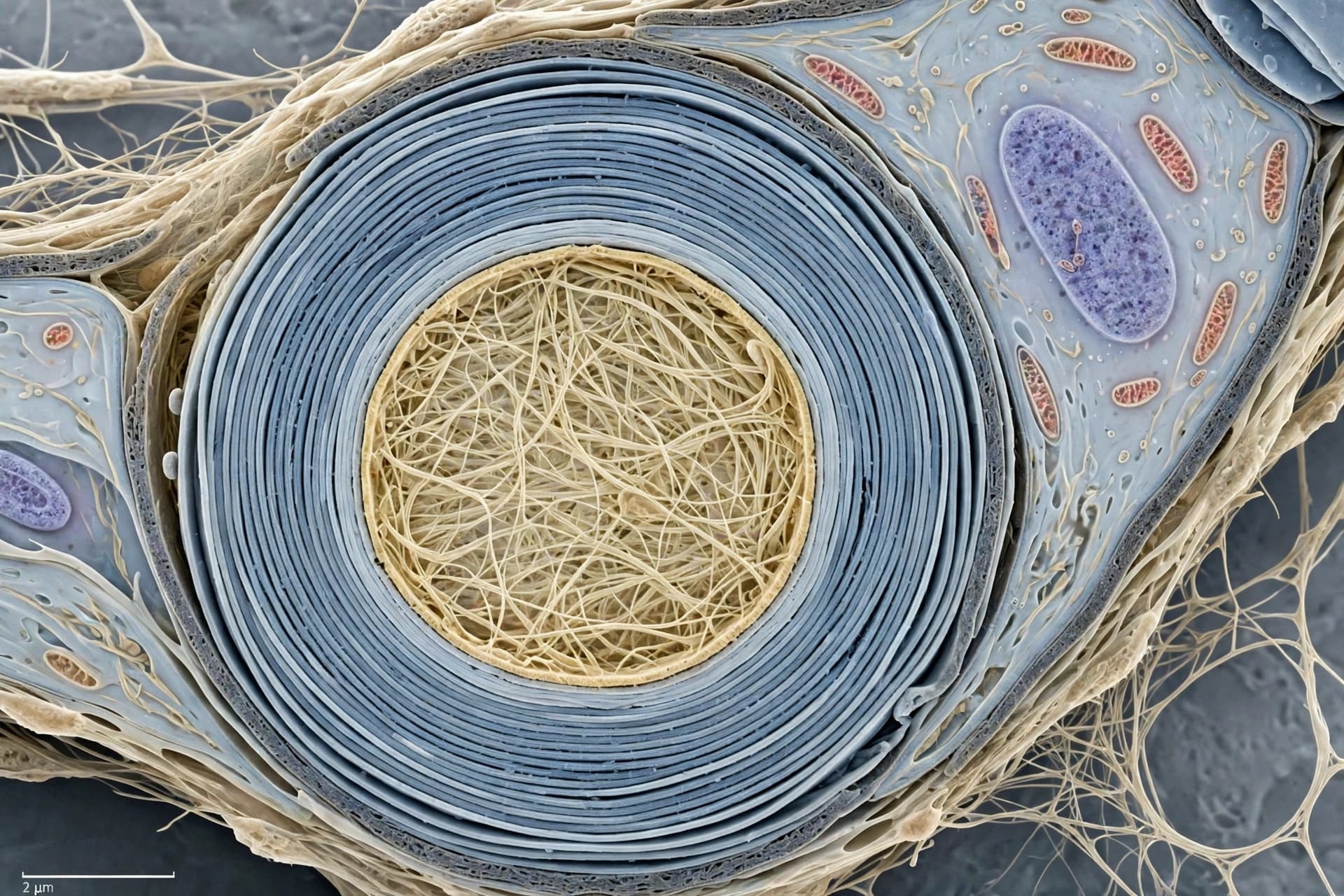
AI Image Disclaimer: The visual representations in this article are AI-generated illustrations of battery microstructures and should be viewed as conceptual interpretations rather than literal microscopic photographs.
Sources: ScienceDaily, MIT News, Nature Energy, Max Planck Institute, Reuters
Published by Banx Network. This article is part of the Banx decentralized media programme, powered by the BXE token on the XRP Ledger.