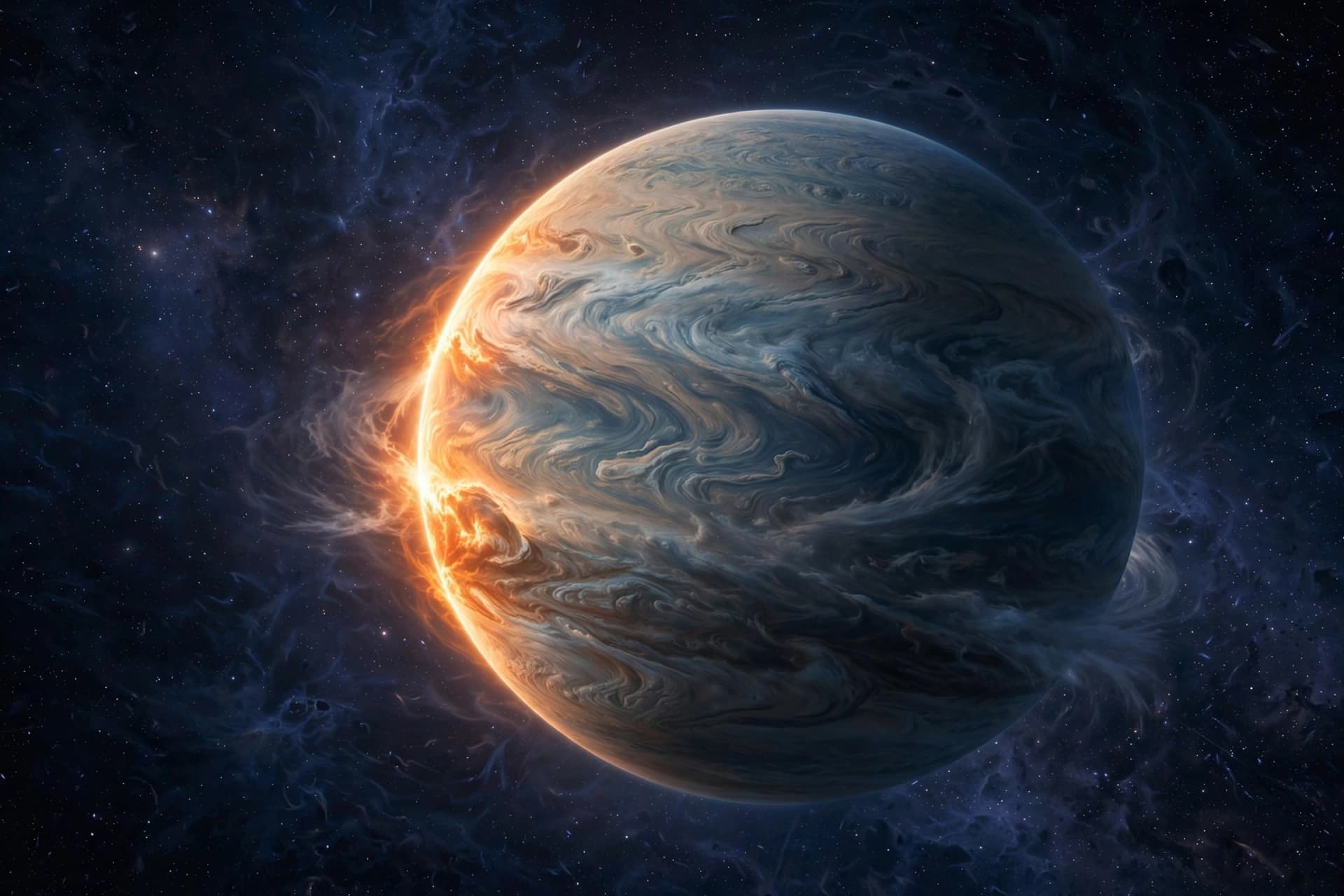
Somewhere beyond the familiar glow of our night sky, the universe continues its quiet habit of surprise. Like a lighthouse glimpsed through distant fog, astronomers have identified a planet that bears a resemblance to Earth, resting gently within what scientists call the habitable zone. It is not a declaration of life found, but a reminder that the cosmos still leaves its doors slightly ajar. This newly identified world circles its star at a distance where temperatures may allow liquid water to exist. In astronomy, this balance is delicate. Too close, and water evaporates into memory; too far, and it freezes into silence. The planet’s position suggests moderation, a cosmic middle ground that echoes the conditions once favorable to life on Earth. Its size, neither too large nor too small, adds another layer of intrigue, hinting at a rocky surface rather than a gaseous shroud. Researchers emphasize restraint alongside excitement. A planet’s presence in the habitable zone does not guarantee oceans, atmospheres, or biology. Many questions remain unanswered: the nature of its atmosphere, the behavior of its star, and the planet’s own geological rhythms. Yet, discoveries like this refine the search, teaching scientists where to listen more closely in the vast conversation of space. Advances in telescope technology and data analysis have made such findings more frequent. Each discovery does not stand alone; it joins a growing catalog that suggests Earth-like conditions may not be rare exceptions. Instead, they may be quiet repetitions scattered across the galaxy, waiting to be noticed. For now, this planet remains a distant possibility rather than a destination. It offers no message, no signal, only presence. Still, in that presence lies perspective: Earth is not diminished by these findings, but contextualized. Our planet becomes one verse in a much larger composition, familiar yet not singular. The discovery adds another page to humanity’s ongoing record of observation. It neither promises neighbors nor predicts futures. It simply tells us that the universe continues to provide environments where life, under the right circumstances, could one day take hold.
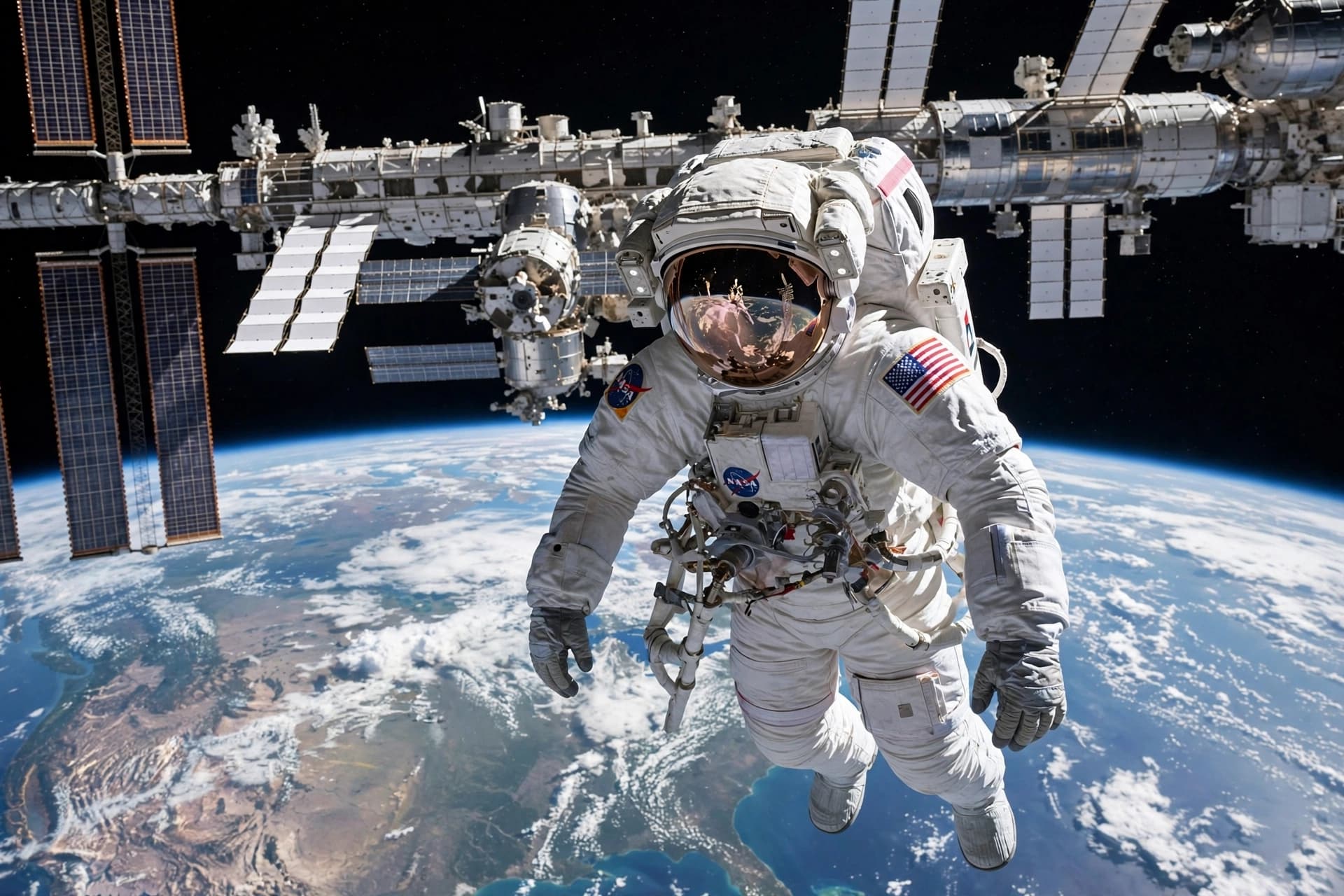
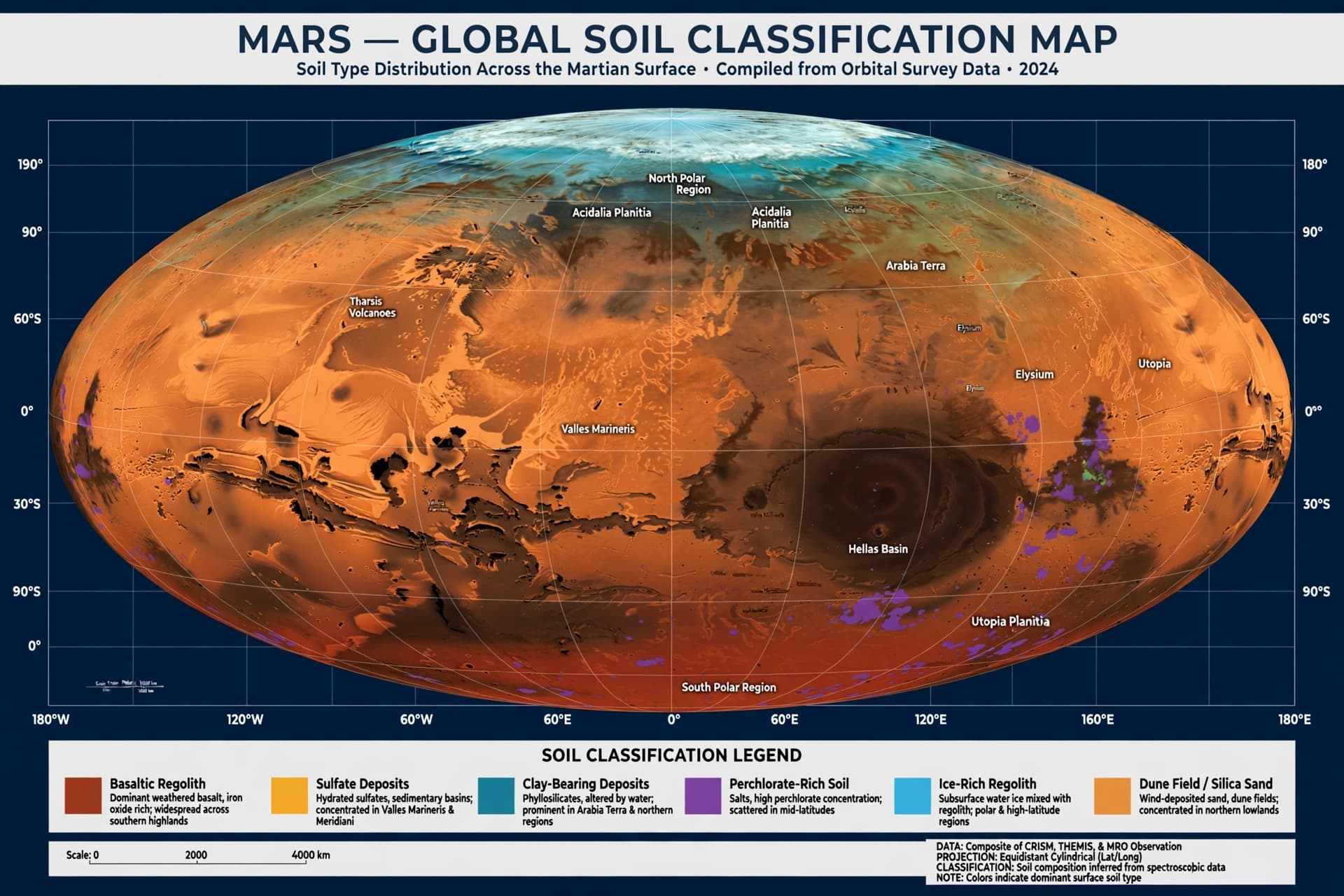
AI Image Disclaimer (Rotated Wording) Illustrations were produced with AI and serve as conceptual depictions rather than real photographs. Sources (Media Names Only) NASA European Space Agency Nature Scientific American BBC
Published by Banx Network. This article is part of the Banx decentralized media programme, powered by the BXE token on the XRP Ledger.