Where Near-Misses Meet Meaning: Reflections on Particles That Almost Touch
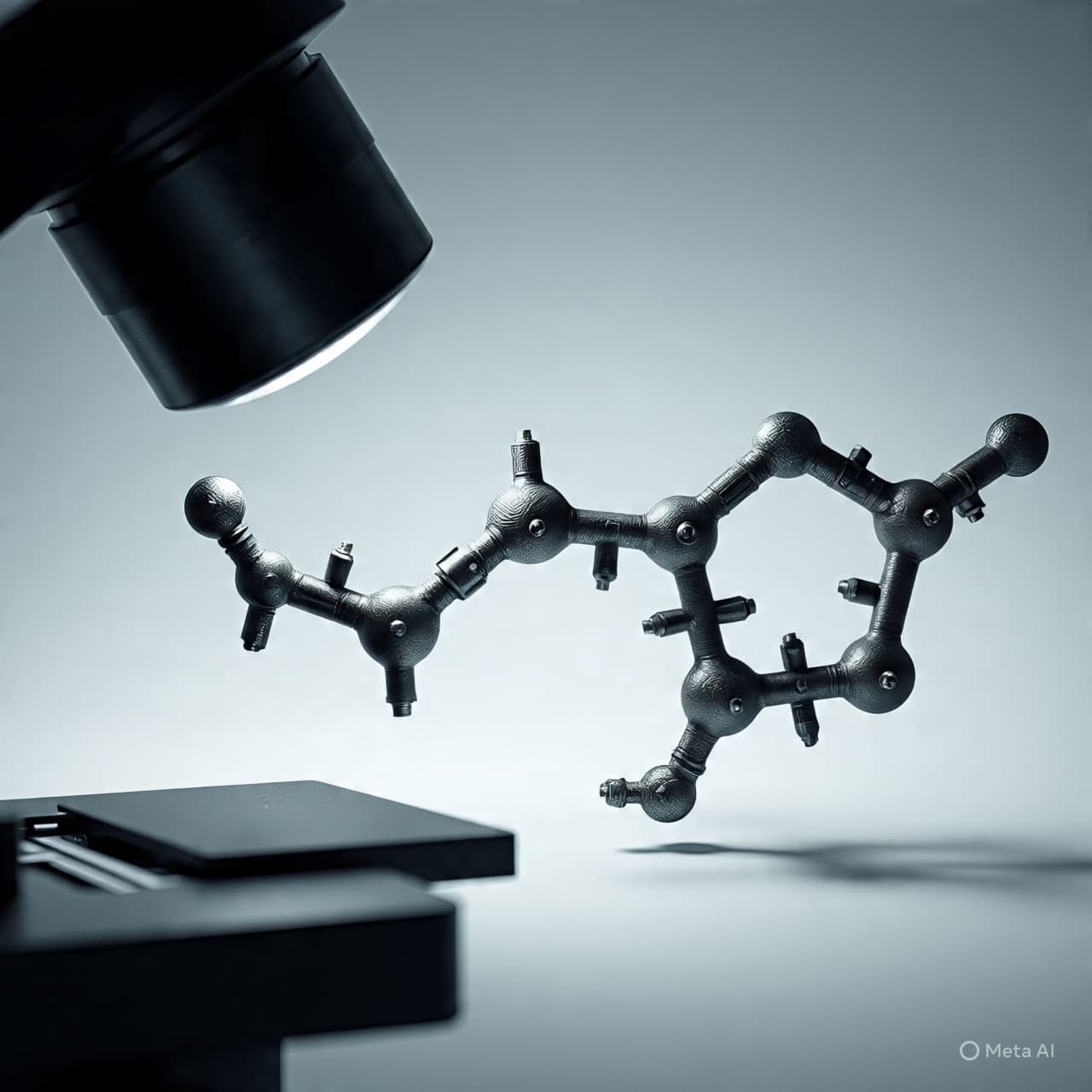
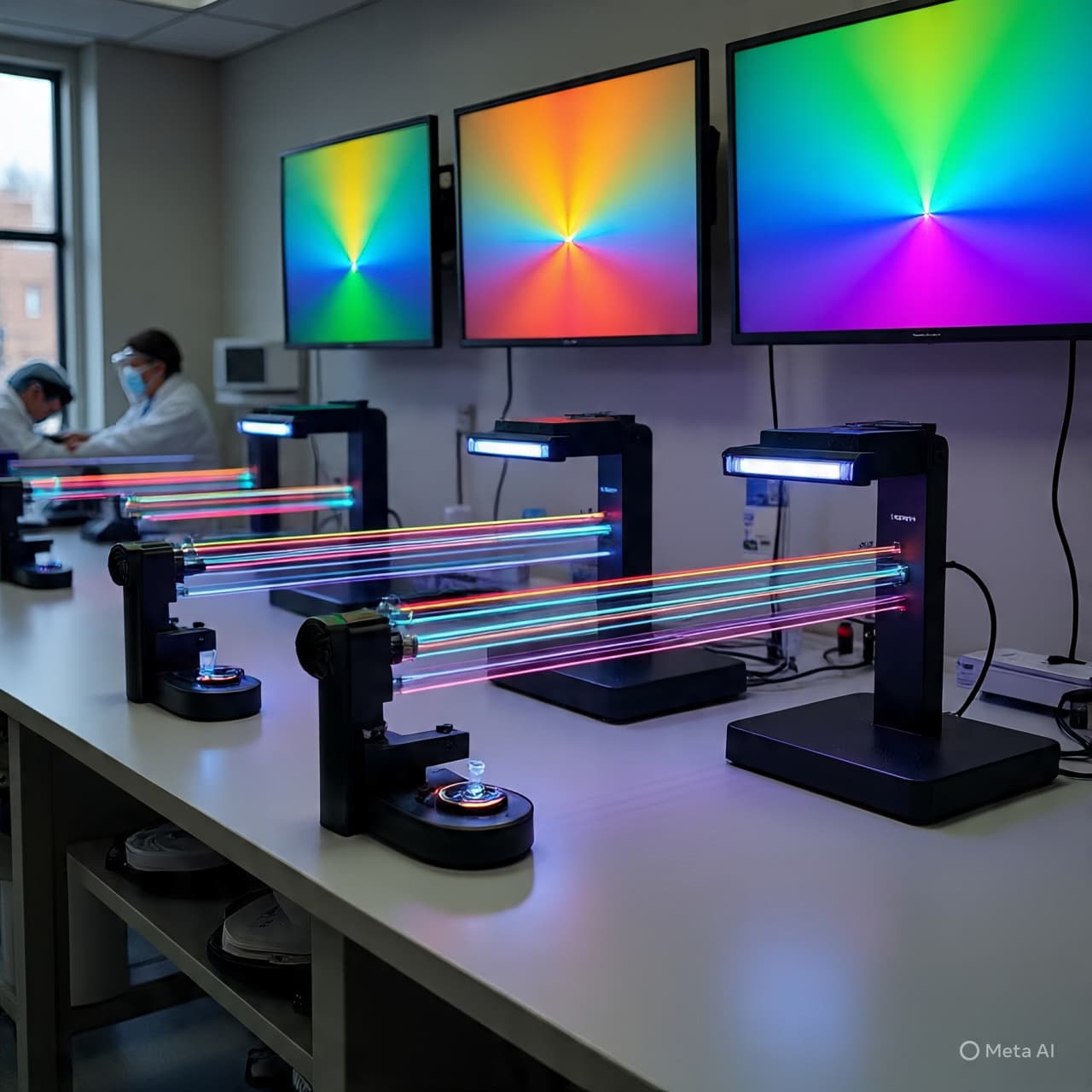
Researchers found that near-miss interactions in particle accelerators can reveal subtle behaviors of fundamental forces, offering new insight into physics.

Researchers found that near-miss interactions in particle accelerators can reveal subtle behaviors of fundamental forces, offering new insight into physics.

Satellite observations of Pacific tsunami waves reveal detailed patterns that help scientists understand earthquake slip and improve hazard models.

SpaceX leadership signals uncertainty that its plan for one million orbital data center satellites will be fully realized amid practical challenges.

Bioluminescent bacteria are essential for the development and function of the bobtail squid’s light organ, aiding its survival and shaping its biology.

Caltech scientists used laser-assisted 3D printing to create ultra-strong metallic nanostructures, suggesting new possibilities in advanced materials.

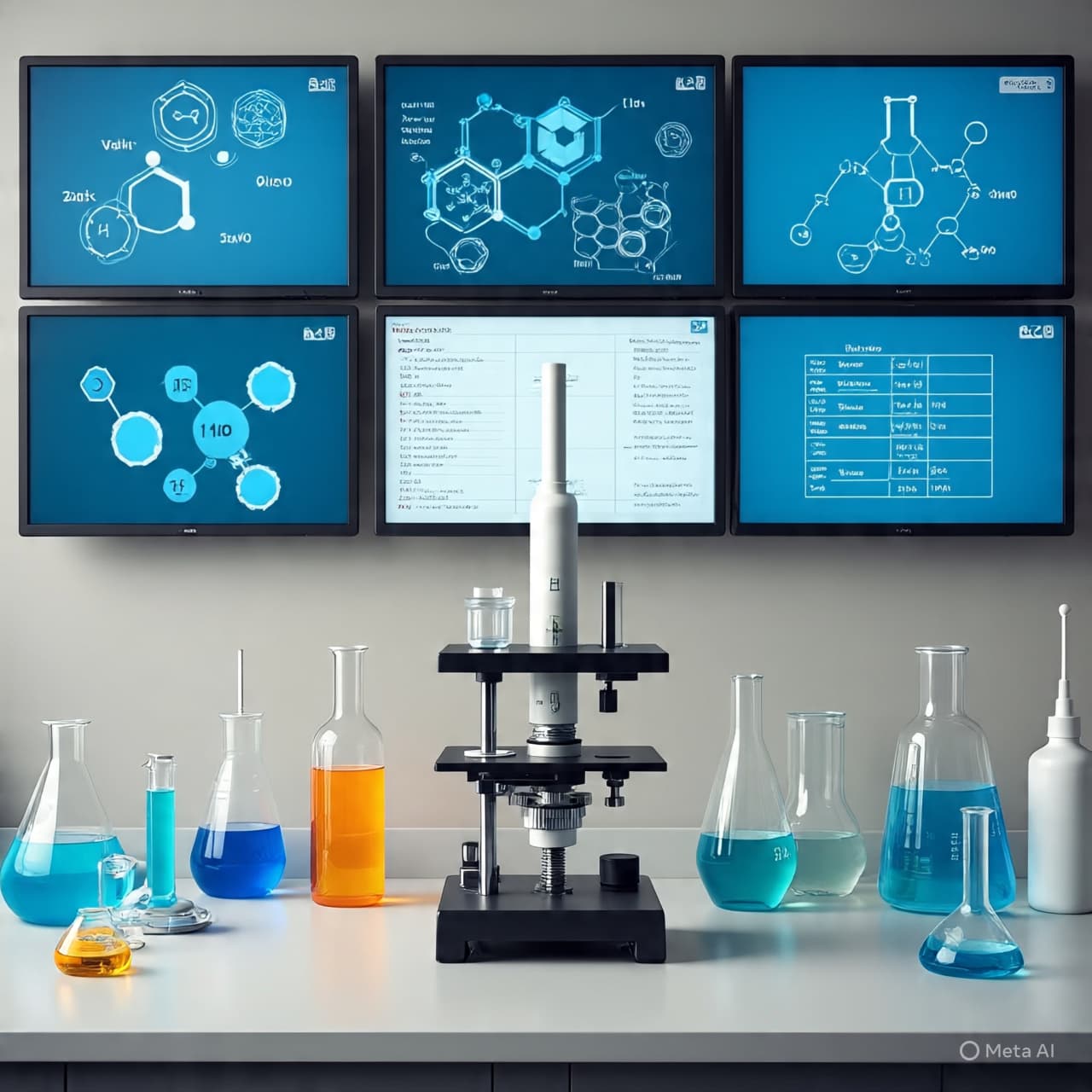
Generative AI models designed a new polymer dielectric that passed lab validation, marking a step forward in AI-assisted materials discovery.

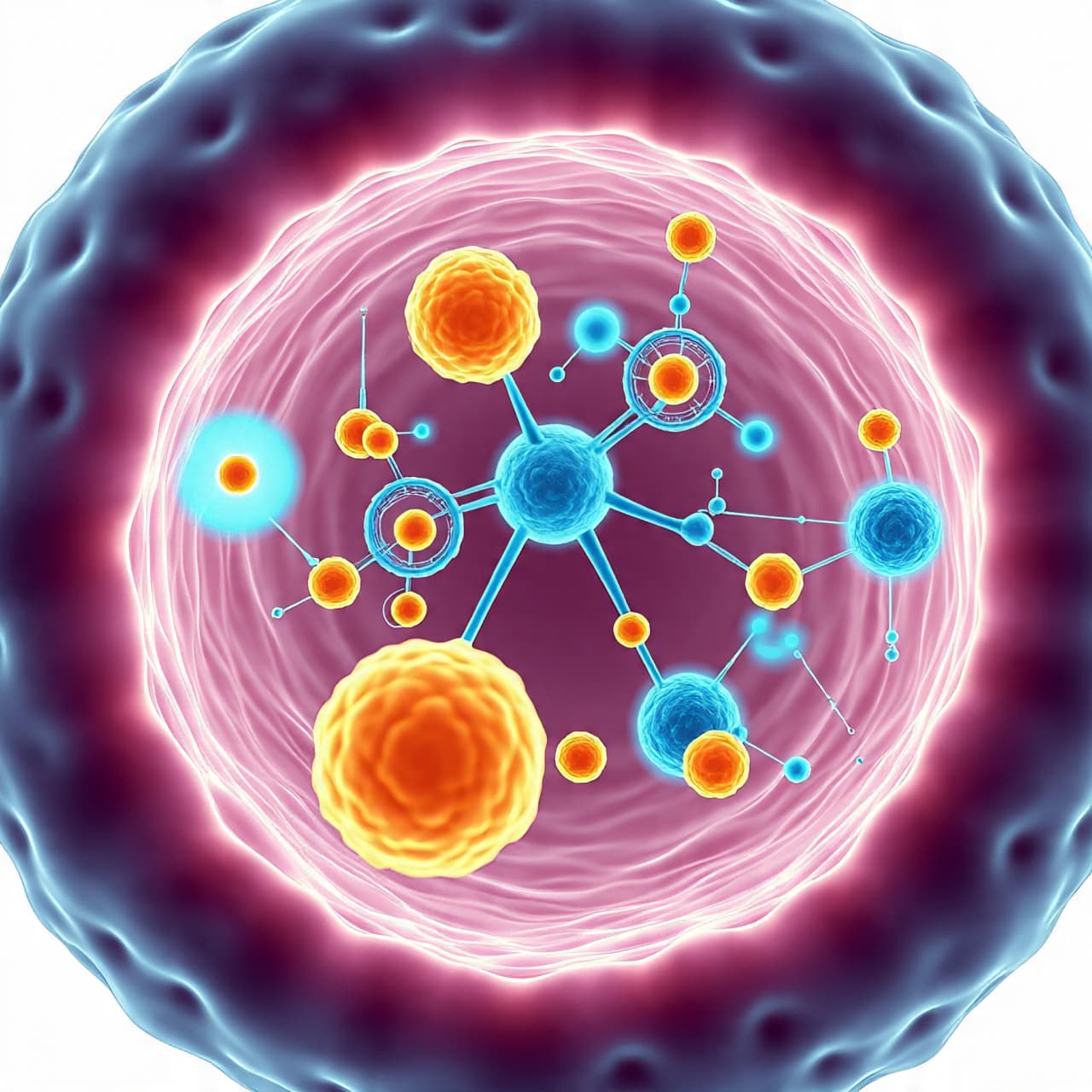
Quantum biosensors enable scientists to observe tiny processes inside cells with high precision, improving understanding of cellular behavior.

Scientists identified a key driver of inflammatory memory, explaining how immune responses can persist and shape long-term health outcomes.

On March 27, the waxing Moon passes near the Beehive star cluster (M44) in Cancer, creating a visible sky event for stargazers.

Scientists tested sperm movement under space-like conditions to study how microgravity may affect reproduction in future space colonization.

Hummingbirds rely on frequent nectar intake, roughly equal to one drink per day, to sustain their extremely high metabolism and constant energy needs.

A global study across 30 sites shows plants evolving in response to climate change, adapting in different ways depending on local conditions.

A study finds solar storms are driven by a deep magnetic engine inside the Sun, helping explain how flares and eruptions form.

Scientists have found DNA shape affects gene therapy success, influencing how easily genes can be accessed and modified.

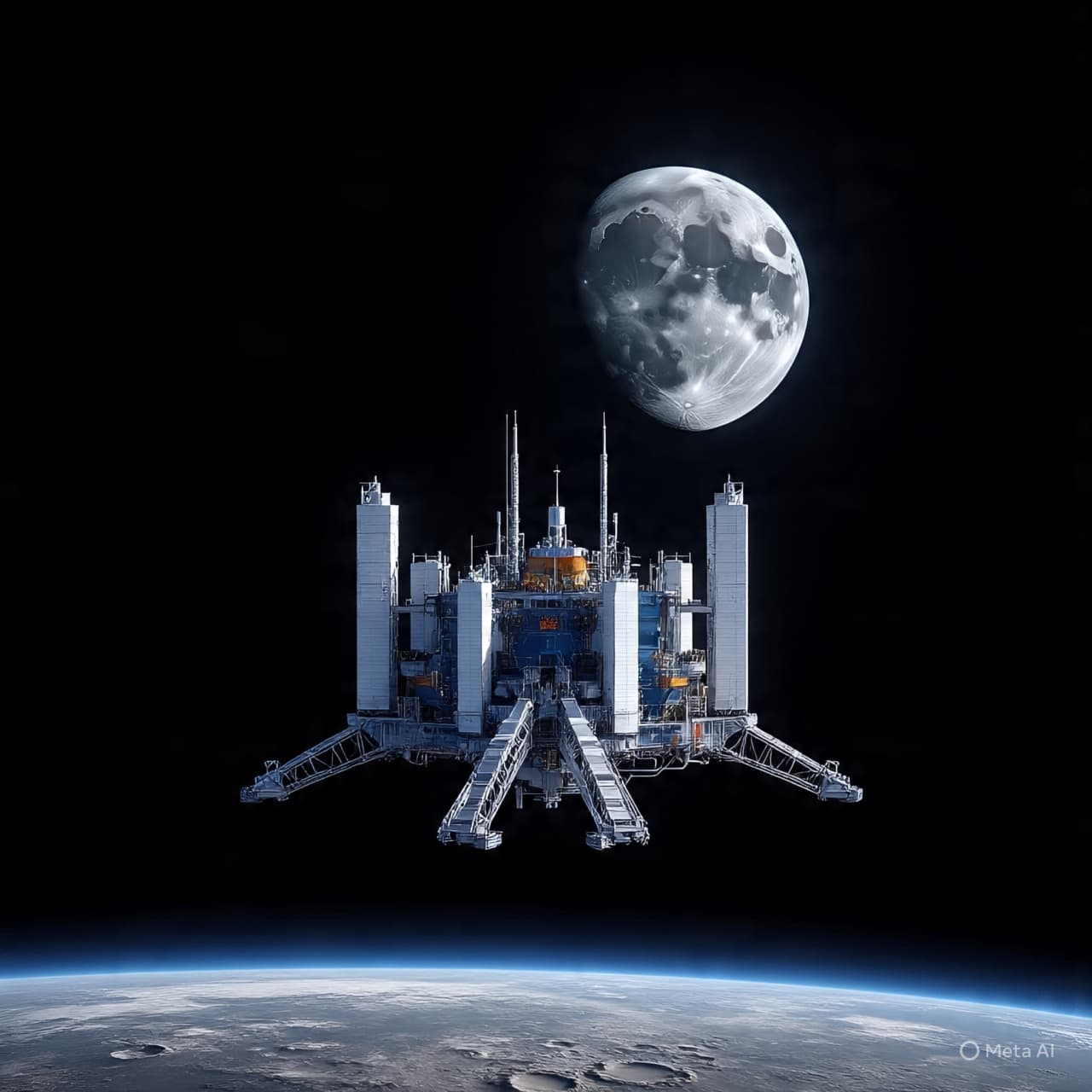
NASA highlights science as central to its Moon-to-Mars plans, integrating research into missions to guide future human exploration.

Evidence shows Neanderthals ate elephant meat 125,000 years ago, indicating advanced hunting or scavenging and food processing skills.

NASA will unveil the completed Roman Space Telescope and host a briefing, highlighting its mission to study dark energy and exoplanets.

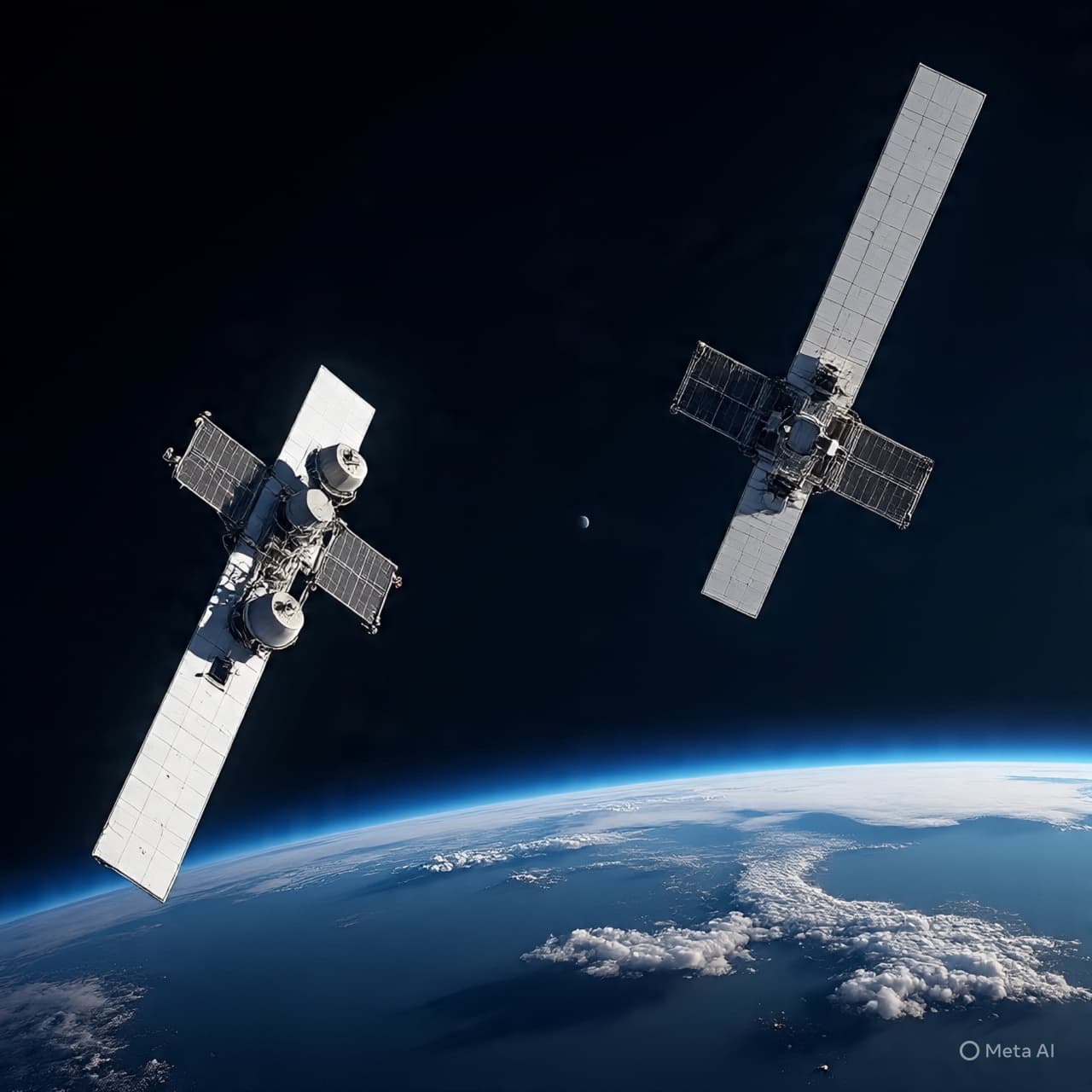
U.S. GSSAP satellites conducted a GEO handoff to maintain continuous monitoring of China’s Shijian-29 spacecraft.

Scientists have observed “dark points” in light patterns that appear to move faster than light, though they do not break physical laws.

Scientists are exploring how discarded oyster shells can remove rare earth metals from polluted water, offering a potential low-cost cleanup method.

Hubble has observed a comet reversing its spin, a rare phenomenon likely caused by gas jets that may signal its eventual breakup.

A New Zealand experiment aboard the ISS has successfully completed its mission, contributing valuable data to microgravity research.

Claims that NASA will “nuke” Gateway and send it to Mars are unfounded; no credible sources support this idea.

Some urban birds use cigarette butts in nests, which may reduce parasites, though potential toxic effects remain uncertain.