There are changes that arrive so gradually they seem almost still, their movement felt only in hindsight. A field that looks the same from one season to the next may, over years, begin to hold different patterns—subtle shifts in growth, in timing, in the quiet persistence of certain plants over others. It is within this slow unfolding that evolution continues, not as a distant concept, but as a process carried out in real landscapes.
In an experiment that spans continents, researchers have followed this process across 30 sites worldwide, observing how plant populations respond to changing climates. Rather than relying solely on models or historical comparison, the study brings evolution into the present, tracking how species adapt over time as environmental conditions shift around them.
The approach is both simple and expansive. At each location, plants are monitored under varying conditions—temperature, rainfall, and other factors that reflect the realities of a changing climate. By comparing how populations grow, reproduce, and survive across these sites, researchers begin to see patterns emerge. Some plants adjust, altering their life cycles or tolerances. Others struggle, their presence diminishing as conditions move beyond what they can endure.
What makes the experiment distinct is its scale and continuity. By extending across diverse environments, it captures variation that a single location could not. The responses observed are not uniform, but shaped by local conditions, by the interplay between species and the climates they inhabit. In this way, the study reflects the complexity of the natural world, where change is rarely even or predictable.
There is also a quiet immediacy to the findings. Evolution is often spoken of as something that unfolds over vast stretches of time, beyond the span of a human life. Yet here, it becomes observable within years, visible in the shifting traits of plants as they respond to new pressures. It suggests that adaptation, while gradual, is not always distant.
The implications extend beyond observation. Understanding how plants respond to climate change informs how ecosystems may evolve in the future. It offers insight into which species may persist, which may decline, and how the balance within environments could shift as conditions continue to change.
At the same time, the study remains rooted in careful measurement rather than certainty. The patterns observed provide direction, not conclusion, reflecting processes that are ongoing and influenced by many factors. Climate change introduces variability, and with it, outcomes that cannot be fully predicted.
There is a certain quietness to the work—researchers returning to the same sites, season after season, noting differences that might otherwise go unnoticed. It is a form of attention that mirrors the process it studies, patient and cumulative, building understanding over time.
In these fields, scattered across the world, evolution is not an abstract idea but a living process, unfolding in response to conditions that continue to shift. The changes may be small in any given moment, but together they form a pattern that speaks to how life adapts, persists, and reshapes itself.
Scientists conducted a global experiment across 30 sites to track how plants evolve in response to climate change. The findings show that plant populations can adapt over relatively short timescales, though responses vary depending on local conditions.
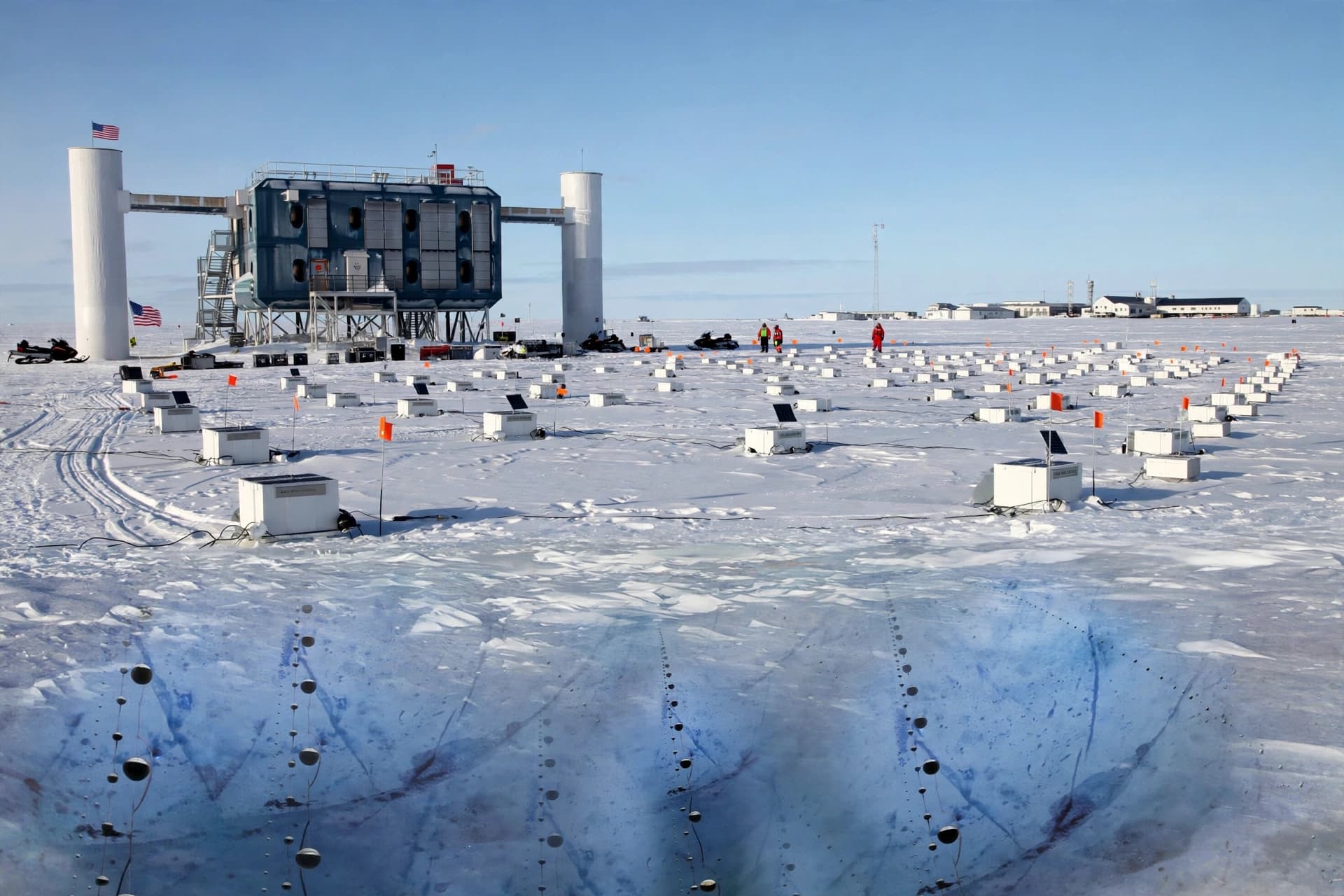
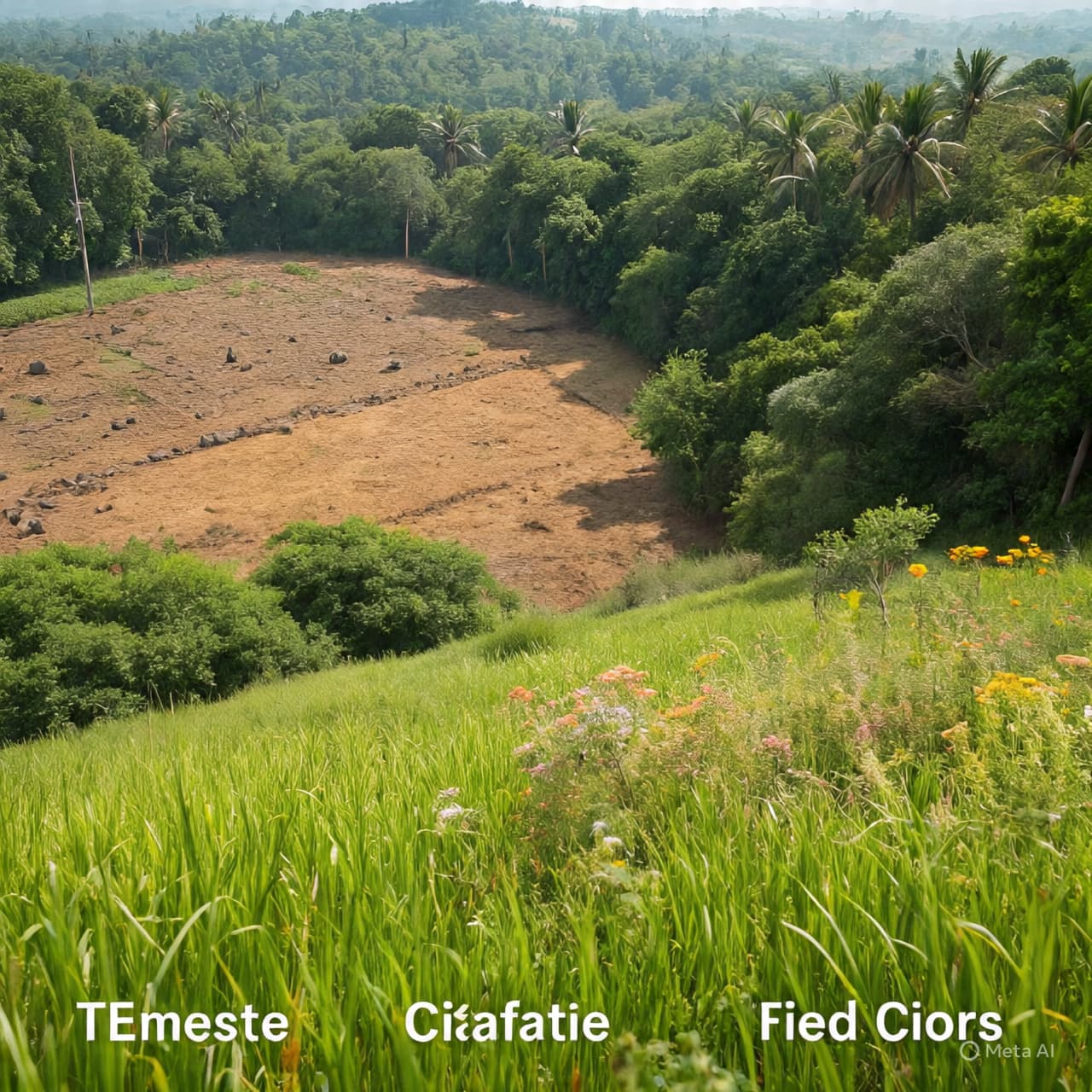
AI Image Disclaimer These visuals are AI-generated and serve as conceptual representations.
Sources Nature Science BBC News The Guardian National Geographic
Published by Banx Network. This article is part of the Banx decentralized media programme, powered by the BXE token on the XRP Ledger.