When Saturn Steps Out of the Light: What Does Infrared Reveal That We Cannot See?
James Webb Space Telescope captures Saturn in infrared, revealing new atmospheric details, subdued rings, and a different perspective on the planet and its moons.

James Webb Space Telescope captures Saturn in infrared, revealing new atmospheric details, subdued rings, and a different perspective on the planet and its moons.

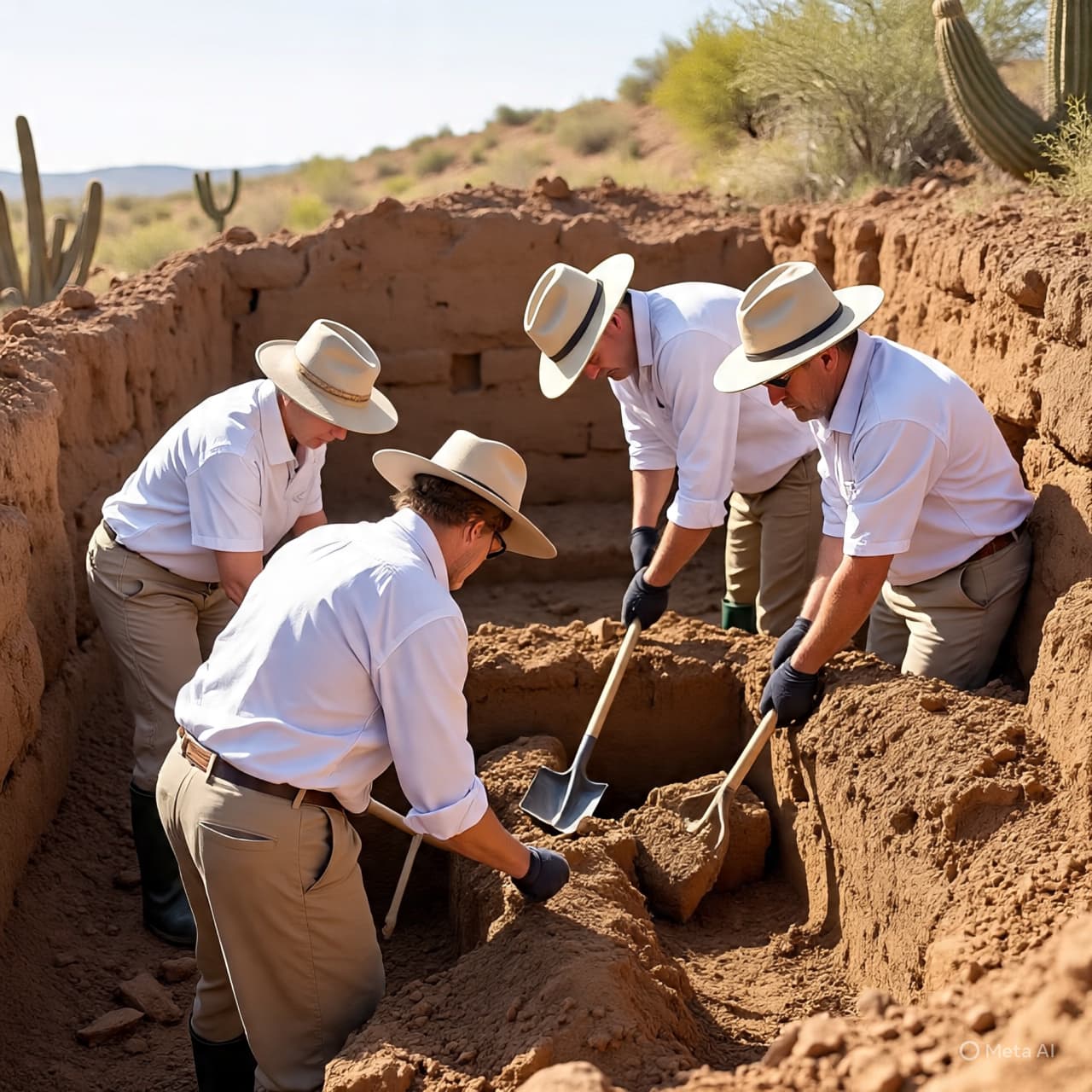
New evidence suggests Neanderthals processed elephant meat 125,000 years ago, pointing to complex hunting behavior and possible social coordination.

Chem-bio hybrid synthesis using engineered fungal molecules is advancing antiparasitic drug discovery, offering new pathways for faster and more precise treatment development.

An interview with Max Waring explores cultural evolution, showing how ideas spread, adapt, and shape societies through learning, cooperation, and collective behavior.

Satellite data is helping scientists detect early tsunami signals, improving understanding and potentially strengthening early warning systems.

Scientists have identified a new Fusarium species behind a wheat disease outbreak in Ethiopia, offering clearer insight for targeted responses and crop protection.

NASA prepares to brief the public on the Roman Space Telescope, a next-generation observatory designed to explore dark energy, exoplanets, and the hidden structure of the universe.

Scientists observe “dark points” in light patterns that appear to move faster than light, revealing optical effects that challenge perception without breaking physical laws.

Australian research suggests sperm cells in microgravity may lose directional movement, raising questions about reproduction and biology in space environments.

NASA’s X-ray mission studies remnants of an ancient supernova, revealing hidden structures, elemental distribution, and cosmic processes that shape the universe long after stellar explosions fade.

New observations suggest supermassive black holes are slowing their growth as surrounding gas and dust become scarce, signaling a natural shift in galactic evolution.

Scientists link Earth’s 40,000-year tilt cycle to both Antarctic ice growth and subtropical ocean productivity, revealing deep connections in global climate systems.

The Joro spider, a large species native to Asia, has spread across multiple U.S. states since 2021, raising ecological questions but posing little danger to humans.

Over a dozen juvenile leopard sharks were found dead along La Jolla Coastal Trail, raising concerns about environmental changes and marine ecosystem health.

A capybara escape has drawn attention for mirroring a similar घटना from 30 years ago, highlighting recurring patterns in animal behavior and containment.

A large whale washed ashore on Rockaway Beach in New York, prompting investigation as officials work to determine the cause and manage the situation.

Rescuers are working to save a stranded humpback whale off Germany’s coast, using tidal windows to attempt a safe return to deeper waters.

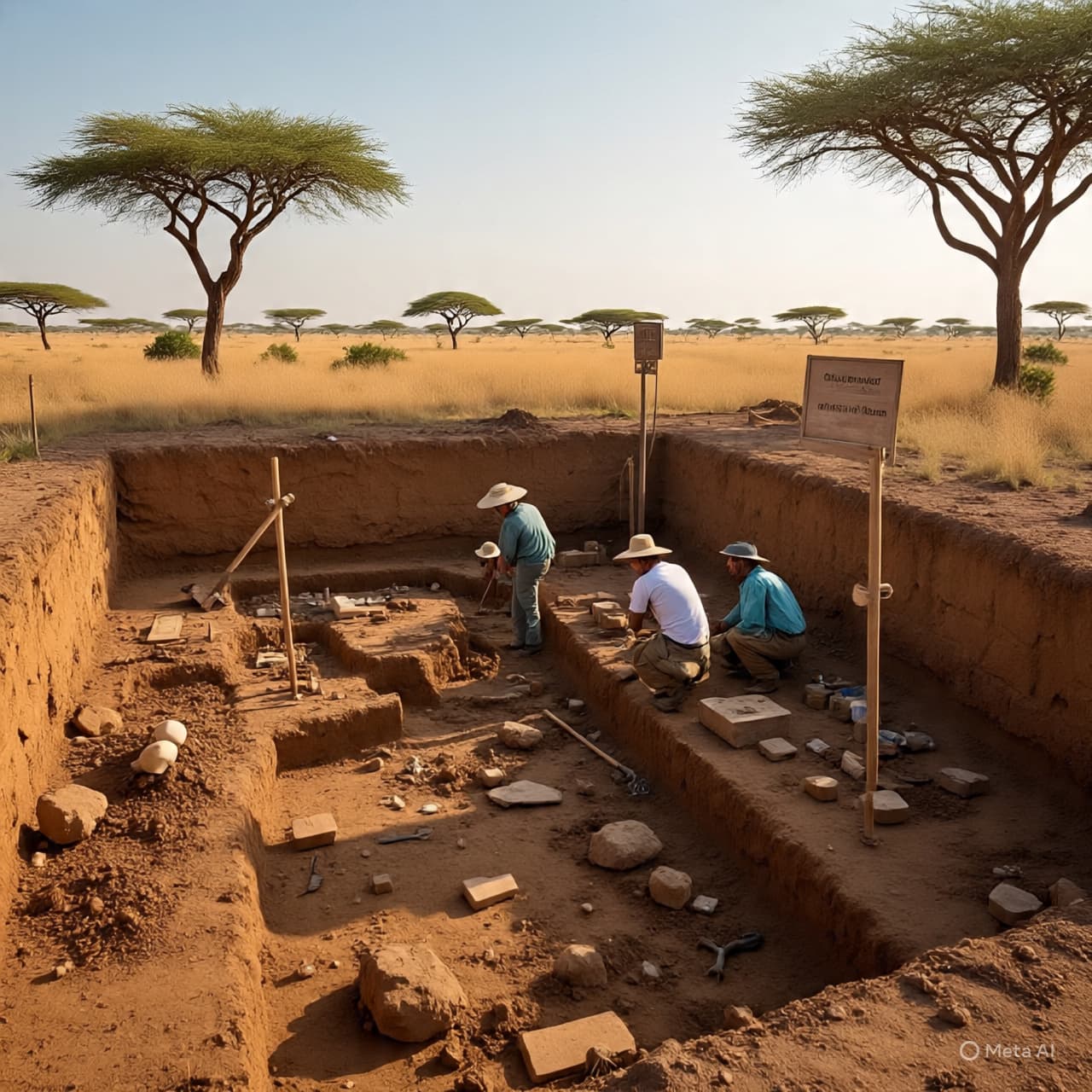
Scientists discovered a hidden Ice Age fossil site in Texas, revealing a dense collection of ancient animal remains and new insights into prehistoric ecosystems.

Scientists discovered a temporary radiation-safe zone on the Moon created by Earth’s magnetic field, offering new insights for future lunar exploration.

Scientists suggest some microplastic levels may be overstated due to contamination from lab gloves, prompting calls for stricter research methods.

Scientists discovered 18-million-year-old ape fossils in an unexpected African location, suggesting early apes lived across a wider range of environments than previously thought.

AI applied to space telescope data has revealed and confirmed dozens of new exoplanets, expanding our view of alien worlds hidden in starlight patterns.

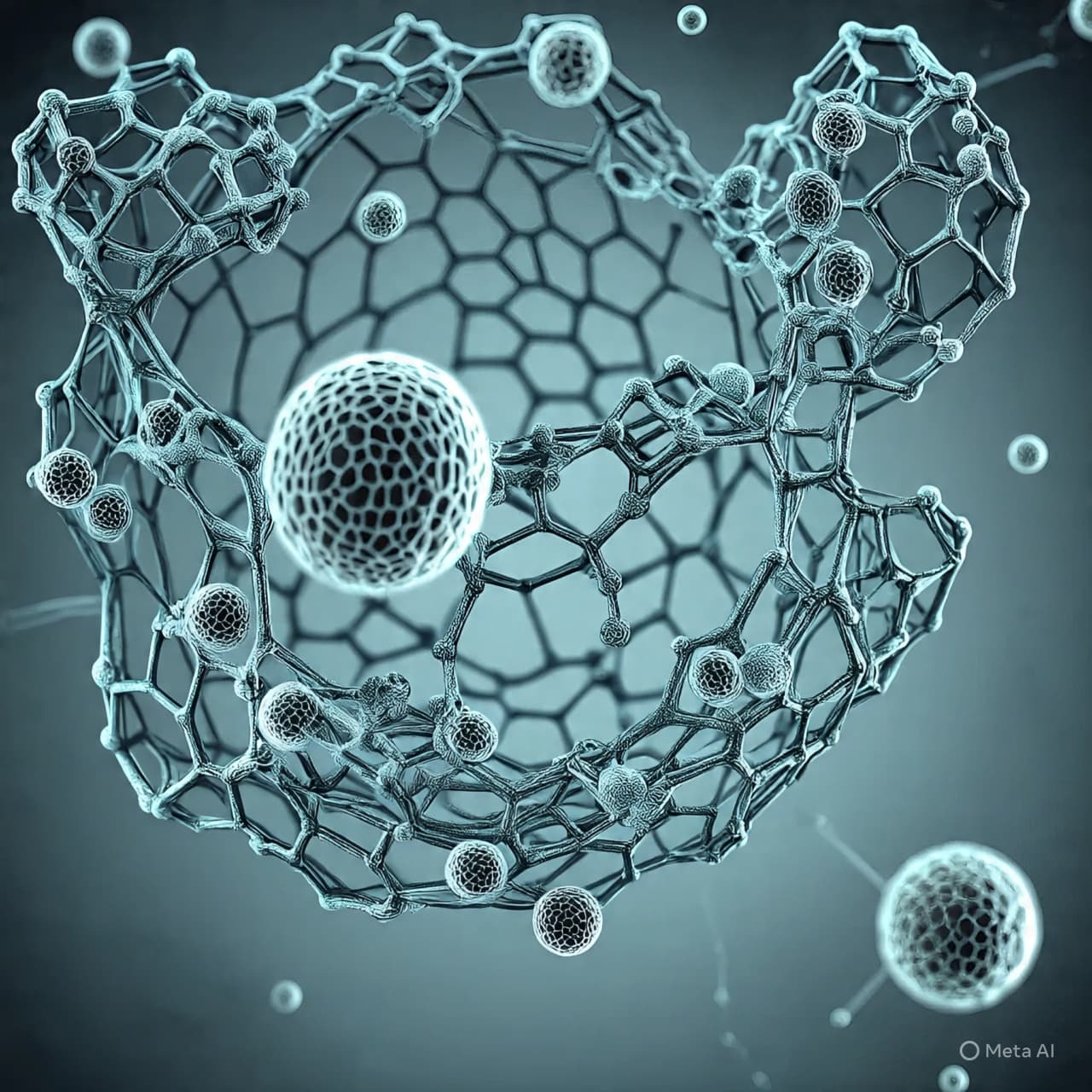
AI and machine learning are helping scientists optimize porous carbon materials for hydrogen storage, revealing patterns in microstructure that could speed clean energy solutions.

AI models trained on extensive data can predict and optimize hydrogen storage in porous carbon adsorbents, aiding the design of improved clean energy materials.