There are nights when the sky seems to slow, as though offering a brief pause in its endless turning. The stars hold their places, patient and distant, while the Moon continues its quiet path—measured, deliberate, and always in motion. It is within this steady rhythm that moments of alignment appear, subtle and fleeting, yet marked by a sense of quiet clarity.
On March 27, the waxing Moon is set to pass near the Beehive star cluster, a gathering of stars nestled within the constellation Cancer. Known to astronomers as Messier 44, the Beehive Cluster has long been a point of interest—visible even to the naked eye under dark skies, though its full richness emerges through binoculars or a telescope.
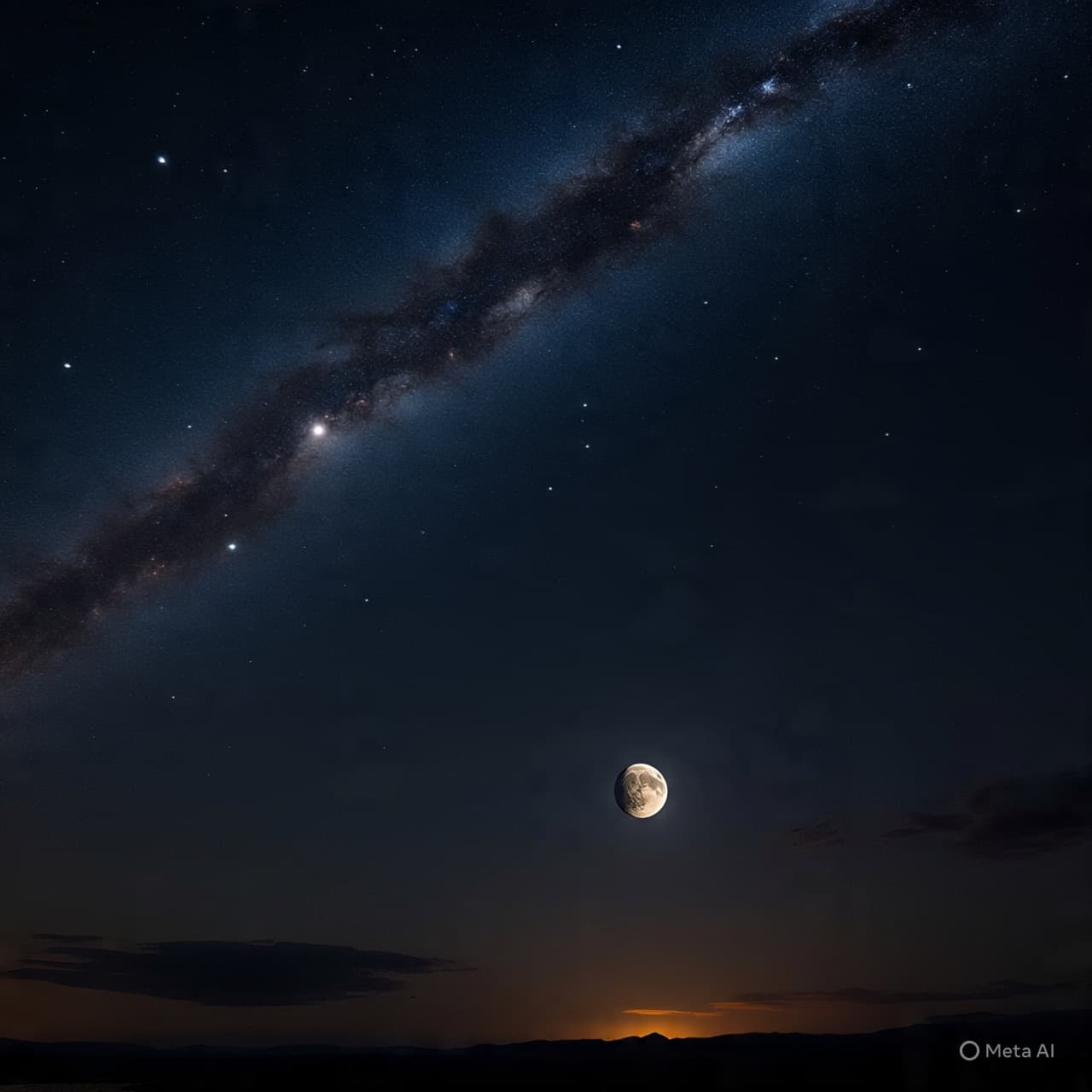
The Moon itself is in a waxing phase, its illuminated portion growing as it moves toward fullness. In this phase, its light becomes more prominent in the night sky, a soft glow that can both reveal and obscure. As it approaches the cluster, the interplay between brightness and faint starlight becomes more pronounced, creating a scene where two kinds of light share the same space.
To observe such an event is to watch motion unfold in relation to stillness. The Moon moves across the sky at a steady pace, tracing a path that appears consistent night after night. The stars, by contrast, remain fixed from our perspective, forming patterns that guide and orient. When the Moon passes near a cluster like the Beehive, it offers a brief juxtaposition—a moment where the dynamic and the enduring appear side by side.
The Beehive Cluster itself is composed of hundreds of stars, loosely bound by gravity, their collective light forming a soft, diffuse glow. Its position within Cancer places it along the path the Moon follows, making such encounters possible at certain times of the year. For observers, this alignment provides an opportunity to witness the Moon’s motion against a backdrop of more distant lights.
Visibility will depend on conditions—clear skies, minimal light pollution, and the time of observation. The Moon’s brightness may outshine some of the cluster’s fainter stars, but even a partial view can offer a sense of the scene. Binoculars can bring additional detail into view, revealing the cluster’s structure in greater clarity.
There is a quiet simplicity to these moments. They do not demand attention, yet they reward it. To look up and notice the Moon’s passage near a star cluster is to become aware of the larger patterns that govern the night sky—the cycles, the distances, and the steady motion that connects them.
As March 27 unfolds into evening, the Moon will continue along its path, moving past the Beehive and onward through the sky. The encounter itself will be brief, but for those who pause to observe, it offers a small and precise alignment—one that speaks to the ongoing motion above us, and to the stillness required to notice it.
Astronomers note that the waxing Moon will pass near the Beehive Cluster (Messier 44) in the constellation Cancer on March 27, creating a visible conjunction in the night sky. The event can be observed with the naked eye or binoculars under suitable conditions.
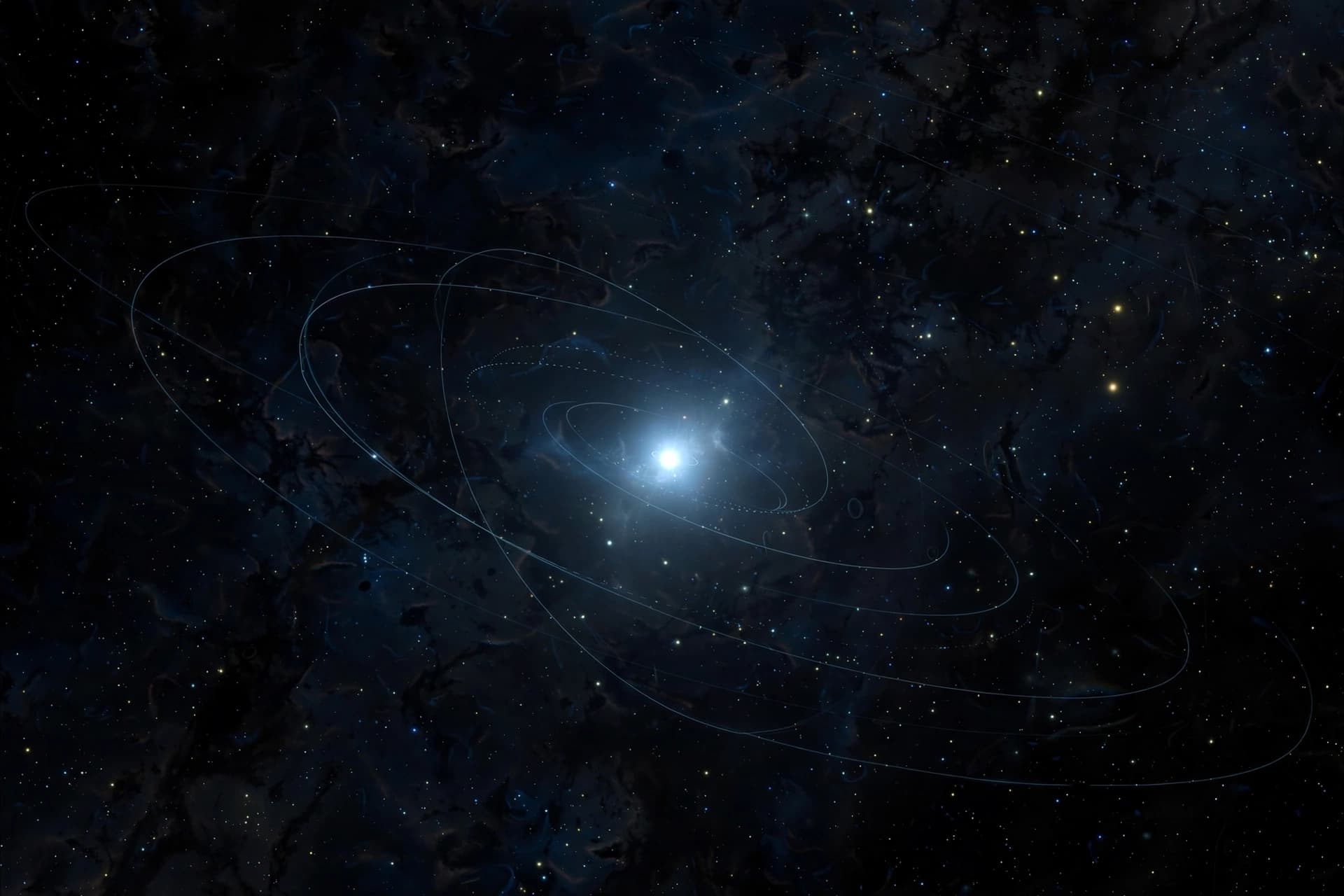
AI Image Disclaimer Illustrations were created using AI tools and are not real photographs.
Sources NASA Space.com Sky & Telescope BBC Sky at Night Magazine EarthSky
Published by Banx Network. This article is part of the Banx decentralized media programme, powered by the BXE token on the XRP Ledger.