There are processes within the body that unfold in silence, their effects not always visible in the moment, yet lingering long after the initial signal has passed. Inflammation, often associated with injury or infection, is one such process—brief in appearance, but capable of leaving behind a trace that influences how the body responds in the future.
Recent research has identified a key driver behind what scientists describe as long-term inflammatory memory. This concept refers to the ability of the immune system to retain a form of record—an internal echo of past events—that can shape how it reacts when faced with similar challenges again.
At the center of this process lies the behavior of immune cells, which can change in response to their environment. Within the field of immunology, these changes are often described through mechanisms of epigenetics, where external signals influence how genes are expressed without altering the underlying genetic code itself. These modifications can persist over time, allowing cells to respond more quickly—or sometimes more strongly—when they encounter familiar stimuli.
The identification of a key driver suggests that certain molecular pathways or signals play a central role in maintaining this memory. Rather than being a passive record, inflammatory memory appears to be actively sustained by specific biological mechanisms. These mechanisms influence how cells “remember” previous encounters with pathogens or injury, shaping their future responses in ways that can be protective, but also, at times, persistent beyond what is immediately necessary.
There is a quiet complexity in this kind of biological memory. It does not resemble conscious recall, but instead operates through chemical signals, structural changes within cells, and shifts in gene activity. These changes can influence how the immune system behaves over time, contributing to patterns that may persist across different conditions.
Understanding this process carries implications for a range of health conditions. In some cases, persistent inflammation is associated with chronic diseases, where the body’s response continues even after the initial trigger has been resolved. By identifying the drivers of inflammatory memory, researchers hope to better understand how to regulate these responses—either by enhancing beneficial effects or reducing those that contribute to long-term complications.
At the same time, this memory is not inherently negative. It plays a role in the body’s ability to respond more efficiently to repeated challenges, forming part of a broader system of defense. The balance between protection and persistence is delicate, shaped by the context in which these processes occur.
The research adds a layer of understanding to how the immune system adapts over time. It suggests that what the body experiences leaves more than a temporary mark—it can influence future responses in ways that are subtle, yet significant.
Scientists have identified a key driver behind long-term inflammatory memory, helping to explain how immune responses can persist and influence future reactions. The findings may inform new approaches to treating chronic inflammatory conditions.
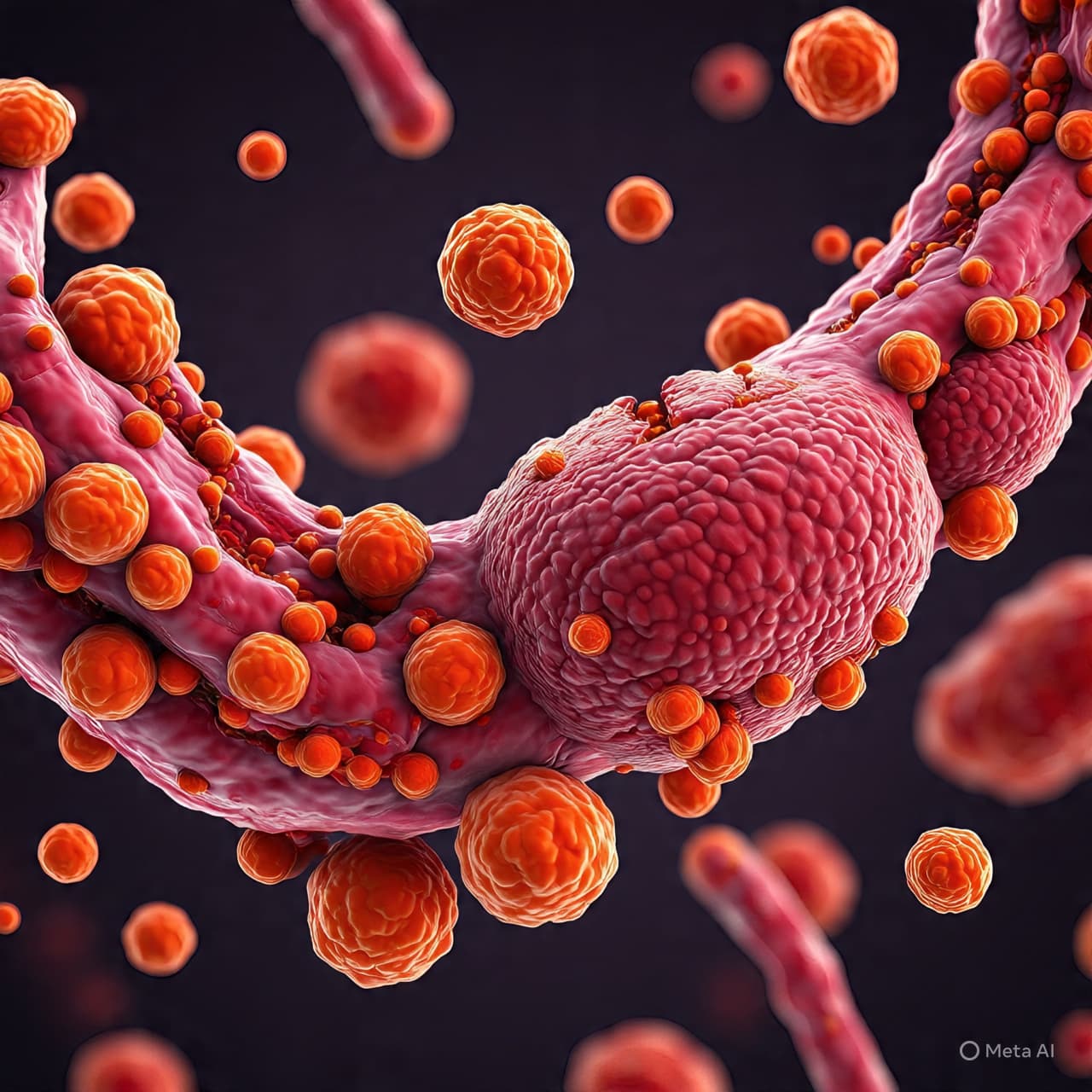
AI Image Disclaimer Visuals are AI-generated and serve as conceptual representations.
Sources Nature Science The Lancet BBC News National Institutes of Health
Published by Banx Network. This article is part of the Banx decentralized media programme, powered by the BXE token on the XRP Ledger.