
SCIENCE0% credibility
When Care Travels Beyond Walls and Distance
France expands digital health and telemedicine research, aiming to improve accessibility, efficiency, and innovation in healthcare delivery.
5 min read

France expands digital health and telemedicine research, aiming to improve accessibility, efficiency, and innovation in healthcare delivery.

NATO forces successfully intercepted and destroyed an Iranian missile aimed at Turkey, marking a significant response in the ongoing regional tensions and showcasing the alliance's commitment to member security.

French researchers develop carbon capture technology to reduce emissions and support global climate sustainability efforts.

French fintech startups grow through digital platforms, offering accessible, secure, and user-friendly financial services.

French researchers develop eco-friendly batteries using sustainable materials, improving energy storage while reducing environmental impact.

French researchers identify a new gene linked to antibiotic resistance, advancing understanding of bacterial survival and guiding medical strategies.
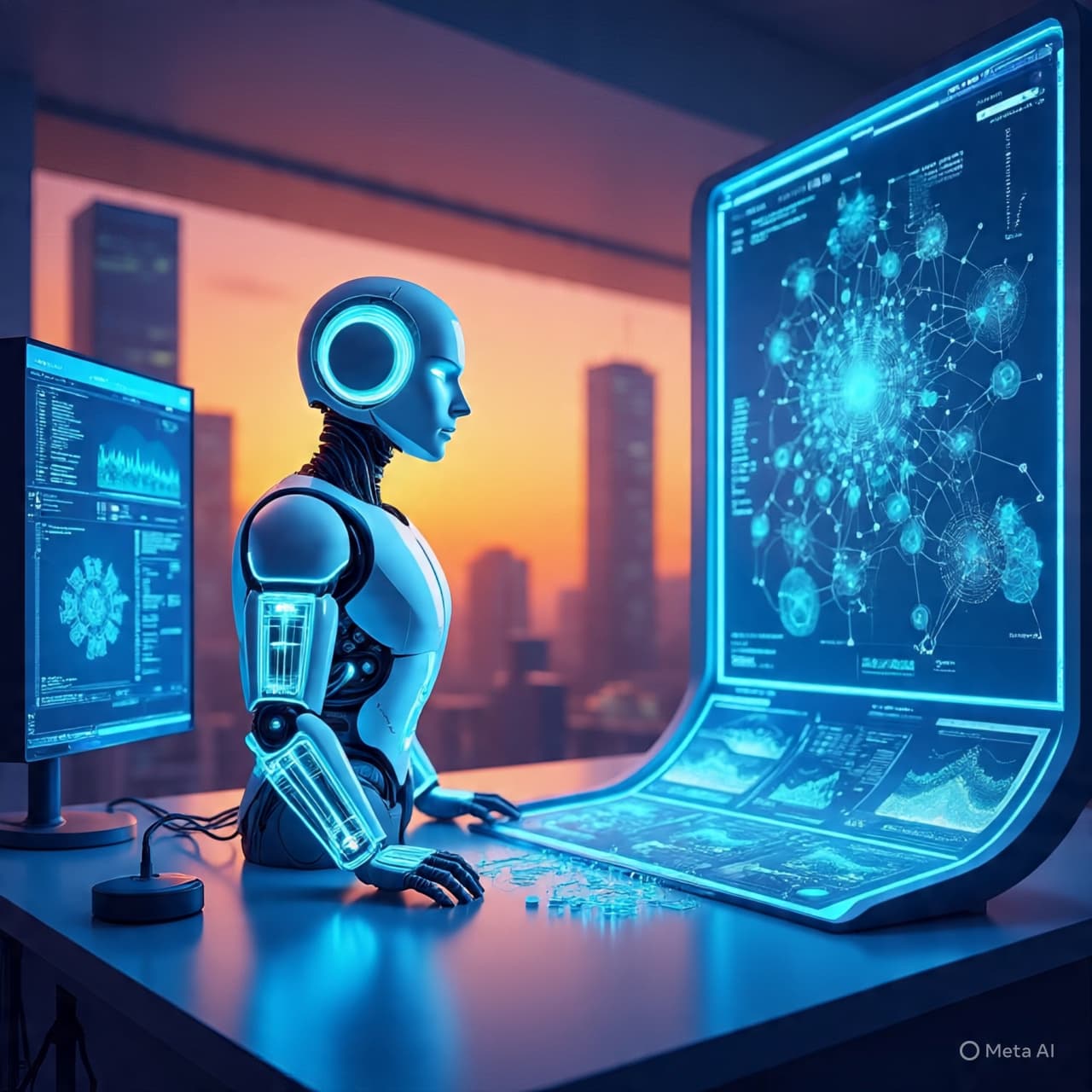
AI is accelerating scientific discovery across disciplines, enabling faster data analysis and expanding research possibilities.
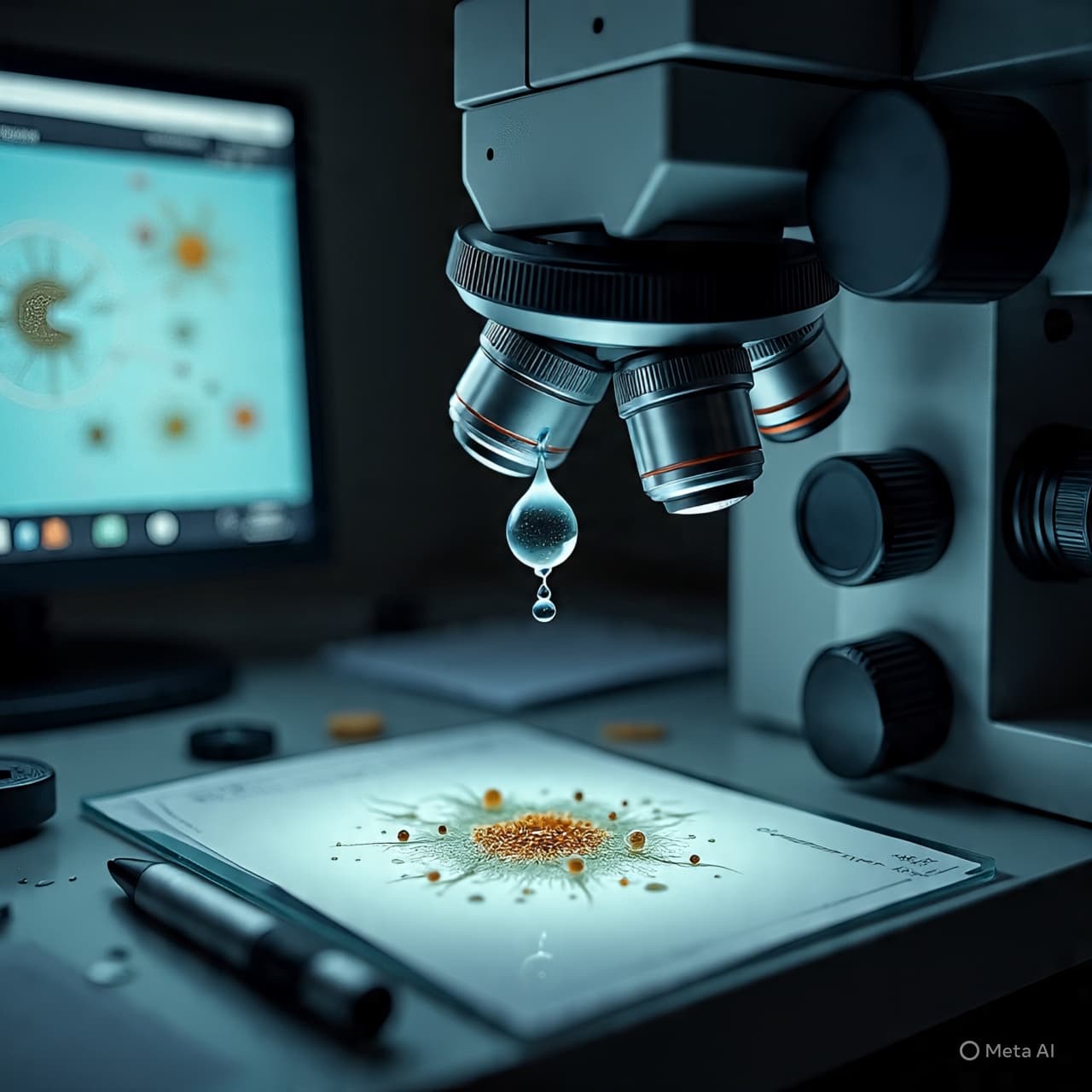
French researchers use AI and new detection methods to identify microplastics in water and soil, guiding solutions for environmental protection.
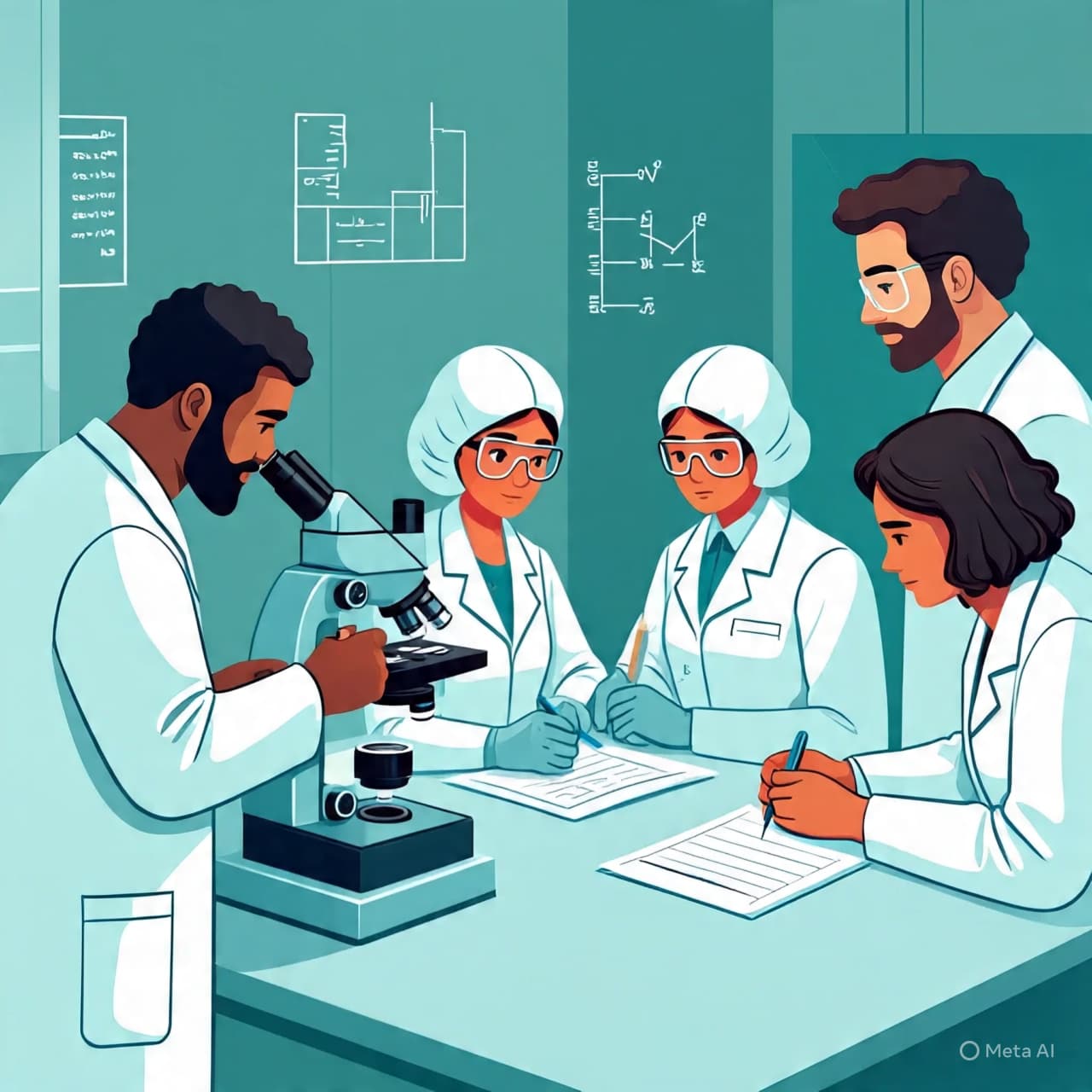
Europe is expanding cross-border scientific collaboration, enabling faster discoveries and stronger research networks across nations.
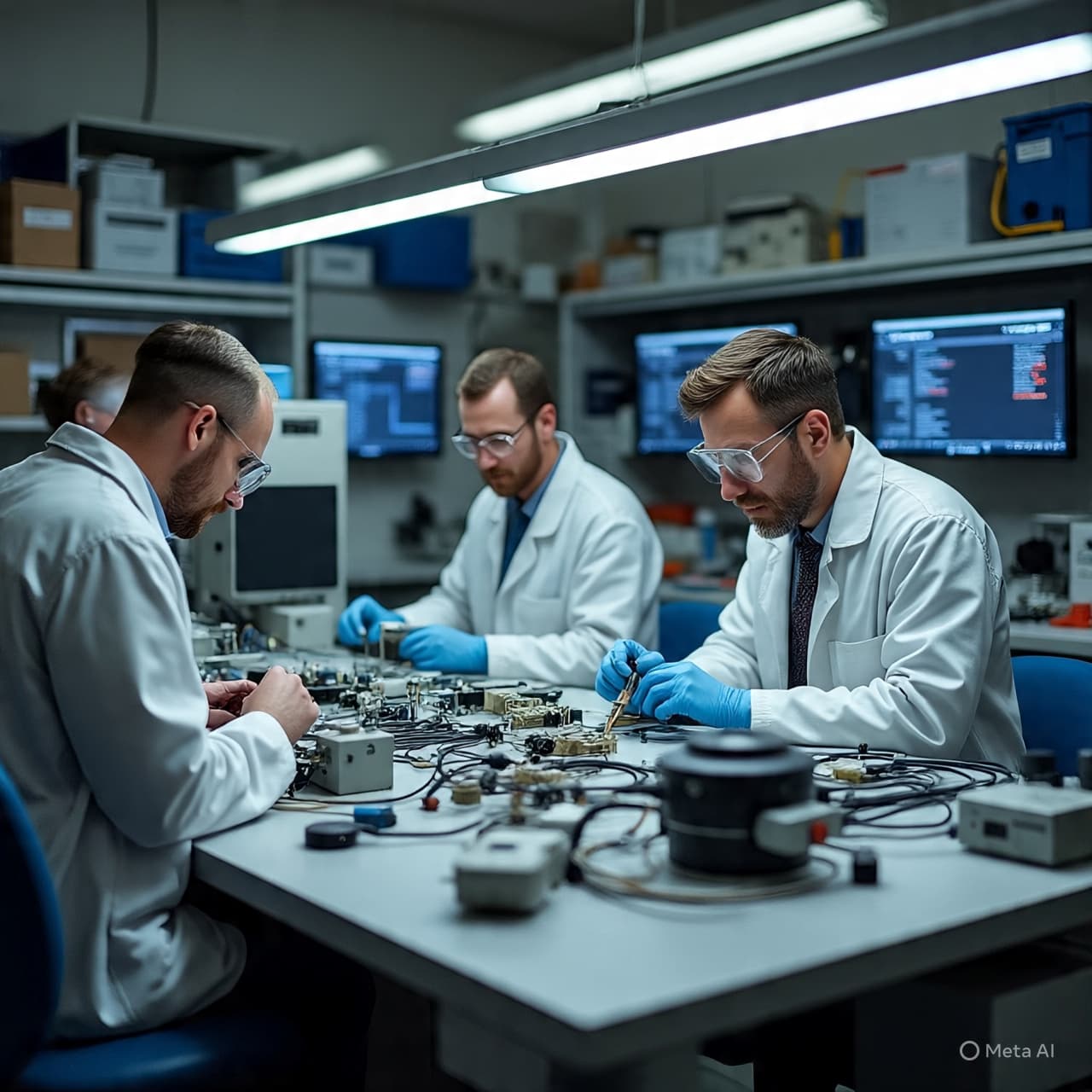
Argentina strengthens scientific collaboration and innovation in 2026 through international partnerships, highlighted by the ATENEA microsatellite joining NASA’s Artemis II mission.
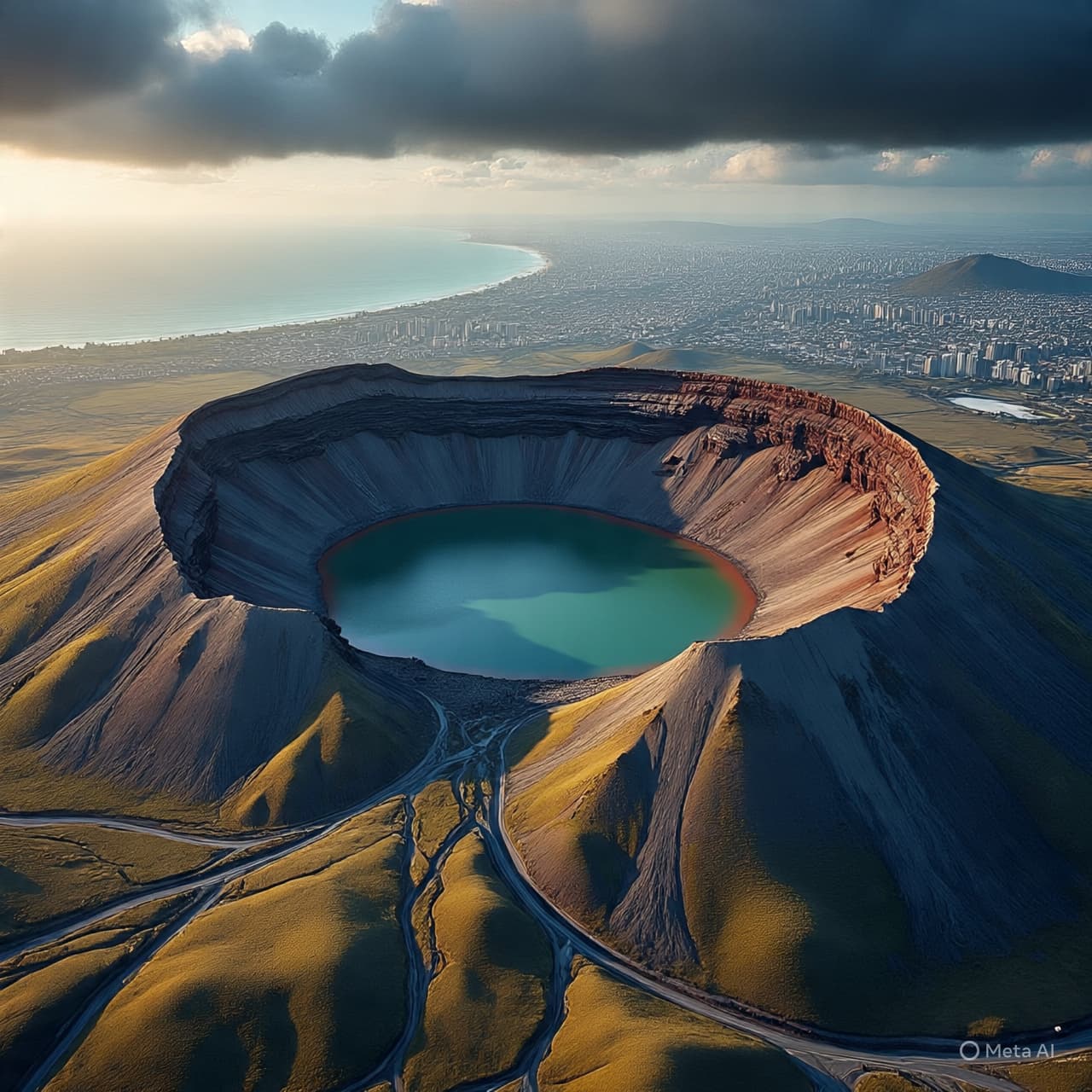
Scientists report signs of recharging beneath Italy’s Campi Flegrei supervolcano, with ground uplift and seismic activity increasing, though no eruption is imminent.
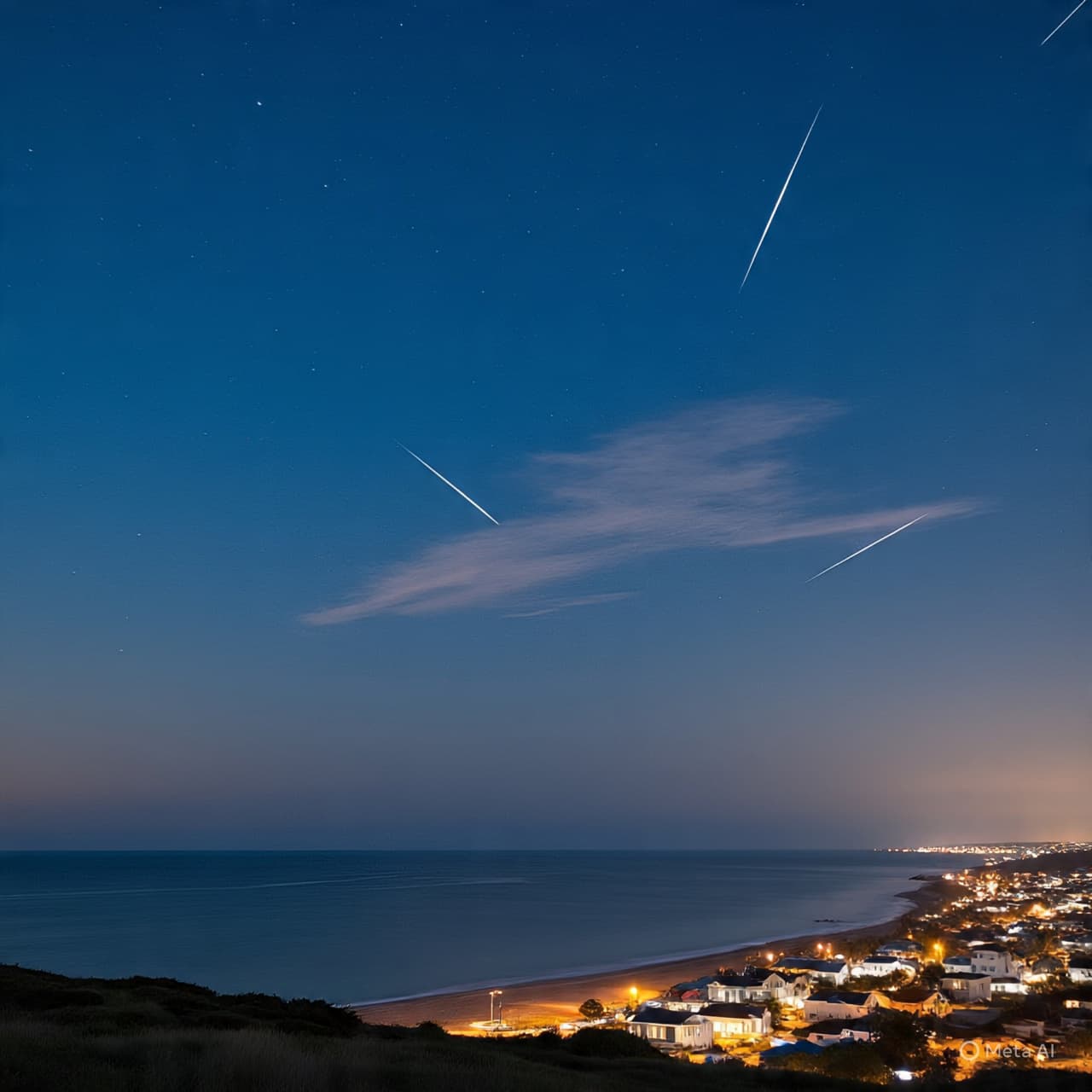
Sechelt’s skies feature the Lyrid meteor shower alongside visible evening planets, offering a calm yet captivating celestial display for observers.
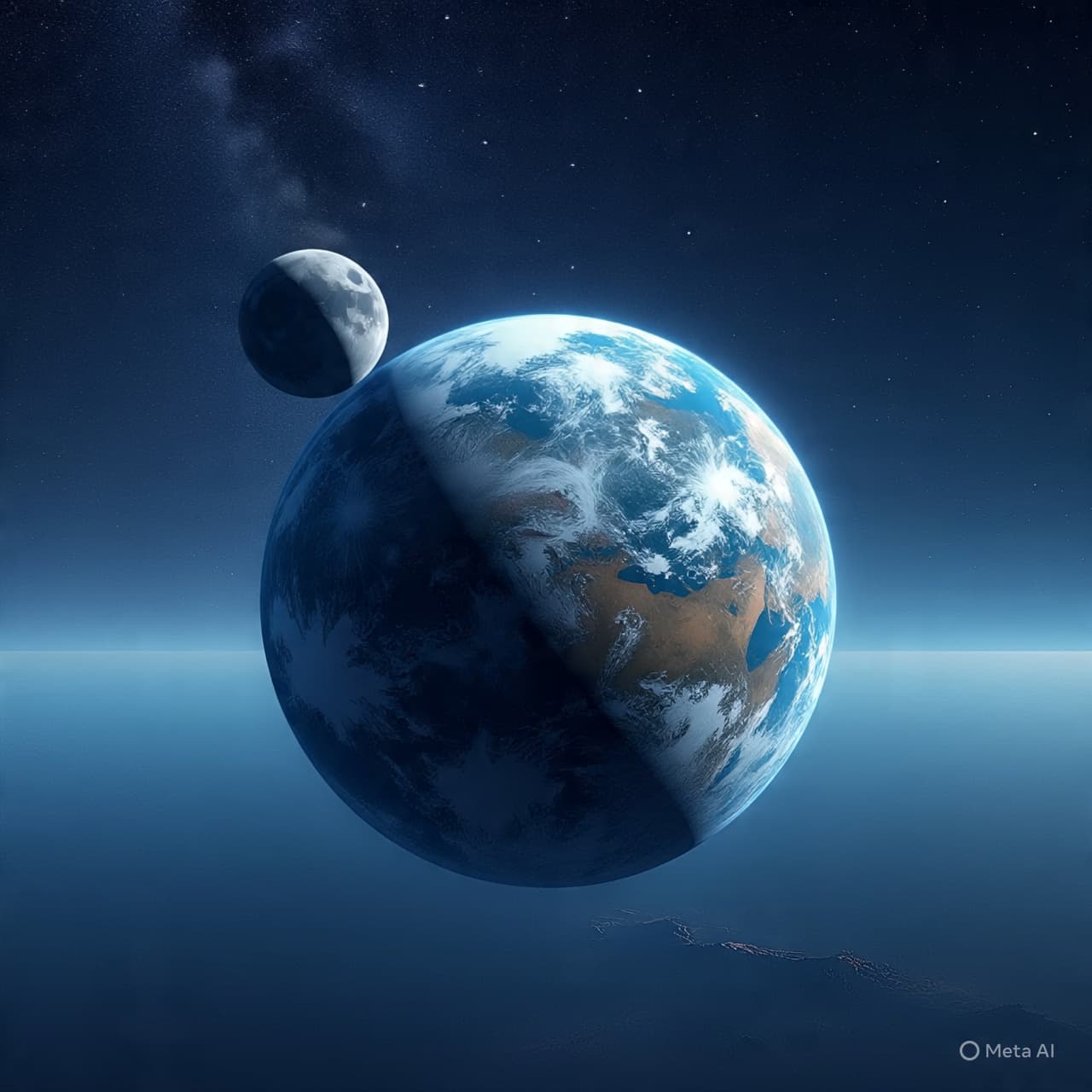
Scientists explore how moons can influence planetary tilt, affecting climate, stability, and evolution across both our solar system and distant exoplanets.
Satellites detected subtle tsunami waves after the Kamchatka earthquake, helping scientists better understand the quake’s origin and energy release.
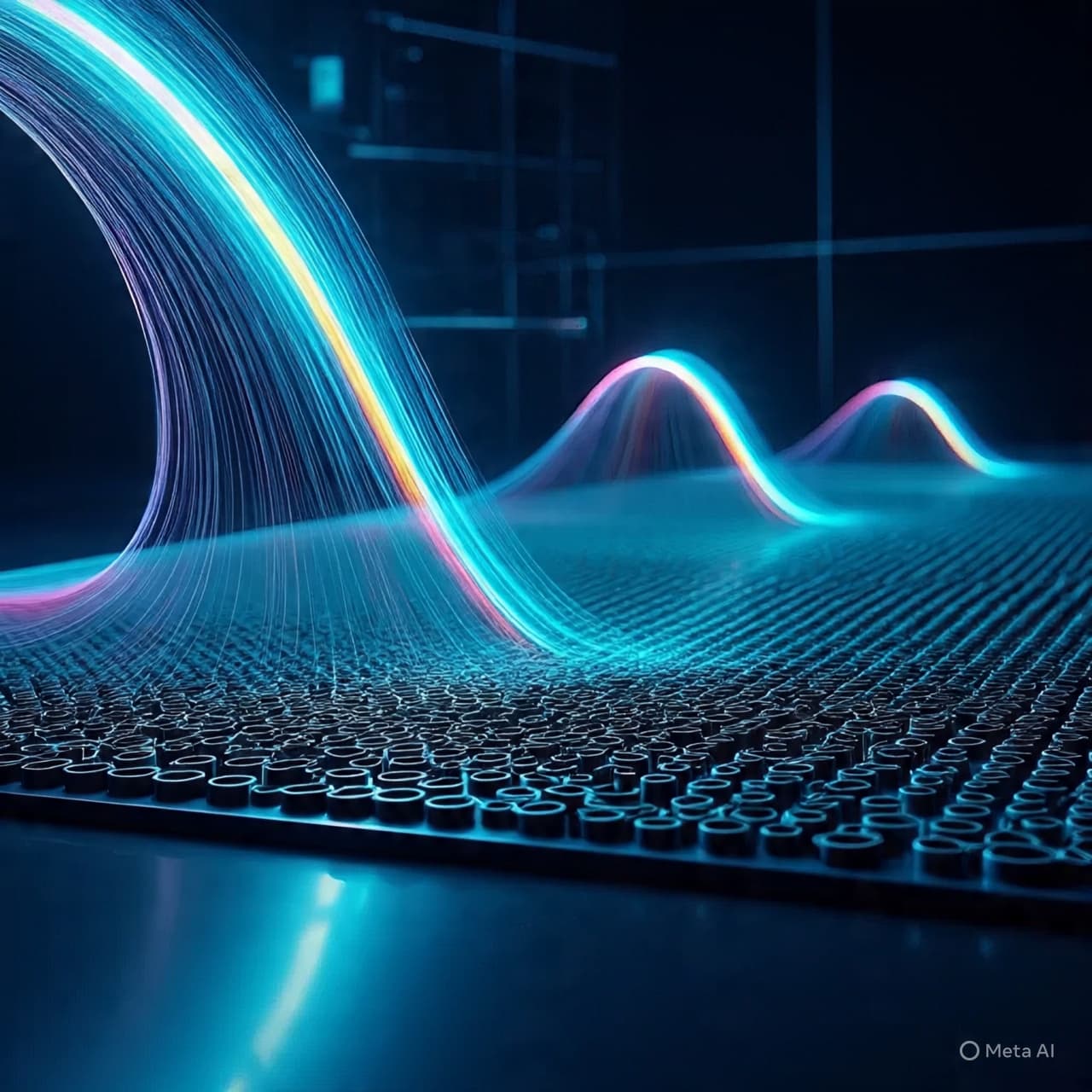
A new carbon nanotube coating may improve how high-frequency signals travel, potentially enhancing performance in future 6G communication networks.
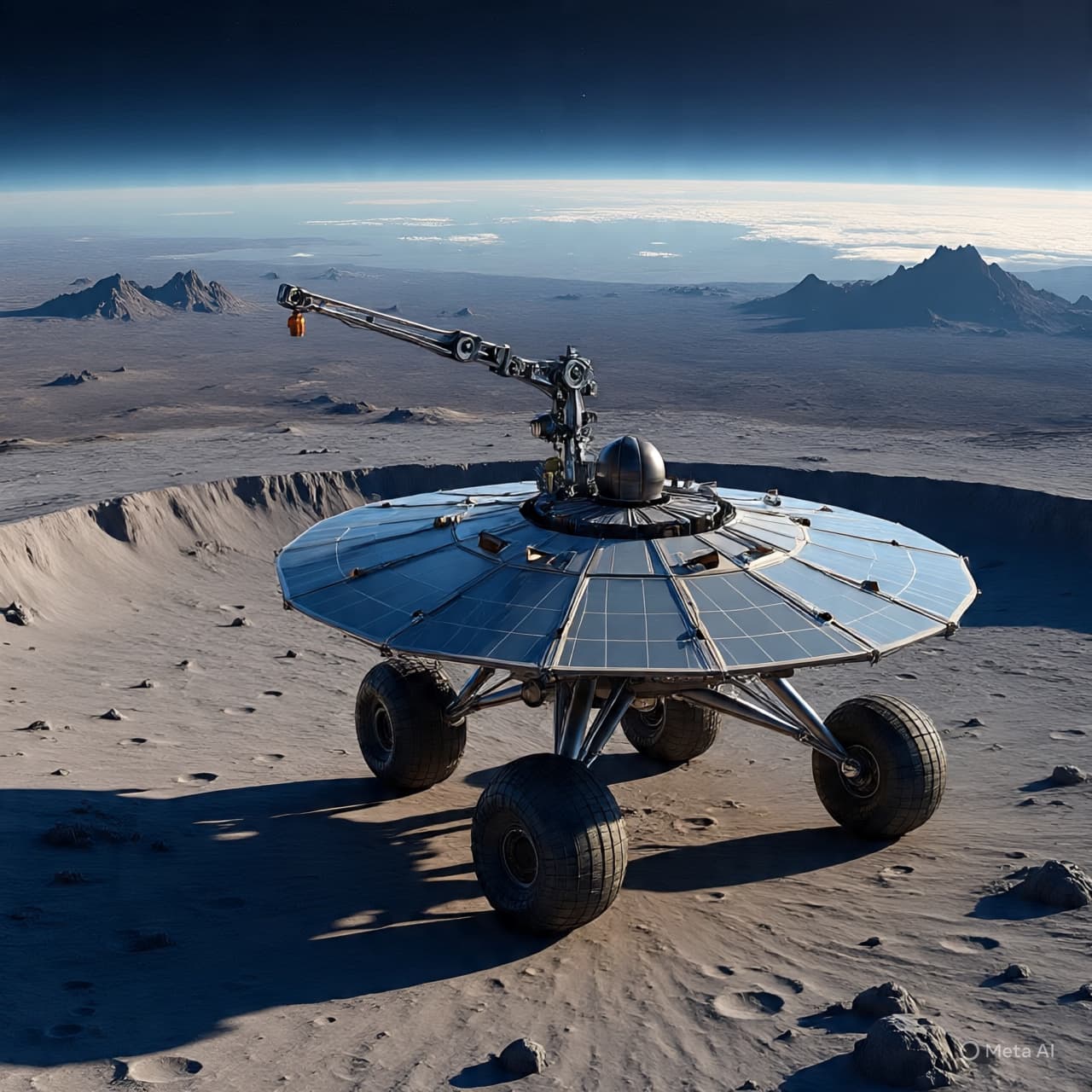
A Chinese lunar lander detected a localized dip in radiation on the Moon, suggesting previously unknown variations in the lunar radiation environment.
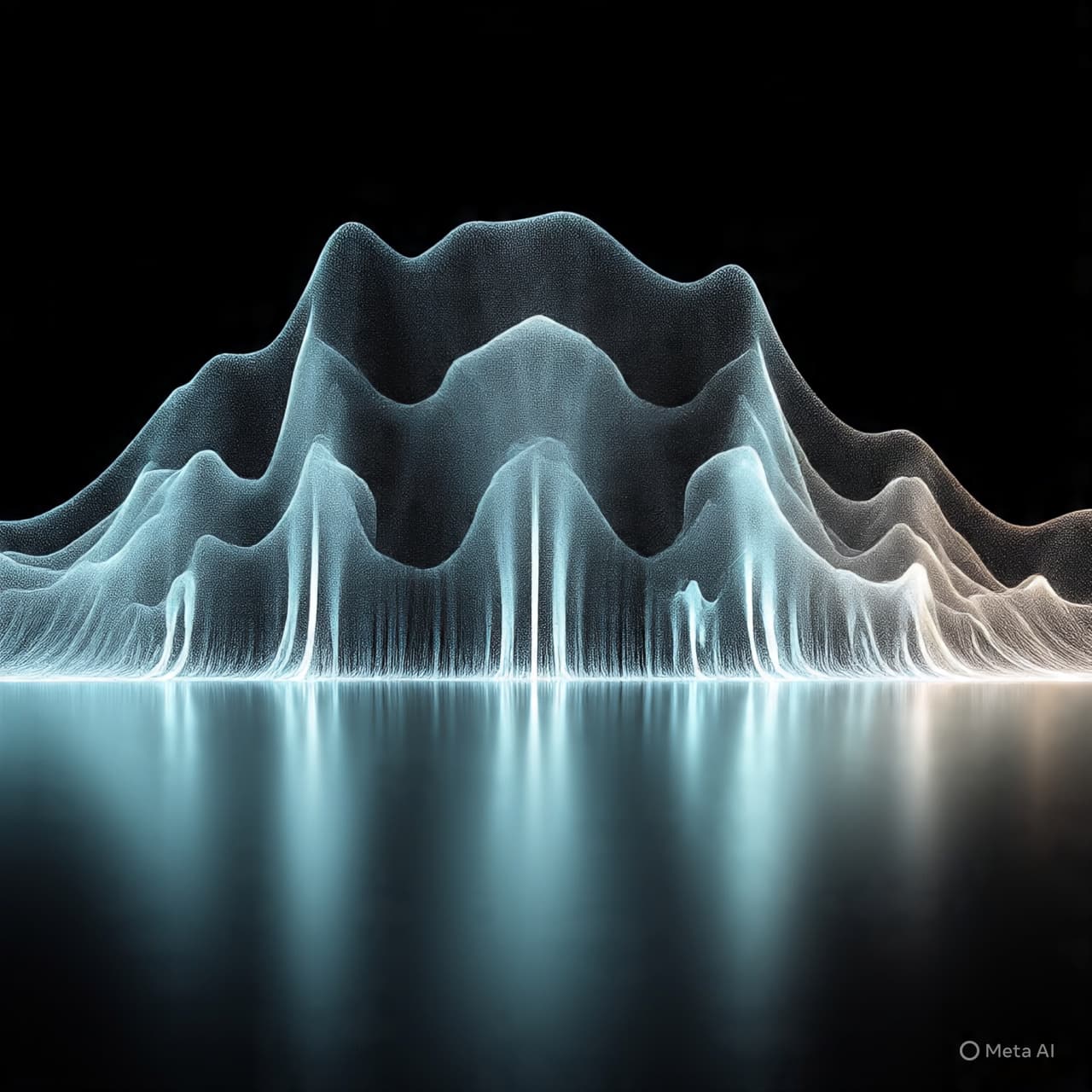
Scientists found that “dark” structures within light waves can appear to move faster than light, though no energy or information exceeds light speed.
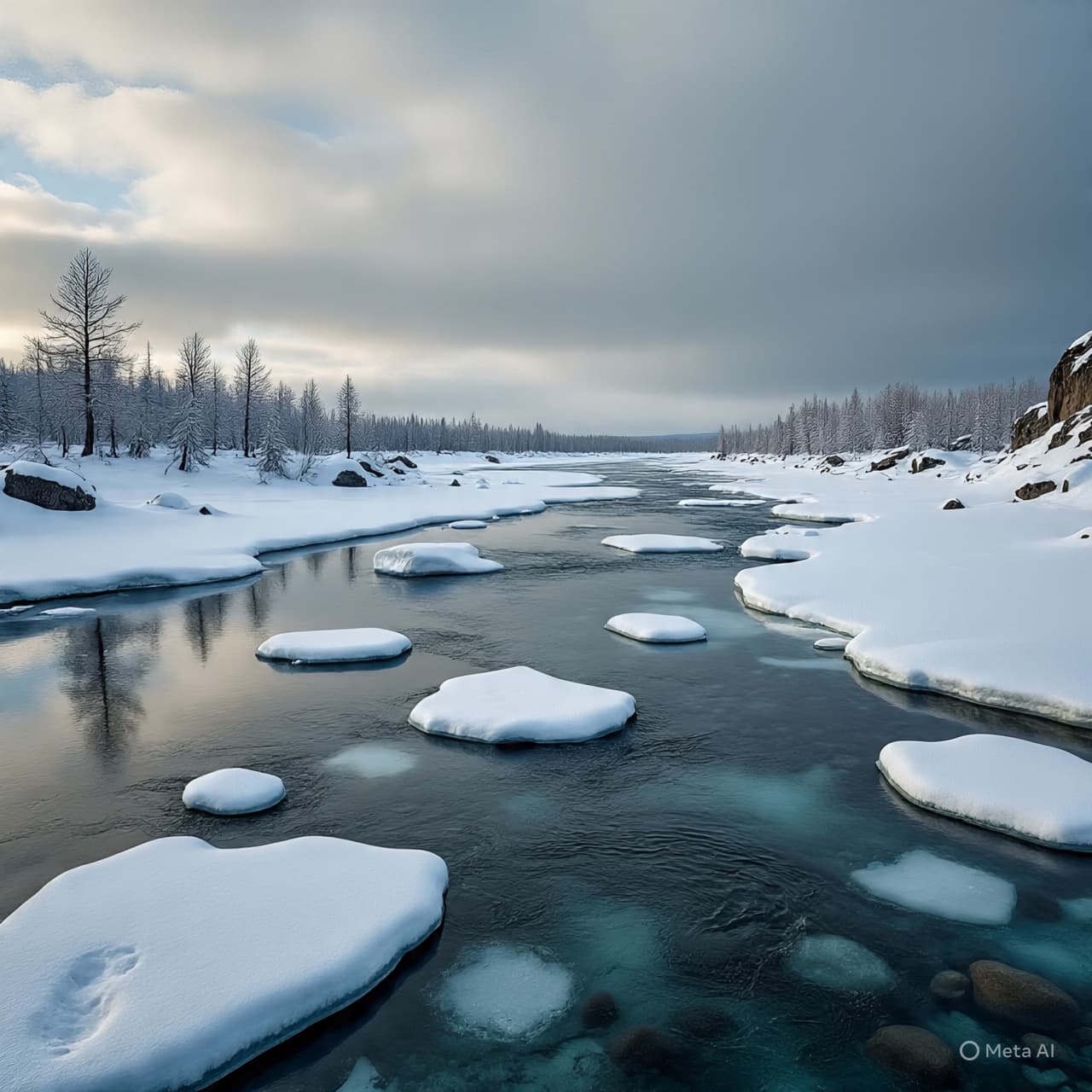
Climate change is altering Arctic rivers in diverse ways, with some flowing faster and others slowing or shifting due to warming temperatures and thawing permafrost.
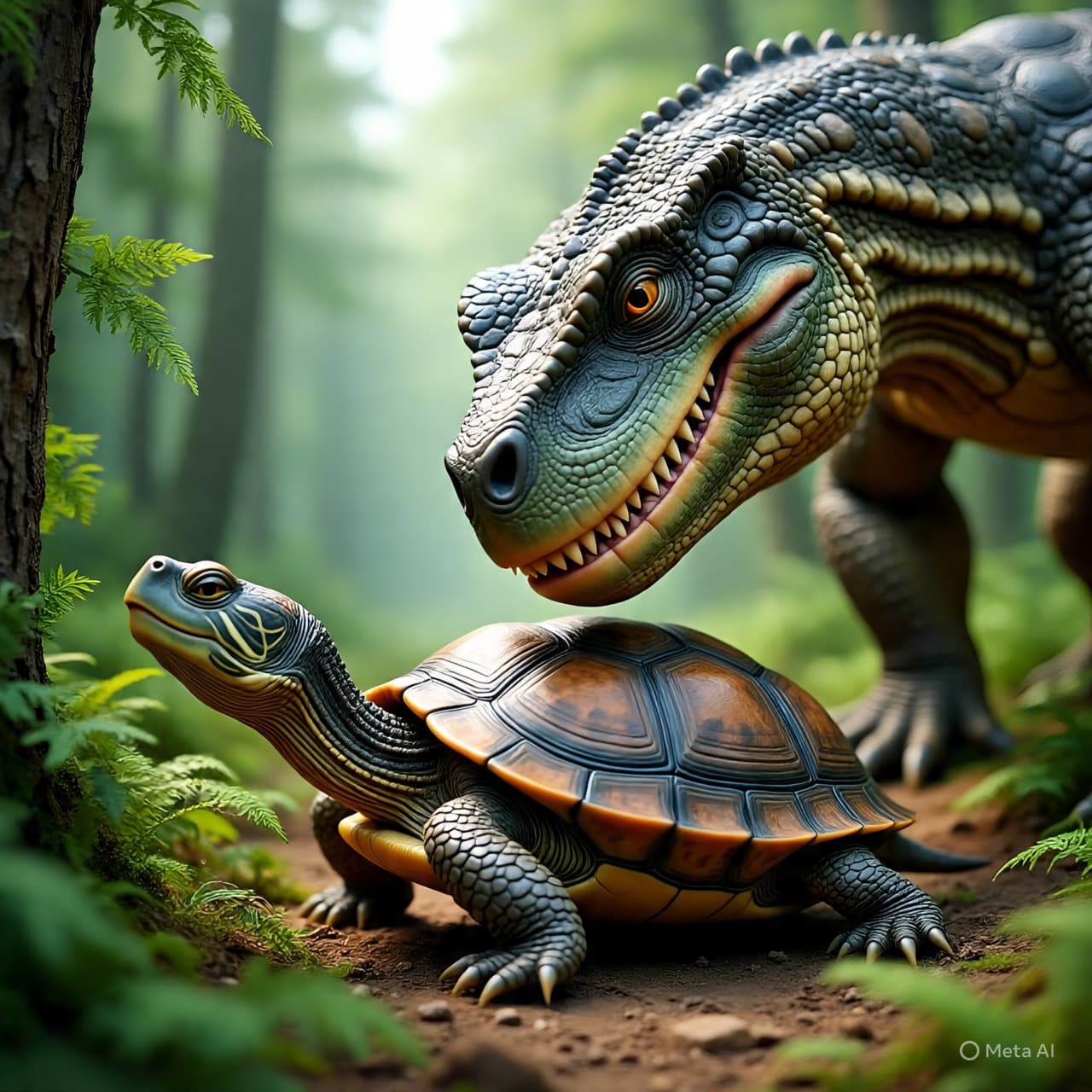
Fossil evidence shows some turtles survived extreme predation and extinction pressures by adapting stronger shells, helping them endure across millions of years.
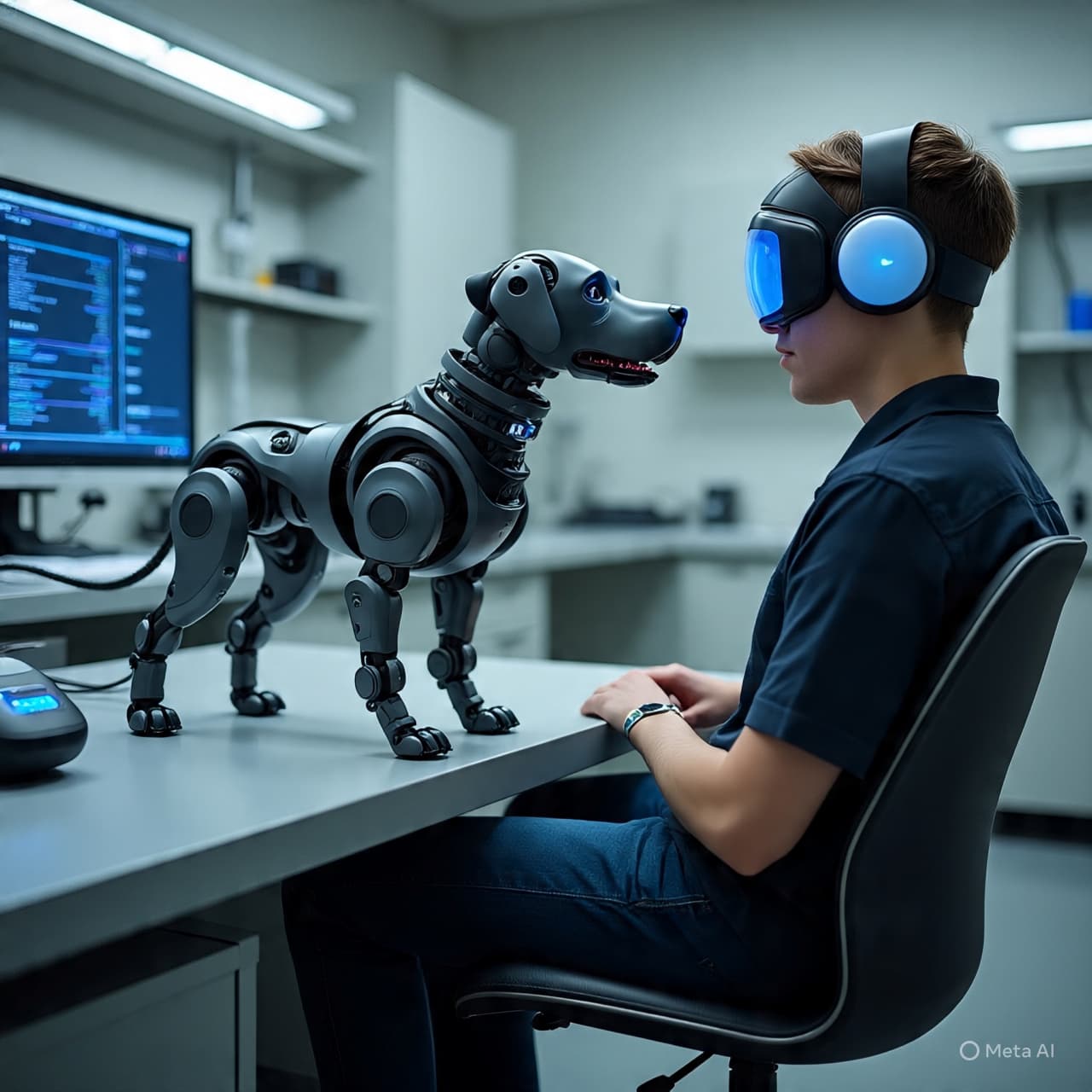
Chinese researchers demonstrate a robot dog controlled by human thought, combining brain-computer interface technology with autonomous navigation for real-world applications.
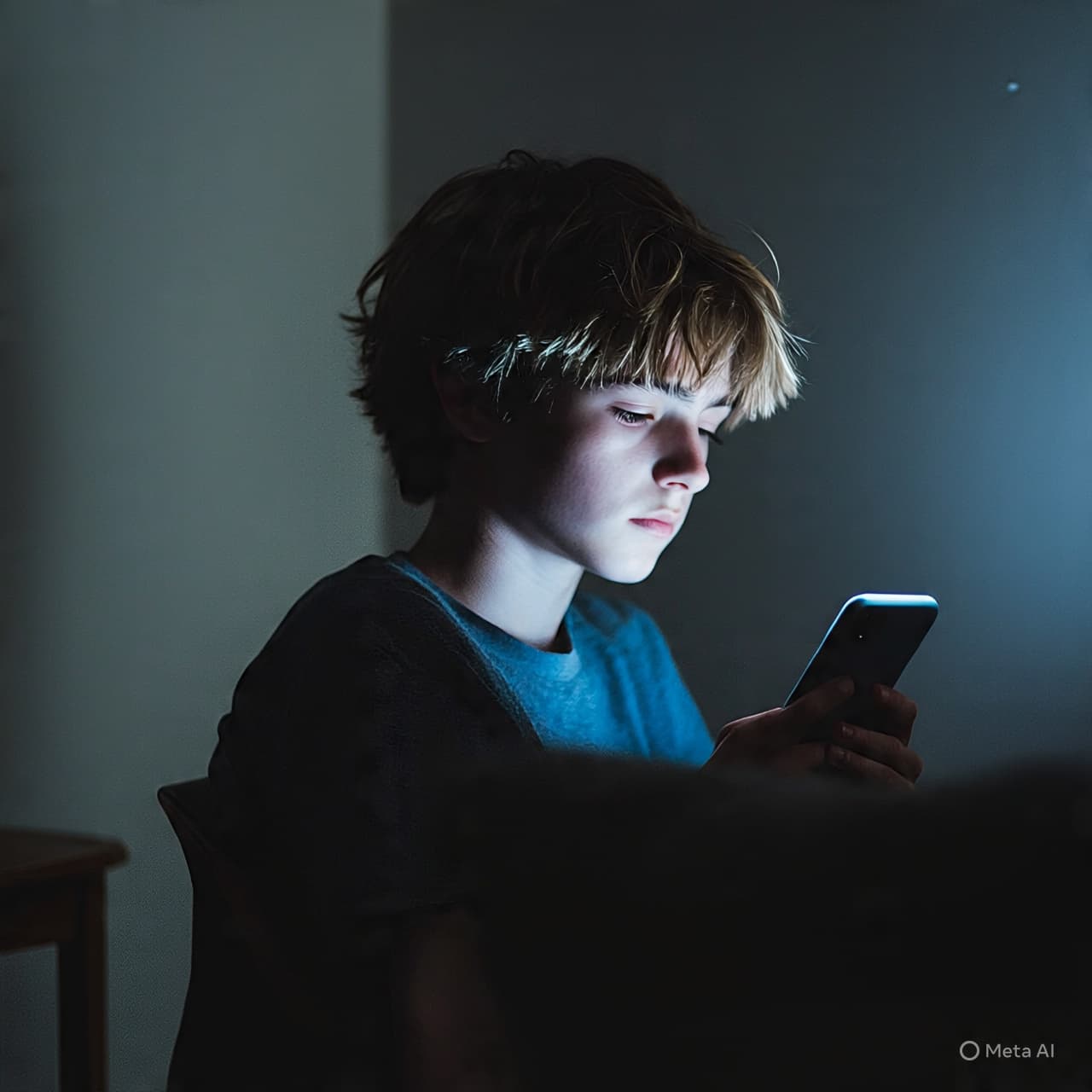
Teens who struggle to understand or express emotions are more vulnerable to social media addiction, as unprocessed feelings often drive repeated online engagement.
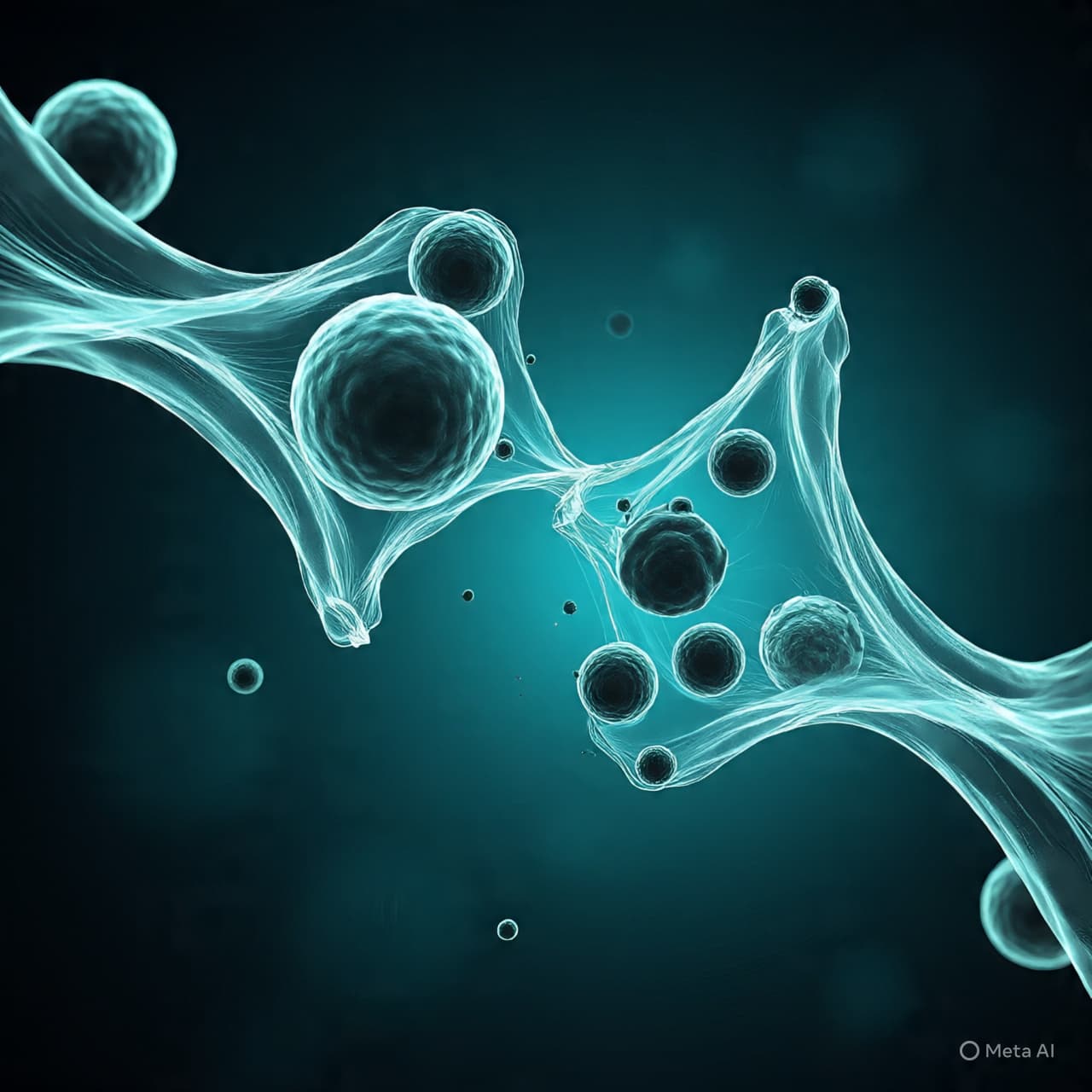
Graphene oxide can selectively damage bacteria while remaining compatible with human cells, offering potential for safer antimicrobial technologies.
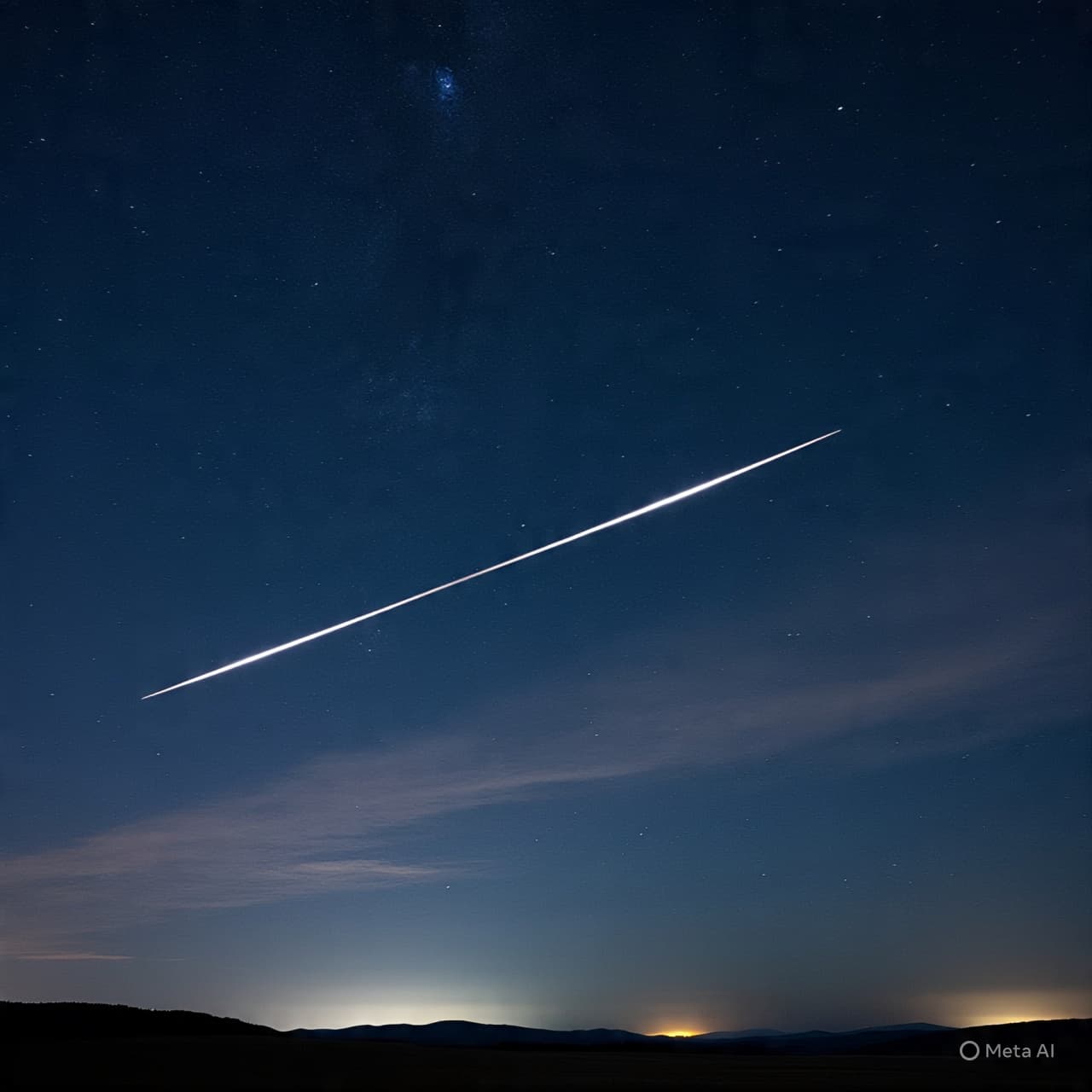
Expanding satellite constellations are raising concerns about their impact on the night sky, though claims of millions remain speculative.
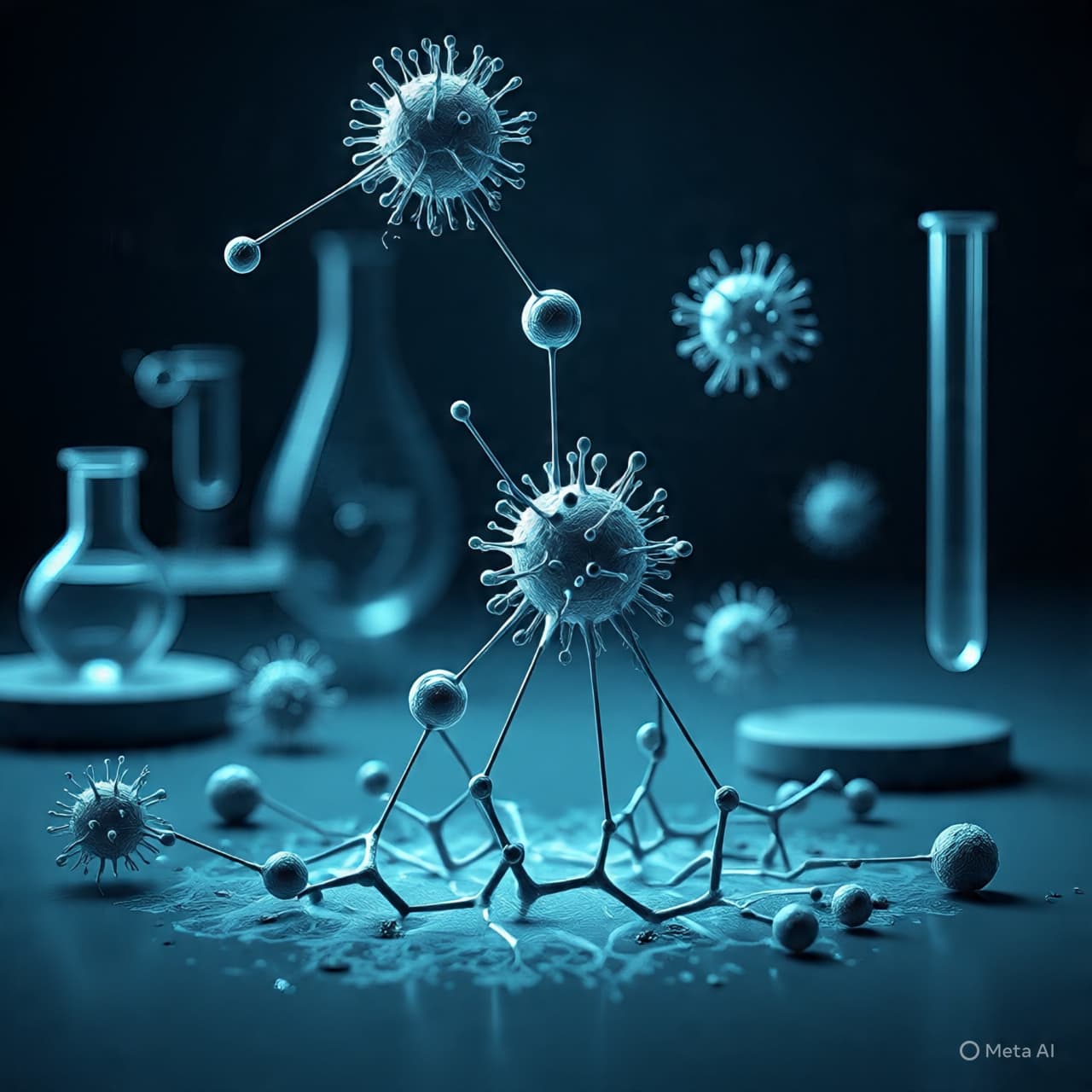
Scientists have created plant-based silver nanoparticles that may inhibit key viral enzymes, offering a potential new direction for antiviral research.