SCIENCE91% credibility
Smaller Than Life Itself, Yet Meant to Last: A Code Written in the Quietest Scale
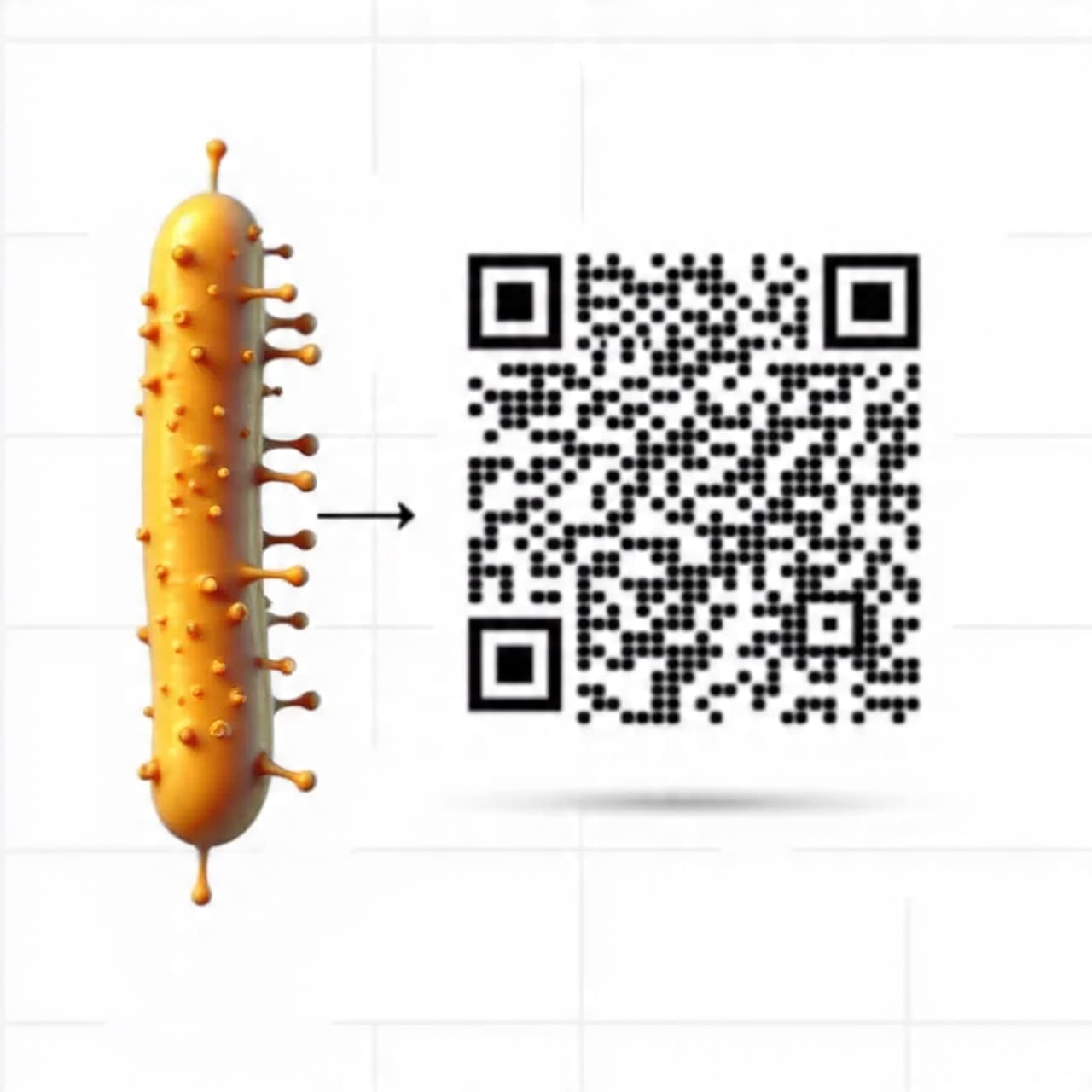
Scientists have created a microscopic QR code smaller than bacteria, offering a new way to store data that could last for centuries.
5 min read

Scientists have created a microscopic QR code smaller than bacteria, offering a new way to store data that could last for centuries.
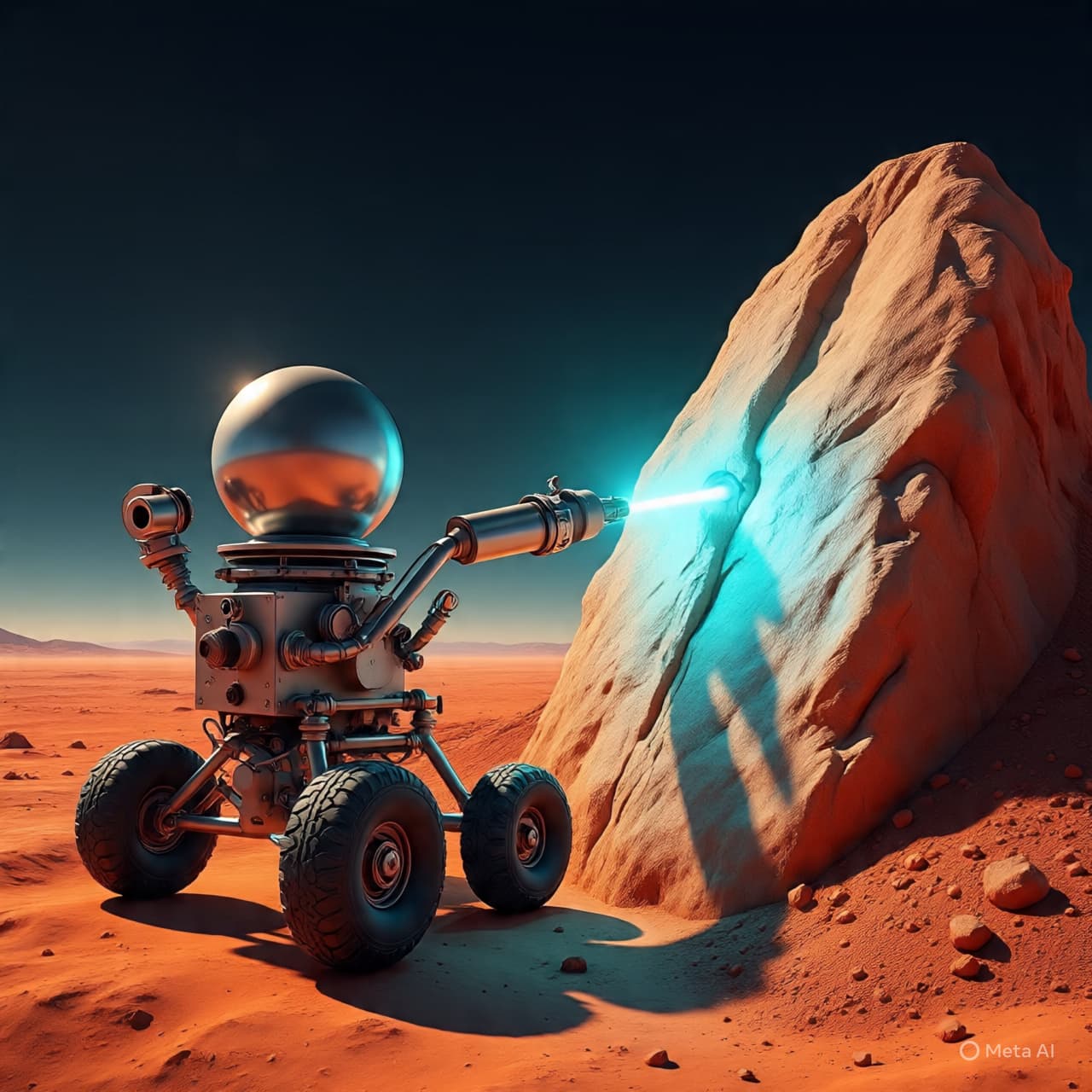
NASA’s rover has detected fluorescent minerals on Mars similar to those that form rubies, offering new clues about the planet’s geological history.
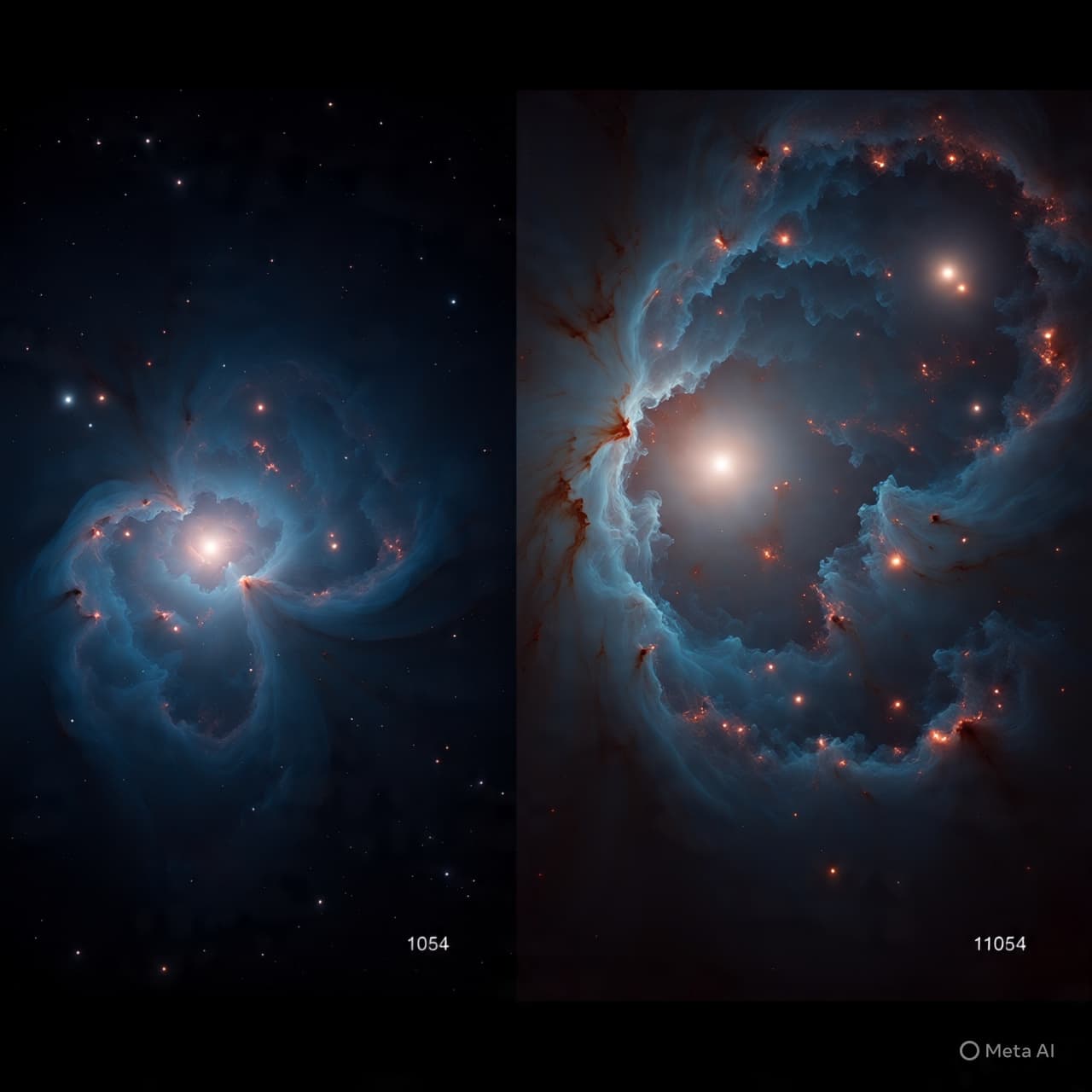
Hubble images taken 25 years apart show the Crab Nebula expanding and changing, revealing the slow motion of a supernova remnant over time.
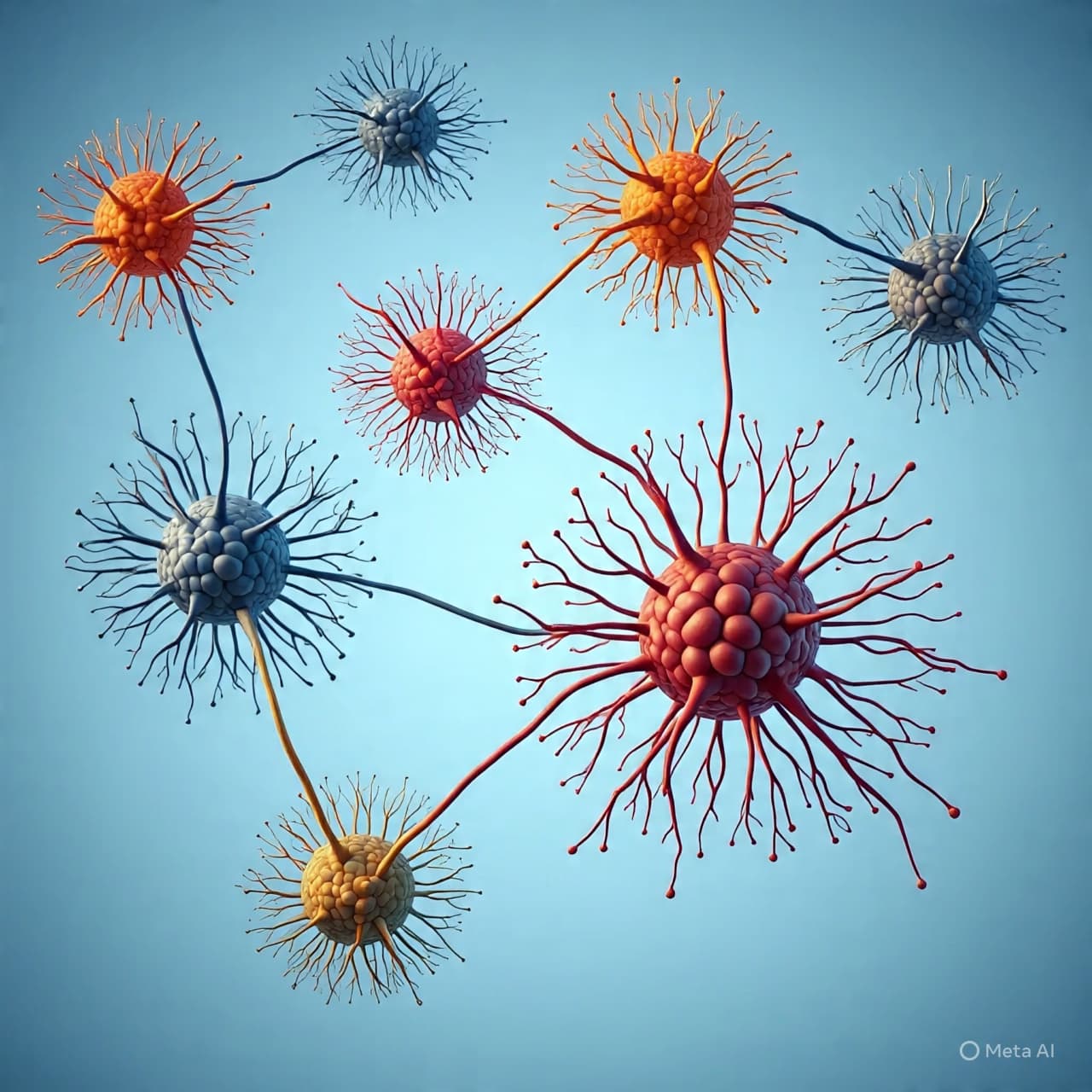
Scientists have discovered millions of “silent synapses” in adult brains, suggesting hidden neural connections that could support learning and brain plasticity.
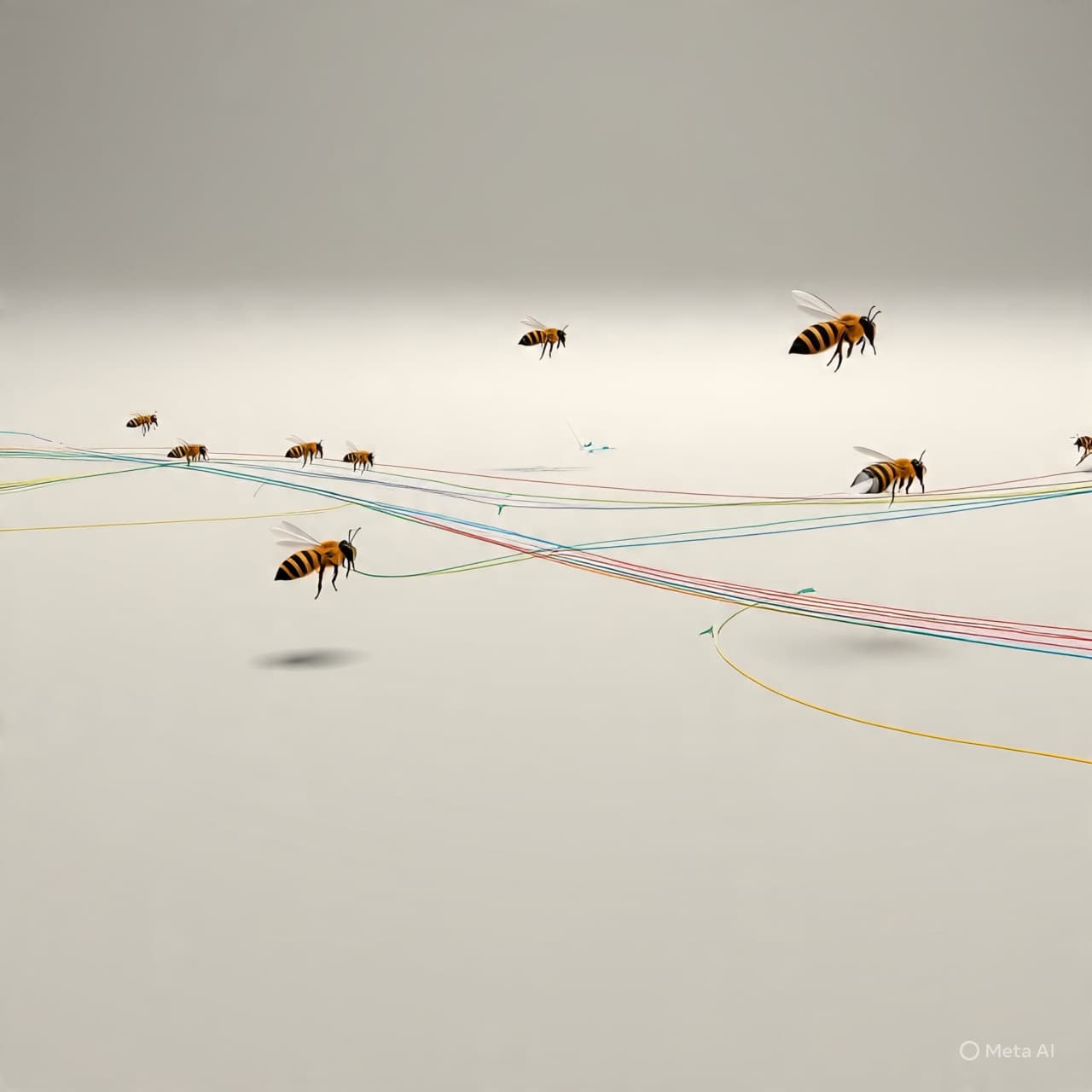
Scientists tracking bees in 3D found they use advanced spatial awareness to navigate, revealing skills that could inspire robotics and navigation systems.
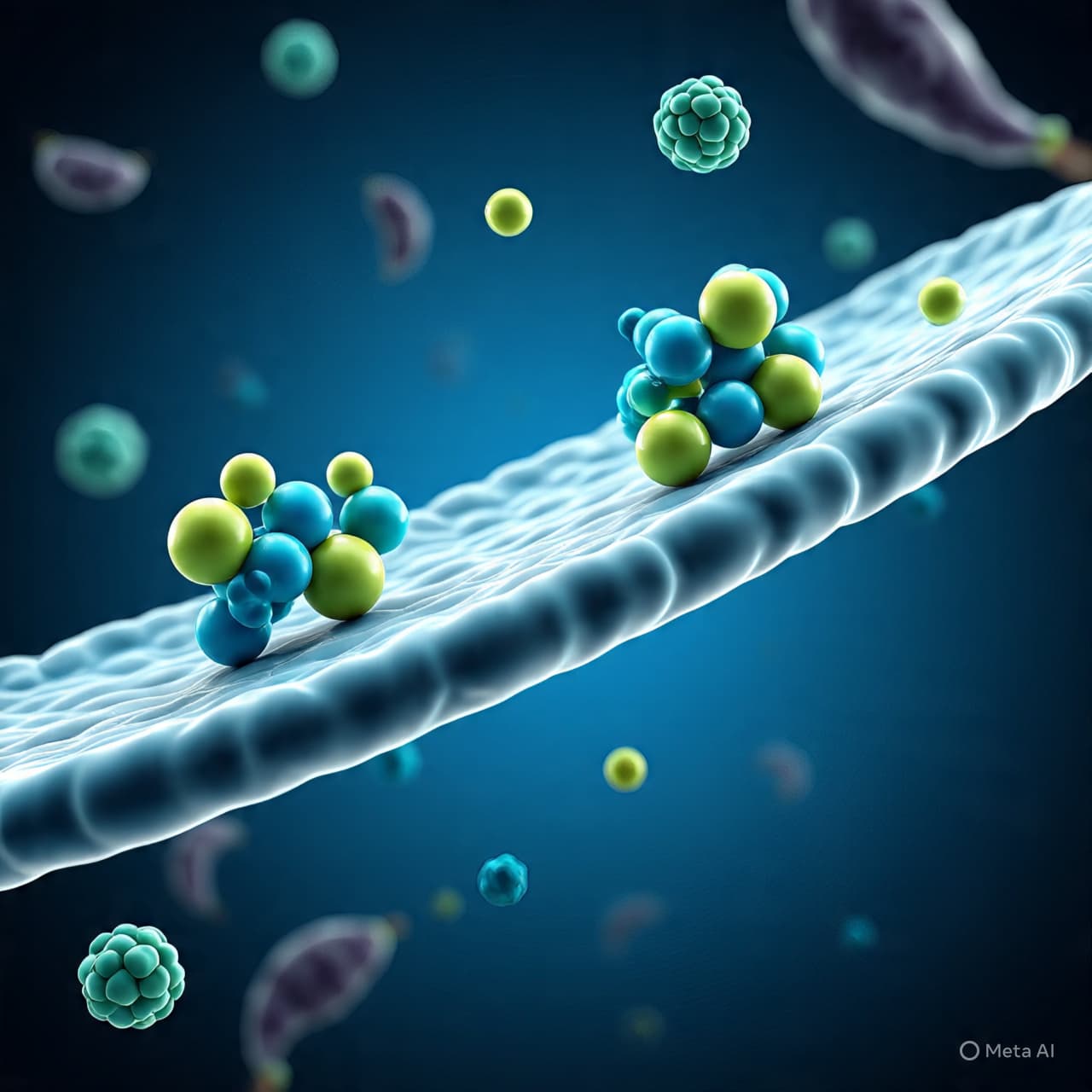
Scientists have captured lipids moving inside living cells, revealing dynamic behavior that could reshape understanding of cellular function and disease.
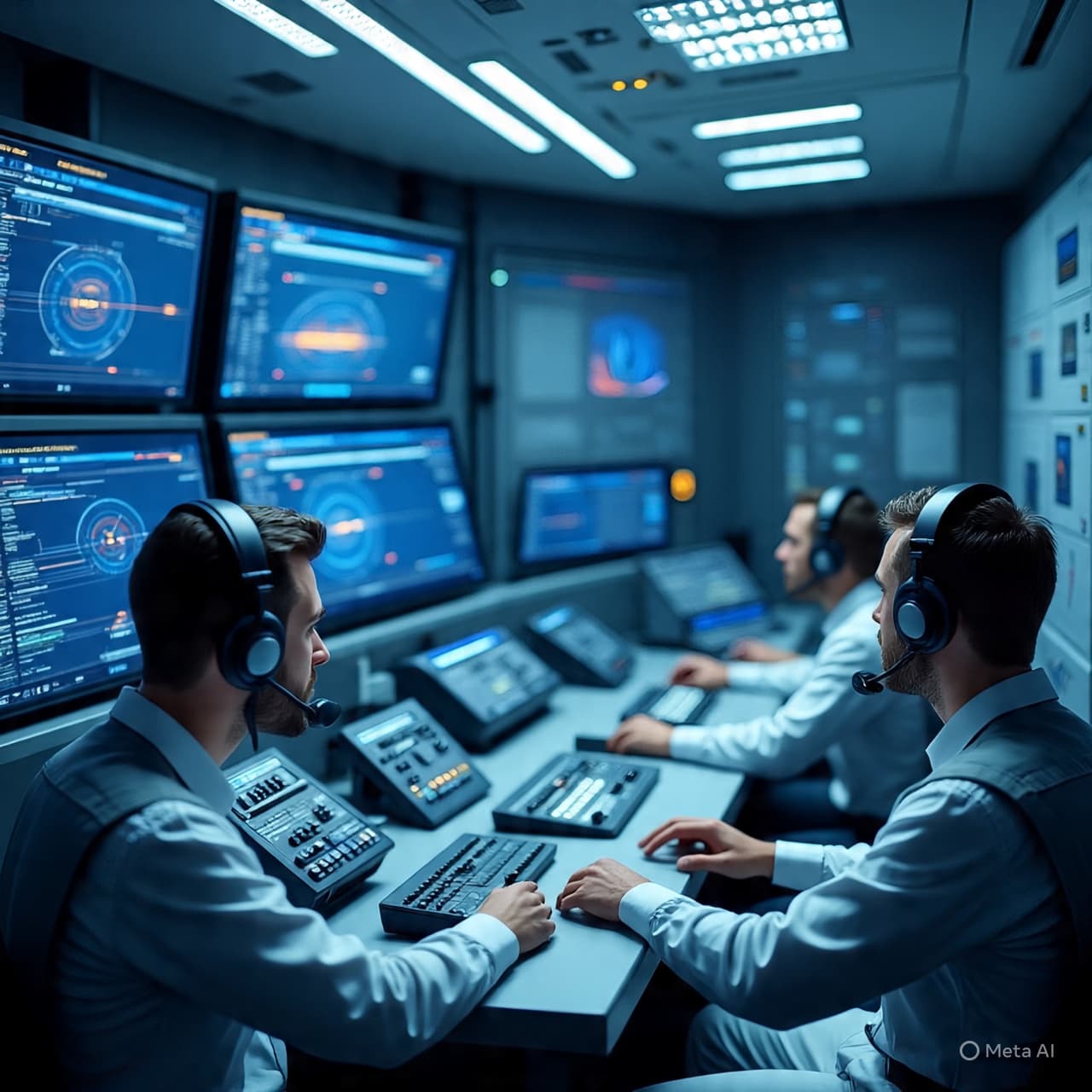
A Calgary-born astronaut will serve as CapCom for NASA’s Artemis II mission, acting as the key communication link between Earth and the crew traveling around the Moon.
Scientists are surpassing traditional solar efficiency limits using new designs like tandem cells and quantum processes, expanding the potential of solar energy.
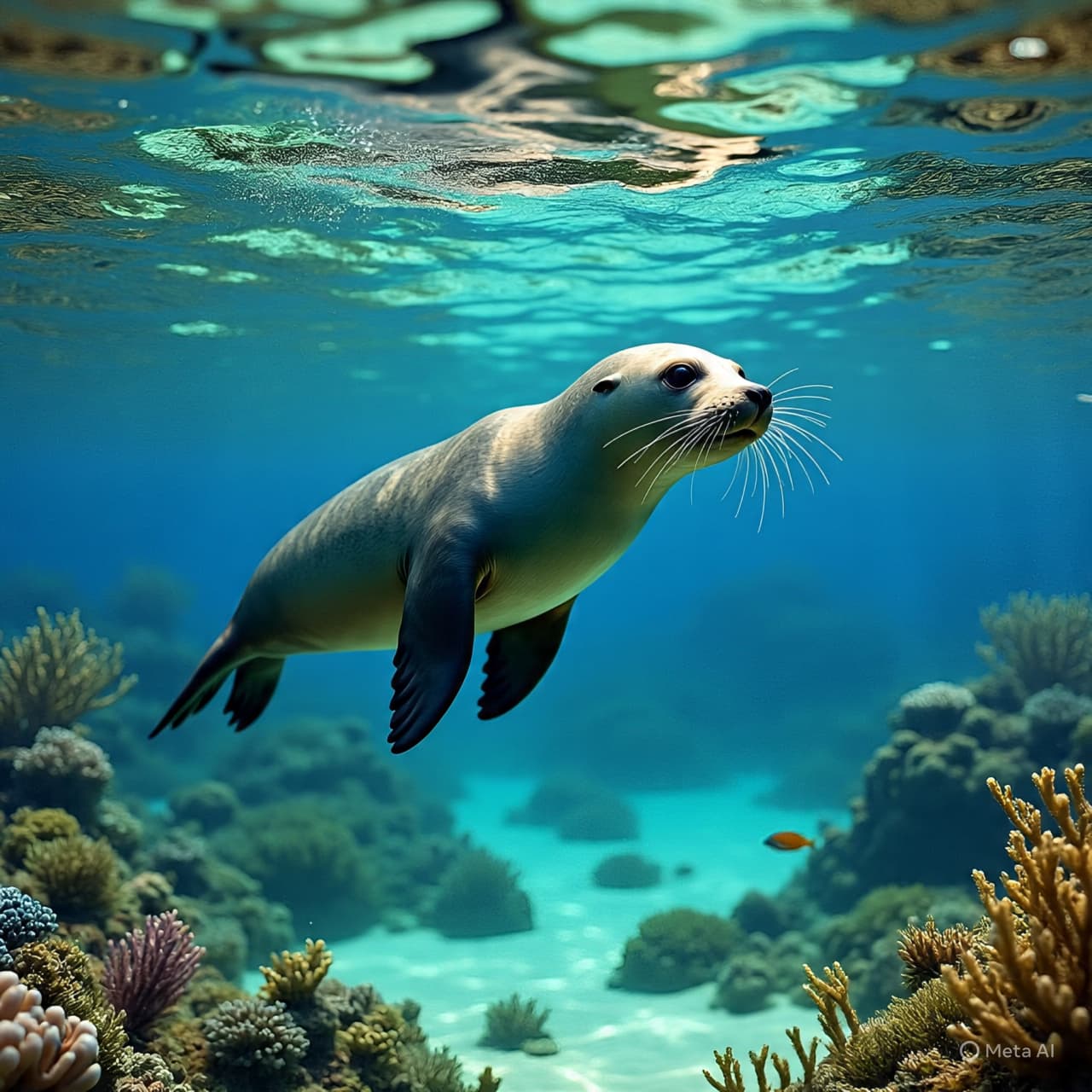
Seals use active whisker movements to follow underwater trails, a discovery that could inspire more sensitive and efficient robotic sensing systems.
Quadratic gravity theory suggests the Big Bang may not have been a singularity, offering a new way to reconcile quantum physics with gravity.
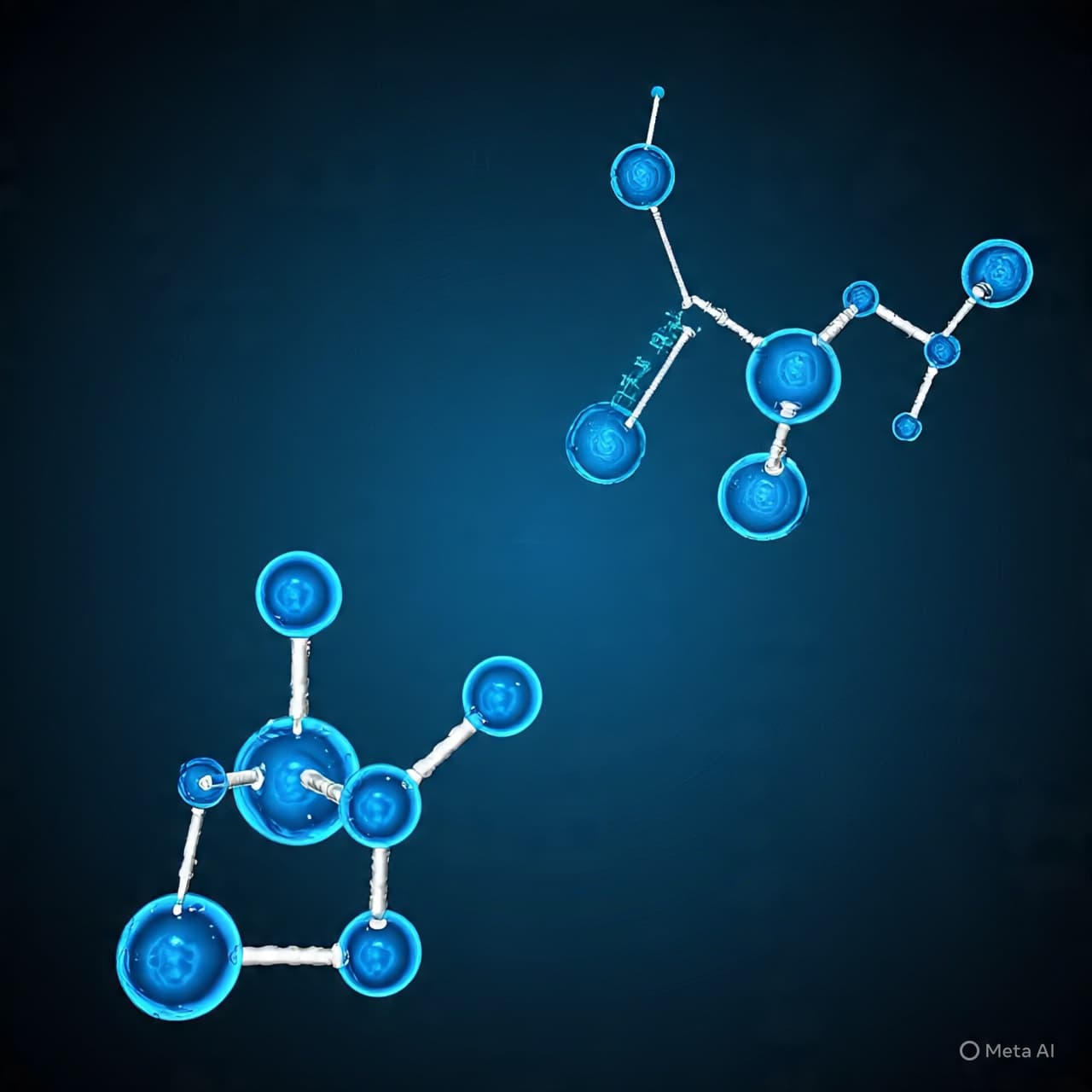
Scientists have identified a hidden structural state of water that may help explain its unique properties and its role in enabling life.
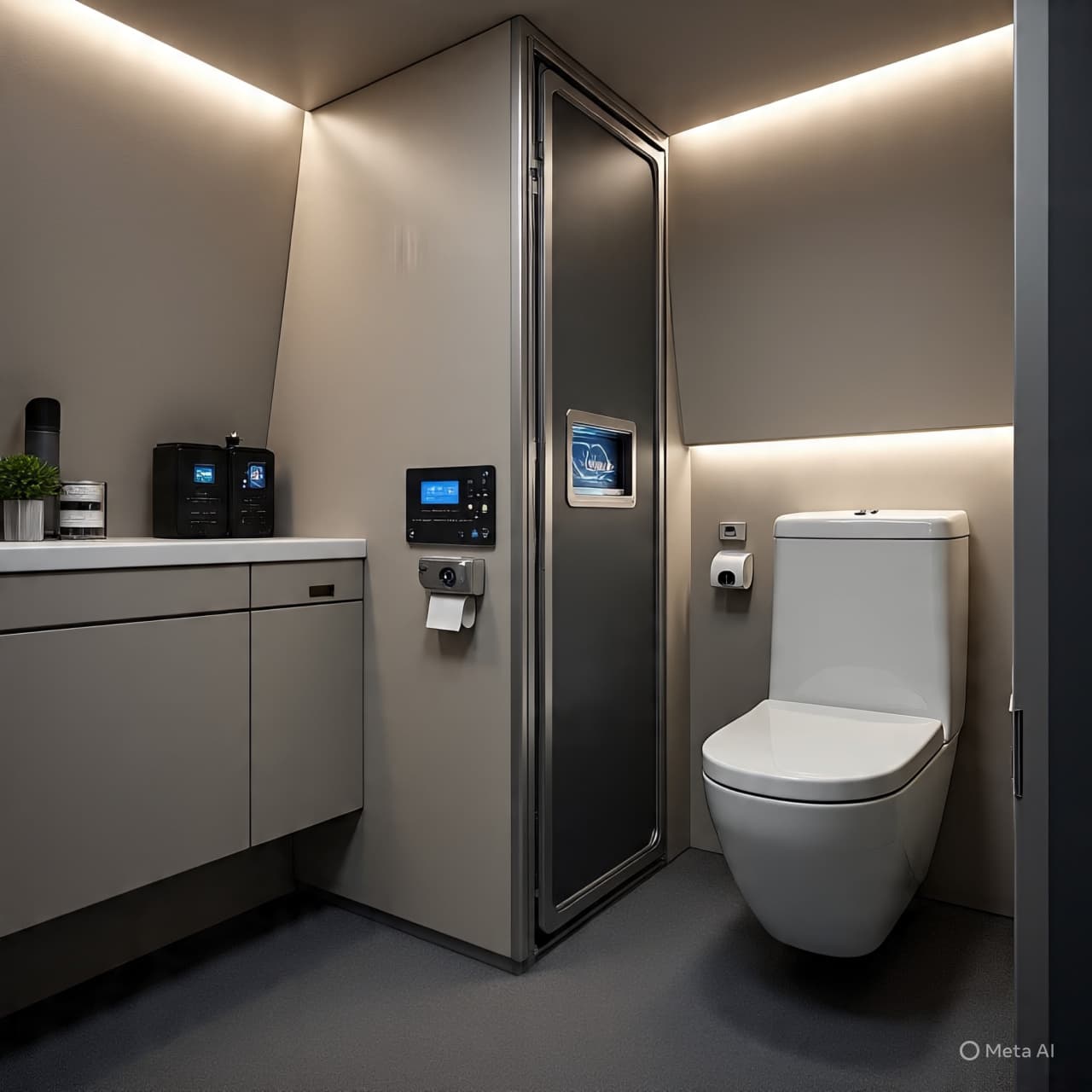
Artemis II astronauts will have a private toilet, a major upgrade from Apollo missions where crews used plastic bags for waste management.
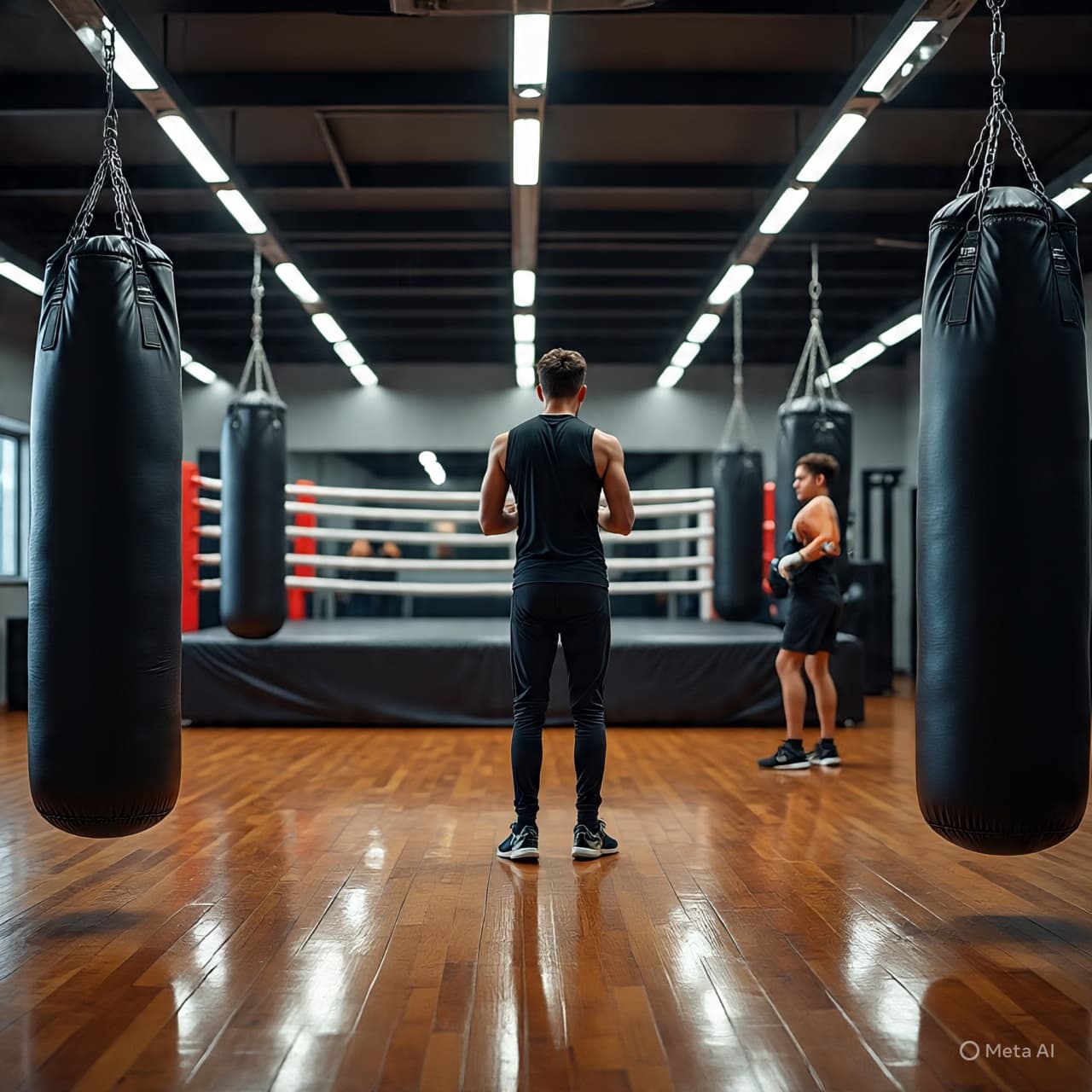
A study finds that six weeks of boxing training can significantly lower blood pressure in young adults, highlighting exercise’s role in early heart health.
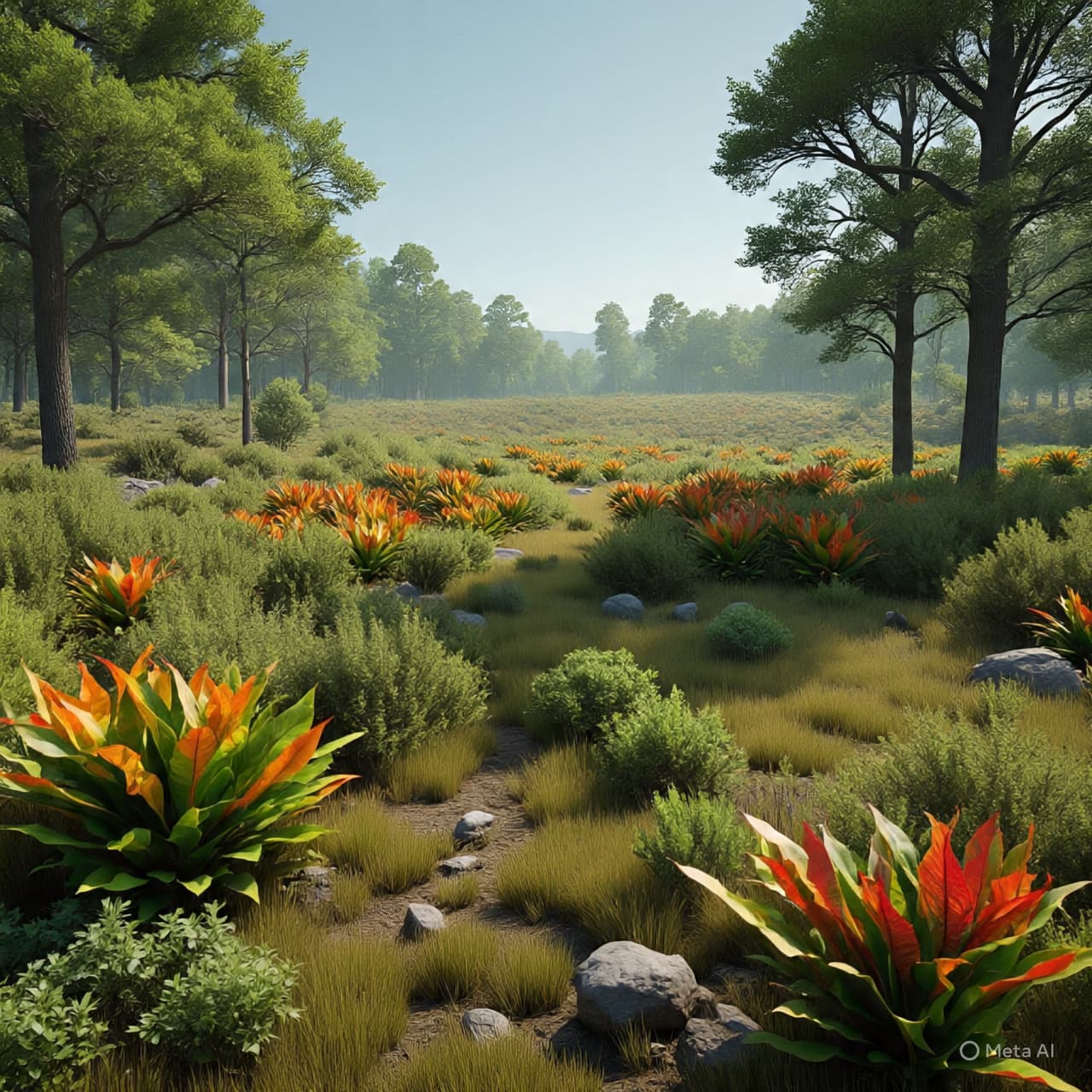
As climate change alters temperatures and rainfall, invasive plants are expanding into new regions, reshaping ecosystems and challenging native species.
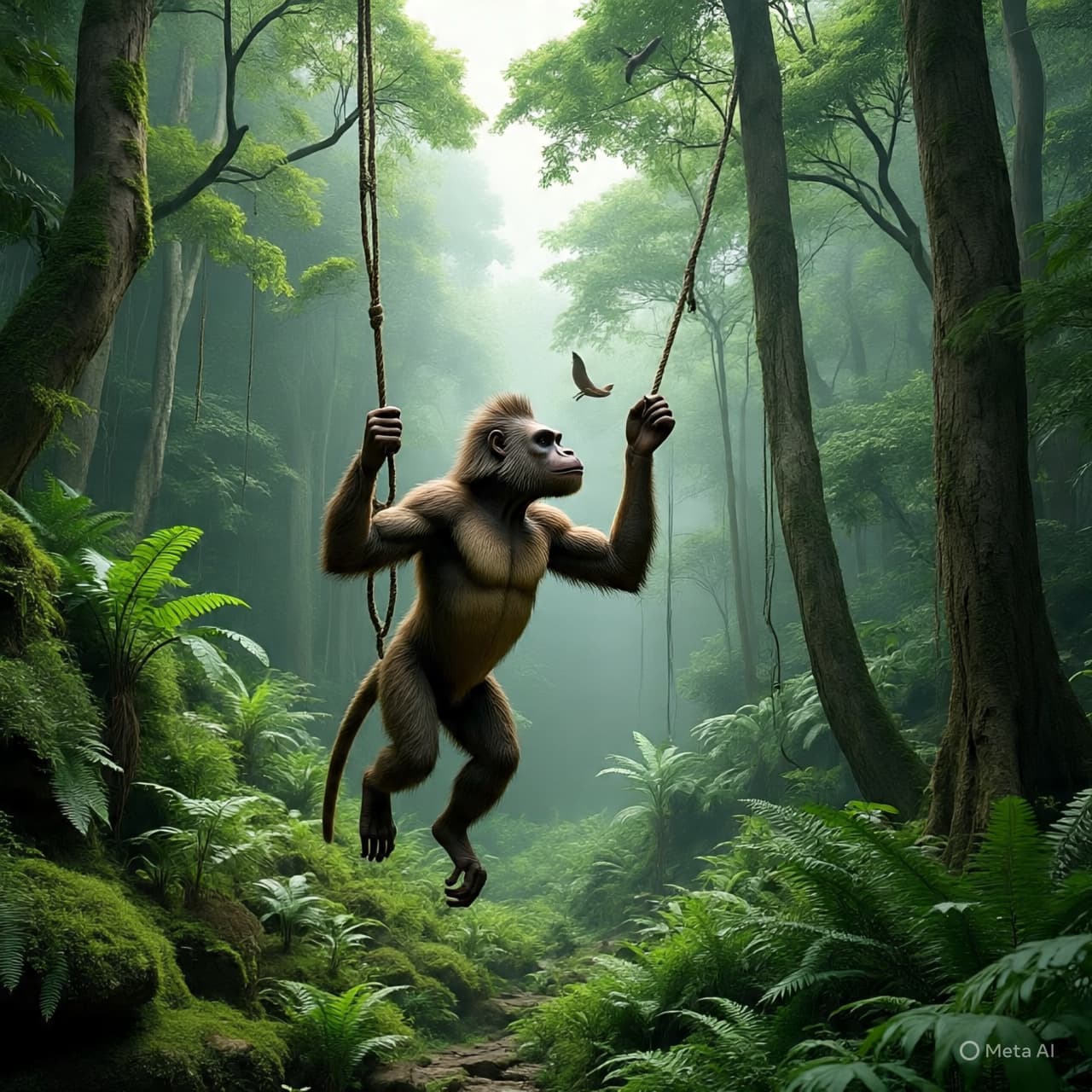
A newly discovered Early Miocene fossil helps bridge a key gap in the ape family tree, offering insights into how early apes evolved and diversified.
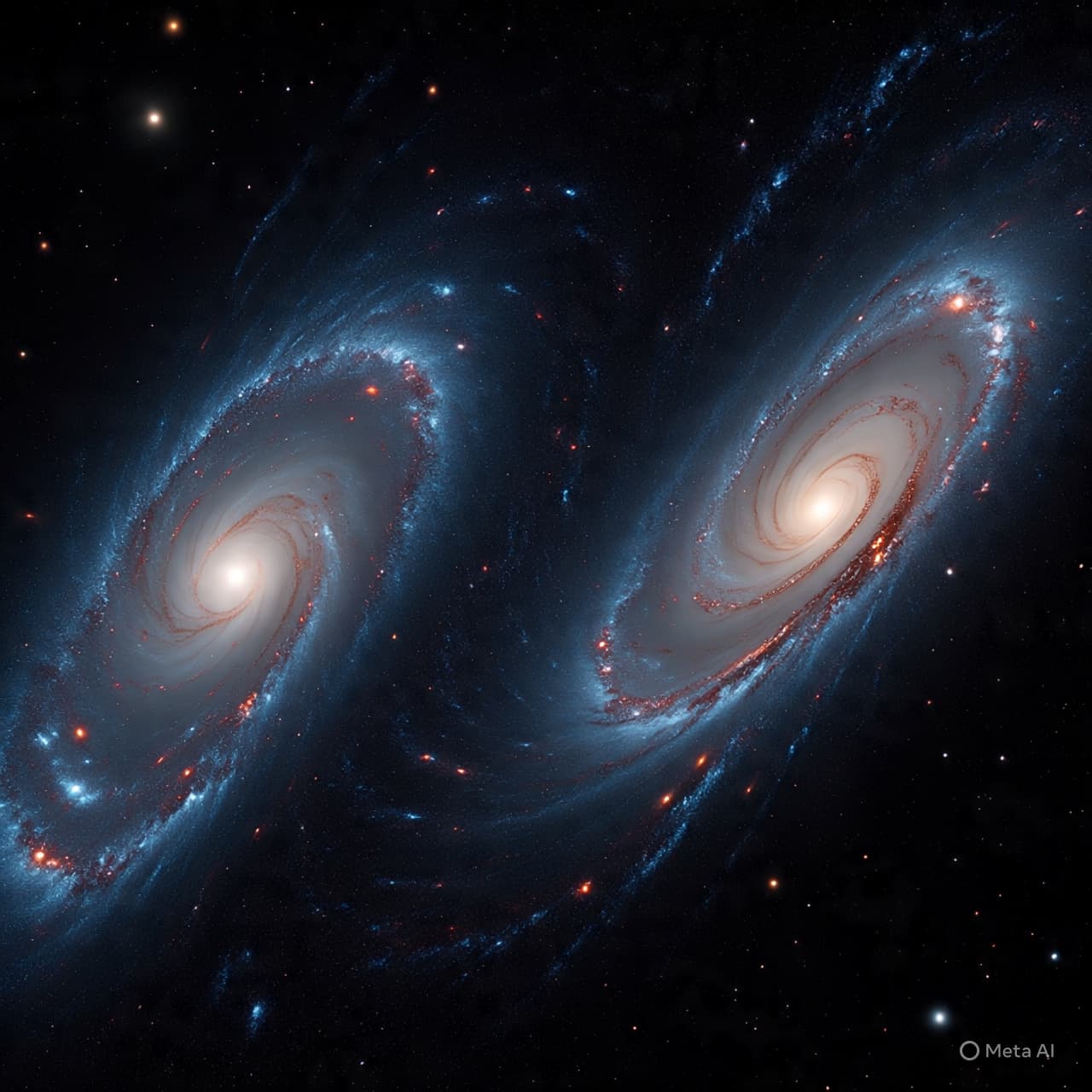
Astronomers captured two galaxies on a collision path, offering insight into slow cosmic interactions that shape galaxy evolution over billions of years
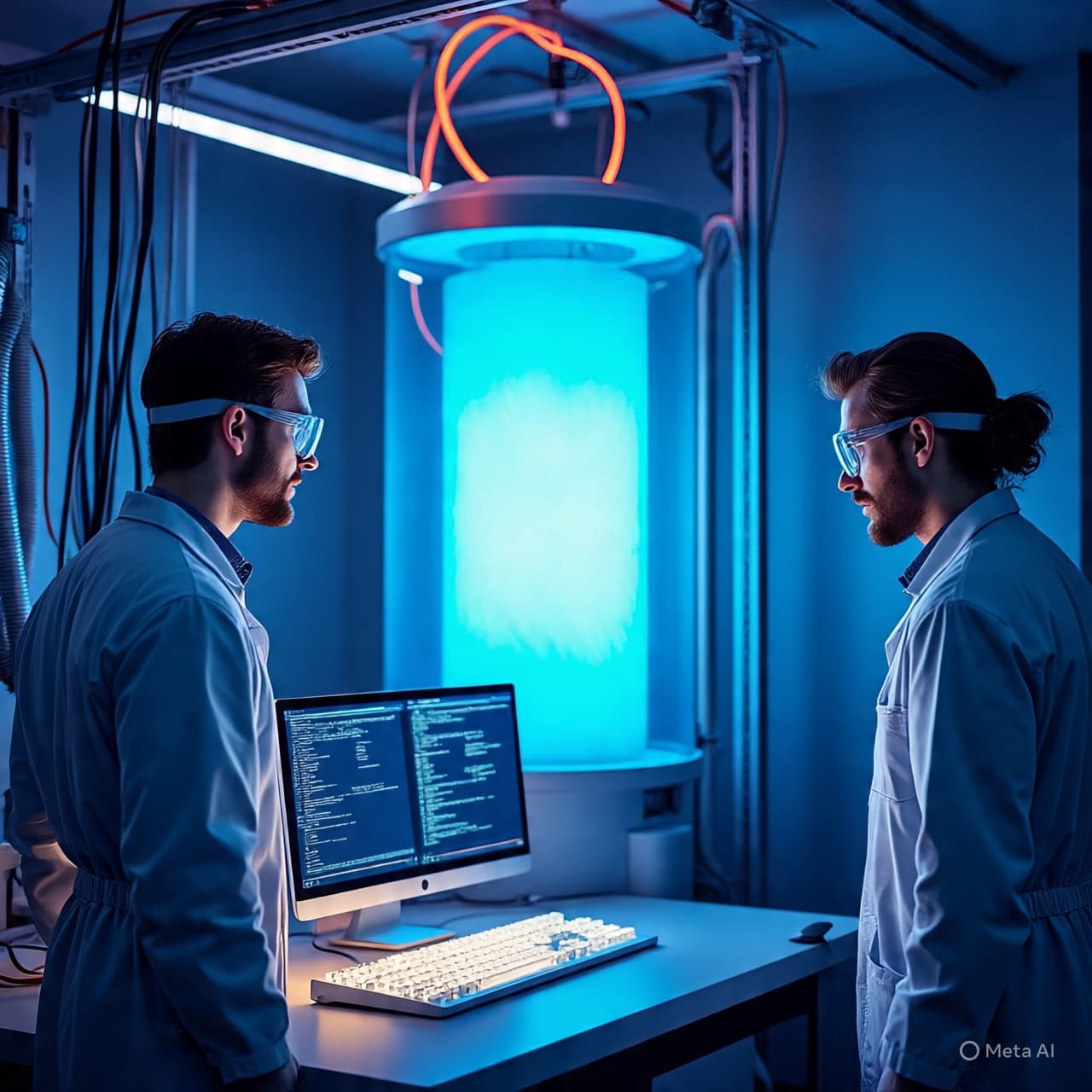
A widely reported quantum computing breakthrough is being reassessed, with experts saying its real-world impact may be more limited than first believed.
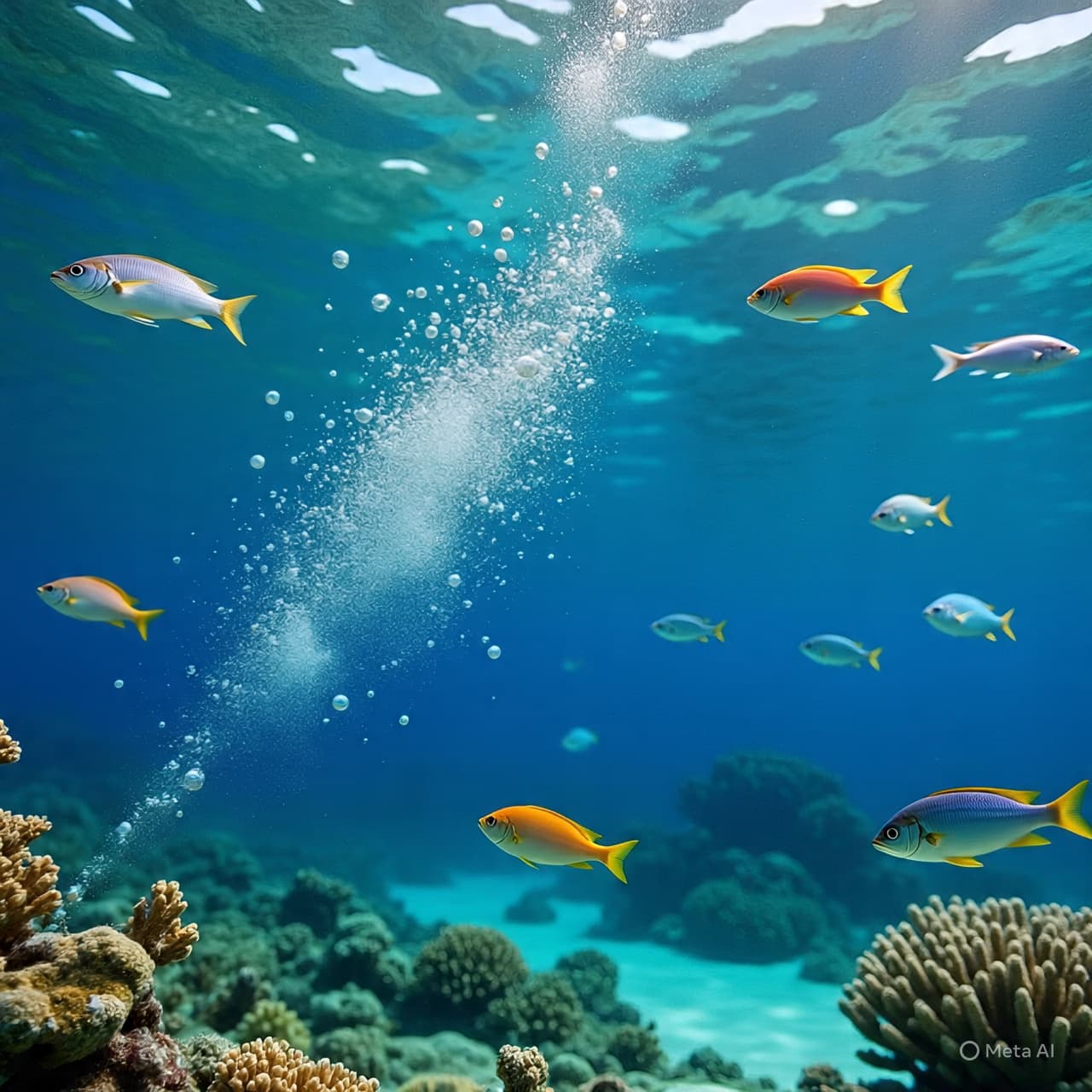
Scientists say missing ocean plastic hasn’t disappeared but has broken into microplastics, spreading through deep ocean layers and ecosystems.
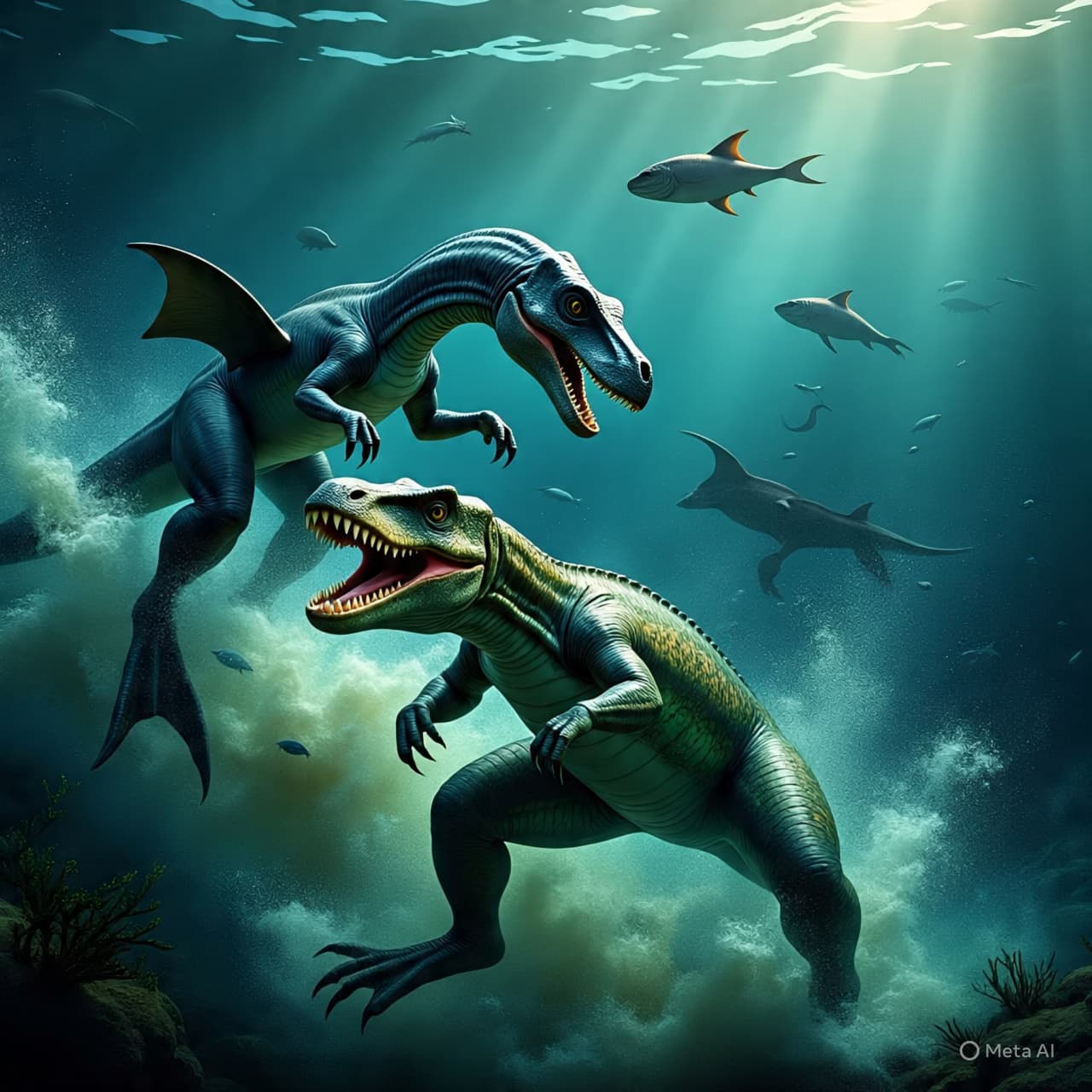
A rare fossil shows a fatal clash between two ocean predators 80 million years ago, offering insight into prehistoric marine ecosystems.
ChamberWorks has launched in Rotorua to help employers manage recruitment and find the right candidates more efficiently.
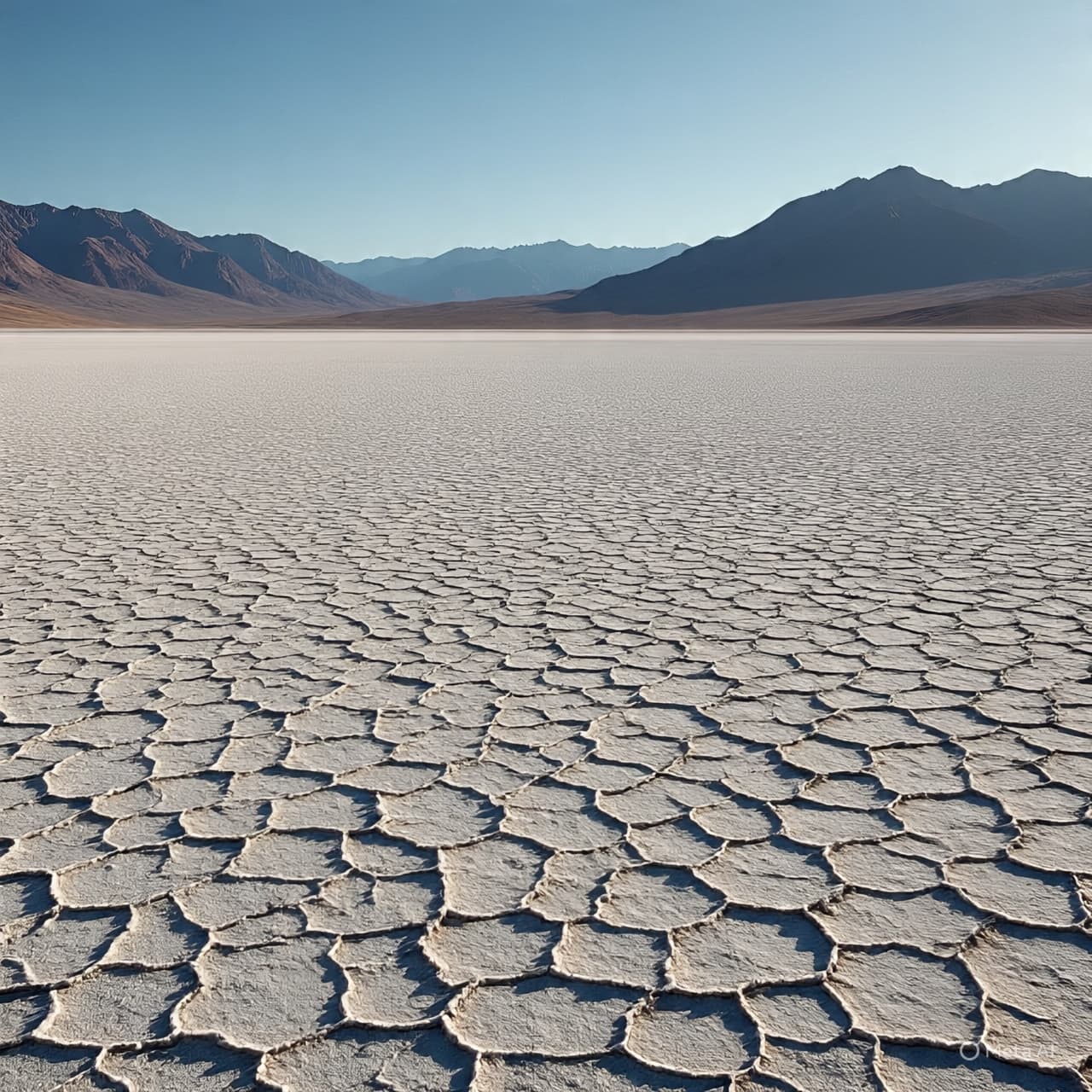
Researchers discovered a deep freshwater reservoir beneath the Great Salt Lake, offering new insights into underground water systems and potential environmental applications.
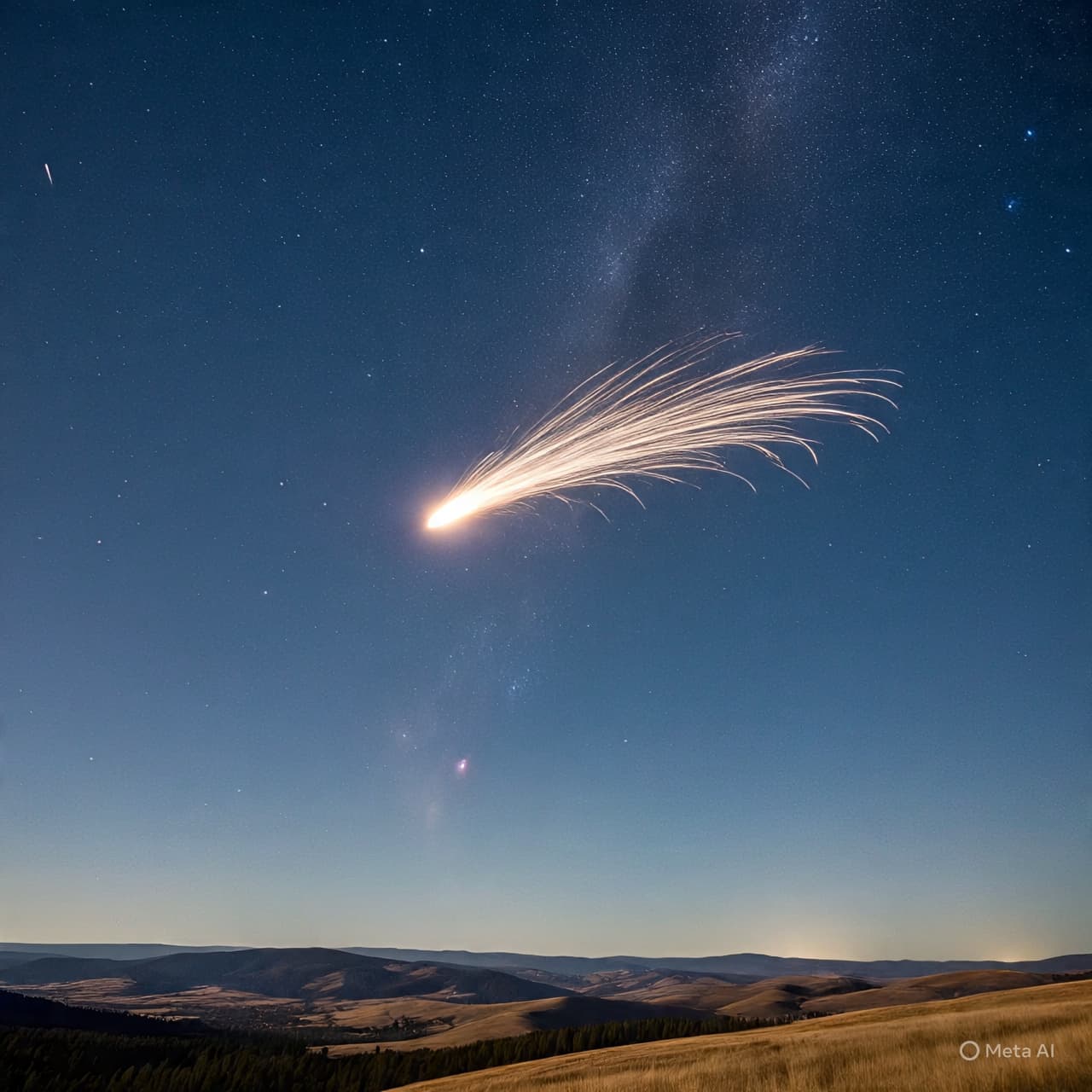
A rise in fireball sightings in 2026 may reflect increased observation and natural cosmic cycles, not necessarily a new or dangerous phenomenon.
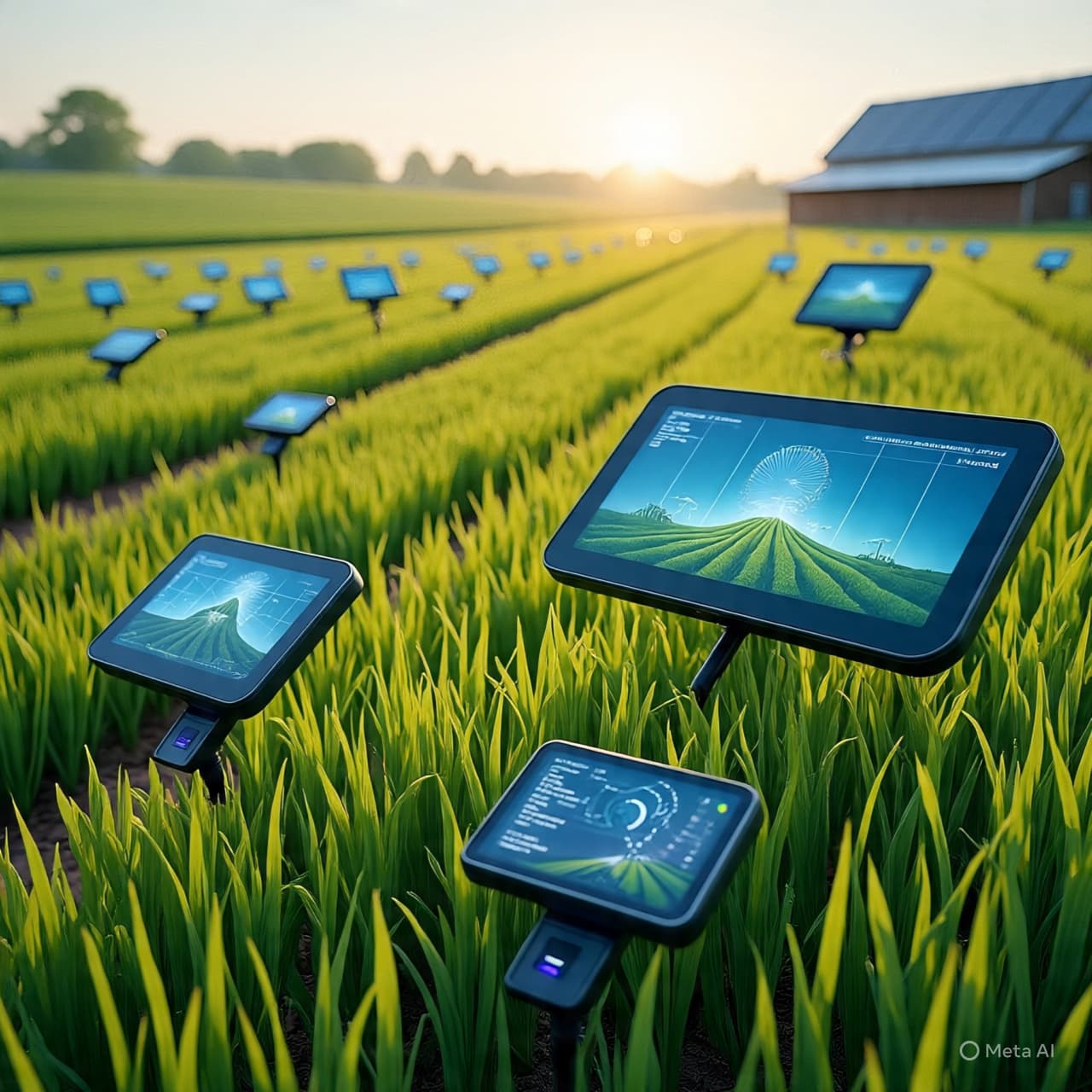
Agritech innovation is expanding across New Zealand’s regions, blending traditional farming with modern technology to boost productivity and economic resilience.
France advances low-carbon battery innovation, aiming to balance energy efficiency with environmental sustainability in future technologies.