
Key Highlights
- New Detection Methods:French scientists utilize advanced techniques to identify microplastics in water and soil.
- Environmental Impact:Research reveals the pervasive presence of microplastics in ecosystems and food chains.
- Policy Implications:Findings inform waste management practices and public education on plastic use.
[Microplastics in French Waters]
Amid gentle ocean waves and quiet riverbanks, scientists in France are uncovering invisible threats: microplastics. Recent research highlights the urgent need to address this pervasive pollution, which impacts ecosystems, human health, and the balance of natural cycles. Utilizing advanced detection methods, researchers are revealing patterns of microplastic contamination that were previously hidden from view.
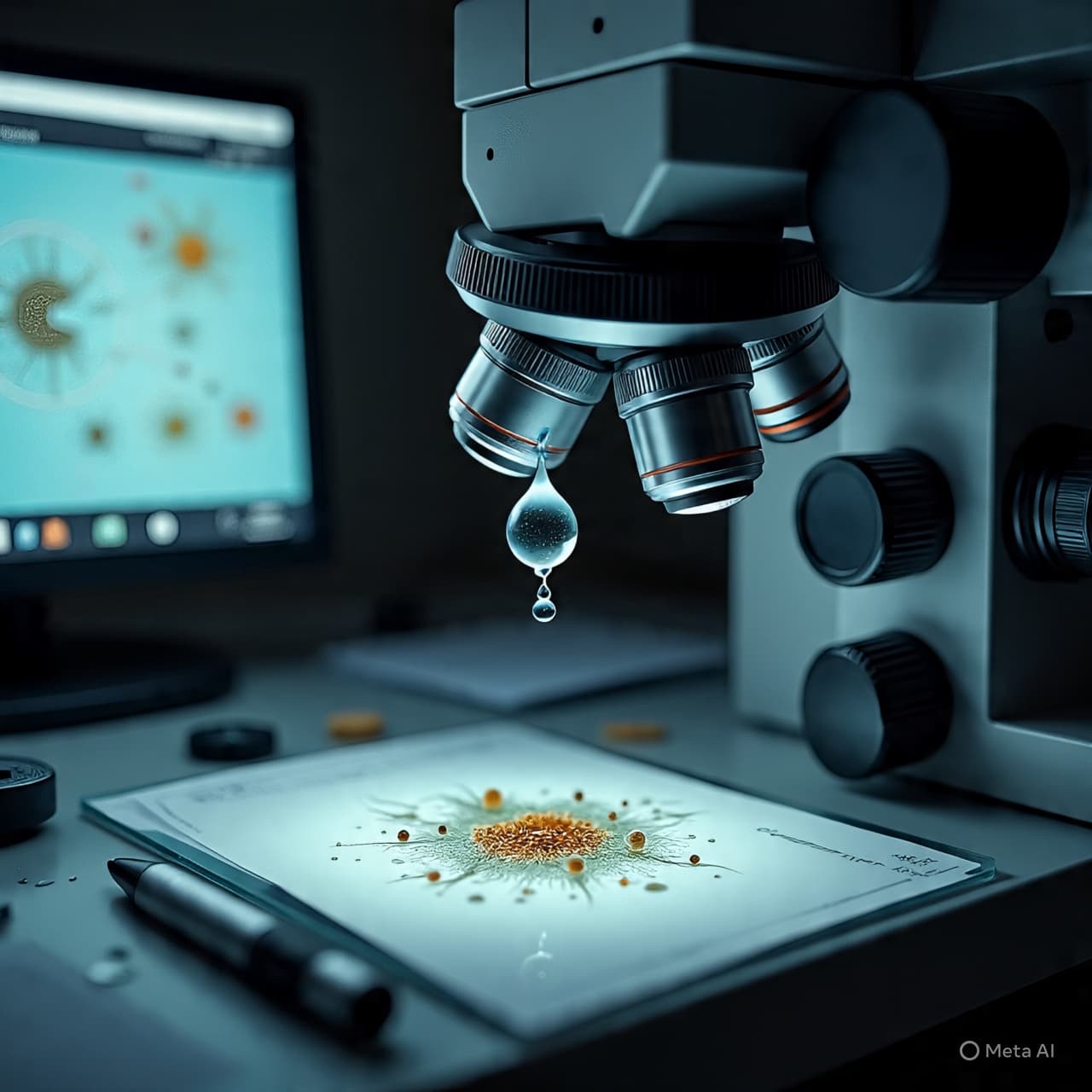
The research team employs a combination of spectroscopy, AI-enhanced imaging, and chemical analysis to identify microplastics in both water and soil samples. Each sample undergoes meticulous examination, revealing fragments that are otherwise invisible to the naked eye. This patient and careful process mirrors the dedication of scientists who observe nature's intricacies, striving to understand the full scope of microplastic pollution.
Microplastics have infiltrated waterways, marine life, and even food chains, raising concerns about their long-term effects on health and biodiversity. By mapping where and how these particles accumulate, researchers aim to provide actionable insights for mitigation strategies. The integration of AI technology allows for the analysis of vast datasets, enabling scientists to recognize patterns in environmental samples and pinpoint areas of concern with remarkable precision.
Collaborations with environmental organizations and academic institutions enhance the research's credibility and applicability. By testing findings in real-world conditions, the team ensures that their discoveries are not only scientifically robust but also relevant to practical applications. This full-circle approach combines fieldwork with laboratory analysis, creating a comprehensive understanding of microplastic pollution.
The implications of this research extend beyond scientific discovery; they inform policy decisions at various levels. Governments and local authorities can leverage these findings to implement improved waste management practices, monitor industrial discharge, and educate the public about reducing plastic consumption. The ultimate goal is to prevent pollution through informed action, guided by scientific evidence rather than reactive measures.
Beyond the technical achievements, the research embodies a narrative of environmental stewardship. Scientists view each ecosystem as a delicate manuscript, striving to preserve its integrity while interpreting the data embedded within. This approach emphasizes the importance of reflection, care, and ethical responsibility in addressing environmental challenges.
International attention underscores the relevance of these findings, as microplastic pollution is a global issue. The methods developed in France can inspire similar efforts worldwide, fostering a collaborative spirit among researchers across oceans. The knowledge generated through this research flows quietly, connecting communities and scientists in a shared mission to combat pollution.
The practical benefits of this research extend to human health, biodiversity, and environmental sustainability. By acting on early warning signals, communities can take proactive measures, industries can reduce pollutants, and policymakers can implement targeted interventions. Ultimately, this research exemplifies the marriage of technology, curiosity, and care, revealing a larger story of human responsibility and scientific vigilance in the face of environmental challenges.
Published by Banx Network. This article is part of the Banx decentralized media programme, powered by the BXE token on the XRP Ledger.



