In the quiet urgency of climate change, French researchers are exploring ways to gently reverse what has long been taken for granted. Carbon capture technology, once a theoretical ambition, is becoming more refined and practical. It is a process that seeks not to erase the past, but to reshape the future with care and intention.
Scientists are developing systems that capture carbon dioxide directly from industrial emissions and the atmosphere. These technologies rely on advanced materials and chemical processes designed to absorb and store carbon efficiently. The work is meticulous, balancing scientific precision with environmental responsibility.
Artificial intelligence assists in optimizing these systems, analyzing performance data and suggesting improvements. The technology evolves gradually, guided by continuous observation and adjustment. It is a quiet partnership between human ingenuity and machine learning.
The captured carbon can be stored underground or repurposed for industrial use, creating a circular approach to emissions management. This transforms waste into resource, reflecting a broader philosophy of sustainability.
Collaboration across universities, industries, and government agencies accelerates progress. Pilot projects are being tested in real-world conditions, ensuring that solutions are both effective and scalable.
The implications are far-reaching. Effective carbon capture could significantly reduce greenhouse gas emissions, contributing to global climate goals. France’s research adds a valuable dimension to international efforts against climate change.
Public awareness and policy support play a role in adoption. Governments encourage innovation through funding and regulatory frameworks, while communities become more engaged in environmental initiatives.
Ultimately, carbon capture represents a quiet act of responsibility. It acknowledges the challenges of the past while offering a path forward—one shaped by science, reflection, and a commitment to balance.
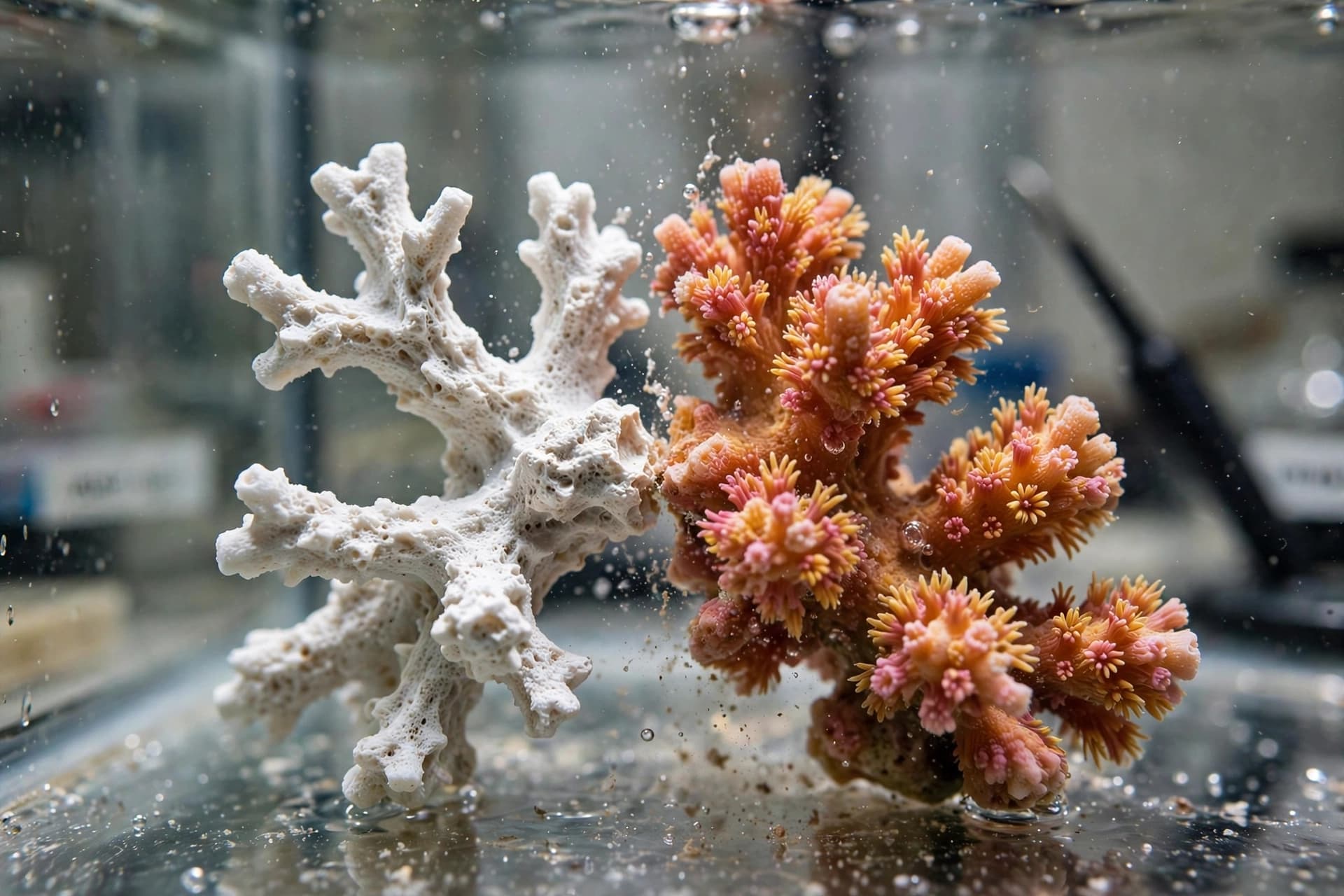
AI Image Disclaimer: Illustrations were produced with AI and serve as conceptual depictions.
Sources:
CNRS (French National Centre for Scientific Research) ADEME (French Environment Agency) France 24 Les Echos International Energy Agency (IEA)
Published by Banx Network. This article is part of the Banx decentralized media programme, powered by the BXE token on the XRP Ledger.