
Key Highlights
- Growing Collaboration:European scientific research is increasingly collaborative, transcending national boundaries.
- Funding Initiatives:New programs are providing resources for cross-border projects, enhancing research capabilities.
- Collective Success:The focus is shifting from individual achievements to collective progress in addressing global challenges.
[The Rise of Cross-Border Collaboration]
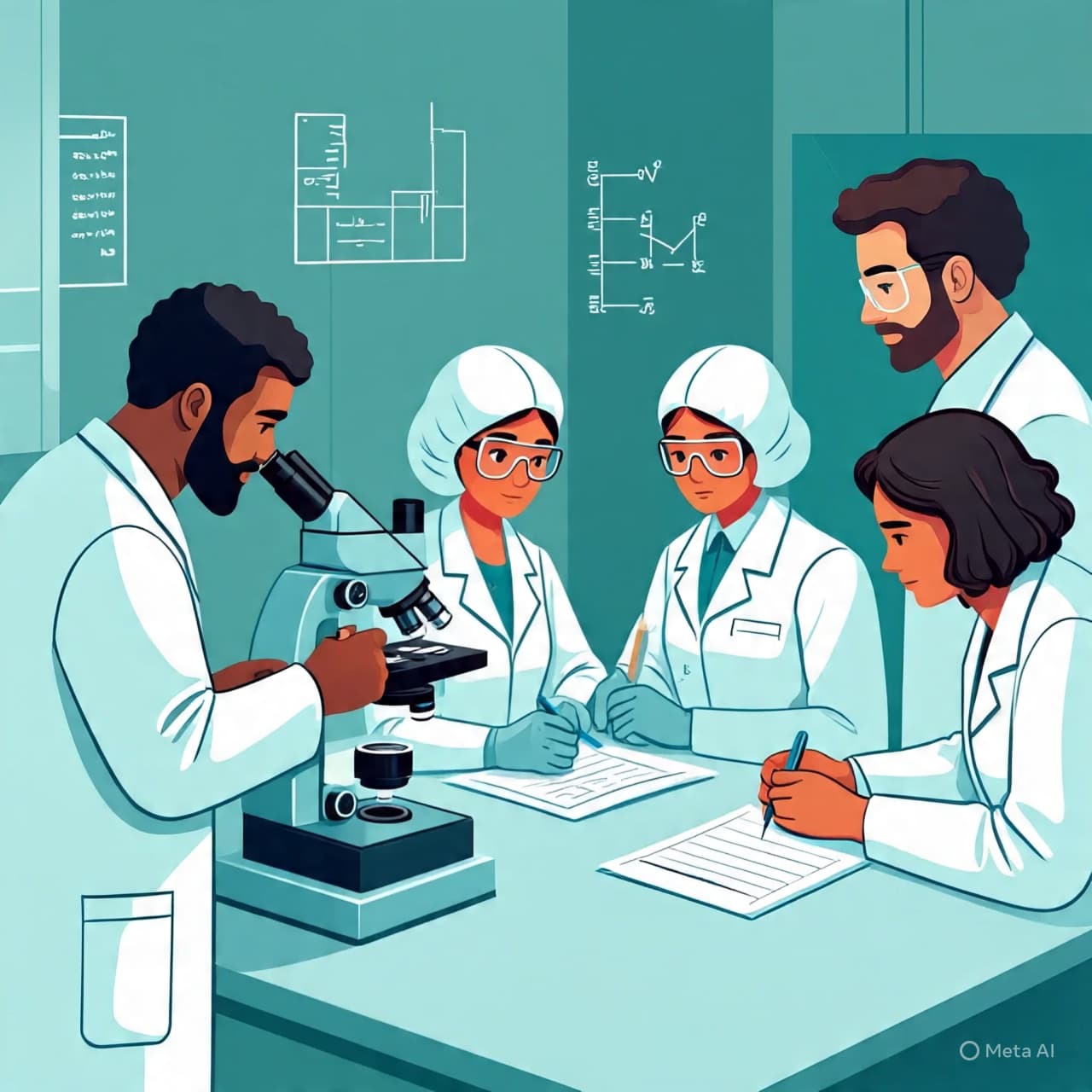
Across borders that once defined distance, a quieter connection is taking shape—one built not of roads or railways, but of shared knowledge. In laboratories scattered across Europe, collaboration is becoming less of an aspiration and more of a daily practice. Scientific research, by its nature, has always leaned toward openness. Yet in recent years, Europe has begun to formalize this instinct, weaving networks that link institutions, researchers, and resources across nations. The result is a tapestry of inquiry that stretches far beyond any single country.
[Funding and Infrastructure for Research]
Programs designed to encourage cross-border collaboration are expanding, offering funding and infrastructure to projects that bring together diverse expertise. Scientists who once worked within national frameworks now find themselves part of broader, interconnected teams. This shift is not only logistical but philosophical. There is a growing recognition that the challenges facing the modern world—climate change, public health, technological transformation—do not align neatly with geographical boundaries. Solutions, therefore, must also transcend them.
[Visible Benefits of Collaboration]
The benefits of such collaboration are already becoming visible. Shared data accelerates discovery, while diverse perspectives introduce new ways of thinking. Research that might have taken years in isolation can now progress with greater efficiency and depth. For instance, collaborative projects in climate science have led to faster development of sustainable technologies, showcasing the power of shared expertise.
[Challenges of Coordination]
However, coordination at this scale brings its own challenges. Differences in regulation, funding structures, and institutional priorities require careful navigation. Yet these obstacles are approached with a sense of patience rather than urgency. Researchers are learning to adapt to varying systems, fostering a culture of flexibility and understanding that is essential for successful collaboration.
[The Role of Technology]
Technology plays a supporting role in this evolution. Digital platforms enable real-time communication and data sharing, allowing researchers to collaborate as if they were in the same room, despite being separated by thousands of kilometers. This technological advancement has been crucial in maintaining momentum in research projects, especially during times when physical meetings are limited.
[Redefining Success in Research]
There is also a subtle shift in how success is defined. Rather than individual achievement, there is increasing emphasis on collective progress—on what can be built together rather than alone. As Europe continues to strengthen these connections, the future of its scientific community appears less fragmented and more unified. It is a transformation that unfolds quietly, but with the potential to reshape how knowledge itself is created and shared.
Published by Banx Network. This article is part of the Banx decentralized media programme, powered by the BXE token on the XRP Ledger.



