The development of vaccines has traditionally required years of experimentation, testing, and careful refinement. Today, advances in artificial intelligence are beginning to reshape parts of that process, offering researchers new tools for identifying promising medical candidates more efficiently.
Scientists have reported progress involving a vaccine candidate designed with assistance from artificial intelligence and now entering human clinical testing. The development marks an important milestone in the growing intersection of computational technology and biomedical research.
Artificial intelligence systems can analyze enormous quantities of biological data, identifying patterns that may help researchers select promising targets for vaccine development. This capability has attracted increasing interest from pharmaceutical and biotechnology organizations.
Traditional vaccine design often involves lengthy cycles of laboratory experimentation. AI tools can accelerate early-stage research by helping scientists prioritize the most promising molecular structures for further study.
Researchers emphasize that artificial intelligence does not replace clinical evaluation. Every vaccine candidate must still undergo extensive laboratory testing, safety assessments, regulatory review, and human trials before approval can be considered.
The current candidate is being evaluated under established clinical protocols designed to assess safety, dosage, and immune response. Initial phases of testing focus primarily on determining whether the vaccine can be administered safely to participants.
The broader significance extends beyond a single vaccine. Success in AI-assisted development could influence how researchers approach future challenges involving infectious diseases and emerging health threats.
Medical experts caution that clinical testing remains a lengthy and carefully regulated process. Many promising candidates do not ultimately reach widespread use, making rigorous evaluation essential.
Nevertheless, the entry of an AI-designed vaccine candidate into human trials represents a noteworthy step in medical innovation. It highlights how advances in computing and biology are increasingly working together to expand the possibilities of healthcare research.
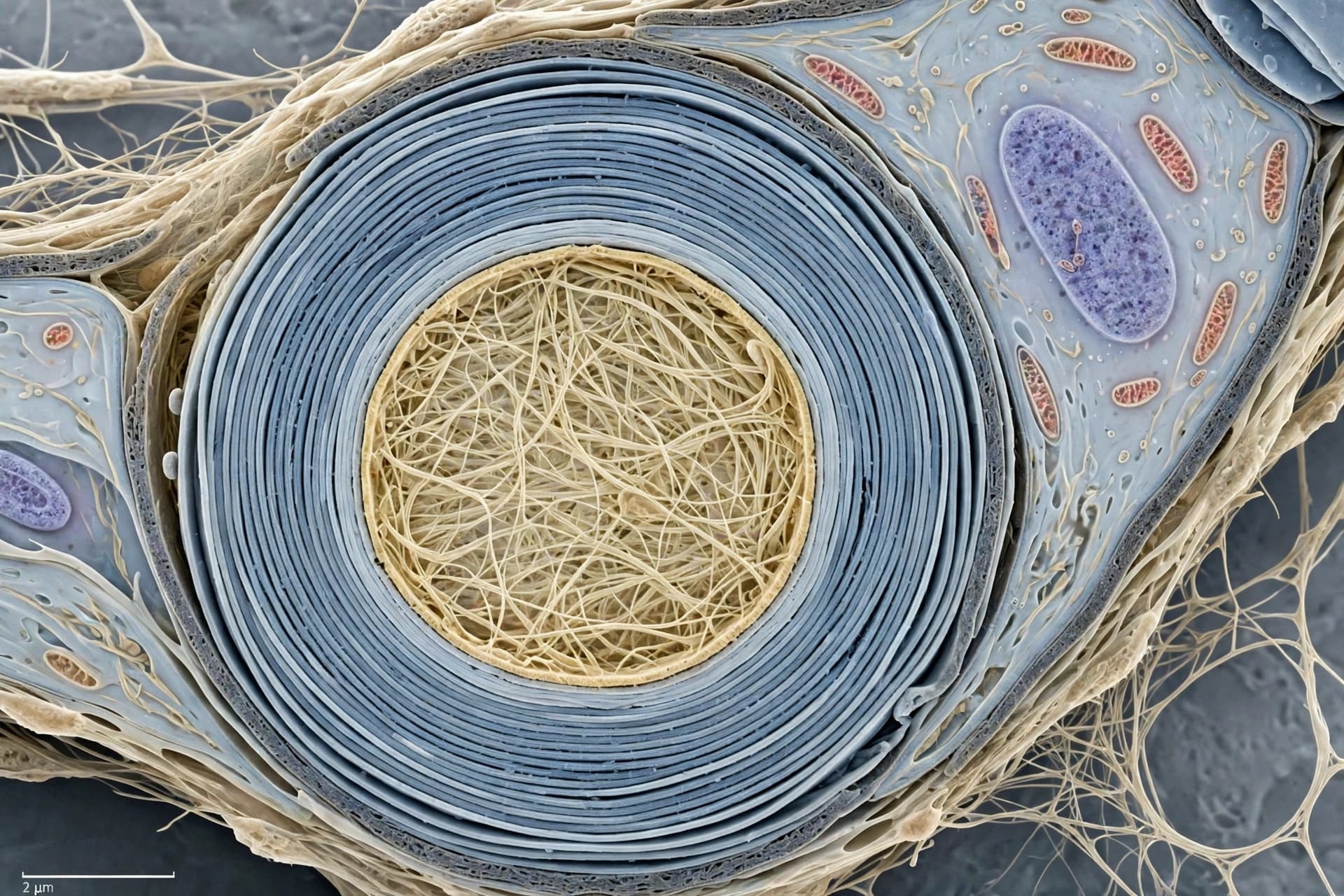
AI Image Disclaimer: Images featured alongside this article are AI-generated conceptual illustrations and are not photographs from actual clinical trials.
Sources Verification Check Verified through:
Nature Biotechnology Reuters World Health Organization (WHO) Science Magazine MIT Technology Review
Published by Banx Network. This article is part of the Banx decentralized media programme, powered by the BXE token on the XRP Ledger.