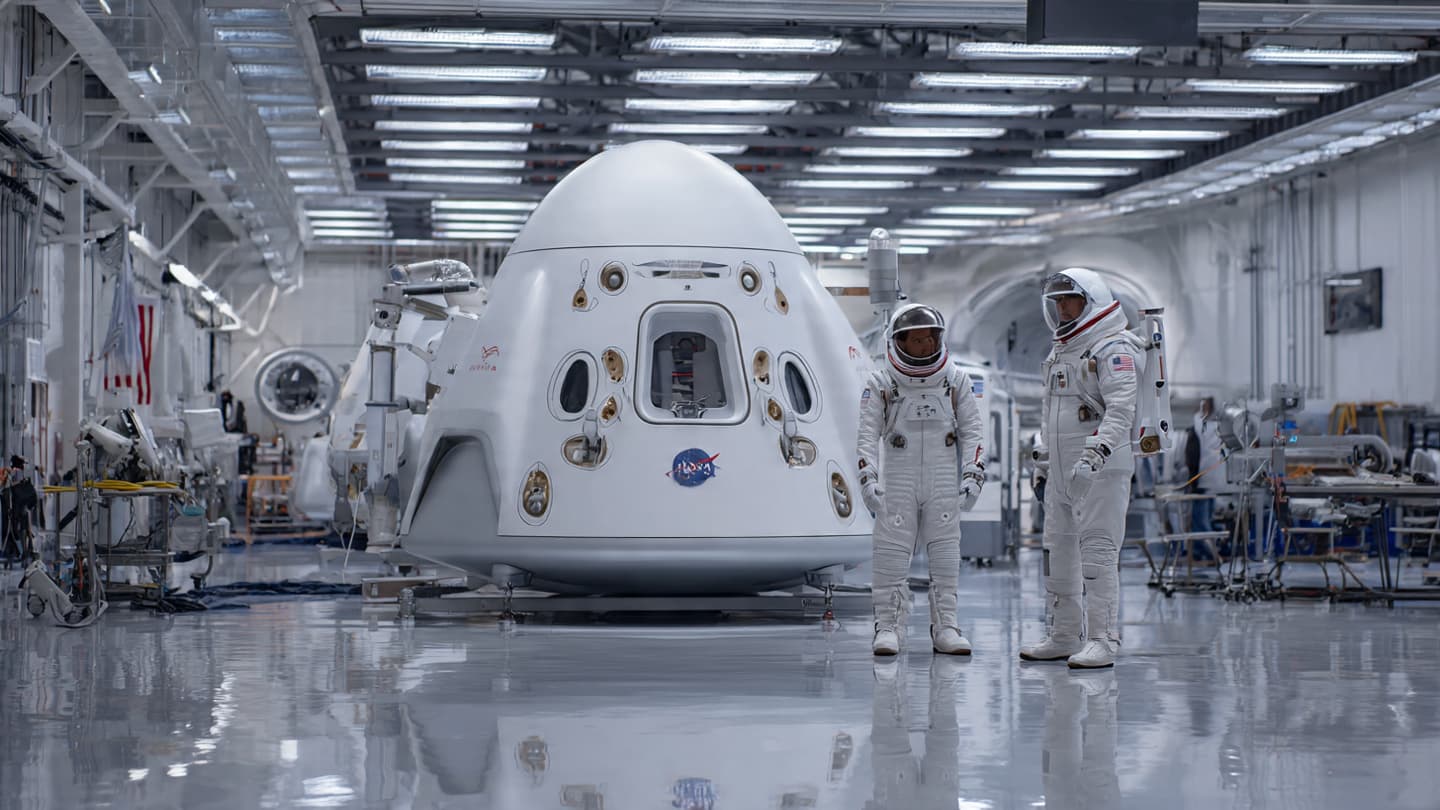
Space exploration often unfolds in measured steps rather than giant leaps. Each mission builds upon countless hours of preparation, engineering, testing, and collaboration. With the announcement of the next Artemis crew, NASA has added another chapter to a program designed to return humans to the Moon and prepare for future journeys deeper into space.
The Artemis program represents one of the most ambitious space initiatives of the modern era. Its objectives extend beyond lunar exploration, serving as a foundation for technologies and operational experience that may eventually support missions to Mars and other destinations.
NASA's latest crew announcement introduces astronauts who will participate in upcoming stages of the program. These missions are expected to test systems, procedures, and technologies necessary for sustained human presence beyond low Earth orbit.
The agency continues to work closely with commercial partners, including companies developing lunar landers, spacecraft systems, and support technologies. This partnership model reflects a broader shift in how major space projects are organized and funded.
Engineers and mission planners face a range of challenges, from life-support systems and communications to navigation and spacecraft reliability. Every mission contributes new data that can improve safety and performance for future exploration efforts.
The Moon has regained strategic importance within the international space community. Multiple countries and organizations are pursuing lunar programs, viewing the Moon as both a scientific destination and a potential stepping stone toward deeper exploration.
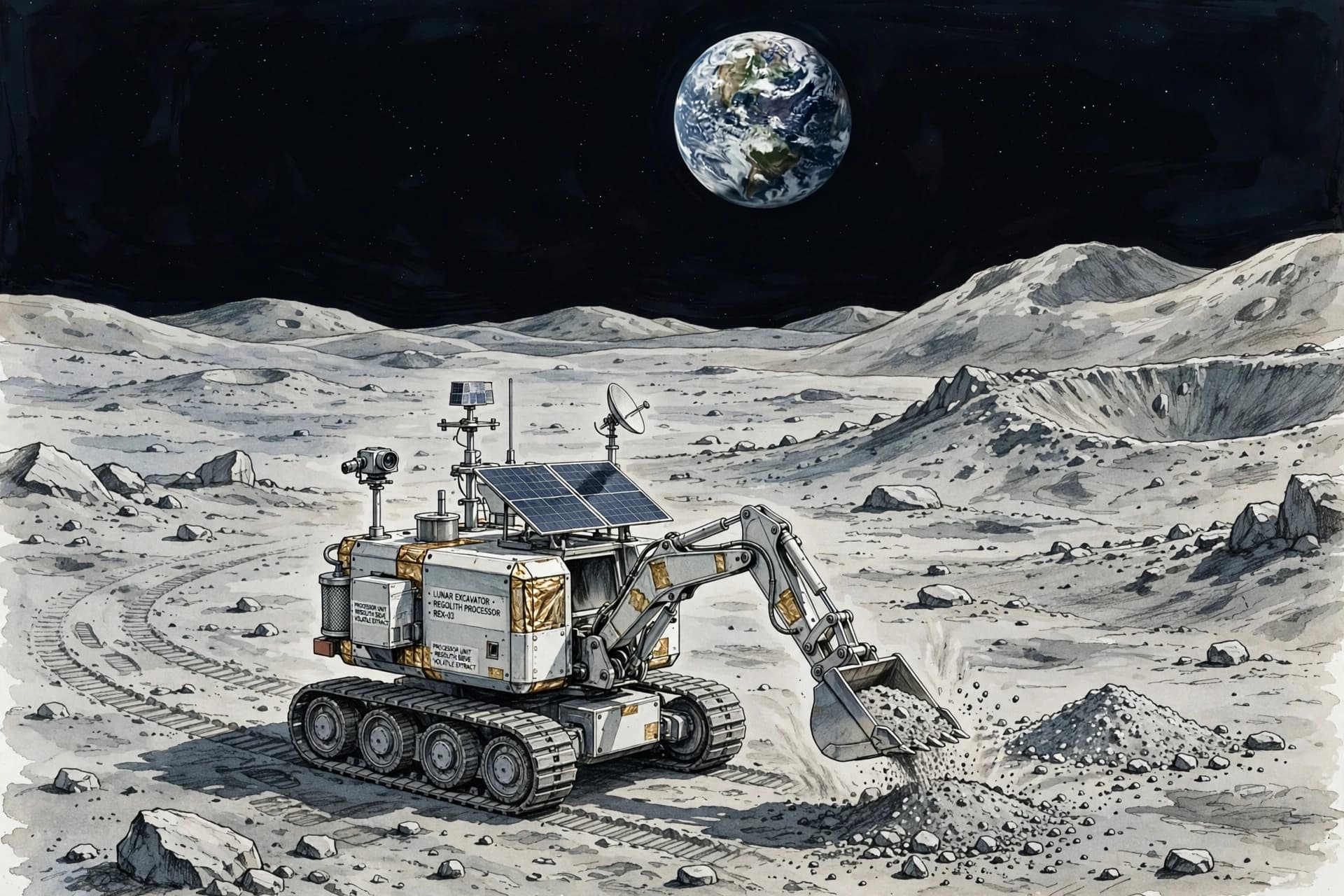
Scientists are particularly interested in regions near the lunar poles, where evidence suggests the presence of water ice. Such resources could prove valuable for future exploration, supporting both scientific research and long-duration missions.
Public interest in human spaceflight remains strong, especially as advances in technology make ambitious projects increasingly feasible. Educational institutions and research organizations often view major missions as opportunities to inspire future generations of scientists and engineers.
As preparations continue, the newly announced crew joins a tradition stretching back more than half a century. Their mission reflects both the enduring human curiosity about what lies beyond Earth and the careful, incremental work required to reach it.
AI Image Disclaimer: The visuals associated with this article are AI-generated representations and are not official NASA photographs.
Source Verification Check: Reuters, NASA, Associated Press, SpaceNews
Published by Banx Network. This article is part of the Banx decentralized media programme, powered by the BXE token on the XRP Ledger.