The universe often reveals itself through patterns. Long before a spacecraft arrives or a telescope captures detailed images, scientists frequently rely on mathematics to illuminate places that remain far beyond direct reach. A new model developed by researchers at MIT reflects this tradition, offering insights into how waves may behave on oceans found on distant planets.
The research focuses on predicting wave dynamics under environmental conditions very different from those on Earth. By incorporating factors such as gravity, atmospheric density, wind behavior, and planetary rotation, the model seeks to estimate how extraterrestrial oceans might respond to their surroundings.
Understanding wave behavior is more than an academic exercise. Waves influence climate systems, coastal environments, and the movement of energy across planetary surfaces. On Earth, they play a critical role in shaping weather patterns and ocean circulation.
Scientists believe that some exoplanets may possess vast liquid oceans. While direct observation remains challenging, evidence gathered from astronomical surveys suggests that water-rich worlds could be relatively common throughout the galaxy.
The MIT model allows researchers to simulate conditions on planets with stronger gravity, denser atmospheres, or different rotational speeds. These variables can significantly alter how waves form, travel, and dissipate energy.
Researchers say such simulations may help future missions interpret observations more accurately. If advanced telescopes detect signs of oceans on distant worlds, predictive models could provide important context for understanding what those observations mean.
The study also contributes to the broader search for habitable environments beyond Earth. Oceans are considered one of the most promising indicators of conditions that could potentially support life as scientists understand it.
Advances in computing power have enabled increasingly sophisticated planetary simulations. Modern models can integrate large amounts of environmental data, creating virtual laboratories for studying worlds that remain physically inaccessible.
As astronomers continue discovering new planets, tools like this MIT model help bridge the gap between observation and understanding. Each improvement in simulation technology offers a clearer glimpse into environments that may one day become central to humanity’s exploration of the cosmos.
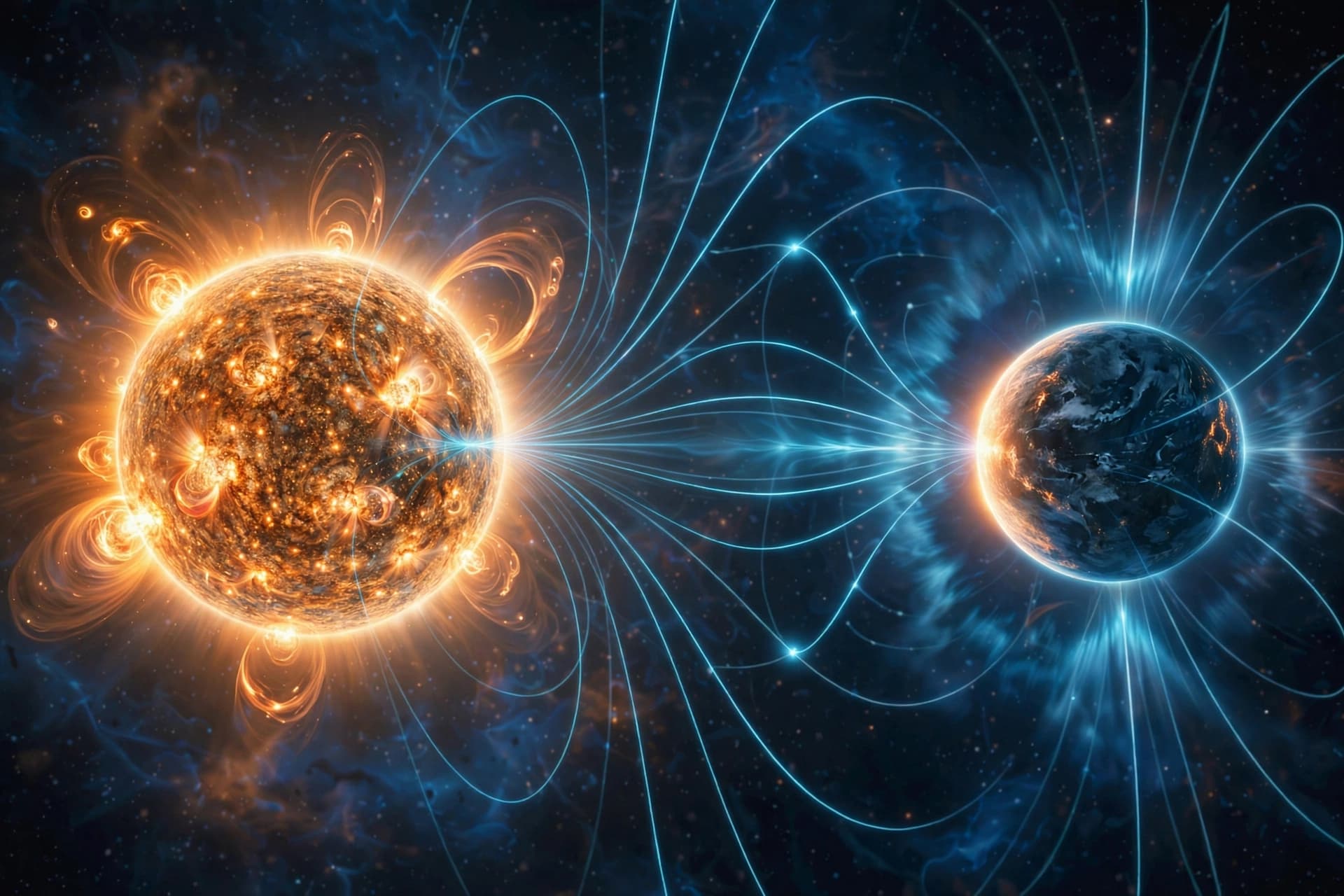
AI Image Disclaimer: The images associated with this article are AI-generated scientific visualizations intended to illustrate theoretical concepts and are not actual observations.
Sources Verification Check Verified through:
MIT News Nature Astronomy Science Magazine Reuters NASA
Published by Banx Network. This article is part of the Banx decentralized media programme, powered by the BXE token on the XRP Ledger.