Scientific progress is often measured through discoveries, but its foundations are built upon people. Researchers, educators, and innovators form a network of knowledge that grows stronger when supported and connected. In Australia, concerns about maintaining that foundation have inspired a new national conversation.
The Australian Academy of Science has launched a campaign known as "Restore Science," calling attention to the challenges facing the country's research sector. The initiative seeks greater investment and long-term support for scientific development.
Academy representatives argue that scientific research plays a critical role in national prosperity. Advances in medicine, technology, agriculture, environmental management, and industry frequently emerge from years of sustained scientific inquiry.
One concern highlighted by the campaign involves the potential loss of talented researchers to opportunities abroad. Many countries are increasing investments in science and innovation, creating intense competition for highly skilled professionals.
Supporters of the initiative emphasize that research funding often delivers benefits beyond laboratories. Scientific breakthroughs can contribute to economic growth, strengthen public services, and support evidence-based policymaking.
Universities and research institutions have faced evolving financial pressures in recent years. Leaders across the sector continue discussing how best to ensure stable career pathways for emerging scientists.
The campaign also aims to raise public awareness regarding the broader value of research. Scientific achievements are often visible through their outcomes, while the years of work behind those achievements receive less attention.
Industry organizations have echoed calls for continued investment in innovation. Many advanced technologies and commercial applications originate from research programs that began decades earlier.
As discussions continue, the Restore Science campaign underscores a central message: maintaining scientific capacity requires ongoing commitment. The discoveries of tomorrow often depend on the decisions made today.
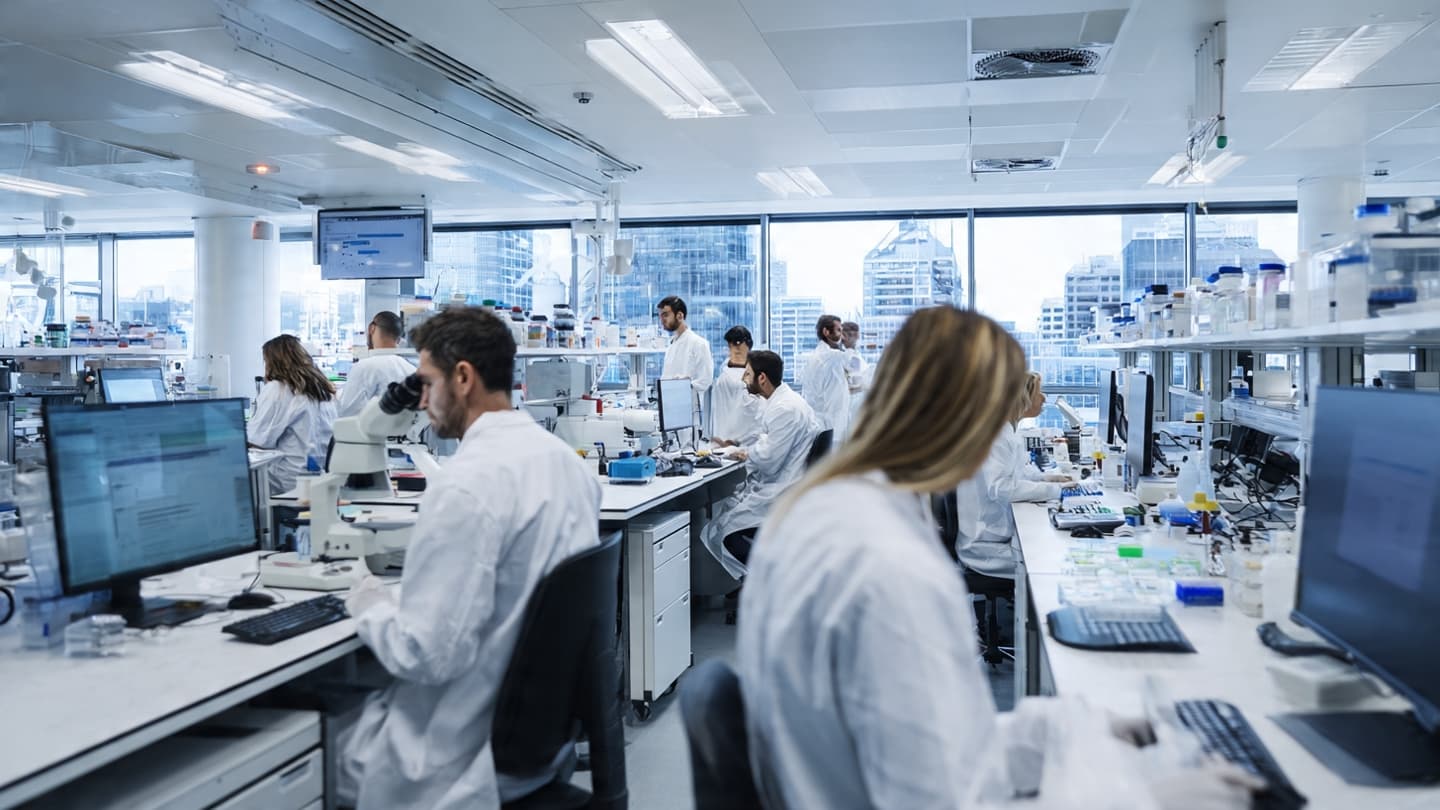
AI Image Disclaimer: The accompanying visual is AI-generated and intended solely as an artistic representation of the topic.
Sources Verified: Australian Academy of Science, Science & Technology Australia, Research Sector Publications
Published by Banx Network. This article is part of the Banx decentralized media programme, powered by the BXE token on the XRP Ledger.