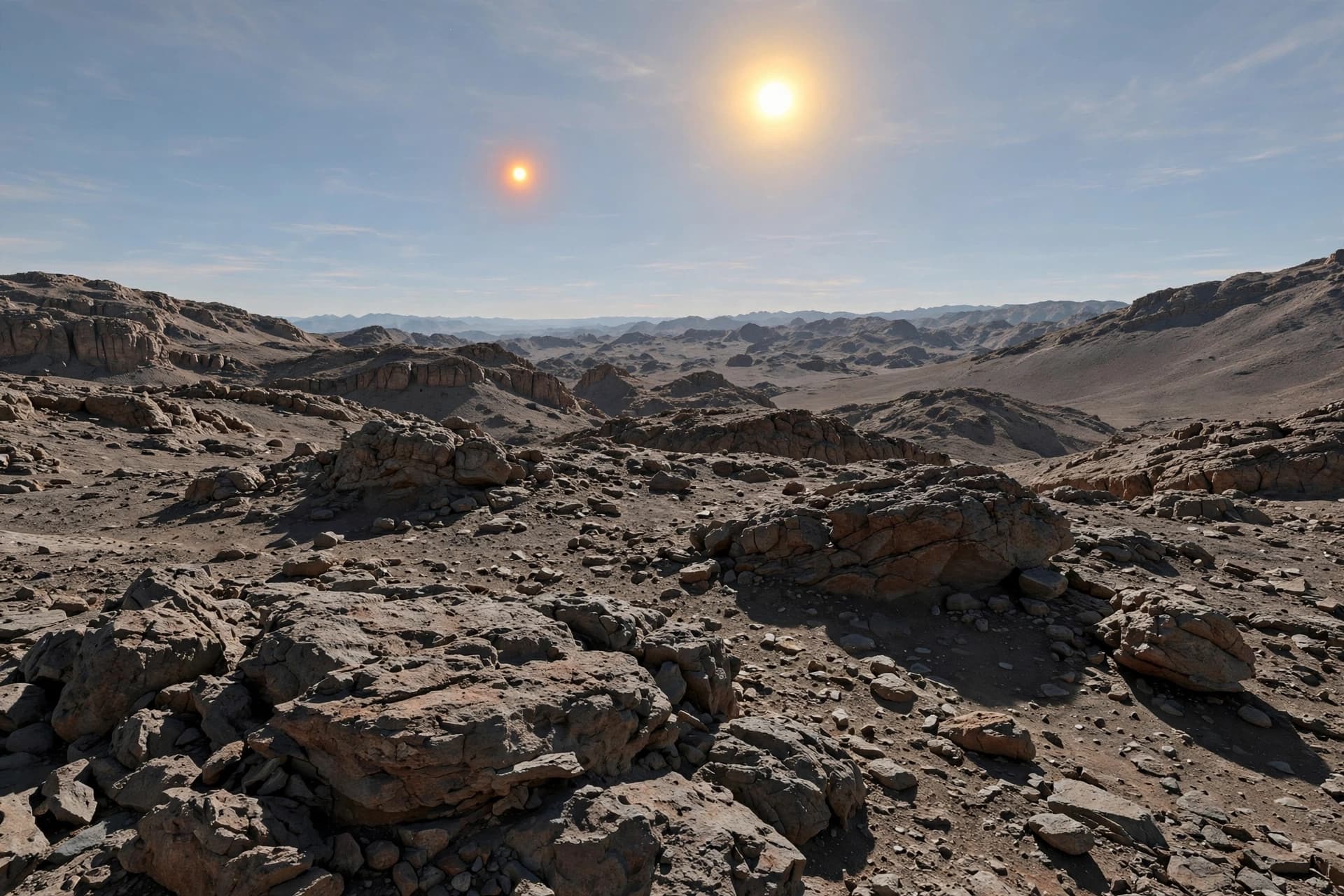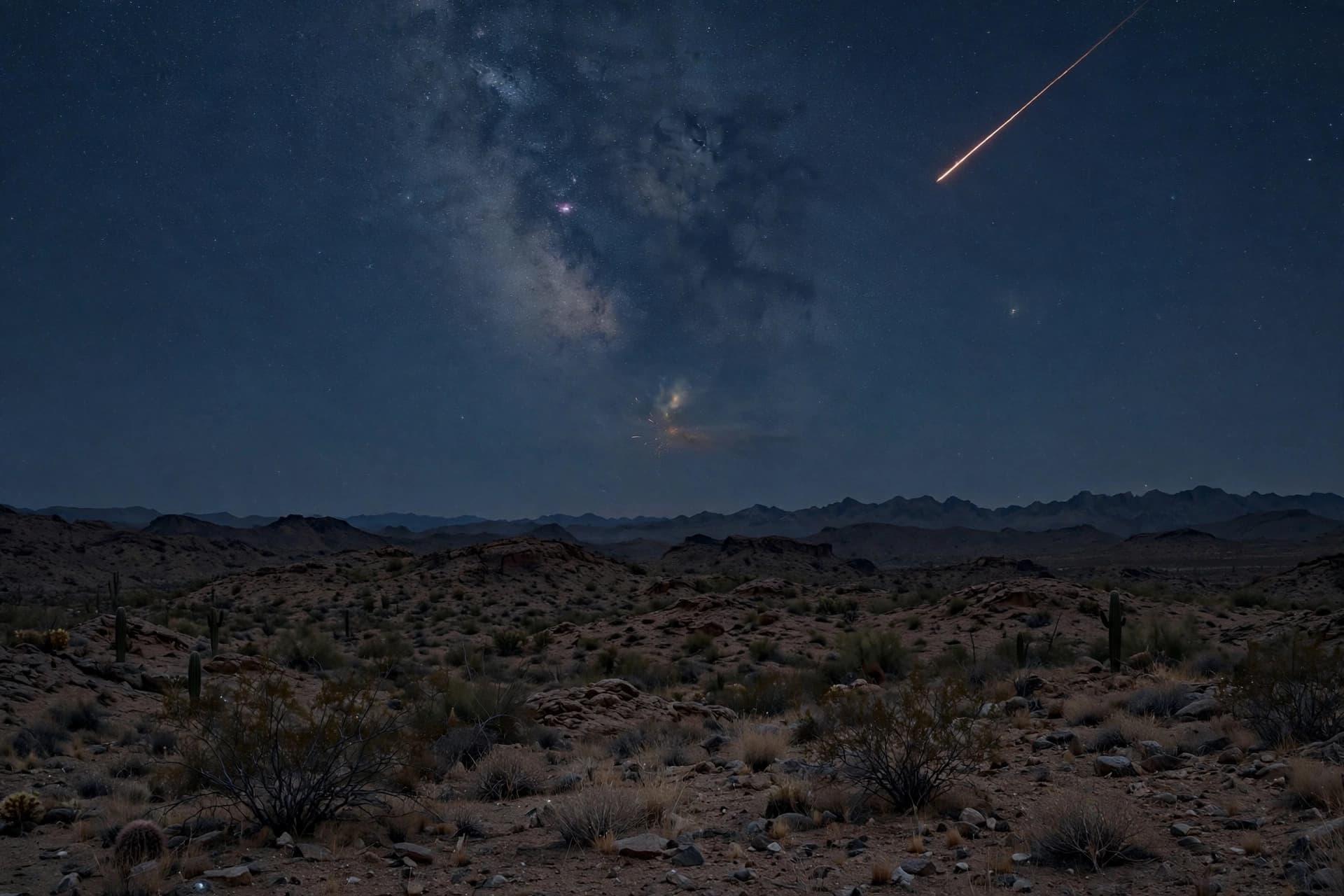
In the quiet depths of space, countless worlds drift in silence, bathed in the soft glow of distant suns. A recent study from Israeli researchers suggests that planets capable of hosting life—once considered rare curiosities—may, in fact, be far more abundant than we imagined. Each orbiting sphere is a potential cradle of chemistry, atmosphere, and perhaps even consciousness, reminding us that the universe is not as empty as it sometimes seems.
These revelations emerge from meticulous observation and complex modeling, teasing out patterns from the faint light of stars and the subtle wobbles of planetary orbits. For decades, humanity has searched the skies with a mixture of hope and humility, wondering whether our pale blue dot is unique. Now, the possibility that habitable environments may be scattered across the galaxy, hidden among the billions of stellar neighborhoods, invites a profound reconsideration of our place in the cosmos.
To imagine these worlds is to stretch the mind across unimaginable distances. Some may circle stars not unlike our own, while others trace paths around suns we have never seen. Each is a testament to the intricate mechanisms of formation and survival, shaped by forces that are both violent and delicate. The study’s findings are a gentle nudge toward wonder, reminding us that life—or the potential for it—might flourish in corners of the universe yet unseen.
As telescopes scan the night and instruments measure the subtle fingerprints of distant planets, humanity is poised on the edge of revelation. The stars above are no longer mere points of light, but beacons hinting at untold possibilities. And in contemplating these distant, perhaps habitable worlds, we are invited to reflect on the resilience of life, the scope of our curiosity, and the enduring quest to understand the universe we inhabit.
AI Image Disclaimer Visuals are AI-generated and serve as conceptual representations.
Sources Tel Aviv University research; Nature Astronomy; NASA exoplanet studies; Israeli Space Agency; Scientific journals on astrobiology.
Published by Banx Network. This article is part of the Banx decentralized media programme, powered by the BXE token on the XRP Ledger.