SCIENCE89% credibility
Seattle's Local Faults: A Growing Earthquake Risk Beneath the City
Seattle's local faults may pose a more immediate earthquake risk than the distant Cascadia Subduction Zone, according to recent geological research.
2 min read

Seattle's local faults may pose a more immediate earthquake risk than the distant Cascadia Subduction Zone, according to recent geological research.
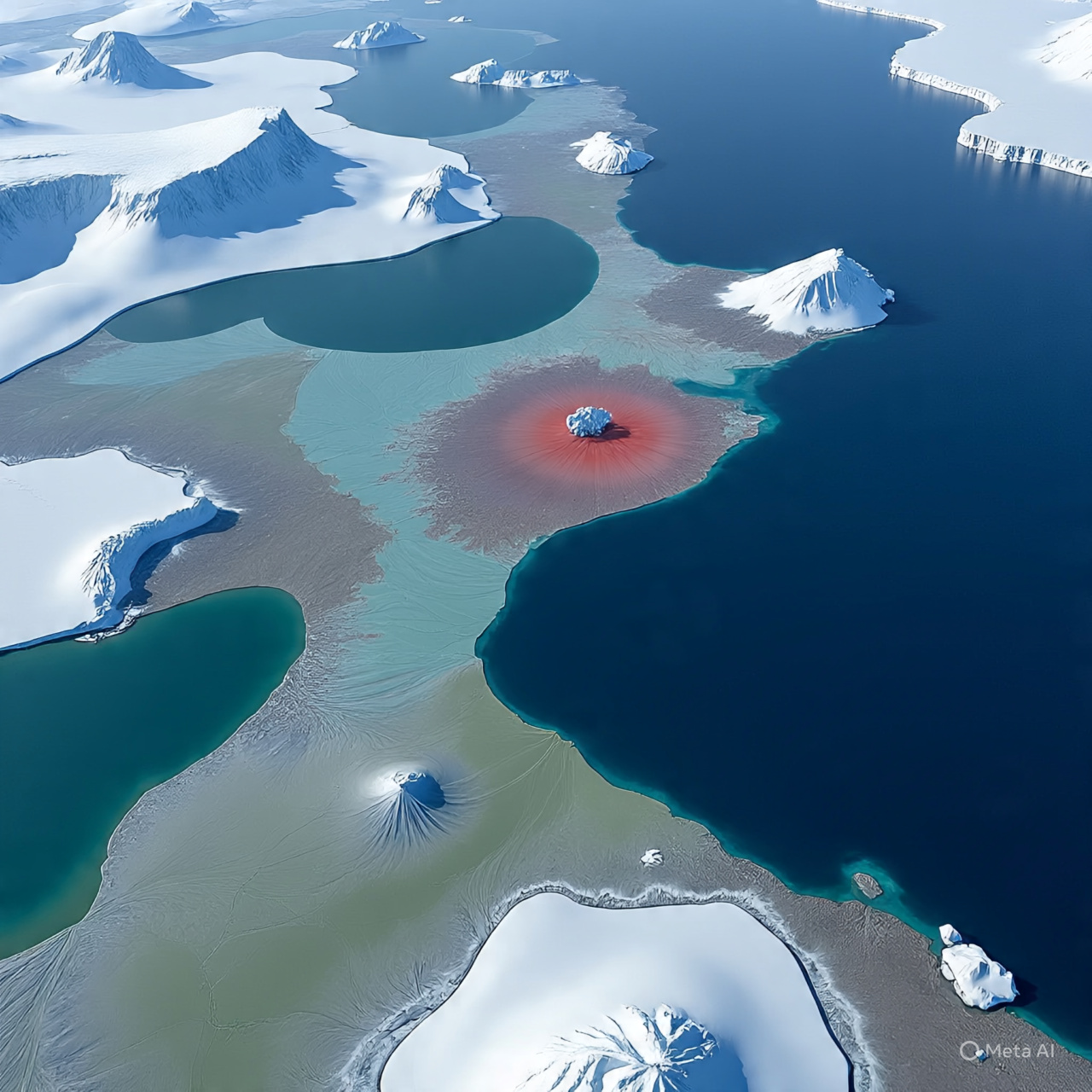
Discover how Antarctica's gravity hole has evolved over millions of years, revealing insights into Earth's climate and geological dynamics.

Researchers at UC Berkeley develop NANITE, a CRISPR system that spreads like a virus, improving gene editing efficiency and potential therapeutic applications.

Antarctica experienced a rare annular solar eclipse today, creating a stunning 'ring of fire' effect as the Moon passed between the Earth and Sun.
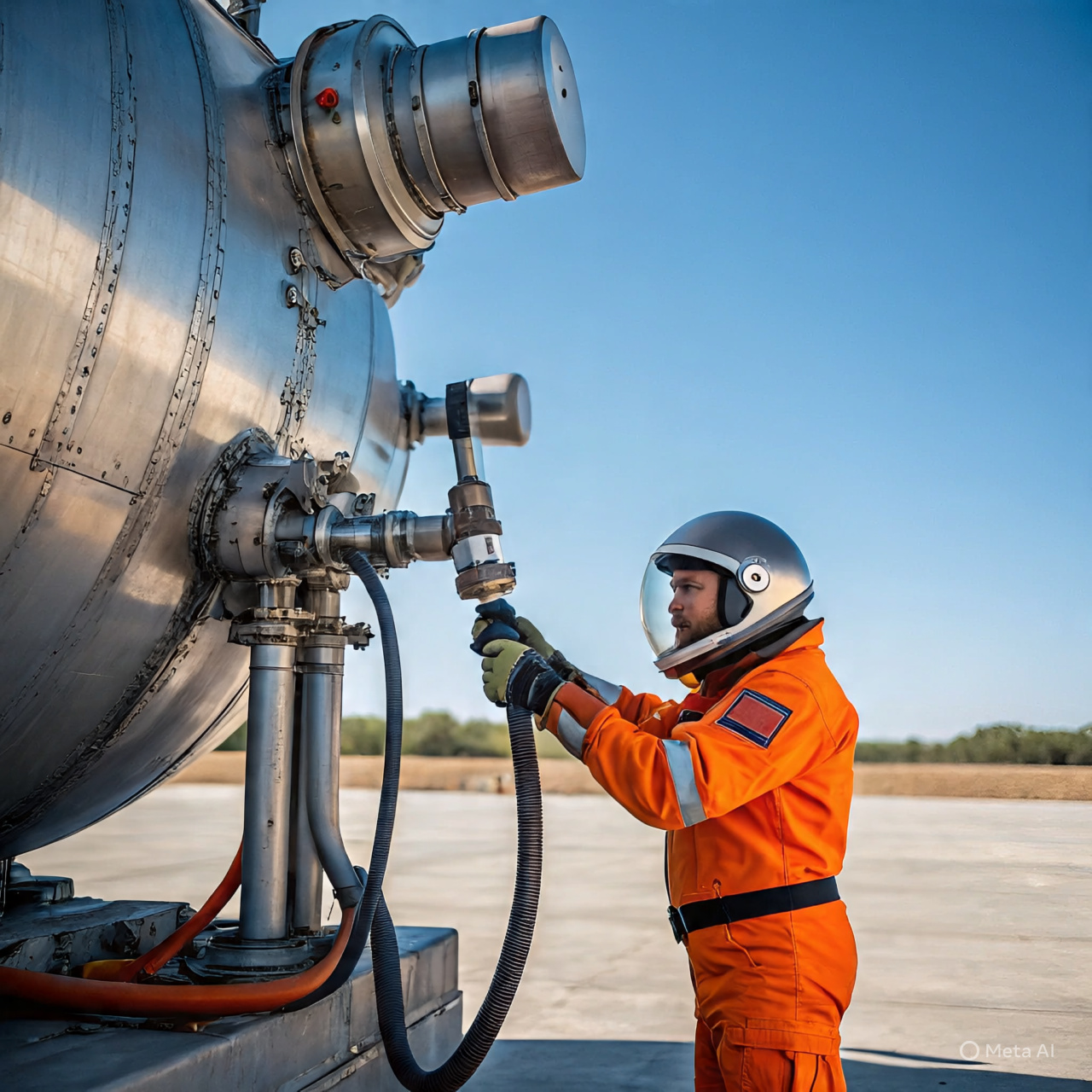
NASA prepares for Artemis II's second wet dress rehearsal on Feb. 19, testing hydrogen fueling systems crucial for the crewed lunar mission's success.
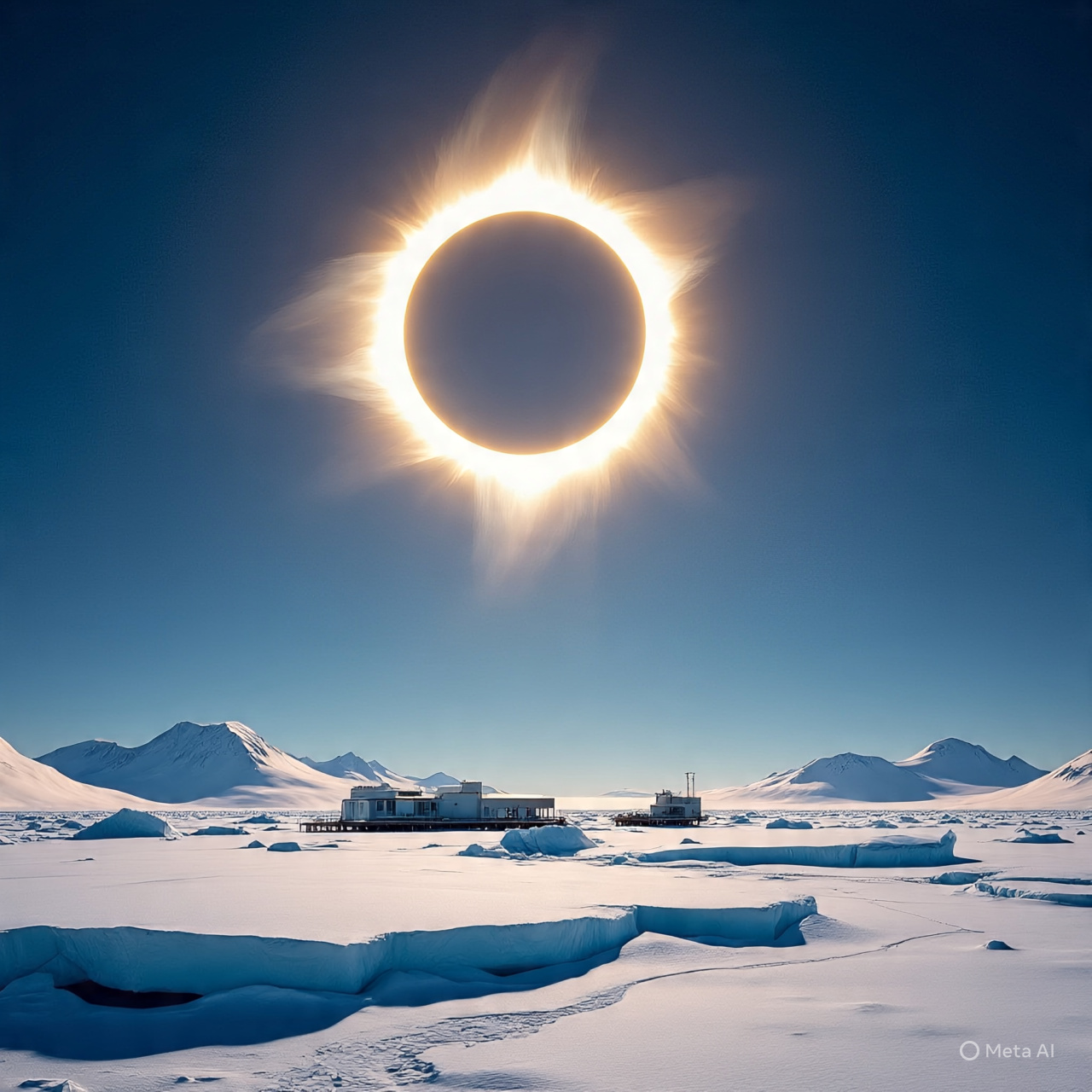
Witness the rare annular solar eclipse over Antarctica on February 17, 2026, creating a stunning 'ring of fire' visible to few observers.
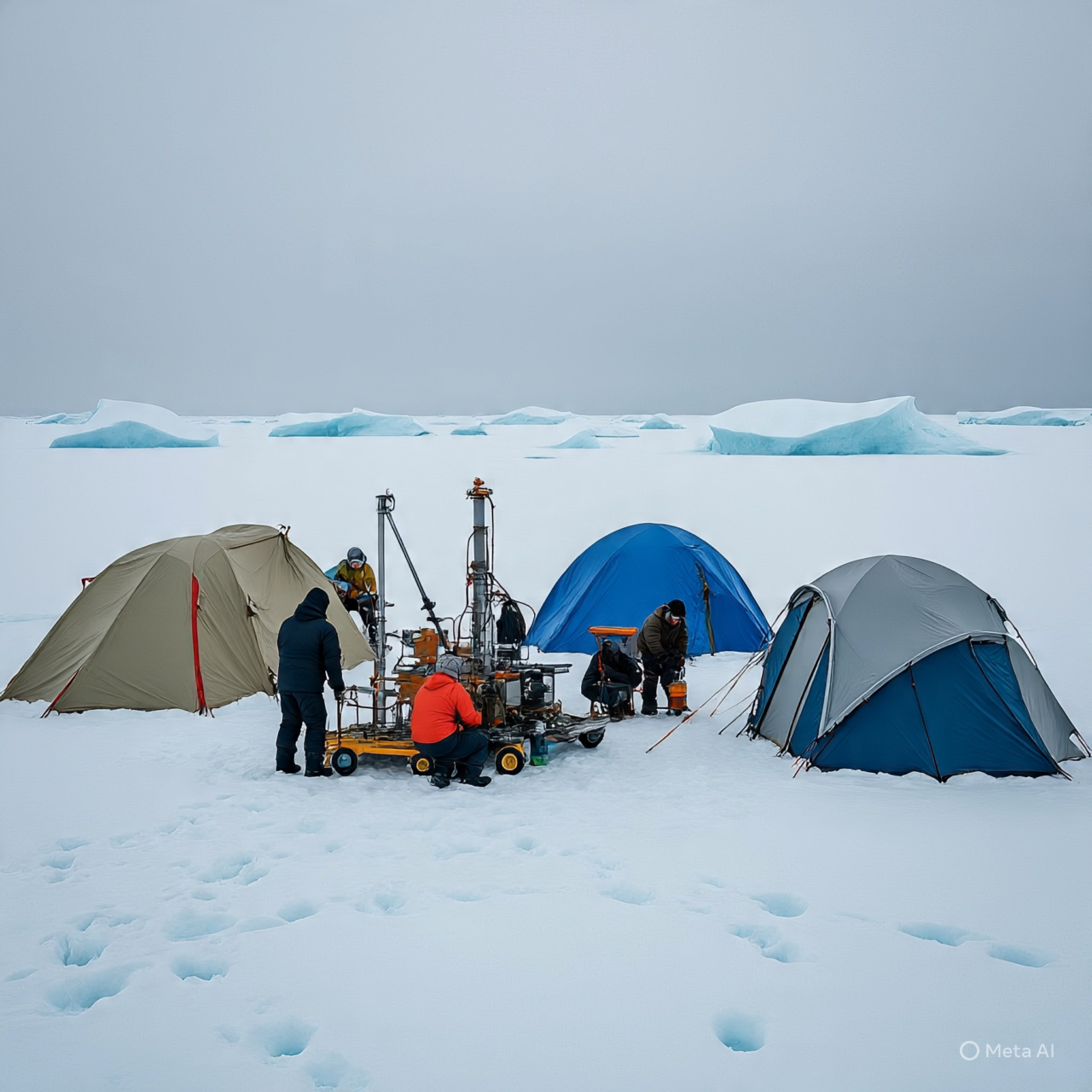
An international team has drilled a 228-meter sediment core from beneath Antarctica, revealing climate history spanning 23 million years and insights into ice sheet behavior.
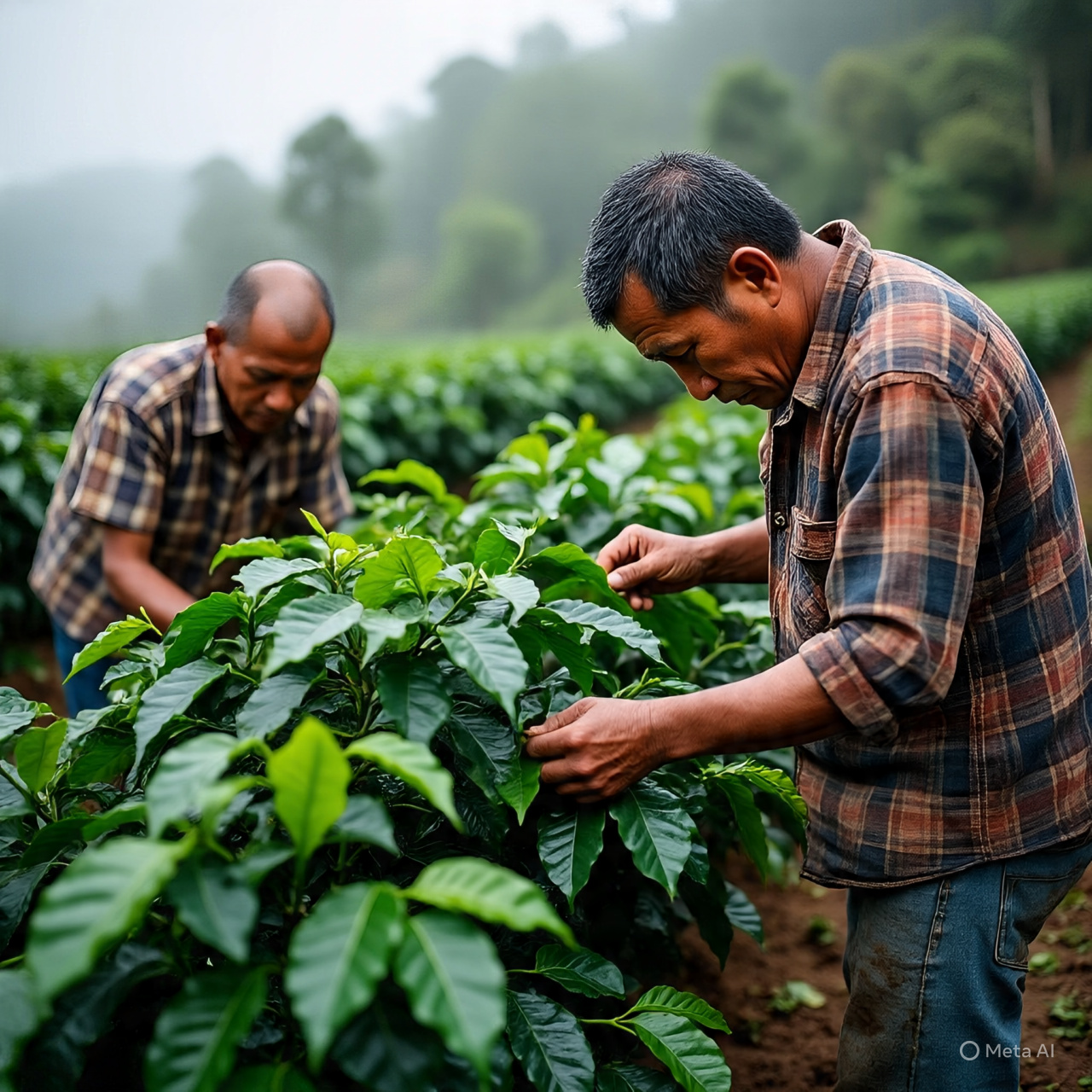
Explore how researchers are studying coffee-killing fungi and their genetic adaptations to protect crops and communities from devastating outbreaks.
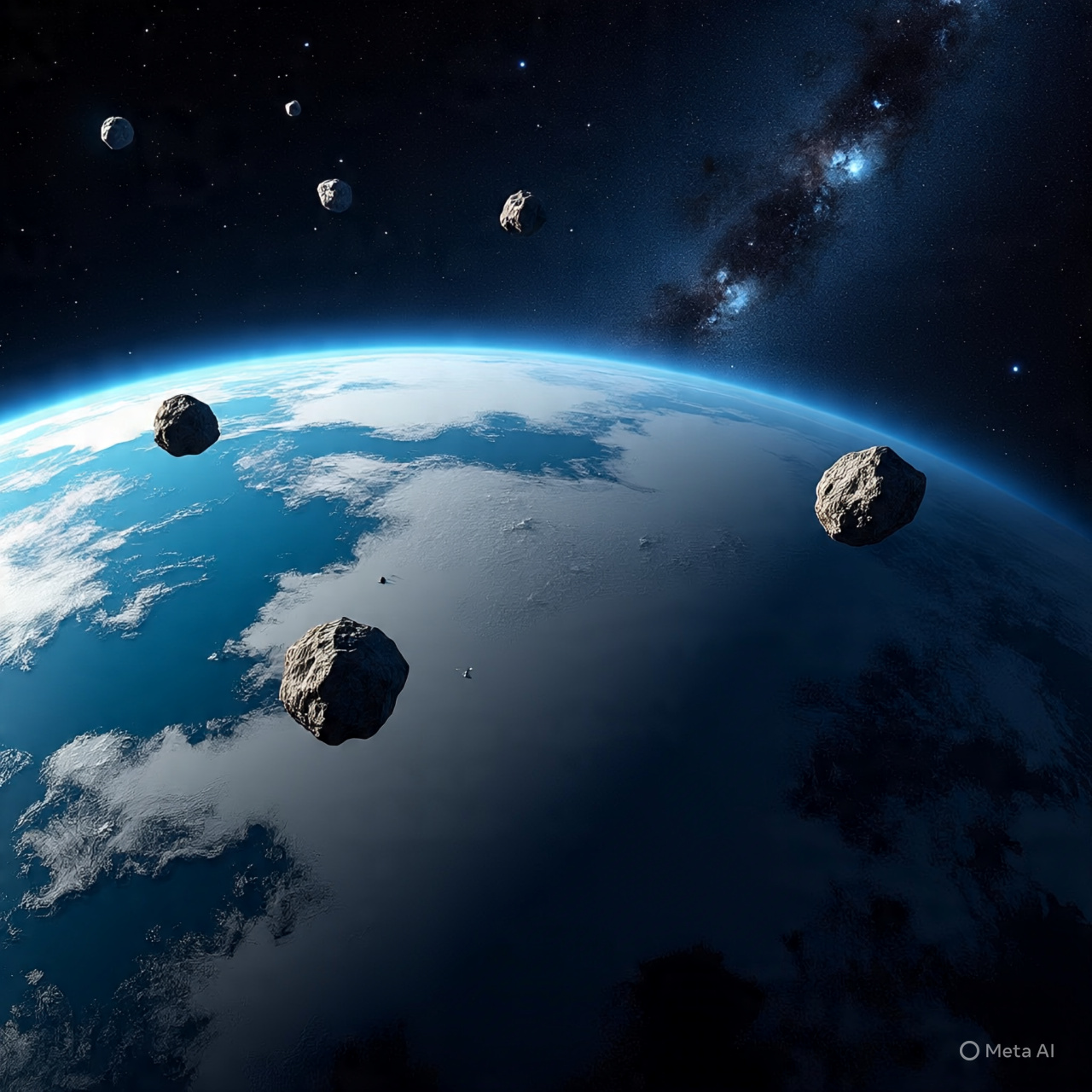
NASA reveals that up to 15,000 near-Earth asteroids remain undetected, highlighting the need for enhanced planetary defense efforts and international cooperation.
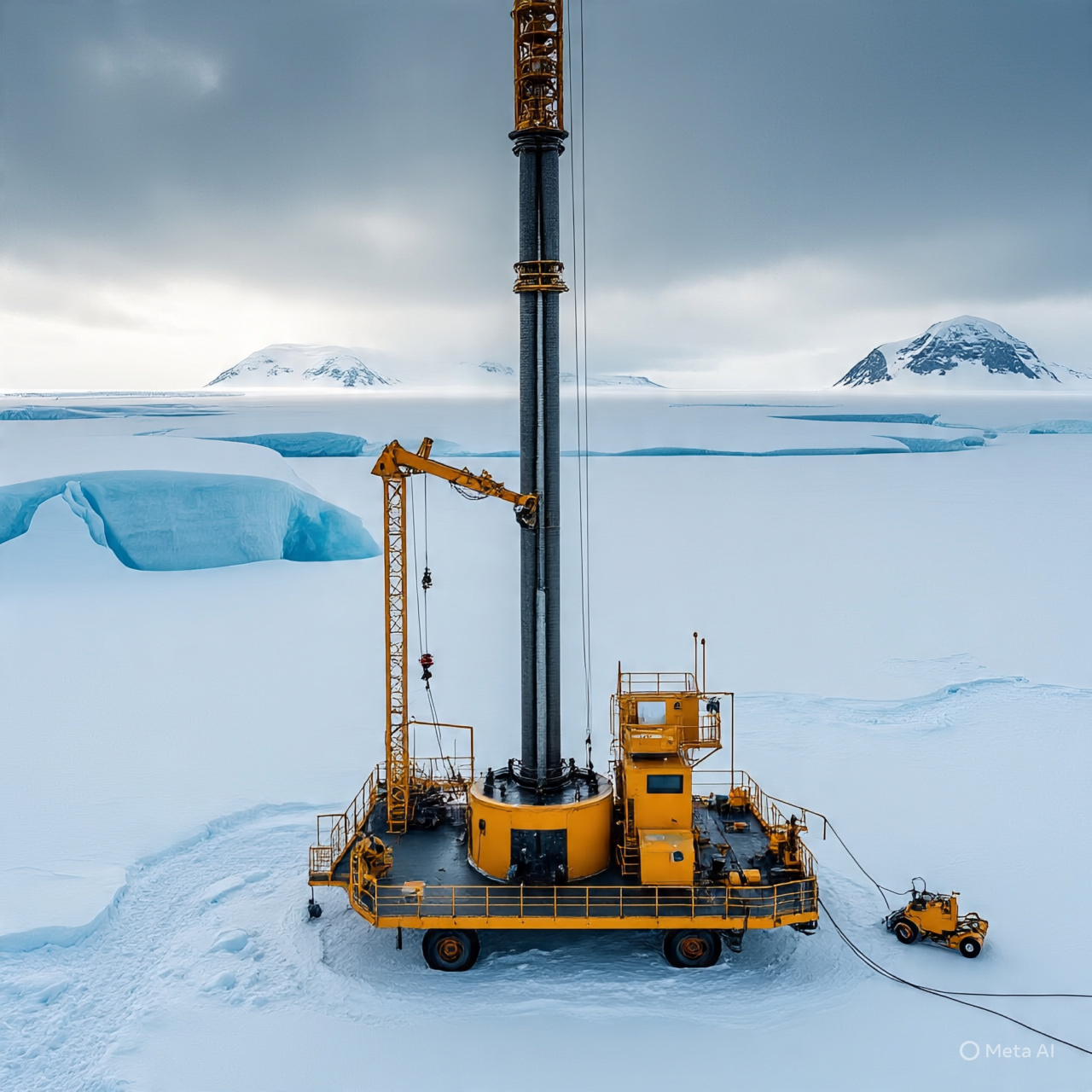
New research from sediment cores in West Antarctica reveals past ice retreat patterns, offering crucial insights into future sea level rise and climate change.
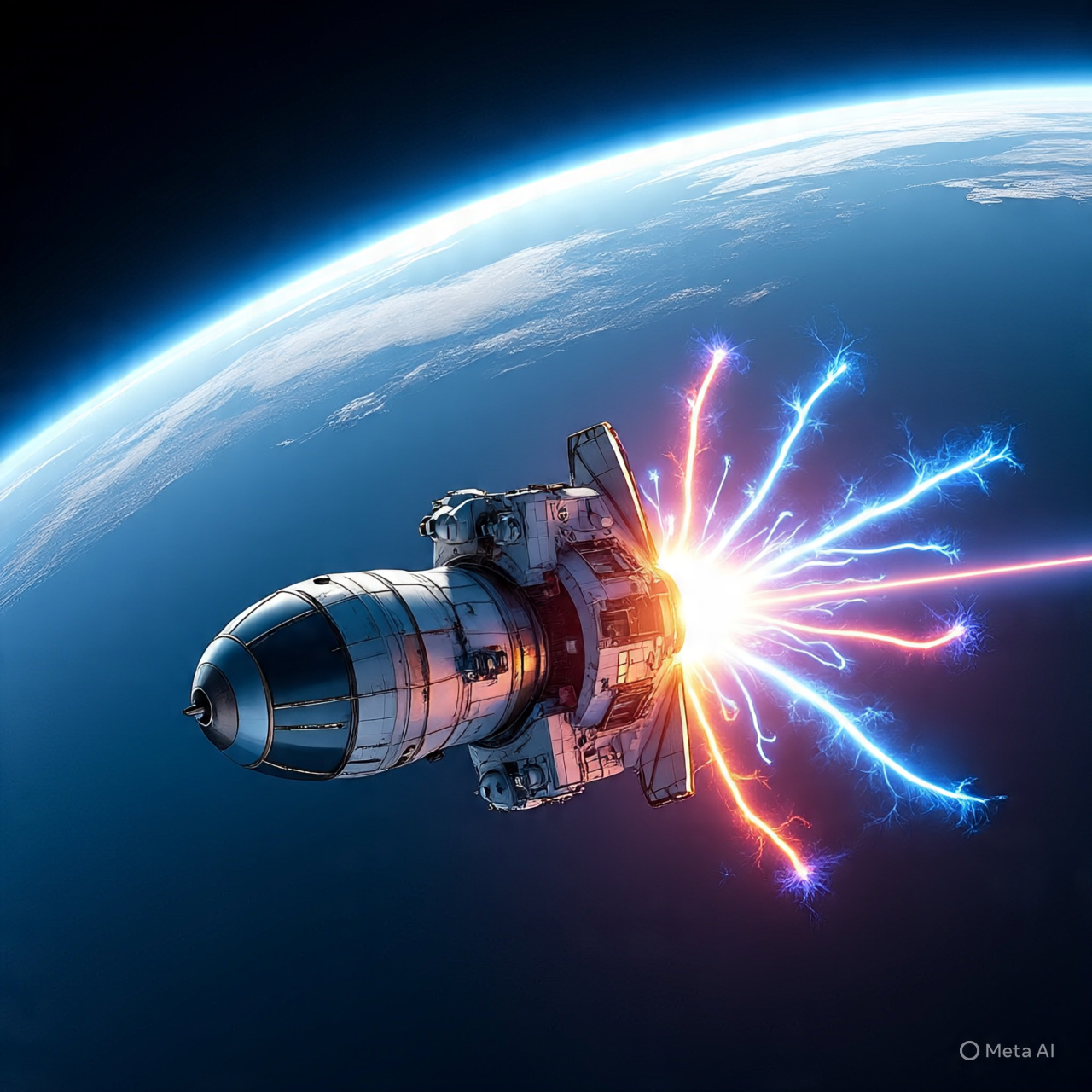
As Artemis II prepares for its crewed lunar mission, concerns about the heat shield's integrity arise. NASA assures safety measures are in place.
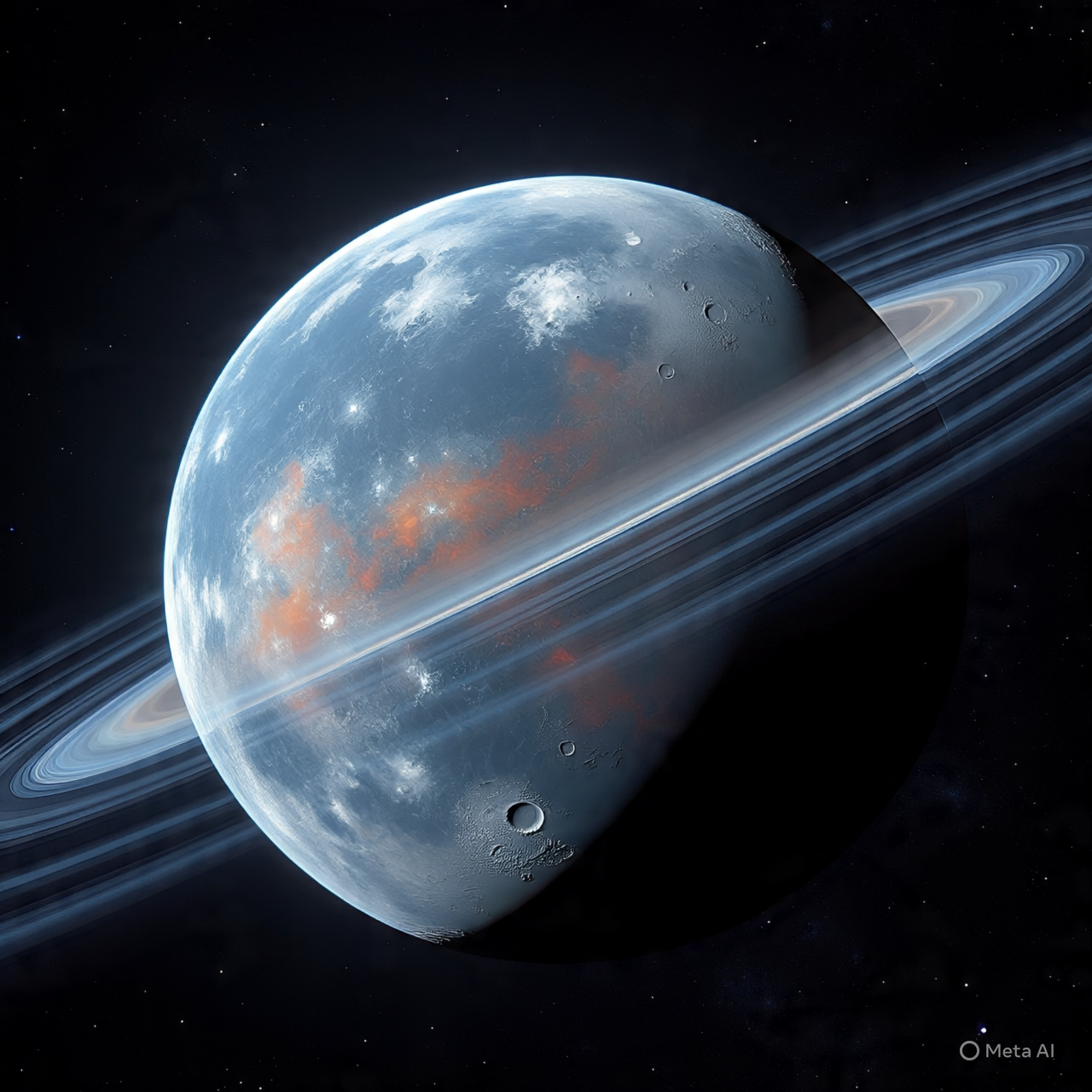
Scientists uncover a vast web of electromagnetic waves surrounding a small icy moon, reshaping our understanding of celestial interactions in the solar system.
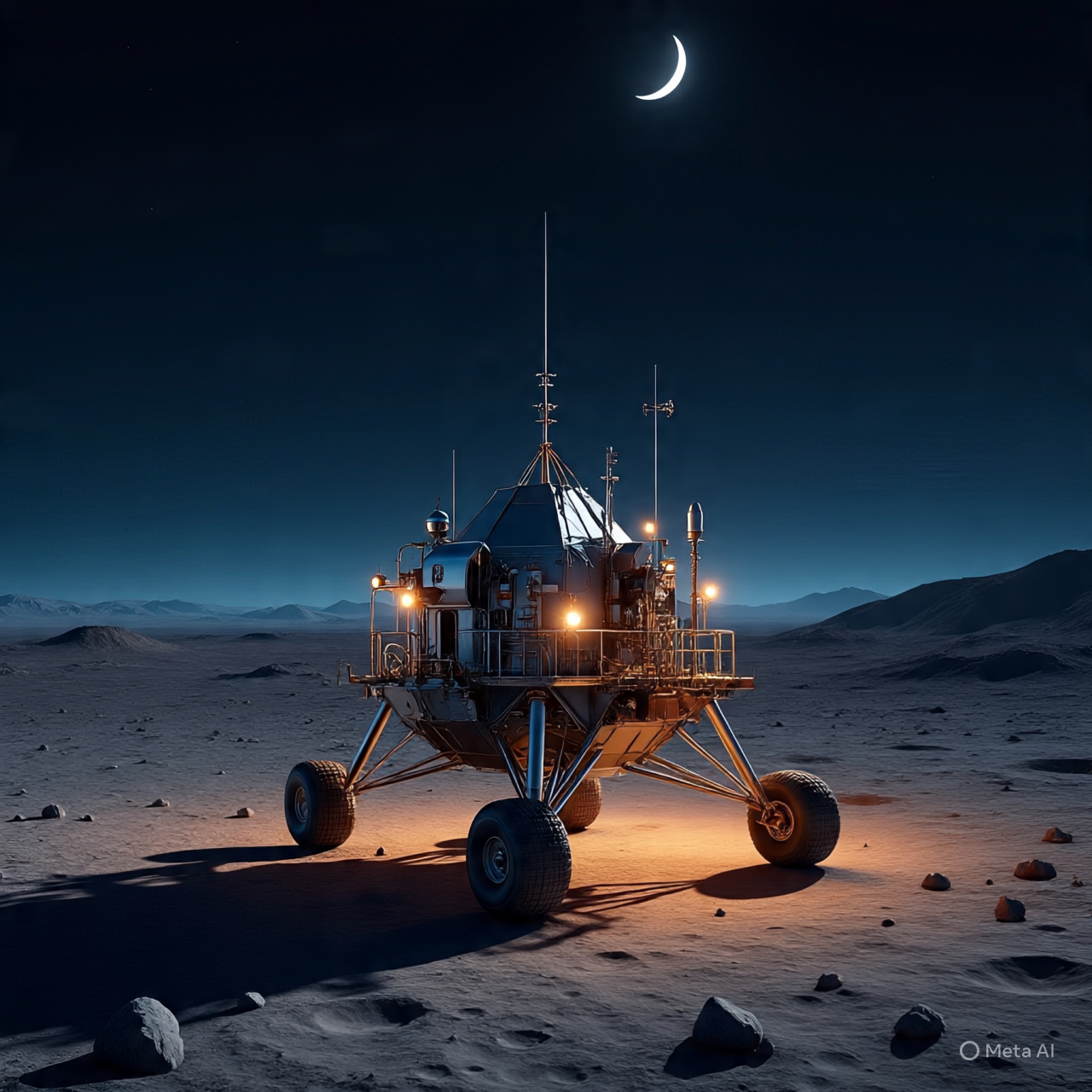
Europe's new radionuclide batteries aim to provide essential power during the Moon's long night, enhancing lunar exploration capabilities for future missions.

Innovative ocean sensors enhance monitoring of the marine carbon cycle, providing continuous data crucial for climate change understanding and modeling.

Explore how biological age impacts ovarian health and fertility, highlighting the significance of epigenetic markers and their implications for women's health.
Experts highlight the risk of undetected near-Earth asteroids, emphasizing the need for improved detection technologies and international cooperation.
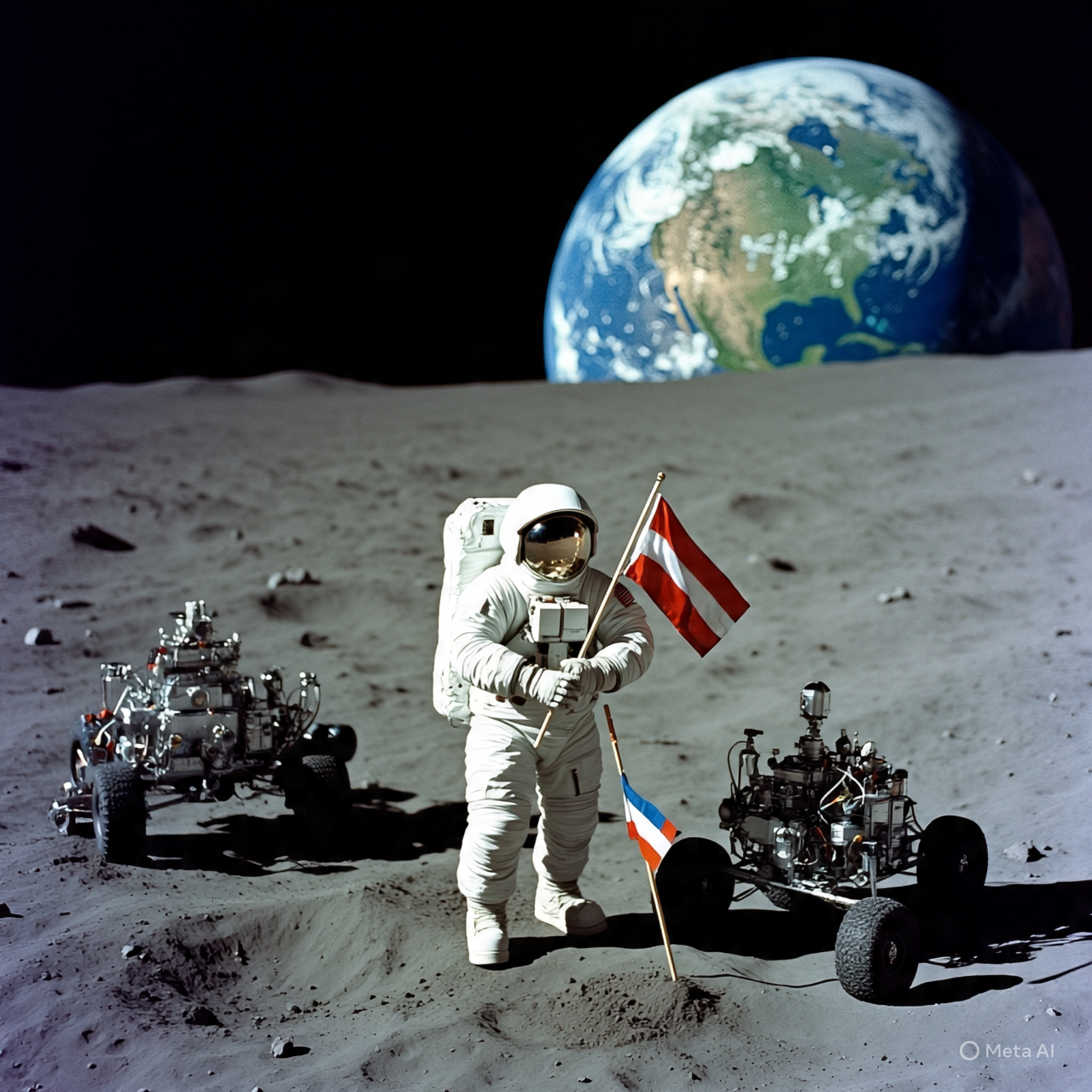
Explore the evolving landscape of space law as nations and private companies navigate governance, resource extraction, and sustainability in outer space.
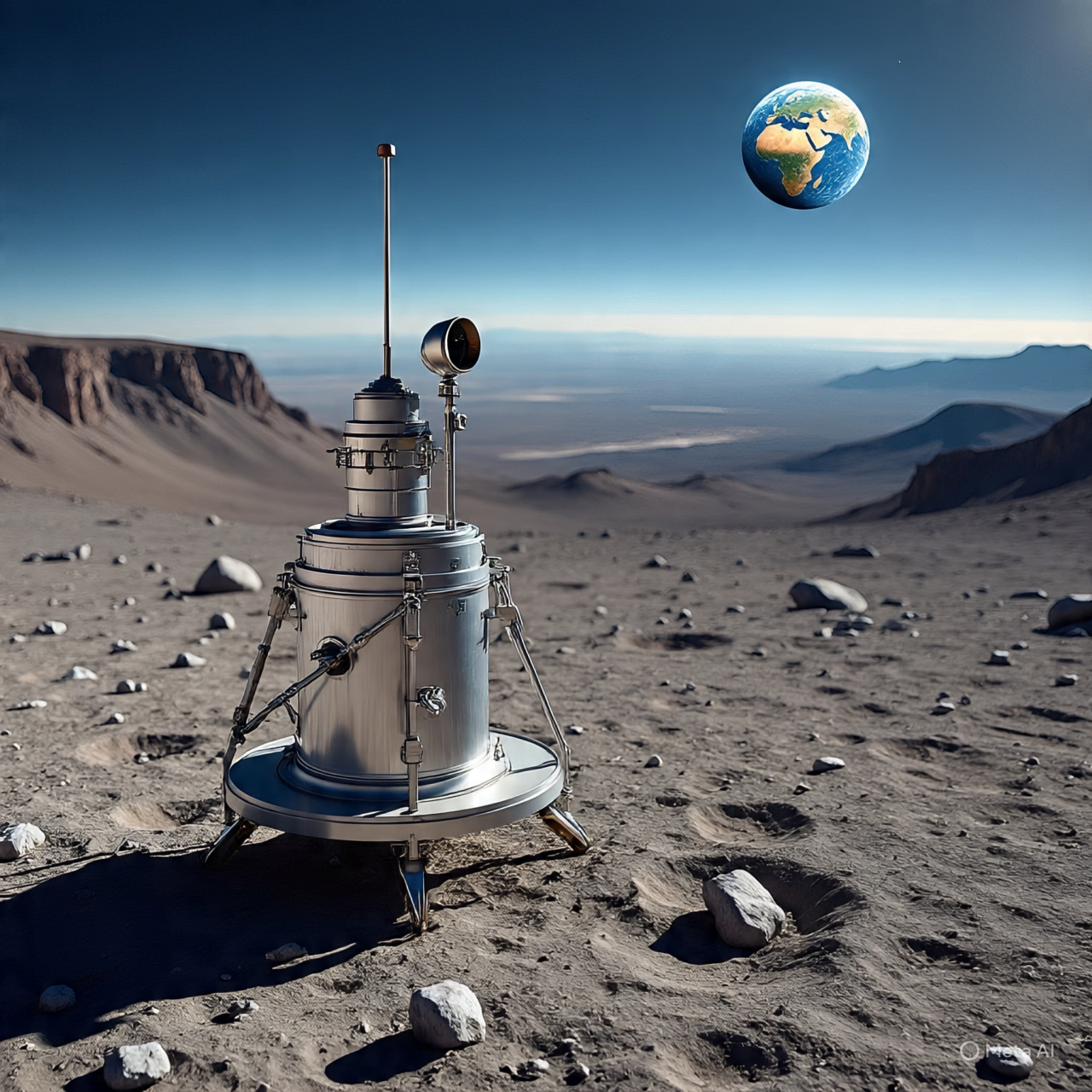
Smithsonian-affiliated research highlights evidence of recent tectonic activity on the Moon, suggesting the lunar surface may still be slowly shifting.
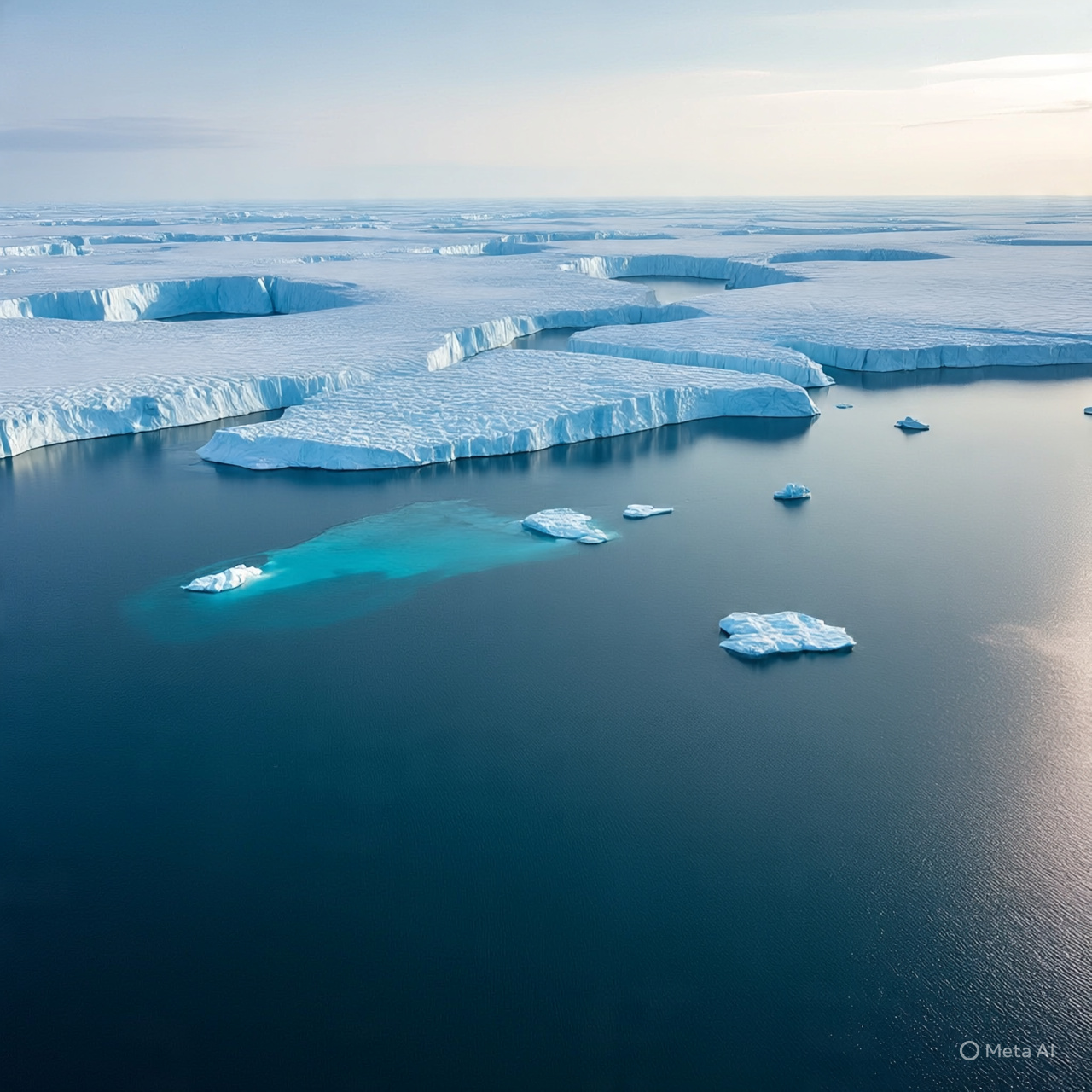
A recent sediment core from West Antarctica uncovers insights into past ice retreats, shedding light on the region's response to climate change.
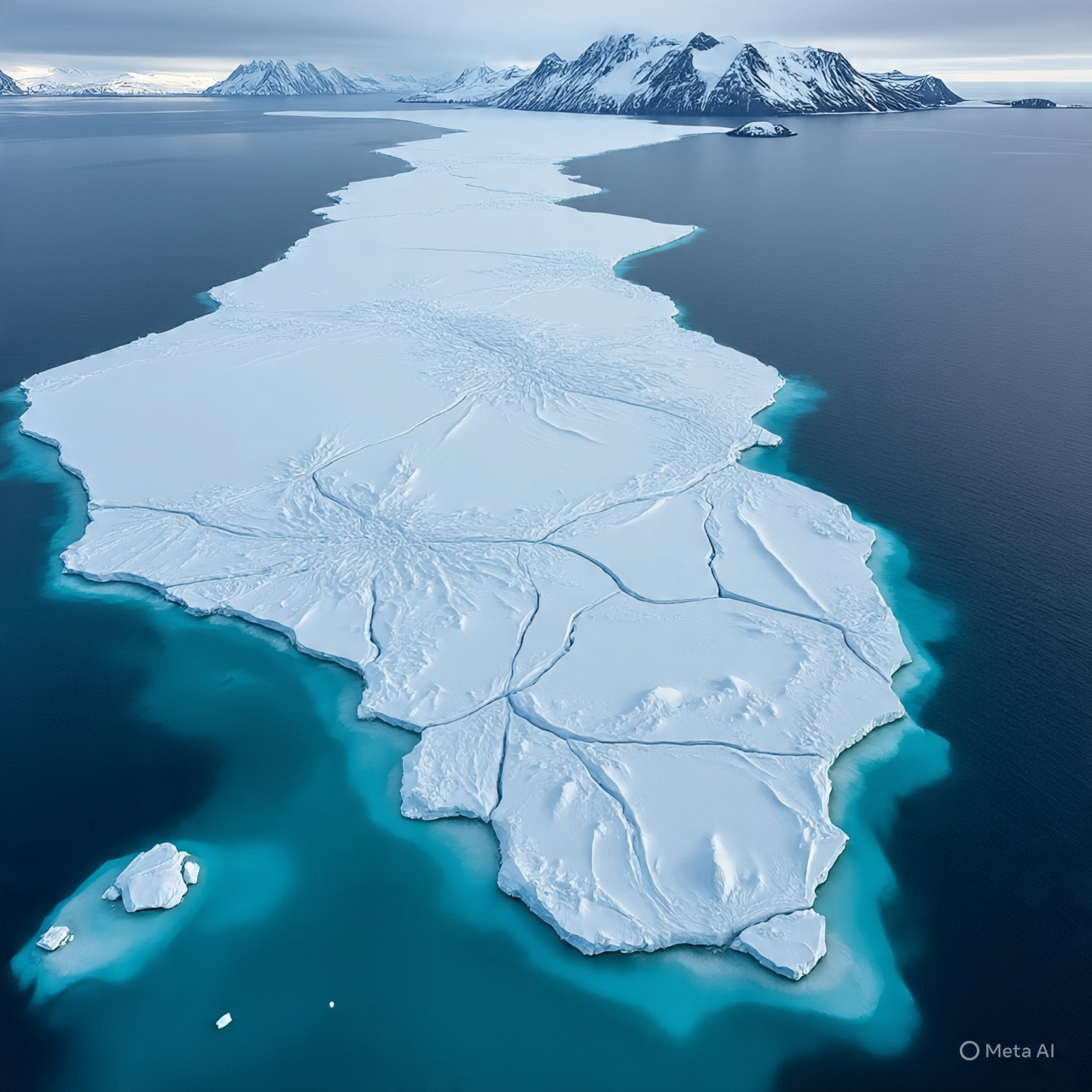
Scientists drill Antarctic ice cores, uncovering climate history and insights into greenhouse gas levels, vital for understanding future sea level rise.
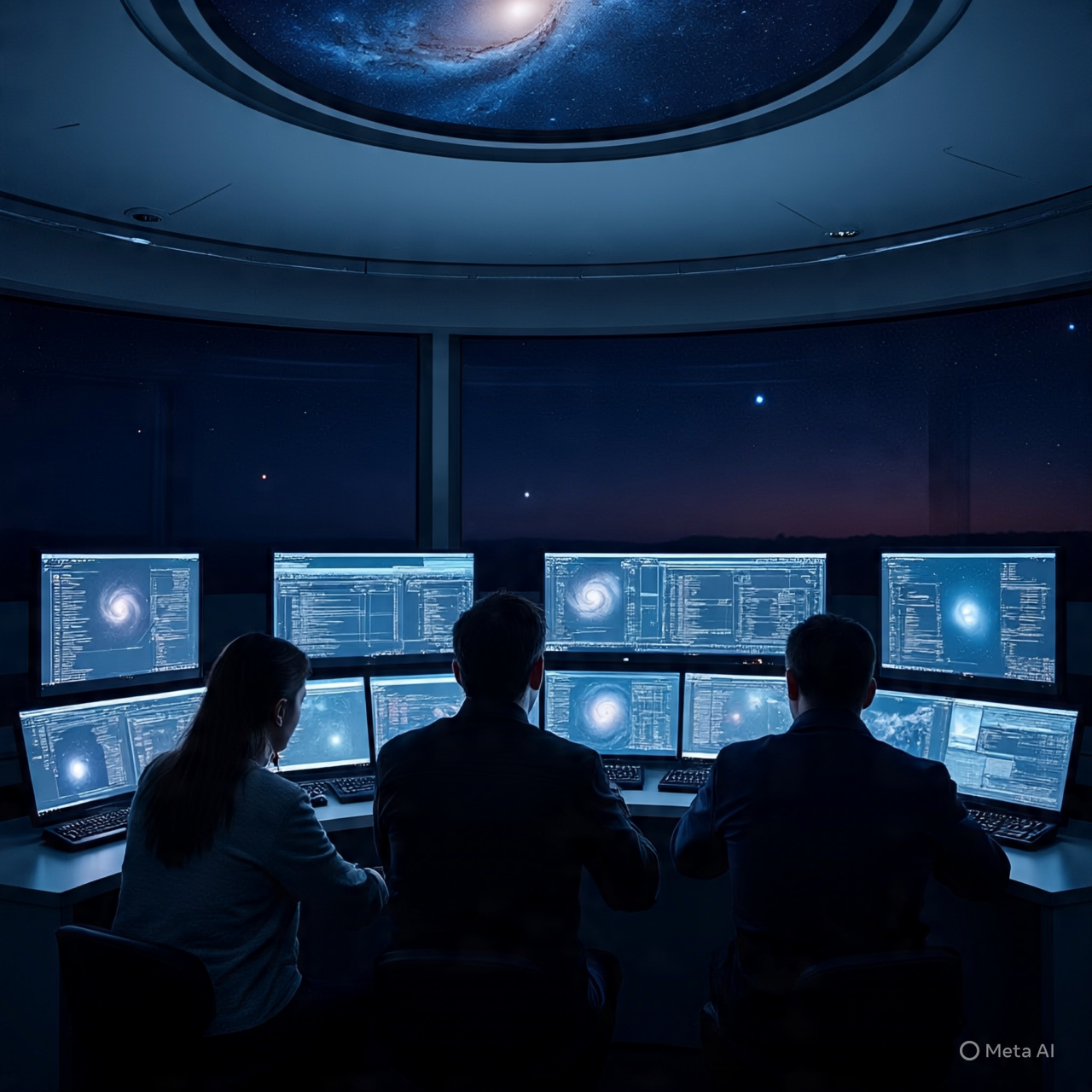
An international team of astronomers may have found a missing link in galaxy evolution, revealing transitional galaxies between star-forming and inactive types.

As NASA prepares for Artemis II, concerns about the heat shield's performance during reentry raise questions about astronaut safety and mission success.
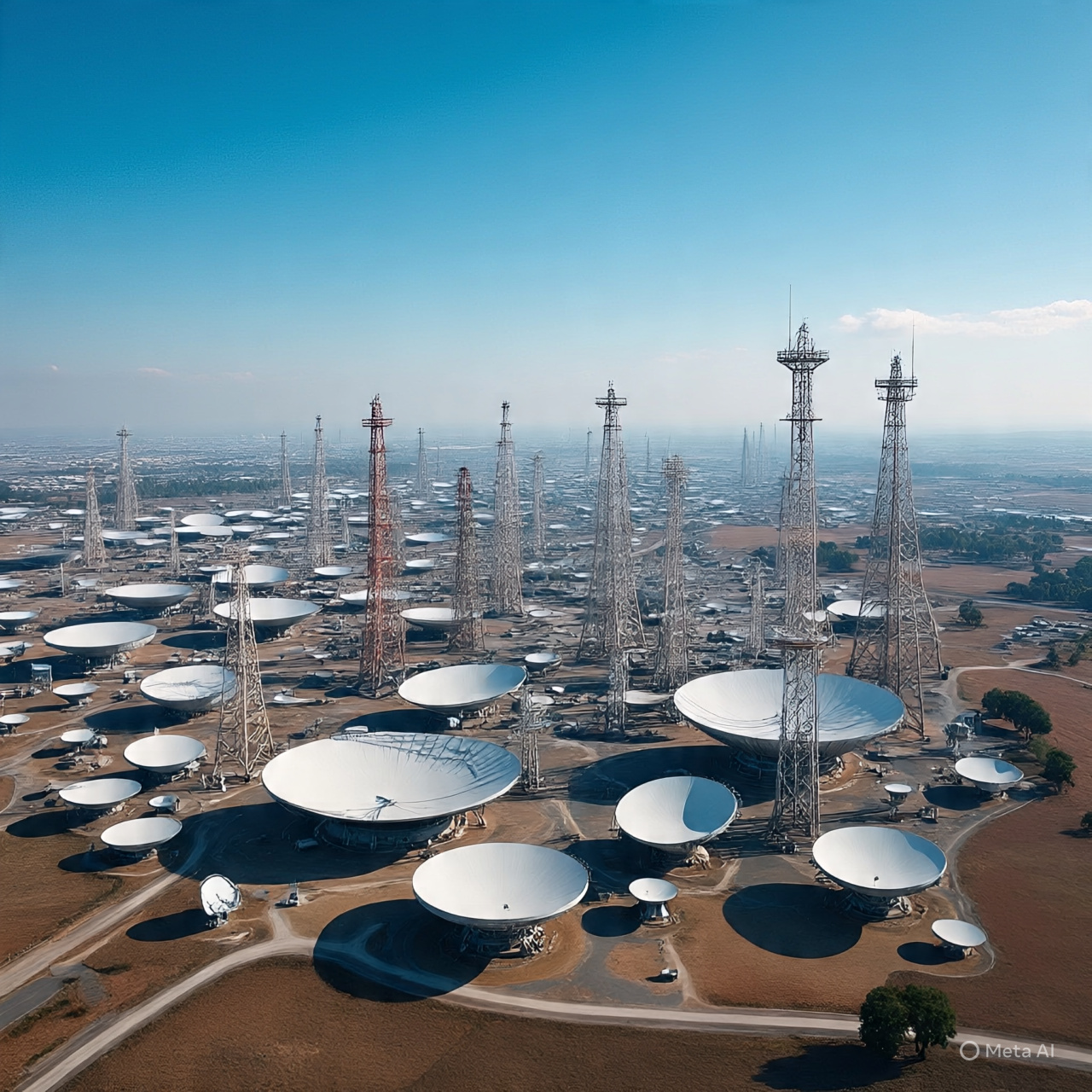
Discover Canberra's unique science attractions for children, from interactive museums to nature explorations, fostering curiosity and learning.

Explore how advancements in robotic prosthetics enhance mobility and body image, reshaping users' self-perception and emotional well-being.