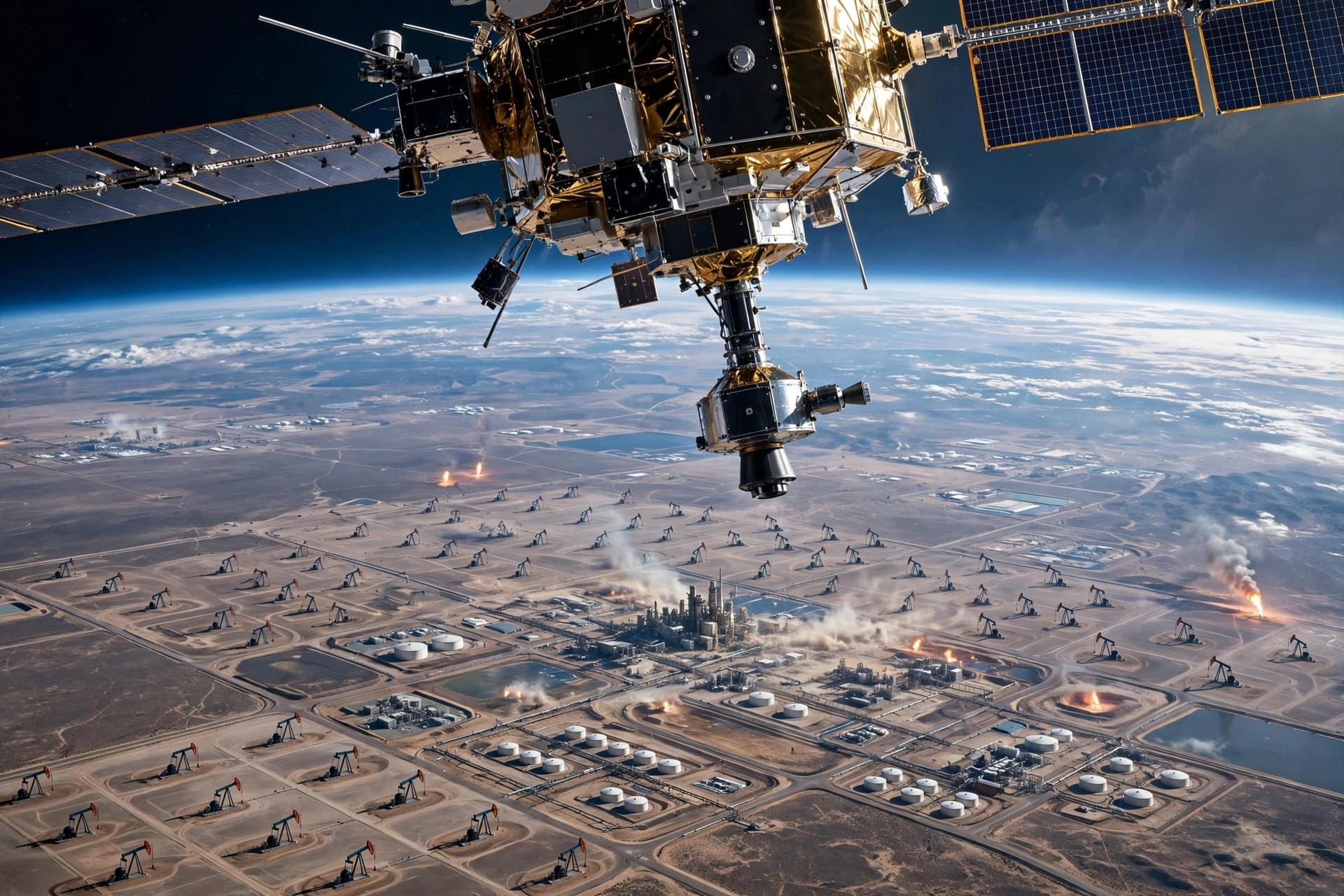
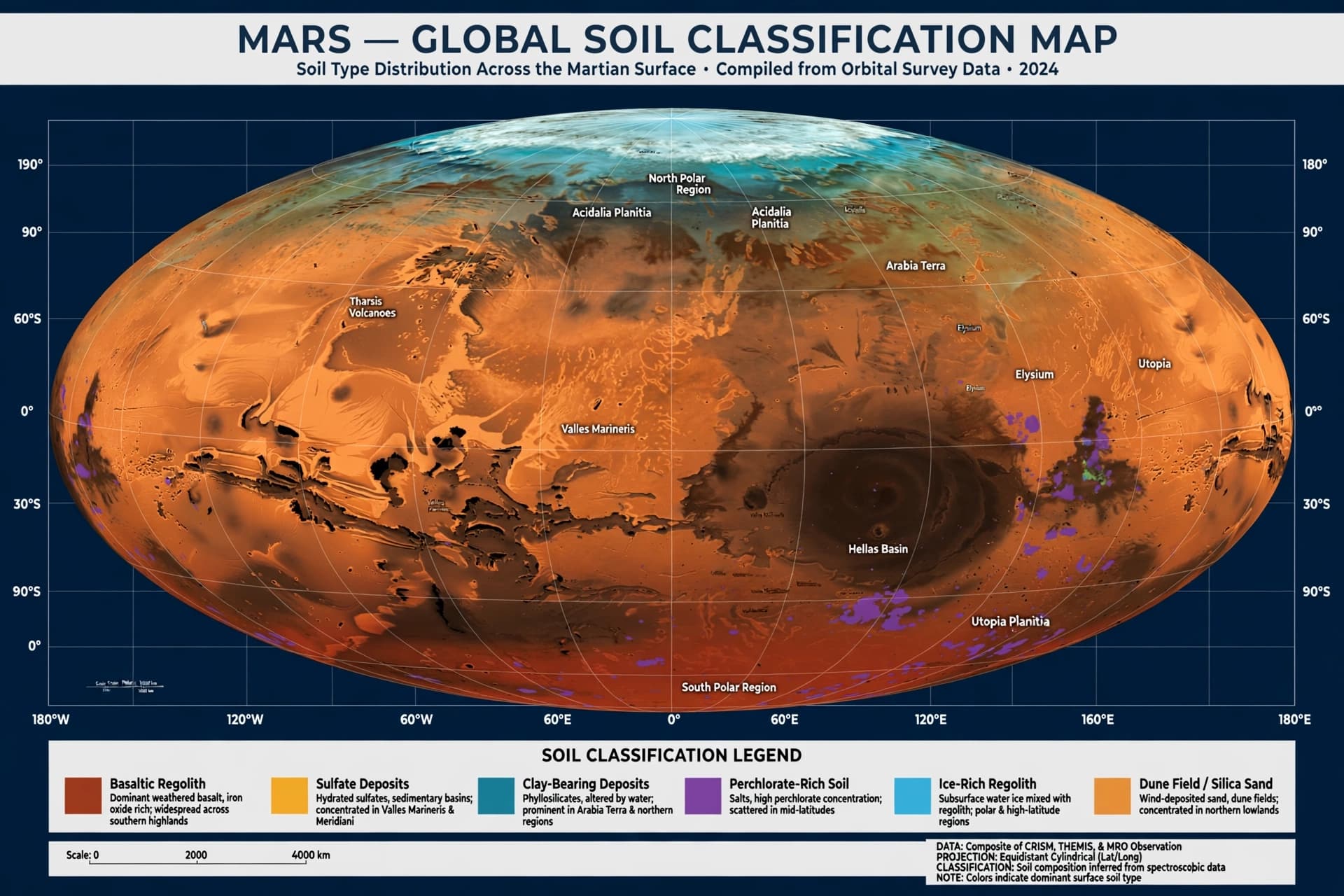
There was a time when space felt like a distant shoreline—beautiful, unreachable, belonging more to dreamers than to lawmakers. Rockets rose, flags were planted, and the sky seemed vast enough to avoid the complications of borders and treaties. Yet as humanity’s reach has extended beyond Earth’s atmosphere, the quiet vacuum has begun to echo with legal questions. Who governs orbit? Who owns the minerals of an asteroid? And how do nations share a realm that has no natural fences?
Inroads into space policy and law are no longer abstract discussions reserved for diplomats in quiet rooms. They are becoming practical necessities. The framework guiding human activity in space began in the 1960s with the , a landmark agreement that established space as the “province of all mankind.” It prohibited national sovereignty over celestial bodies and banned the placement of weapons of mass destruction in orbit. For decades, this treaty served as a foundational compass.
But the landscape has evolved. Commercial actors now launch satellites at unprecedented rates. Private companies envision lunar bases and asteroid mining. Governments outline ambitious exploration programs, including NASA’s , which seeks to return humans to the Moon and establish a sustained presence. Alongside these missions, the have emerged as a set of principles aimed at guiding international cooperation in lunar exploration.
The conversation has gently shifted from whether humanity should operate in space to how it should do so responsibly. Orbital congestion, for instance, is no longer theoretical. Thousands of satellites circle Earth, supporting communication, navigation, and climate monitoring. Yet they also contribute to the growing concern over space debris—fragments that can damage active spacecraft and create cascading risks. Policymakers are working to refine debris mitigation guidelines and promote sustainable orbital practices.
Questions of resource extraction present another frontier. While the Outer Space Treaty forbids national appropriation of celestial bodies, it does not explicitly prohibit the use of space resources. Some nations have passed domestic legislation allowing companies to claim ownership of materials they extract, sparking debate over interpretation and fairness. The discussion remains measured but significant, as it touches on equity, access, and the shared nature of outer space.
Security considerations also play a role. As satellites become integral to modern infrastructure—from financial systems to emergency response—protecting them becomes a matter of national and international stability. Efforts at the have explored norms of responsible behavior in space, seeking to reduce misunderstandings and prevent escalation.
The evolution of space law is not a sudden rewrite but a gradual layering. New agreements build upon older treaties; national policies interact with international norms. Legal scholars, diplomats, scientists, and industry leaders increasingly collaborate, recognizing that exploration without governance can lead to uncertainty.
There is a certain humility in this process. Space, once approached with a spirit of conquest, is now discussed in terms of stewardship. The vocabulary has softened—from dominance to sustainability, from competition to coordination. While tensions and differing interpretations remain, the broader effort reflects an understanding that outer space, though vast, is not immune to the consequences of human action.
In recent years, additional working groups and bilateral agreements have continued to refine these principles. Negotiations remain ongoing, and no single framework resolves every emerging question. Yet the direction is clear: policy is steadily catching up with ambition.
As nations and private actors press forward with lunar missions, satellite constellations, and deep-space probes, the legal architecture surrounding them continues to take shape. The work may not be as dramatic as a rocket launch, but it is equally essential. In the quiet drafting of treaties and guidelines, humanity defines not only how it explores space—but how it shares it.
AI Image Disclaimer
Graphics are AI-generated and intended for representation, not reality.
SOURCE CHECK
Credible coverage found in:
Reuters BBC The New York Times The Washington Post SpaceNews
Published by Banx Network. This article is part of the Banx decentralized media programme, powered by the BXE token on the XRP Ledger.