In the quiet hum of everyday life, the ground beneath Seattle feels stable and familiar — the city’s streets, waterfront, and skyline perched comfortably above Puget Sound. Yet beneath that calm surface lies a web of geological forces, some well‑known and others only recently better understood. While the looming threat of a massive Cascadia Subduction Zone earthquake has long captured public attention, scientists now say that the most immediate seismic threat may be much closer to home: within the city itself. ([turn0news0])
For decades, the Cascadia Subduction Zone — a massive fault offshore where the Juan de Fuca Plate slips beneath the North American Plate — has ranked among the Pacific Northwest’s most fearsome seismic hazards, capable of unleashing a “megathrust” earthquake of magnitude 9 or higher. Such an event would produce sustained shaking across the region and potentially devastating tsunami waves along the coast. But because that fault lies roughly 70–100 miles offshore, its shaking would somewhat diminish by the time it reaches Seattle’s urban core. ([turn0search10]; [turn0search42])
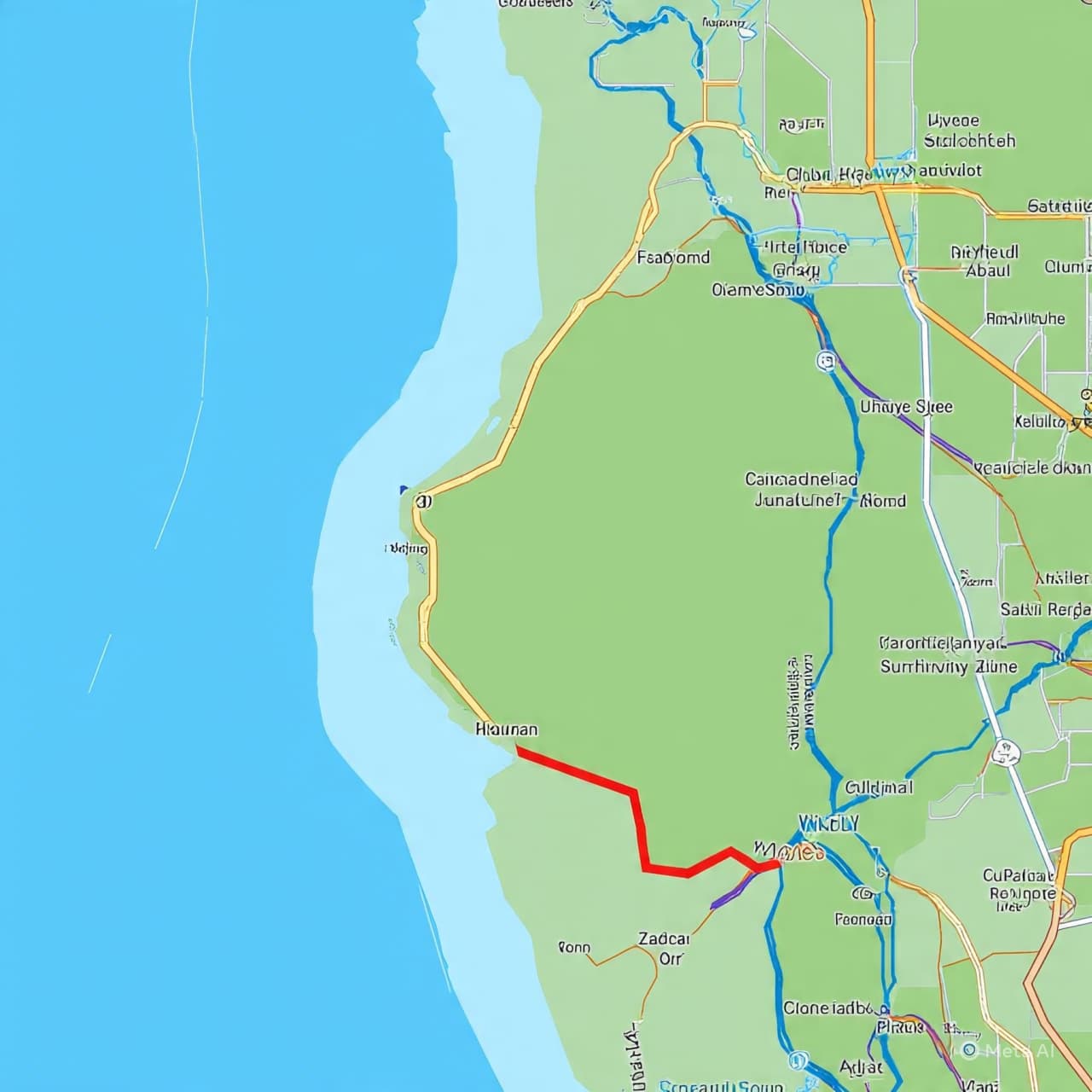
In contrast, the Seattle Fault Zone lies right under the city’s feet. This network of shallow east‑west thrust faults stretches from Bainbridge Island through downtown Seattle and toward Bellevue, placing dense neighborhoods and critical infrastructure directly above it. Since these faults are closer to the surface, quakes that originate here could generate much more intense shaking — even if their overall magnitude is lower than a Cascadia megathrust event. That means buildings, bridges, and everyday life could feel the full force of shaking with little warning. ([turn0news1]; [turn0search44])
Recent geological research has revealed that secondary strands within this fault zone are more active than once thought, rupturing more frequently — on the order of centuries rather than millennia — and potentially increasing local hazard. Because these smaller faults were historically overlooked by seismic models, scientists are now refining their understanding of how they behave and what risks they pose to nearly four million residents in the region. ([turn0news1])
The real worry with shallow, local quakes isn’t just shaking. Because they occur closer to the surface, they can trigger severe ground failure, landslides, and even localized tsunamis within Puget Sound — waves that could reach Seattle’s shoreline within minutes. Some soils beneath the city, especially in areas like the Duwamish Valley and Interbay, are prone to liquefaction, where saturated ground loses strength and behaves like a liquid, undermining foundations and infrastructure. ([turn0search13]; [turn0search10])
By comparison, a Cascadia megathrust quake, while potentially more powerful overall, would strike farther away and last longer, producing wider regional consequences. But even as both threats loom, it’s the faults running beneath the city streets that may pose a more immediate and direct hazard to Seattle’s buildings, transportation networks, and everyday life — a reminder that seismic risk often lurks where people least expect it. ([turn0search10]; [turn0search44])
As research progresses, scientists urge residents and policymakers alike to consider preparedness, resilient infrastructure, and updated hazard models that account for these close‑to‑home risks, not just the dramatic but distant specter of the “Big One.”
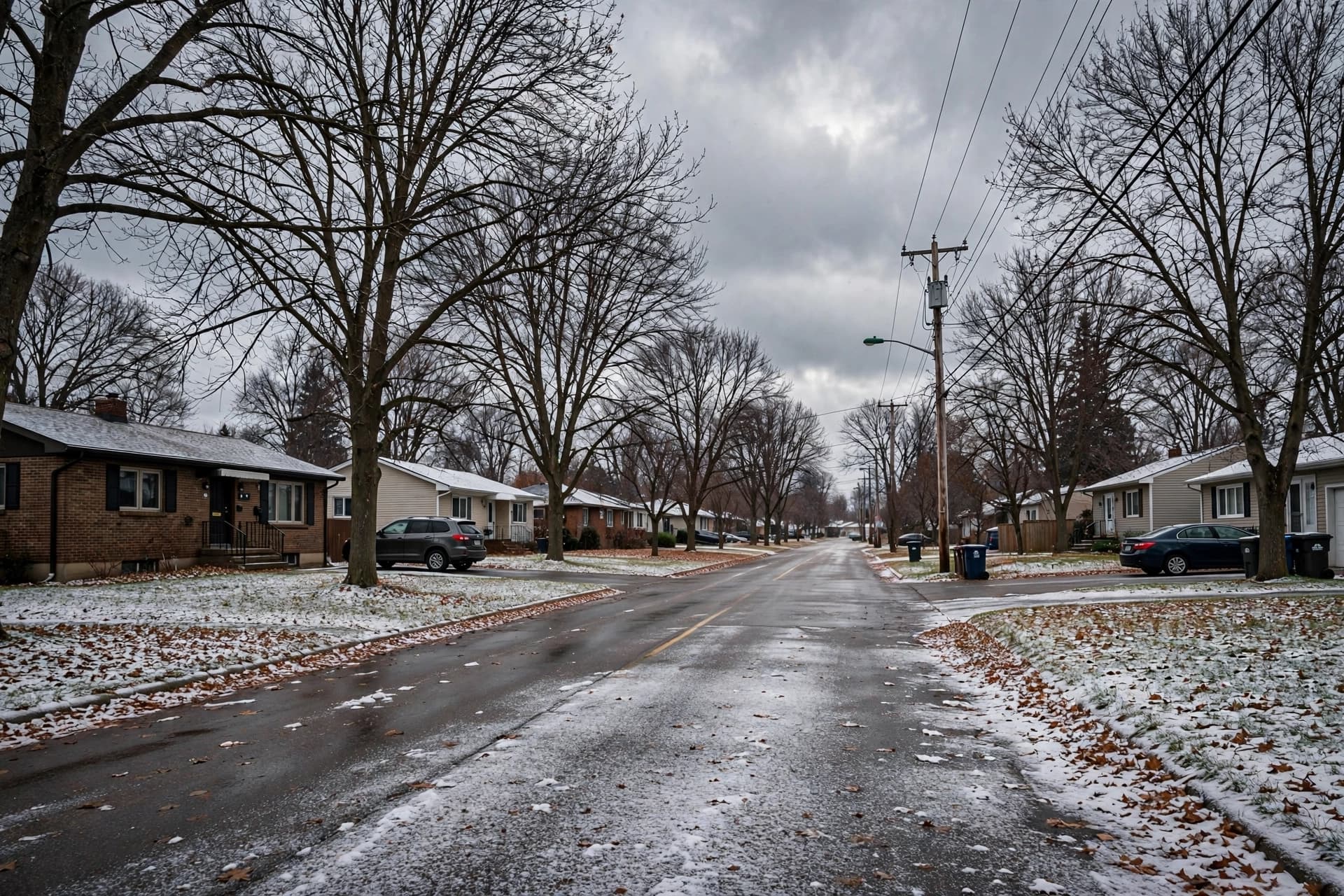
AI Image Disclaimer “Visuals are created with AI tools and are not real photographs.”
📌 Sources
• Study highlights that shallow Seattle Fault Zone earthquakes beneath the city may pose a serious seismic hazard. ([turn0news0])
• Research into Seattle’s complex fault system suggests more frequent activity along secondary faults. ([turn0news1])
• Seattle’s emergency management outlines seismic risks from local and distant faults. ([turn0search10]; [turn0search44])
Published by Banx Network. This article is part of the Banx decentralized media programme, powered by the BXE token on the XRP Ledger.